- Category
- War in Ukraine
Does the Battlefield Stalemate in Ukraine Favor Russia?

A narrative of Russia’s “inevitable advance” has steadily taken hold in the information space, resting on a substitution: Moscow’s inability to sustain a rapid offensive is recast as evidence that its slow movement forward is strategically unavoidable.
 Prefer U24 Media on Google
- Authors


-b4369e8f26220e0f00ca16ef1955af34.jpg "Vadym Kovalenko")

In classical military analysis, the concept of “slow advancement” signifies a loss of initiative, excessive resource losses, and a high price for each tactical step. Yet Russia’s incapacity has been effectively transformed, within information operations, into a victorious psychological construct, in which an objective sign of exhaustion is presented as proof of resilience. This narrative “virus” has successfully infiltrated Western discourse, so that slowness is no longer associated with weakness but rather with strength.
The logical absurdity of such an approach is obvious. A threat that a newborn will inevitably die of old age is formally unavoidable, yet it carries no practical meaning beyond the philosophical observation that life is finite.
If viewed from another perspective, inevitability without a defined time horizon and without the guarantee of achieving a final, tangible objective cannot be considered a strategic advantage.
The situation on the battlefield is merely a reflection of a different reality: the nature of the war of attrition that began in 2023.
Ukrainian soldiers often summarize this reality succinctly: “Our task is to hold out one day longer than the enemy.”
Is the state of the front an indicator?
What successes has Russia achieved in recent months? One could consider the occupation of Siversk and the near-occupation of Pokrovsk and Myrnohrad, as well as advances near Lyman, as successes. These are important defensive areas along the axis toward the Kramatorsk–Sloviansk agglomeration. Partial occupation of the city of Huliaipole on the Zaporizhzhia axis can also be seen as a success.
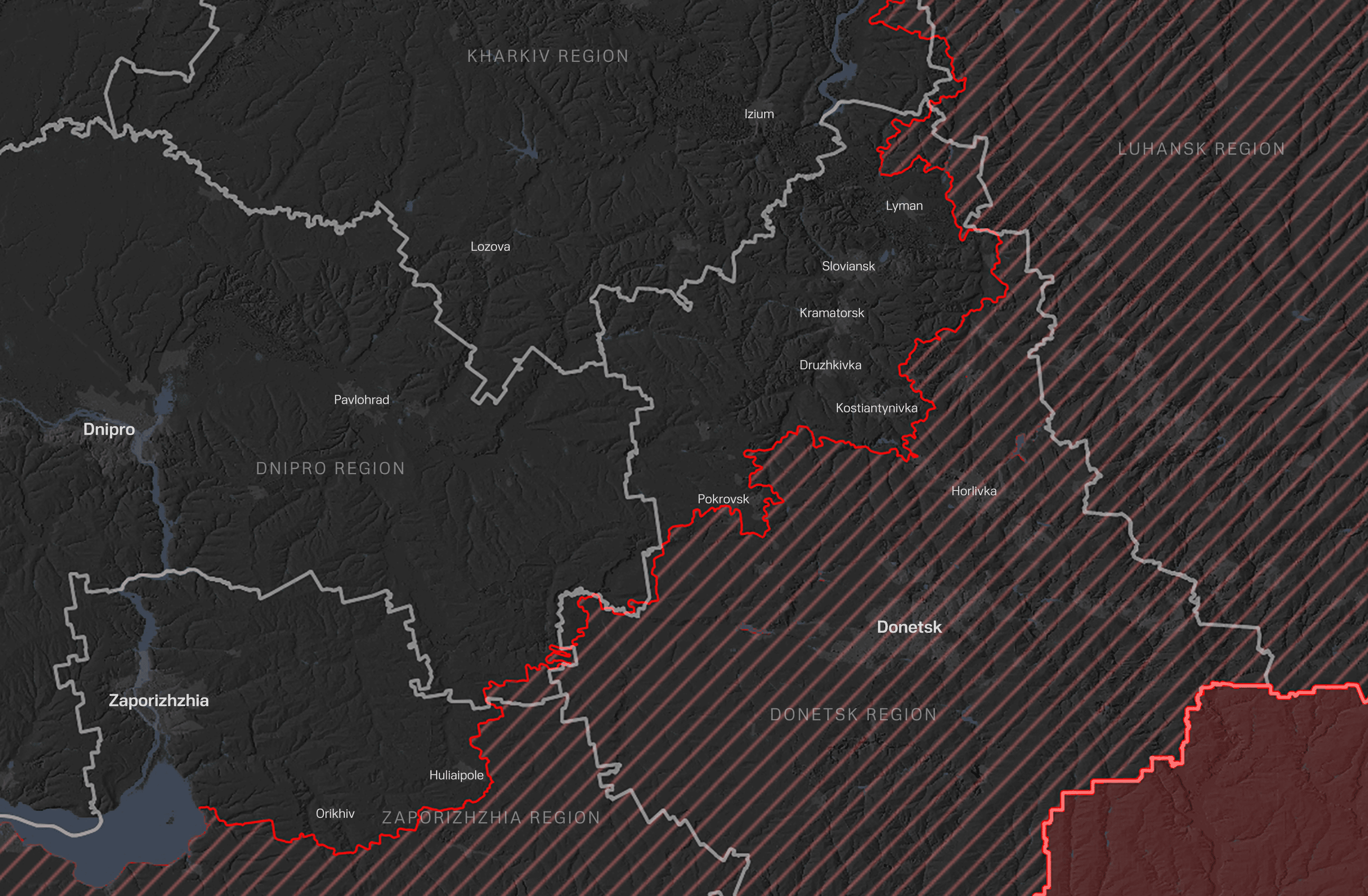
However, none of these developments is currently critical to the stability of Ukrainian defense, even though they exert moral pressure on Ukrainian society—especially advances that shorten the distance to industrially important cities such as Kharkiv, Zaporizhzhia, and Sumy.
The key question is the price the Russian army paid to capture these settlements. The depletion of Russia’s mechanized component due to the exhaustion of equipment reserves, the use of infiltration tactics by small infantry groups, and the dominance of drones make Russia’s cost structure particularly sensitive. As a result, roughly one Russian soldier killed corresponds to one wounded. For example, Ukraine’s Unmanned Systems Forces—responsible for more than one-third of all Russian personnel losses—report that 4,790 of the 8,672 casualties recorded in February, or 55%, were irreversible. Each loss is verified through video confirmation.
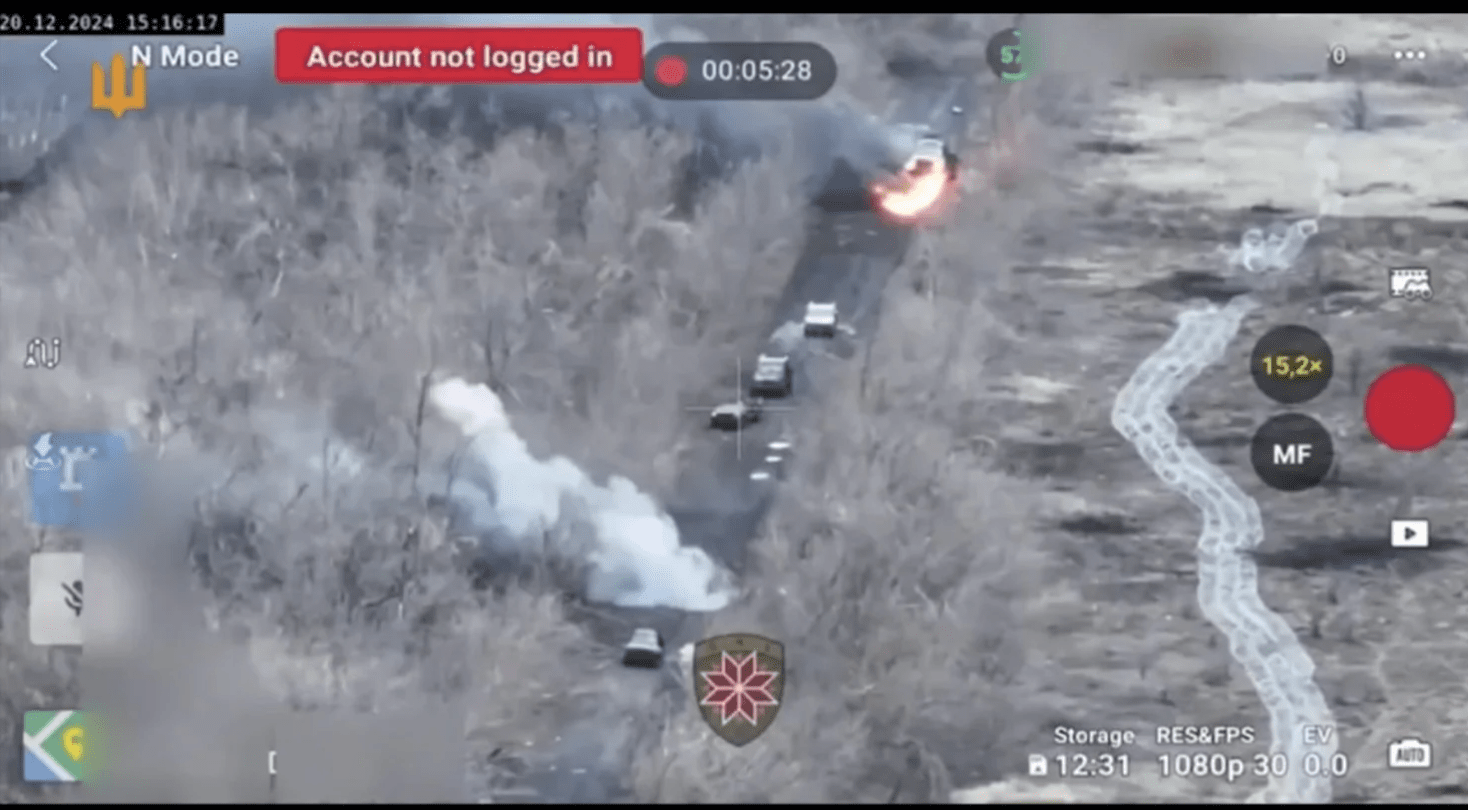
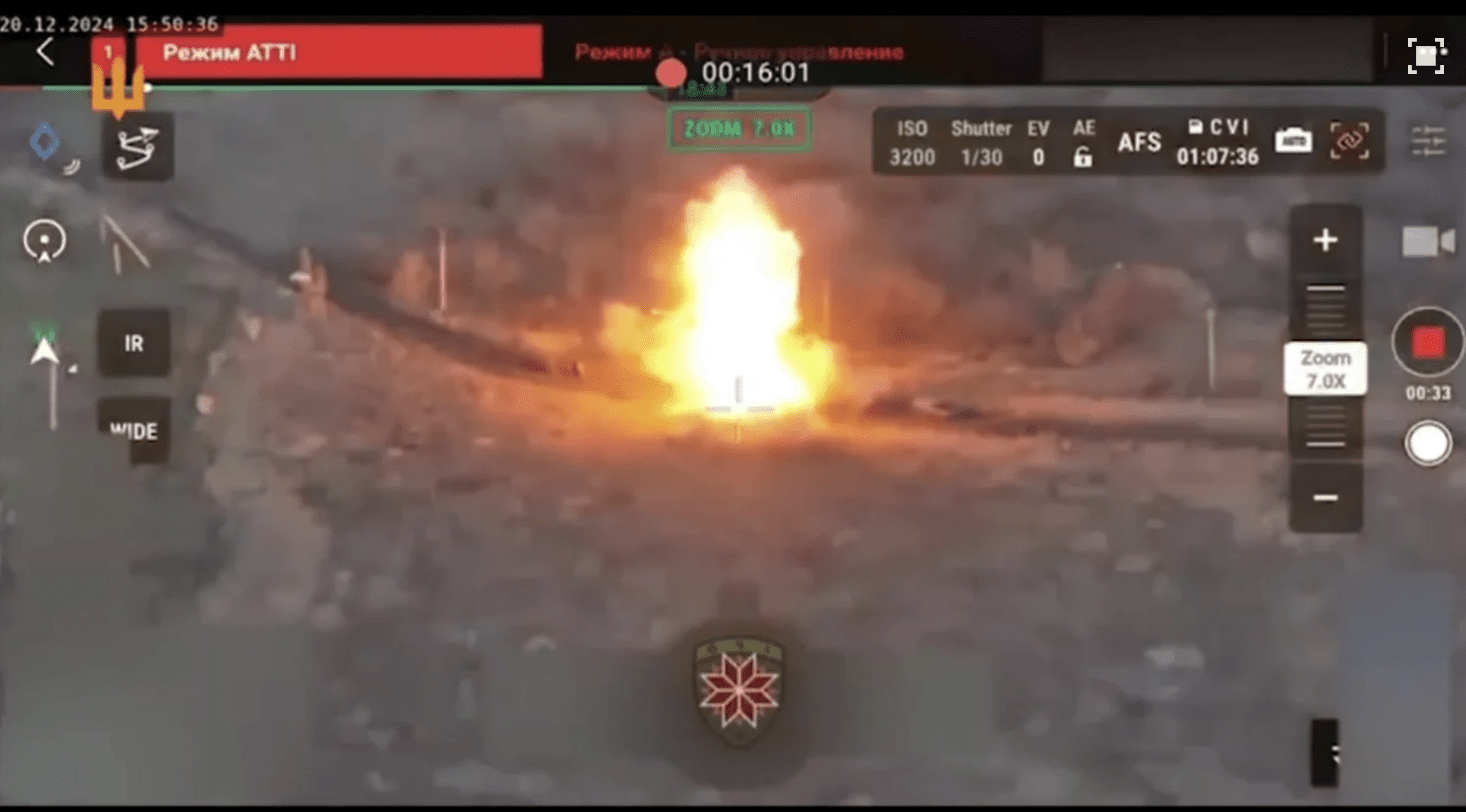
This does not correspond to the old doctrine of losses, which held that three soldiers were wounded for every one killed. The task of the Ukrainian army is to retain control of the approaches to a settlement, even if it loses the settlement, while organizing the so-called “carousel tactic,” in which drones continuously attack concentrations of Russian troops attempting to infiltrate and establish positions.
Ukrainian successes such as the counterattack near Kupiansk often remain unnoticed in Western media. Russia’s Chief of the General Staff, Valery Gerasimov, and leader Vladimir Putin have personally announced the city’s capture three times, both for domestic propaganda and to shape perceptions of the frontline situation ahead of trilateral negotiations. Yet the city remains under Ukrainian control.
Another success is the containment of the Russian offensive near Huliaipole. Why is this considered a success? Because the attacking grouping suffered significant losses, which are decisive for Ukraine in a war of attrition. Ukraine’s strategic objective is to increase the ratio of Russian losses to at least 1:6 or 1:8 on every section of the front.
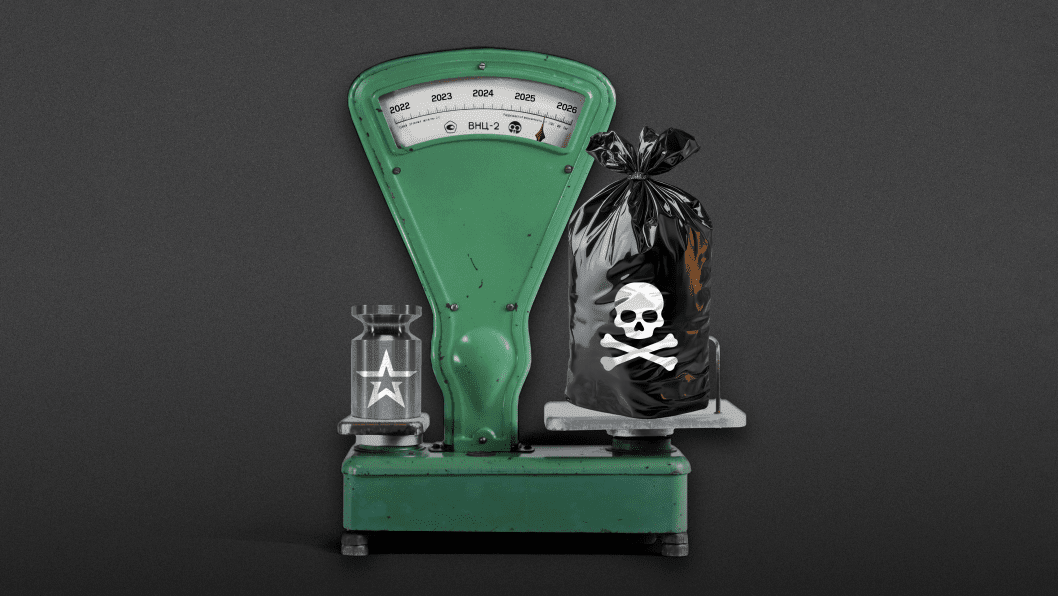
Ukraine is approaching this goal through the development of unmanned systems and improvements in command and combat control systems, although the desired level has not yet been reached. There have been cases where far more Russian soldiers were killed than Ukrainian soldiers on certain sections of the front, but these remain exceptions.
“Our casualty ratio with the enemy is no longer three-to-five to one,” said Andrii Biletskyi, commander of the Third Army Corps in 2025. “When the enemy intensifies its operations, it can reach 10–12 to one. Why? We have better infantry and better command. Most importantly, we operate in a different technological environment. Our aerial unmanned systems, ground robotic platforms, command-and-control systems, technical intelligence, and electronic warfare capabilities are an order of magnitude stronger than the enemy’s.”
The goal is to make such exceptions the rule.
Stalemate as evidence of Ukraine’s capabilities
What is strategically occurring on the battlefield can be described as a stalemate, whose defining feature is that the Kremlin cannot inflict a strategic defeat on Ukraine, while Ukraine cannot yet liberate all its internationally recognized territories.
A stalemate is possible only when all sides retain their capabilities. If one side significantly loses its military, economic, or political power, the balance is lost. Therefore, the very fact of a strategic stalemate demonstrates Ukraine’s agency and institutional capacity in this war.
The narrative portraying Ukraine as a “victim barely resisting” contradicts the very reality of the stalemate. In this context, the stalemate represents a form of mutual blocking of strategic objectives. Yet this blocking is asymmetric in its consequences for Russia.
Ukraine has effectively halted the realization of Russia’s key strategic objectives—not only on its territory but also in the broader geopolitical dimension. Moscow has failed to achieve the political liquidation of Ukrainian statehood, military dominance in the region, or the demonstration of a “quick victory” model intended to signal other post-Soviet states and Europe and expand Russian influence.
Regimes that traditionally relied on Moscow’s support, particularly in Syria and Venezuela, have fallen. Cuba and Iran are under systemic military and political pressure, further reducing the potential of their mutual support axis. China, no longer having Russia as a blunt geopolitical instrument anywhere in the world, is forced to narrow its geopolitical maneuvering while protecting its reputation.
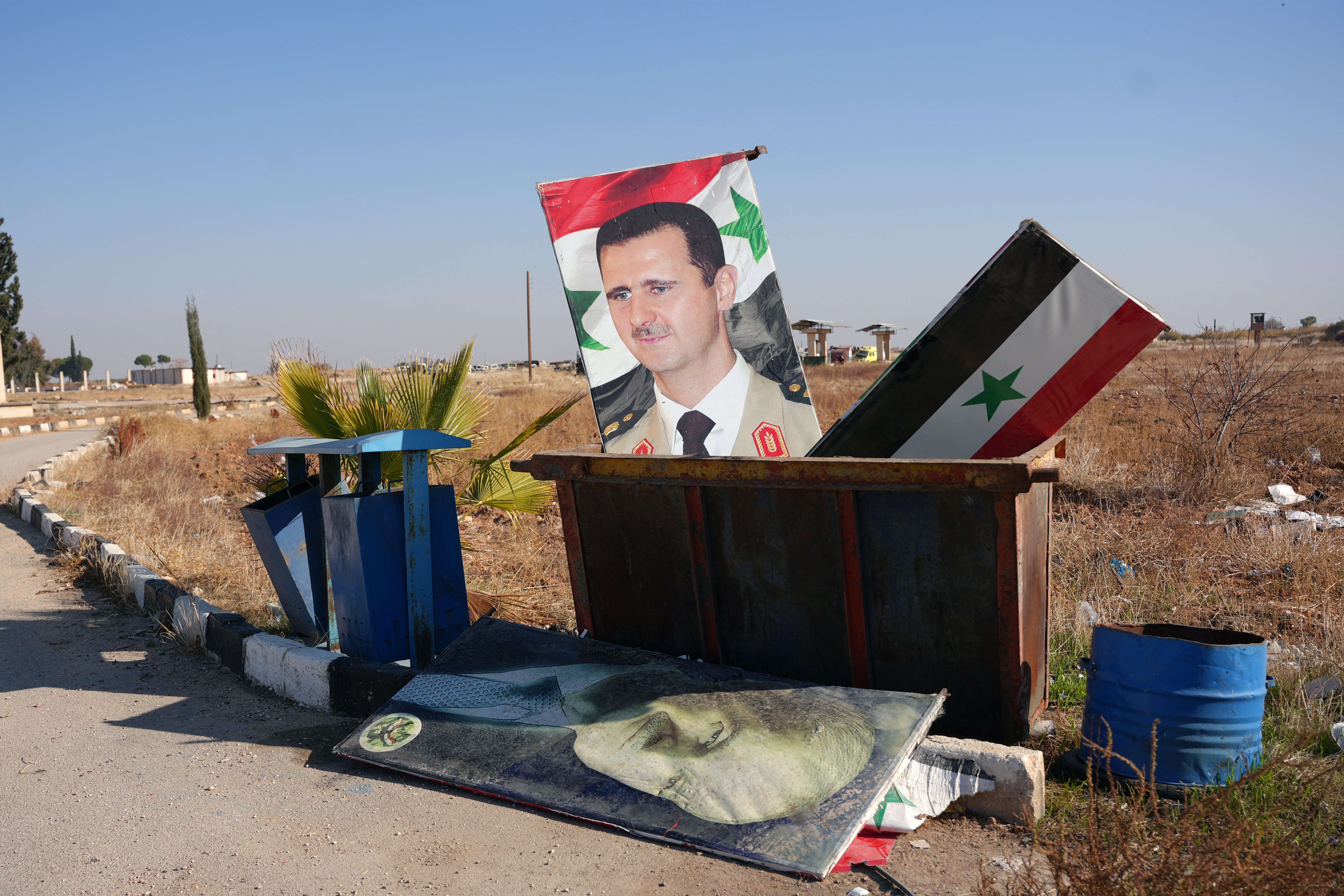
Russia is beginning to lose the particular value—beyond cheap resources—that China and other partners once saw in it. The Kremlin has lost European Union markets for gas and oil, and in alternative markets it increasingly faces situations in which the buyer dictates the terms rather than the seller.
If we step back and look at the entire global chessboard, the stalemate on the battlefield ceases to be a “frozen equilibrium” in the wider world. If one side has blocked the strategic goals and capabilities (resources) of another, then a third side—Europe—gains a window of opportunity to actively pursue its own strategic objectives.
The keyword here is actively, not reactively.
The United States is already operating within this logic, using the strategic blocking of Russia created by Ukraine to reshape transatlantic and global balances. Ukrainian resistance has effectively become the prerequisite for this maneuver. The only question is whether Europe will seize the same window of opportunity quickly and at scale.
Attrition as a point of bifurcation
Wars of attrition of this scale rarely end through gradual and predictable fading. Much more often, they enter a phase in which a critical mass of factors accumulates, after which the equilibrium collapses suddenly.
The current situation follows this logic precisely. The apparent “stability of the front” conceals deep asymmetries in the pace of economic, technological, and demographic exhaustion of the sides.
Indicators of Ukraine’s exhaustion are quite visible in the Western information space: the difficulties of the mobilization process, social fatigue, budget dependence on external support, and energy and humanitarian challenges. Ukraine cannot rapidly expand its armed forces without serious social consequences. These factors are not signs of collapse, but they clearly signal the limits of internal resources.
At the same time, indicators of Russia’s exhaustion are more structurally evident but less readily acknowledged in Western discourse. Rising military spending to anomalously high budget shares, federal deficits, inflationary pressures, labor shortages in the civilian economy, logistical degradation, declining weapons quality, and dependence on imported components all create systemic vulnerability.
The Russian model rests on a mobilization imbalance that gradually undermines the foundations of long-term stability. Yet this imbalance is increasingly neutralized by Ukraine’s attrition strategy described above.
During the last three months, Ukrainian forces have, for the first time in a long period, destroyed more Russian troops than the Kremlin has managed to replenish, said Robert Brovdi, commander of Ukraine’s Unmanned Systems Forces. Between December 2025 and February 2026, the Kremlin mobilized 80,122 soldiers for the war in Ukraine. During the same period, verified data indicate that Russian forces suffered 88,898 casualties, which will likely lead to the first reduction in the size of Russian forces in Ukraine since 2022.
Monthly Russian losses are expected to increase from the current 30,000 to around 50,000—60,000 through the use of unmanned and robotic systems, Ukraine’s Minister of Defense Mykhailo Fedorov says. This would reduce the Russian grouping by 150,000–200,000 troops per year—levels necessary for Ukraine to regain the initiative on the battlefield given its current capabilities and limitations.
At the point of exhaustion, a stalemate turns into a bifurcation point—a moment when scenarios diverge. Exiting this point can occur in different directions, but requires a catalyst.
For Russia, such markers might include:
a new large-scale mobilization wave;
an operational breakthrough on a key axis bringing Russian forces closer to a Ukrainian regional center;
a sharp reduction in Western support for Ukraine;
destruction of Ukraine’s energy system;
technological adaptation to sanctions or their removal;
a collapse of Ukrainian air defense;
a shift in European political attitudes toward “freezing” the conflict.
For Ukraine, such markers could include:
a breakthrough in ballistic missile production;
stabilization of mobilization policy;
large-scale deployment of robotic and unmanned systems to offset Russia’s demographic advantage;
expanded sanctions against critical sectors of Russia’s economy, particularly oil and gas;
strengthened air defense and a radical reduction in the cost ratio between Ukrainian interceptors and Russian missiles or drones.
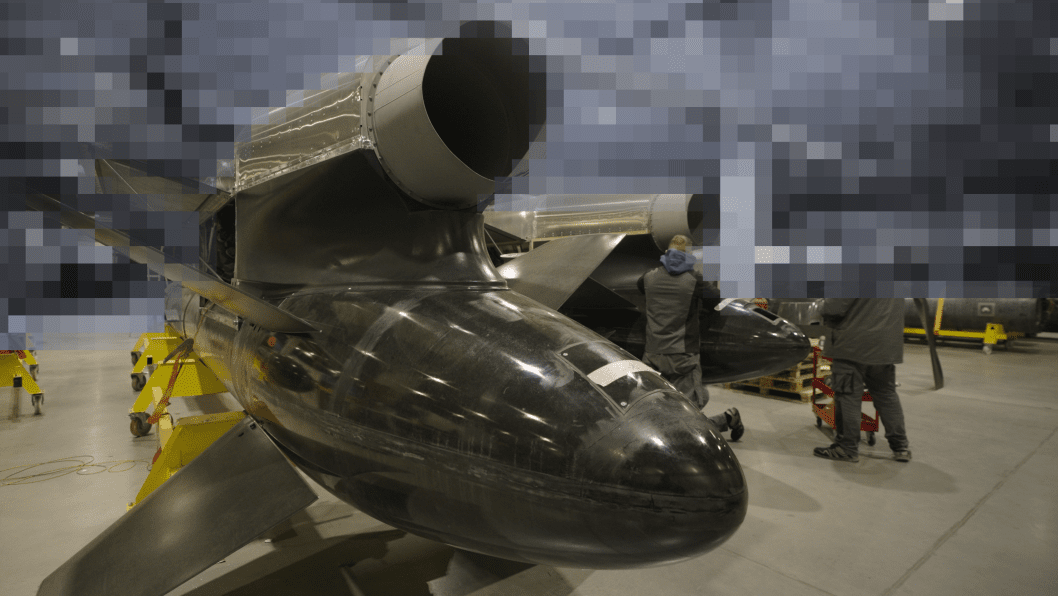
If the European Union intends to emerge victorious from the tectonic geopolitical shifts underway, it must systematically close off each of these scenarios favorable to Russia. Western partners have repeatedly been late in supporting major innovation waves—from FPV drones to naval drones. Missing the wave of ground robotic systems would once again—and perhaps definitively—mean losing the opportunity for an asymmetric technological breakthrough.
“Short-range Ukrainian ballistic missiles” may be the most decisive scenario. The first wave of massed, combined strikes on Moscow, with weapons that arrive within minutes, would create a strategic effect that propaganda could not compensate for. It would significantly damage Moscow’s investment climate and potentially shut down air travel, while also altering the psychology of Russia’s managerial elites.
Tempo matters more than volume here, because strategic deterrence exists as a concept rather than a mere quantity. It would reshape Russian elites’ perception of the distance of war, both spatial and temporal.
This shift has already begun among the Russian population. After previously overwhelming support for the war, the share of people favoring its end has risen to a record 53% as of February 2026, compared with 35% at the start of the full-scale invasion. The increase occurred episodically in mid-2022 during Ukraine’s counteroffensives near Kyiv, Kharkiv, Balakliia, and Kherson, and then grew steadily from mid-2023 when Ukraine developed its own medium-range combat drone program and began returning part of the war to Russian territory.
Timeliness for a strategic breakthrough
Europe has a choice: act as an active subject and administer a powerful sedative to a restrained enemy by closing off all escape routes from the stalemate, or, administer the sedative to itself and allow the initiative to shift once again to the side that openly declares who its next victim may be.
The opportunity lies in Russia’s structural weaknesses today, which means each additional action has a greater effect than it would have had a year ago, especially two or three. That is why Ukrainian diplomacy places such strong emphasis on sanctions and calls on European partners to help block the so-called shadow fleet, as this accelerates the Kremlin’s exhaustion and opens a realistic prospect for Ukraine’s liberation of its territory.
Imagine perfect political determination: the tankers of the shadow fleet would be simultaneously blocked in the waters of the Baltic and Black Seas, something Ukrainian-European forces are militarily and organizationally capable of doing cooperatively.
Ports in these waters account for 70% of Russia’s crude oil exports, the monitoring group of the Black Sea Institute of Strategic Studies reports.
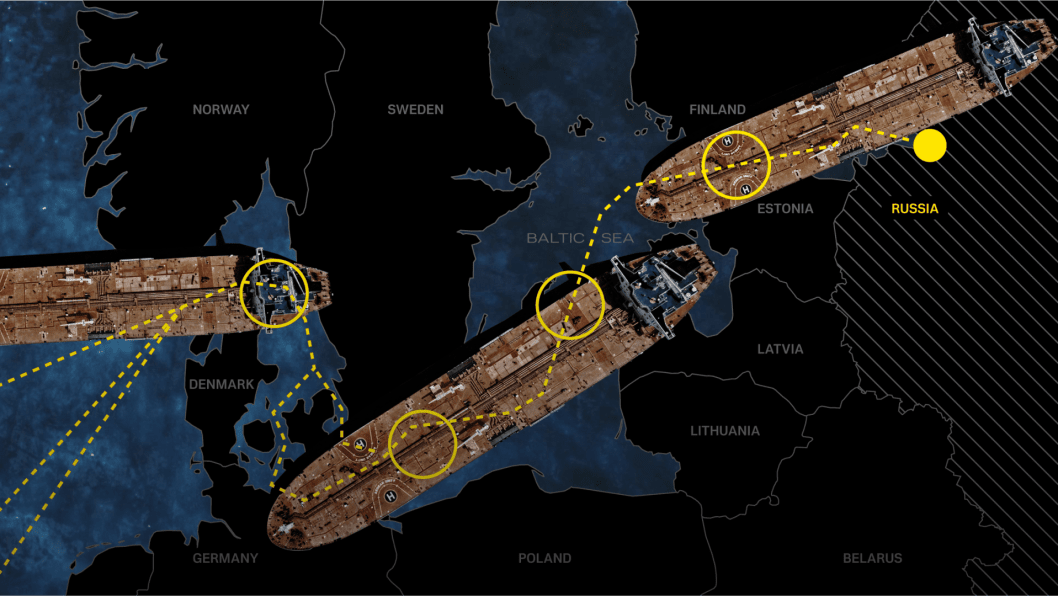
Due to infrastructure constraints, the Kremlin cannot rapidly increase exports through Far Eastern or Arctic ports, as the Soviet-era oil transportation system was designed primarily for westward oil exports.
Such a move could serve as the catalyst for exiting the stalemate during the bifurcation period in Ukraine’s favor. But implementation requires both timing and scale.
Missing this moment would mean voluntarily continuing the war on Russia’s terms—possibly even on EU territory. Following political turbulence in the transatlantic space associated with the US President Trump’s arrival, European discourse has partly shifted from the language of liberation, reparations, and punishment of war criminals to rhetoric focused on risk management.
Yet publicly articulating a strategic objective matters. It shapes expectations, influences investment decisions, and shapes the adversary's psychology.
Europe possesses the necessary tools and political capacity to sharply strengthen Ukraine’s capabilities. The question is not about capability but about speed and political will. An active position transforms the stalemate into the stage preceding a strategic breakthrough.
Ukraine is therefore holding the front within the limits of the maximum stalemate it can sustain, effectively trading territory for the strategic systemic exhaustion of Russia. The results of this strategy are not always immediately visible, but they accumulate over time.
We are approaching a moment when economic, technological, and military processes may converge, leading to abrupt change for both sides. At that point, the decisive factor will be the behavior of Ukraine’s partners: whether to observe inertia or actively ensure that the balance ultimately tips in Ukraine’s favor.
This material was prepared as part of the cooperation between UNITED24 Media and the international analytical and information community Resurgam.
Discuss this article:
-9a7b3a98ed5c506e0b77a6663f5727c5.png)

-c439b7bd9030ecf9d5a4287dc361ba31.jpg "Photo of Katherina Popilnichenko")