- Category
- War in Ukraine
Burning Through Cash and Men, Russia Could be Looking for Way Out of Ukraine War
 Prefer U24 Media on Google
- Authors

-72b63a4e0c8c475ad81fe3eed3f63729.jpeg "Photo of Cyril Barabaltchouk")
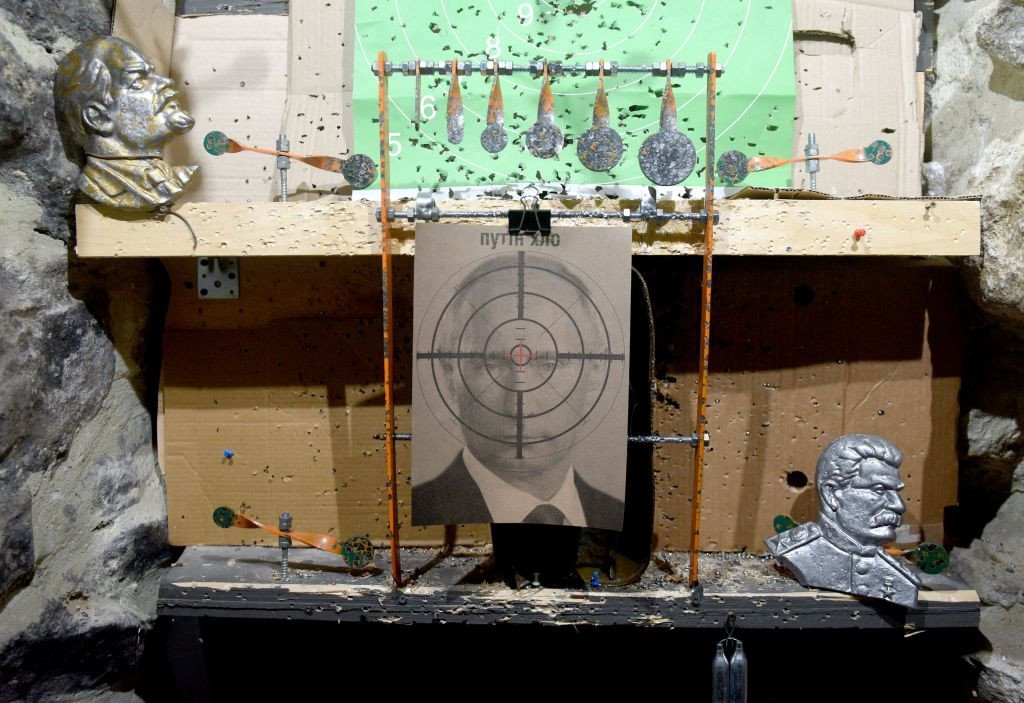
Faced with an escalating budget deficit and compounding battlefield casualties, Russia is actively searching for an exit strategy from its full-scale invasion of Ukraine, The Washington Post reported on June 2.
Capturing the Donetsk region has now transformed into Russian leader Vladimir Putin’s primary condition for ending the war. This is a significant downscaling of objectives following the failure of his initial campaign to occupy Kyiv, signaling a Kremlin severely strained by a $150 billion fiscal hole and unsustainable frontline attrition, The Washington Post wrote.
We bring you stories from the ground. Your support keeps our team in the field.
Despite high global oil prices fueled by international conflicts, Russia’s domestic economy faces intense strain. The Washington Post noted that soaring military expenditures, combined with contracting civilian revenues due to strict sanctions and high interest rates, are driving a massive budget deficit. Janis Kluge, an economist with the German Institute for International and Security Affairs, noted that regional budgets are bearing the brunt of the immediate financial pressure.
This sense of vulnerability is echoed by political analysts tracking the Kremlin’s internal dynamics. Tatiana Stanovaya, a senior fellow at the Carnegie Russia Eurasia Foundation, told The Washington Post that shifting battlefield realities are disrupting Moscow’s long-term calculations.
“Russia’s military advantage is beginning to dissipate, and Ukraine is expanding the geography of strikes and their intensity, while the US has taken a pause in the negotiations,” Stanovaya said. “All of this creates the feeling that things are not moving in the direction Putin wants.”
Because Moscow is finding it increasingly difficult to dictate the terms of the war, Stanovaya noted that the Kremlin may resort to volatile measures to regain the initiative, adding that “to a great degree, escalation is the only way to respond to a situation which you can’t control,” The Washington Post reported.
Russian Finance Minister Anton Siluanov recently disclosed that the government is preparing deep spending cuts across all civilian sectors to prioritize defense and social welfare, following a doubling of the budget deficit in the first quarter of 2026.
“Our reserves are not endless,” Siluanov warned, The Washington Post wrote.
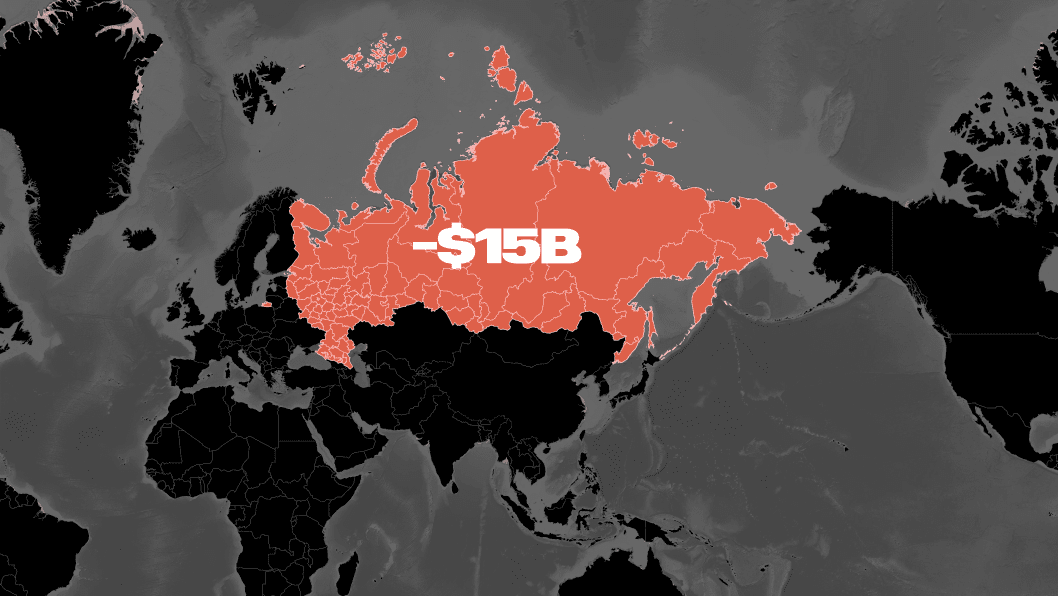
This growing fiscal hole—which has expanded to 11 trillion rubles (about $150 billion)—sparked a rare public outburst from pro-Kremlin lawmaker Valery Gartung. Speaking in parliament, Gartung openly questioned if the government would print money to cover the shortfall, raising the specter of the severe hyperinflation that devastated Russian savings in 1992, according to The Washington Post.
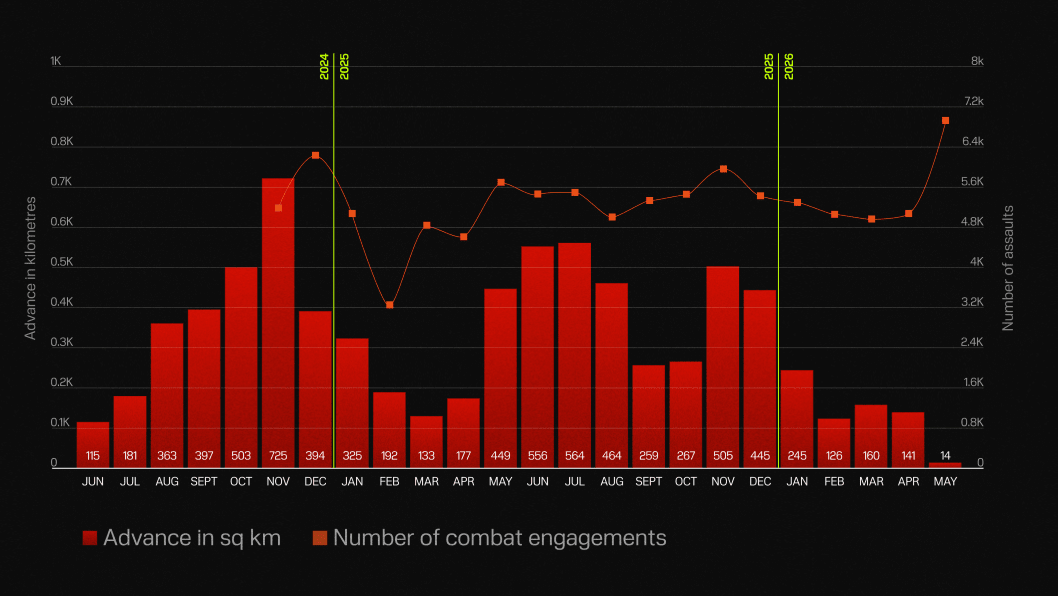
Simultaneously, the Russian military is struggling to replenish frontline troops as casualties continue to mount by the tens of thousands every month. Russian opposition figure Mikhail Khodorkovsky, cited by The Washington Post, highlighted that drone-controlled “kill zones” along the frontline have completely blocked casualty evacuations, preventing wounded soldiers from returning to battle as they routinely did earlier in the war.
Given these extreme attrition rates, some European officials suggest the Kremlin may be forced to initiate a politically hazardous mobilization after the September parliamentary elections. However, other analysts believe Moscow might choose a strategic pause instead because the current intensity is entirely unsustainable for the Russian state.
Sir Alex Younger, the former head of Britain’s Secret Intelligence Service, told The Washington Post that Russia could simply “run out of puff,” reaching a point where its military actions become strategically irrelevant.
The domestic fiscal data corresponds with institutional reports regarding the Russian state expenditure management. A recent report had indicated that officials from Russia’s Ministry of Finance and the Central Bank advised Vladimir Putin that current defense spending levels exceed sustainable fiscal parameters.
Internal documents show that the state budget deficit for the first four months of 2026 reached 5.9 trillion rubles ($82 billion), exceeding the initial annual target by approximately 50%. While financial regulators have proposed reducing military allocations to stabilize public finances, the Ministry of Defense has requested an additional three trillion rubles ($41.7 billion) to cover funding gaps.
Discuss this article: