- Category
- Latest news
China Absorbs Russia’s Discounted Urals Crude After Indian Refiners Step Away
 Prefer U24 Media on Google
- Authors


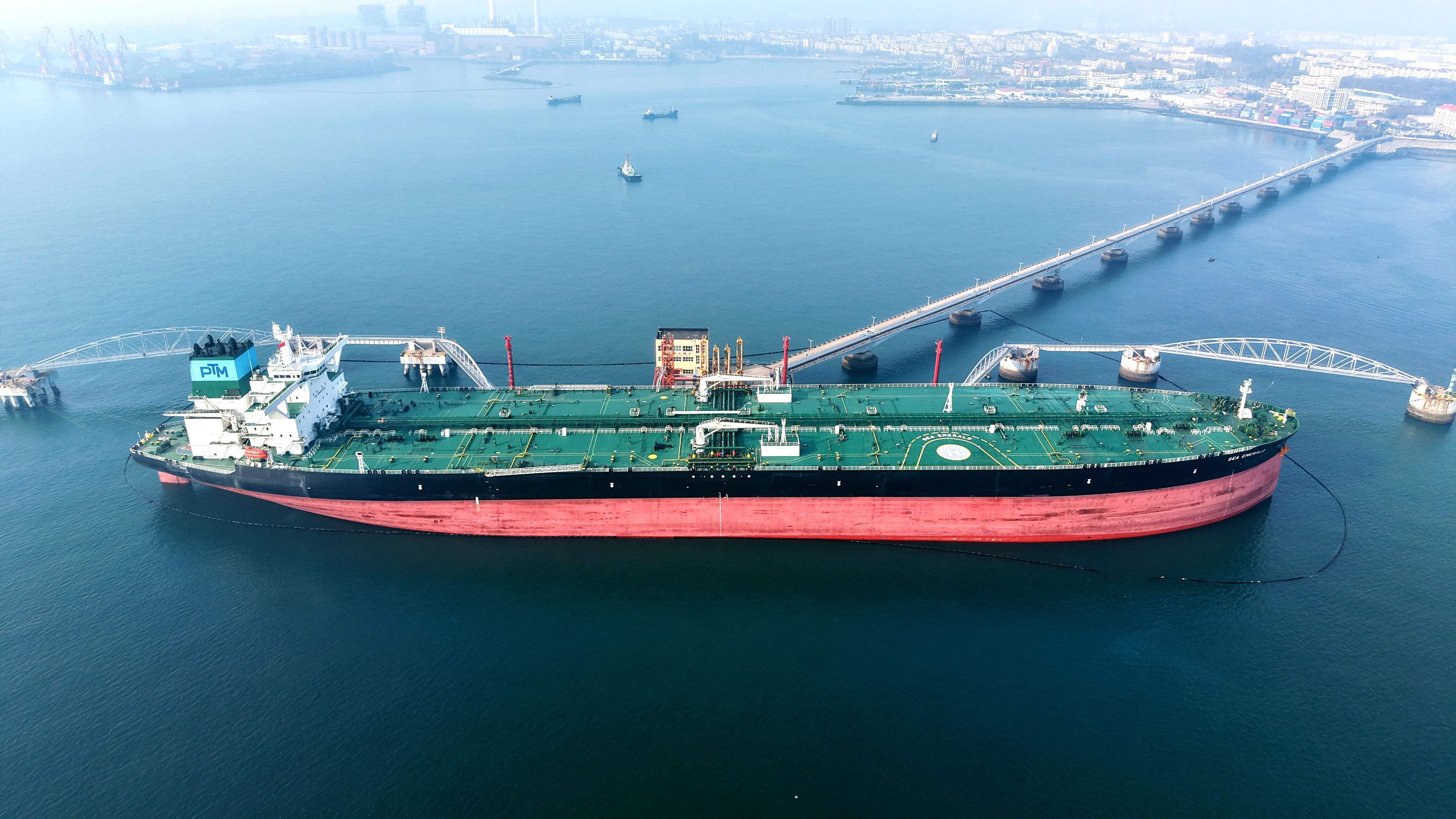
China has sharply increased its imports of Russia’s Urals crude oil as Indian refiners—previously the largest buyers of the grade—scale back their purchases due to sanctions-related risks, according to a report by Baird Maritime on January 19.
Seaborne shipments of Russian crude to China exceeded 1.5 million barrels per day in December, roughly 300,000 barrels per day above the January–November average.
We bring you stories from the ground. Your support keeps our team in the field.
At the same time, deliveries of Urals crude that had traditionally gone to India tripled to about 259,000 barrels per day in the fourth quarter.
The shift accelerated in January, when China’s Urals imports jumped another 70% to 447,000 barrels per day, the highest level since April 2023.
The surge was driven by some of the deepest discounts offered since the start of Russia’s full-scale war, according to the report. Discounts at Russian ports reached $26–28 per barrel, while net discounts in China—after transport costs—were closer to $10 per barrel.
Meanwhile, major Indian refiners have sharply reduced their exposure to Russian crude, particularly at facilities producing fuels for export to Europe.
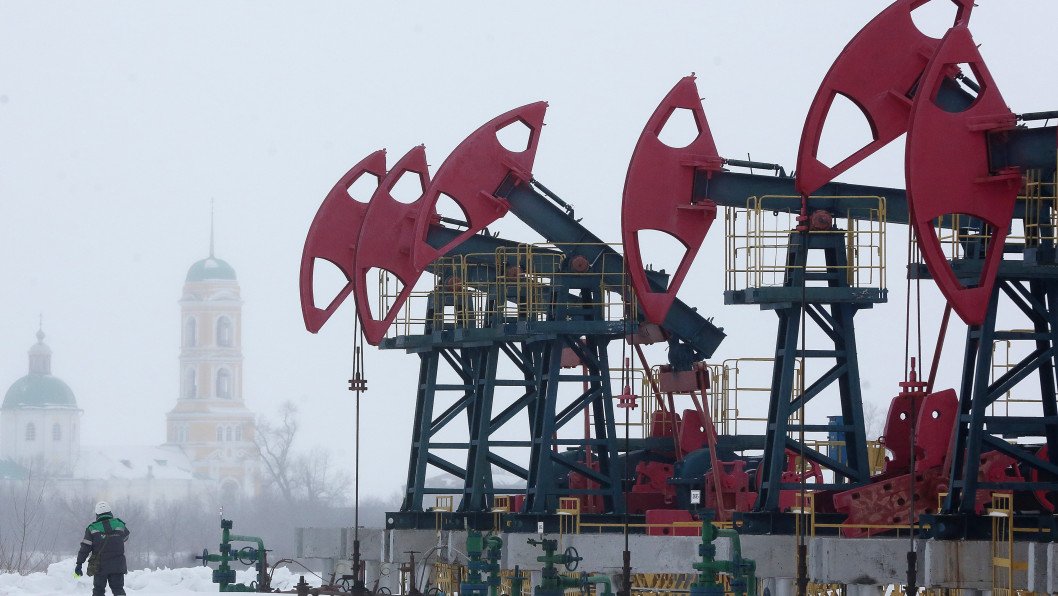
“They practically stopped processing Russian oil from December at refineries whose products are meant for export to the EU,” said Rajesh Chopra, chief petrochemicals analyst at XAnalysts. “This led to a drop in India’s Urals imports of roughly 500,000 barrels per day.”
India’s imports of Urals crude fell to 929,000 barrels per day in December, the lowest level since December 2022. By comparison, India imported an average of 1.36 million barrels per day of Urals crude in 2024, followed by 1.27 million barrels per day in 2025.
The data underscores how Western sanctions and tightening compliance rules are reshaping global oil trade flows, redirecting discounted Russian crude from traditional buyers in South Asia toward Chinese refiners willing to absorb both the volumes and the political risk.
Earlier, reports emerged that the European Union would lower the price cap on Russian crude oil to $44.10 per barrel, starting February 1, thereby tightening restrictions on Moscow’s energy revenues, according to the European Council.
Discuss this article: