- Category
- Latest news
Russia’s Arctic Empire Is Crumbling—Rotting Ports, Sanctions, and China’s Silence
 Prefer U24 Media on Google
- Authors



Russia is reportedly facing critical challenges in maintaining its Arctic port infrastructure, undermining its ambitions to turn the Northern Sea Route into a viable alternative to global trade corridors such as the Suez Canal.
According to a report published on January 6 by the Ukrainian Foreign Intelligence Service (SZRU), Russian Arctic ports are experiencing widespread neglect due to a combination of economic strain, loss of foreign technical partnerships, and growing logistical burdens.
The agency cites the lack of equipment for dredging and pier maintenance as a central issue, noting that most of the necessary machinery had previously been supplied by foreign companies—access to which has been curtailed by international sanctions.
The intelligence report highlights that Russian capabilities for port maintenance have dropped significantly. While the estimated dredging requirement along the Northern Sea Route (NSR) and other regions of Russia amounts to roughly 60 million cubic meters over the next five years, domestic capacity in 2025 reached only around 2.2 million cubic meters.
These figures suggest that Russia can currently meet only a small fraction of its infrastructure needs, resulting in backlogs and increasing operational risk.
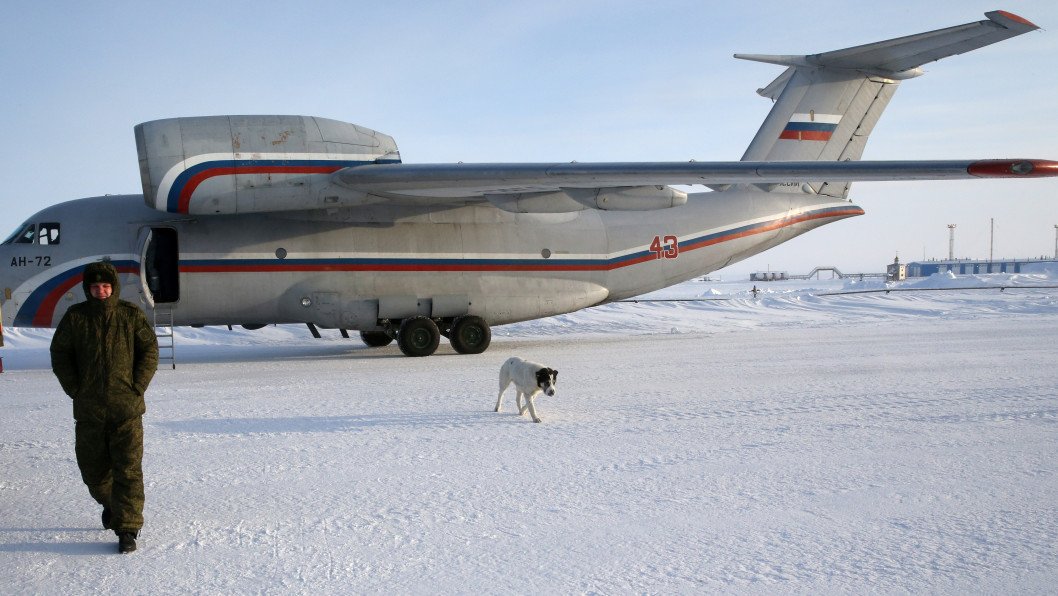
Despite statements from Russian officials about launching domestic production of dredging vessels at shipyards in Saint Petersburg, the SZRU states that these efforts remain largely declarative, with no significant practical output.
The intelligence assessment notes that the deteriorating state of port infrastructure directly affects Russia’s logistical strategy. Moscow has positioned the NSR as a major transit corridor for global shipping, particularly for energy exports.
However, without reliable port services and icebreaker support, Russia cannot guarantee safe passage for even its own cargo.
-0c0f9d0574b5dfd68b0310455ff5cee3.jpg)
Furthermore, the report points to structural issues within Russia’s Arctic operations, including an aging icebreaker fleet and the loss of skilled personnel. These challenges are compounded by a diversion of budgetary resources toward the war in Ukraine.
The Ukrainian agency also comments on Russia’s increasing dependence on China for Arctic development. While Moscow has attempted to involve Chinese investors in revitalizing Arctic ports, Beijing has shown limited interest.
According to SZRU, Chinese priorities center on uninterrupted passage through the NSR rather than investments in individual Russian logistics hubs.
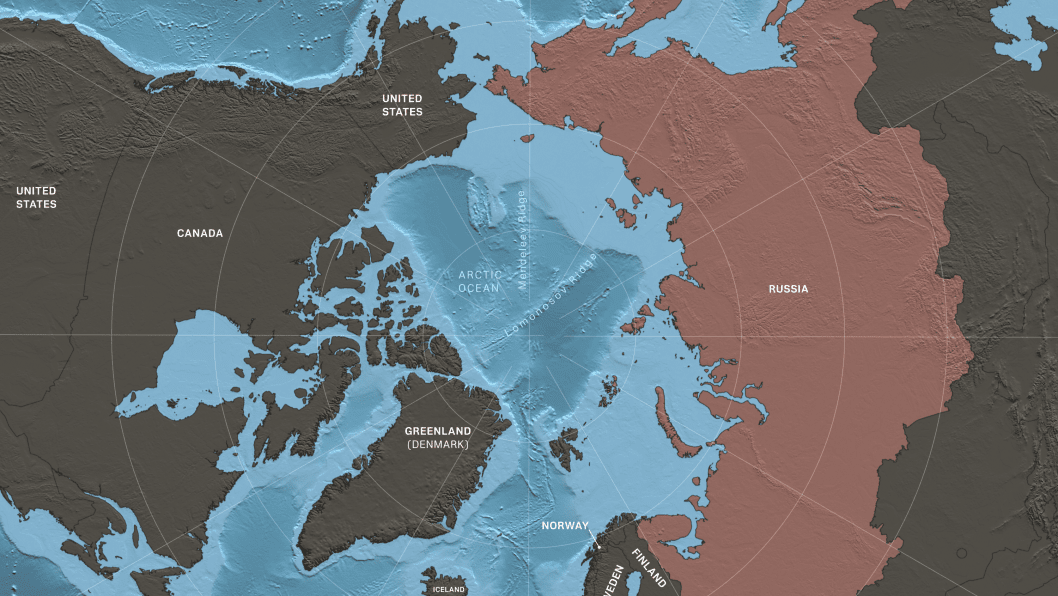
Even in cases where China may participate in dredging operations, the report notes that such efforts would likely be directed by Beijing’s strategic interests, not Russia’s regional development plans. This dynamic, the agency argues, would reduce Russia’s control over Arctic infrastructure and further entrench its reliance on external partners.
According to SZRU, Russia is also trying to bypass Western sanctions by using shadow tankers to export Arctic oil and liquefied natural gas. However, logistical costs continue to rise due to a lack of direct access to Western maritime technologies and the need for intermediaries.
Earlier, Russia signed a memorandum to train Chinese crews for Arctic operations during Prime Minister Mikhail Mishustin’s visit to Hangzhou. The program will be conducted at Admiral Nevelskoy and Admiral Makarov maritime universities, reflecting joint efforts to promote the Northern Sea Route as a future Asia–Europe trade corridor.
Discuss this article:


-c439b7bd9030ecf9d5a4287dc361ba31.jpg "Photo of Katherina Popilnichenko")