- Category
- Latest news
Beijing Rejects US Pressure Over Russian Oil: "Coercion Won’t Work"
 Prefer U24 Media on Google
- Authors


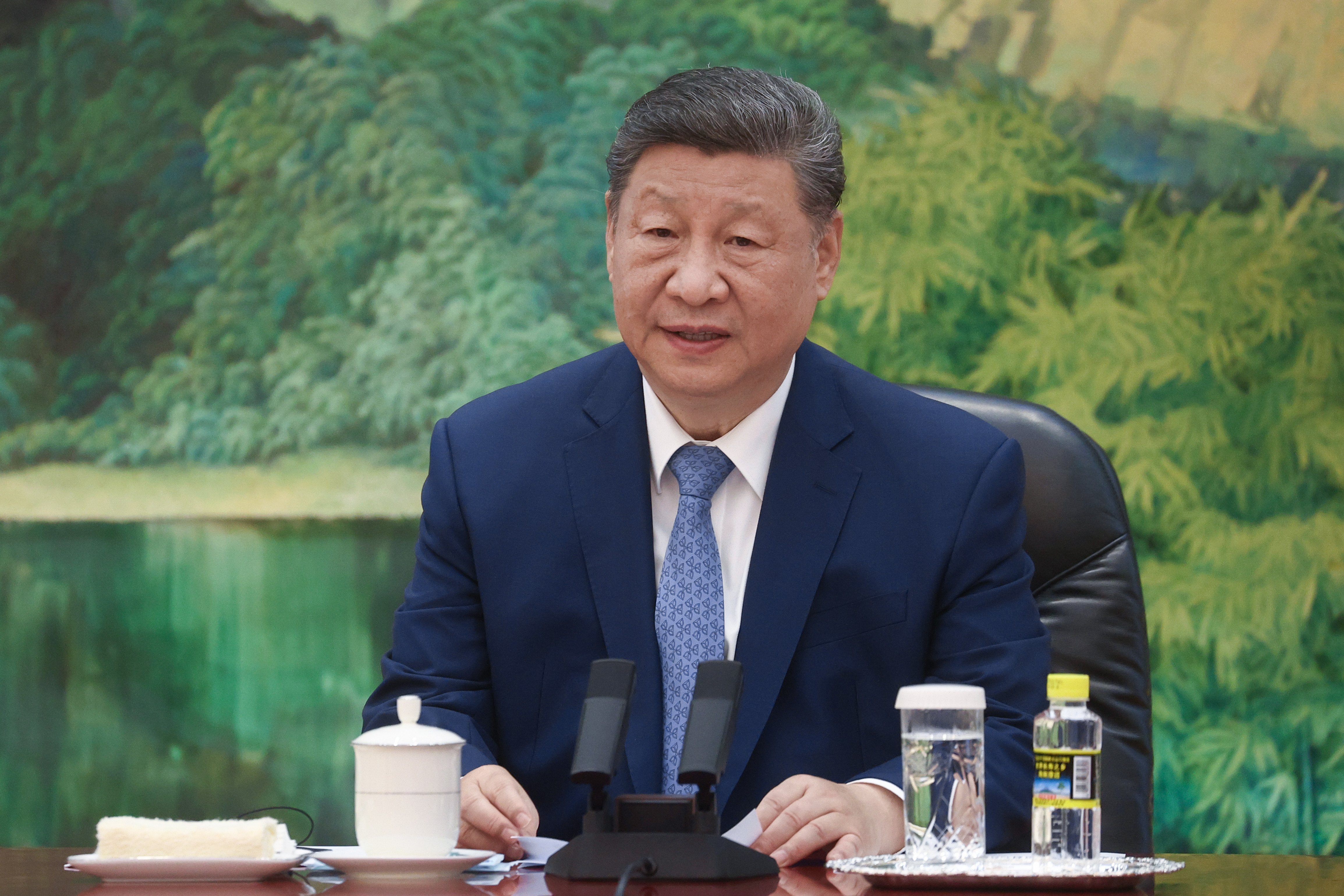
While US and Chinese officials have made progress in resolving several trade disputes, one major sticking point remains: Washington’s demand that Beijing stop buying oil from Iran and Russia. This was reported by Associated Press on August 4, citing China’s Foreign Ministry.
“China will always ensure its energy supply in ways that serve our national interests,” China’s Foreign Ministry said in a post on X, following two days of trade talks in Stockholm and in response to the US threat of a 100% tariff.
“Coercion and pressuring will not achieve anything. China will firmly defend its sovereignty, security and development interests,” the ministry added.
The response comes amid a broader atmosphere of cautious optimism, with both sides seeking to stabilize commercial ties between the world’s two largest economies after years of tariffs and trade restrictions, according to AP. But the energy dispute highlights China’s willingness to draw a firm line—particularly when its foreign policy and energy security are at stake.
US Treasury Secretary Scott Bessent acknowledged the challenge, telling reporters after the talks that the “Chinese take their sovereignty very seriously.”
“We don't want to impede on their sovereignty, so they'd like to pay a 100% tariff,” Bessent said.
Despite the pushback, Bessent said the negotiations remain on track. “I believe that we have the makings of a deal,” he told CNBC, describing the Chinese as “tough” negotiators.
Gabriel Wildau, managing director at Teneo, said he doubts US President Donald Trump would ultimately follow through on the 100% tariff threat. “Realizing those threats would derail all the recent progress and probably kill any chance” for Trump and Chinese President Xi Jinping to announce a deal this fall, Wildau said.
-c3c84e82ac10290cb8a9af723951ff2b.jpg)
Washington’s pressure on China over oil purchases is part of a broader effort to choke off revenue to Iran and Russia—two nations heavily reliant on energy exports to fund their militaries. The US hopes to reduce Moscow’s capacity to wage war against Ukraine and curb Tehran’s support for militant groups across the Middle East, AP concluded.
Previously, AP reported that China is ramping up efforts to develop technologies aimed at countering the Starlink satellite network, citing its expanding role in modern warfare as a national security threat. Chinese military analysts and scientists have proposed several strategies to disrupt or disable the US-based satellite system, which is operated by SpaceX.
Discuss this article:

-2a1646737344cdcf3a03bdb85e4e4533.png "Footage released by Ukraine’s Khyzhak Brigade shows a strike on a Russian BM-21 Grad multiple-launch rocket system concealed inside a shelter. (Source: Joint Forces Task Force)")
-72b63a4e0c8c475ad81fe3eed3f63729.jpeg "Photo of Cyril Barabaltchouk")
-111f0e5095e02c02446ffed57bfb0ab1.jpeg "Photo of Roman Kohanets")

-9fc3cf73e00823179b7f7cb9b3c735e8.jpeg "Damage to a building in Kyiv following a Russian ballistic attack on the capital. (Source: State Emergency Service of Ukraine)")