- Category
- Latest news
Rare US Missile Radars Worth $4 Billion May Have Been Hit in Iranian Strikes
 Prefer U24 Media on Google
- Authors


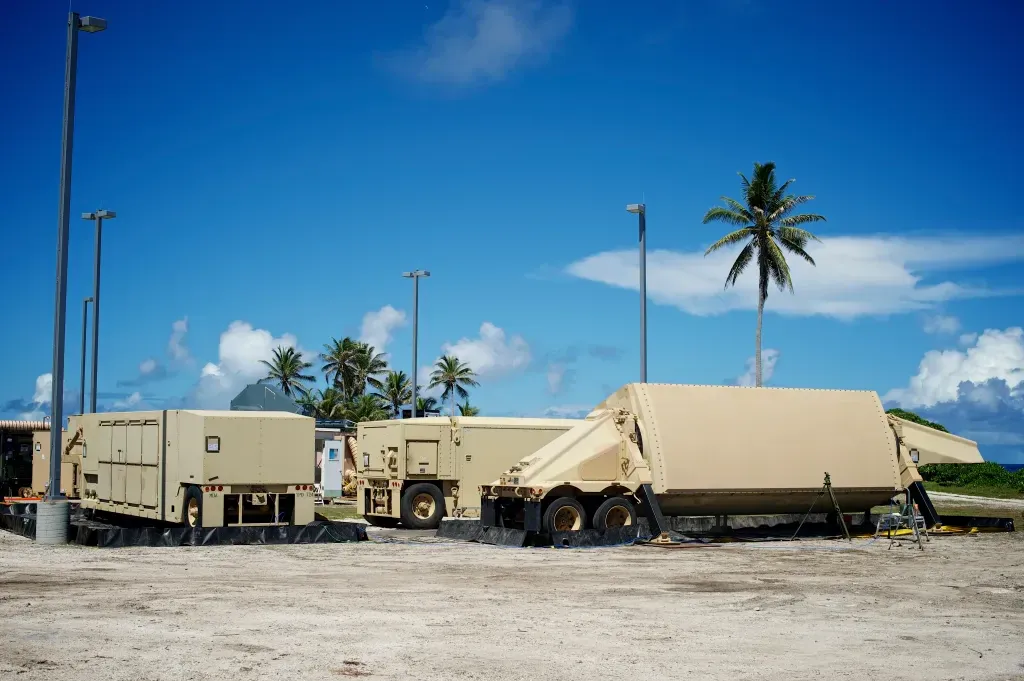
New satellite imagery suggests that several rare US AN/TPY-2 missile-tracking radars, a critical component of the THAAD ballistic missile defense system, may have been damaged in recent Iranian strikes across the Middle East.
We bring you stories from the ground. Your support keeps our team in the field.
The suspected attacks took place between late February and early March and may have affected radar sites in the United Arab Emirates, Jordan, and Saudi Arabia, according to Defense Express on March 9.
If confirmed, the incident would involve up to four AN/TPY-2 radars, systems that play a central role in detecting and tracking ballistic missiles.
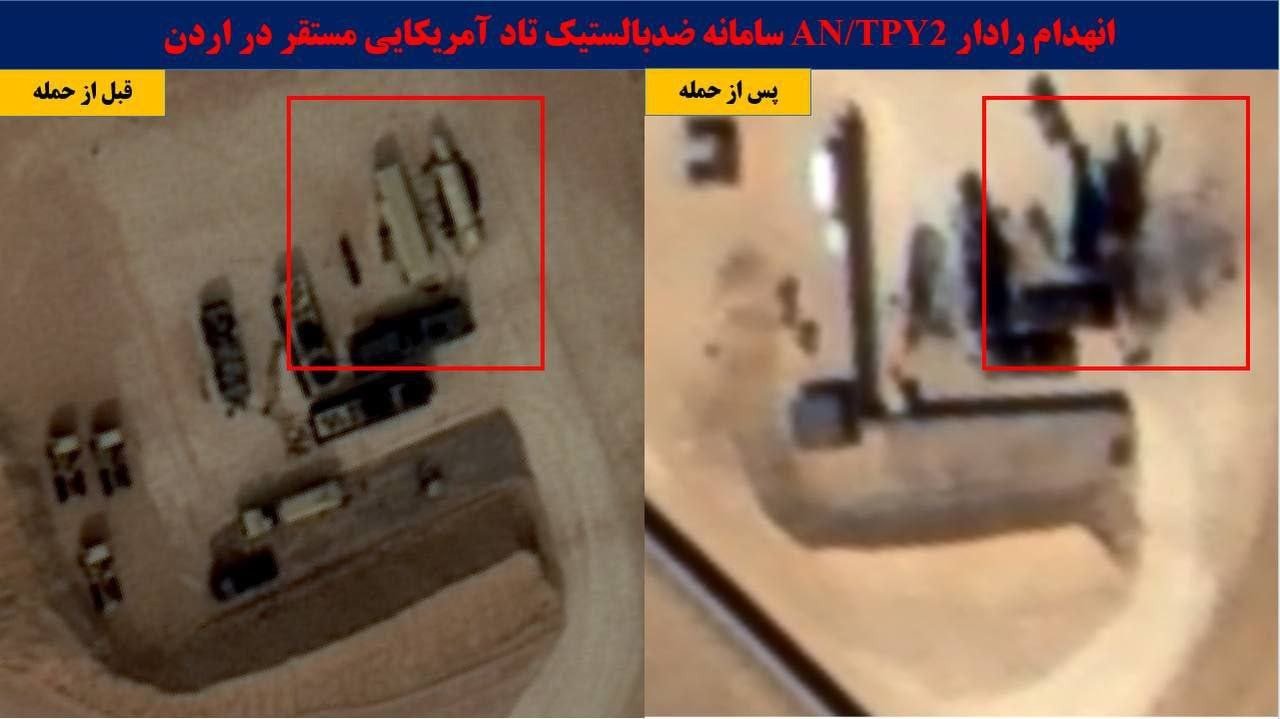
Early reports on March 4 indicated that two radars may have been struck—one near Al-Ruwais in the UAE and another at Muwaffaq Salti Air Base in Jordan. Subsequent satellite imagery and open-source analysis later suggested possible damage to two additional radar positions: another site in the UAE near Al-Sadr and one at Prince Sultan Air Base in Saudi Arabia.
The outlet reports that satellite photos circulating online appear to show smoke, impact marks, or damaged equipment at locations where AN/TPY-2 radars had previously been deployed.
The Radar sites in Al Ruwais & Al Sader are identical, both hit with accuracy.https://t.co/jbNEnkgJAg pic.twitter.com/MUYfNJM87L
— MenchOsint (@MenchOsint) March 6, 2026
A photograph allegedly showing a destroyed radar in Jordan has also appeared online. Although Defense Express notes that the image may have been generated using artificial intelligence and should therefore be treated with caution.
Several US defense publications, including The War Zone, have also highlighted the potential implications of such attacks, describing them as a significant threat to regional missile defense infrastructure.
The exact weapons used in the strikes remain unclear. Based on the visible damage patterns, analysts cited by the outlet suggest that unmanned aerial vehicles similar to the Iranian-designed Shahed-136 may have been involved.
A satellite image taken on March 1 shows smoke rising from a radar site near the Prince Sultan Air Base in Saudi Arabia, where dozens of American planes are stationed.
— Gianluca Mezzofiore (@GianlucaMezzo) March 6, 2026
At the site, a tent previously used to shelter a radar system for a nearby THAAD battery was badly charred and… pic.twitter.com/rSbEdtOvwf
The AN/TPY-2 radar is one of the most advanced missile-tracking systems in the US arsenal and serves as the primary sensor for the Terminal High Altitude Area Defense (THAAD) system. Operating in the X-band (8.55–10 GHz) and built using gallium nitride (GaN) technology, the radar provides high-resolution tracking of ballistic targets.
According to Defense Express, the system has an instrumented detection range of roughly 1,000 kilometers, with some estimates suggesting the capability to track targets at distances exceeding 2,000 kilometers. Each THAAD battery typically relies on a single AN/TPY-2 radar to perform early detection and fire-control functions.
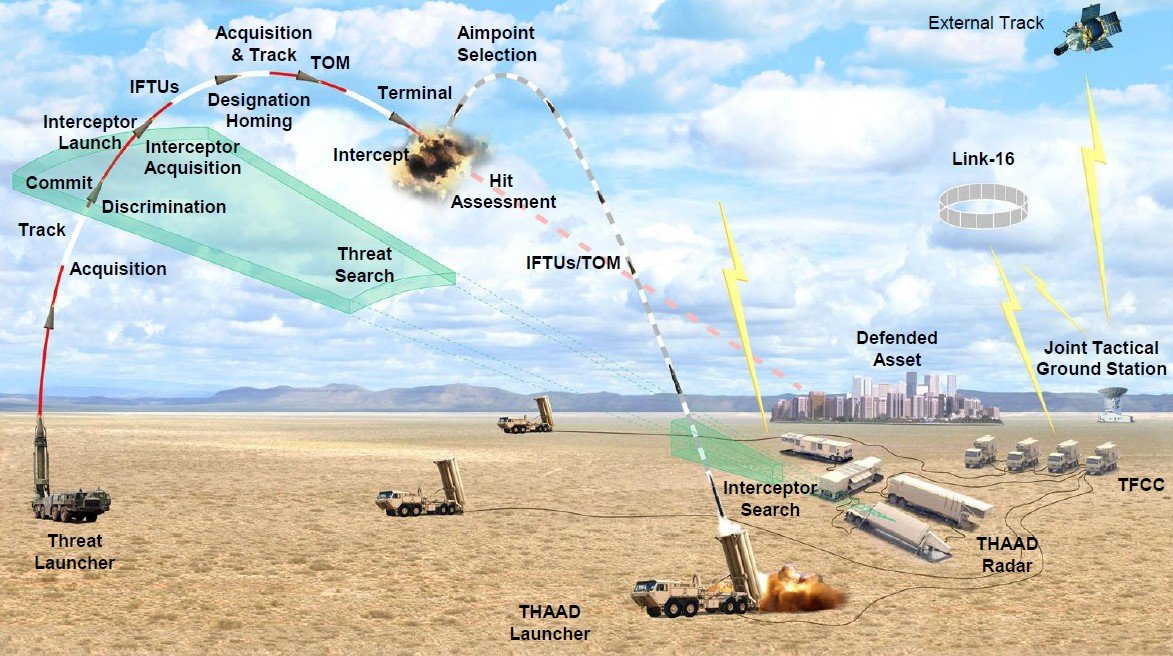
The radars are also connected to broader air and missile defense data networks, meaning the information they collect can be shared with other air defense systems operating in the region.
Only around 20 AN/TPY-2 radars have been produced since the 1990s, and the estimated cost of each unit ranges from $500 million to $1 billion. Because of the limited number of systems available, replacing damaged radars could take years.
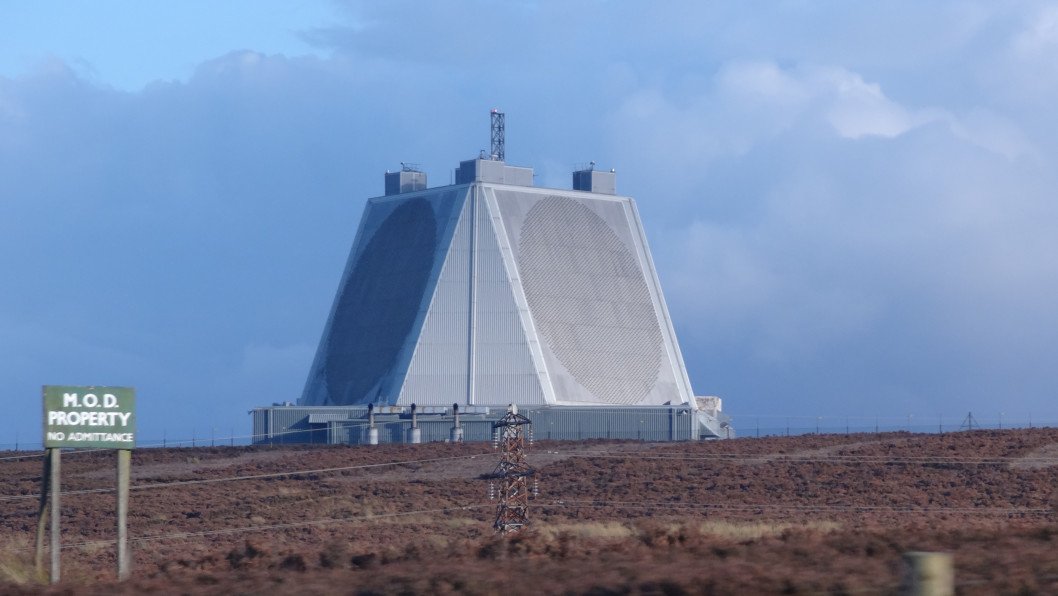
The outlet reports that if several units were indeed disabled, the United States may need to redeploy radars from other locations, including potentially from within the US, to restore missile-defense coverage in the Middle East.
According to Defense Express, even if the radars were not fully destroyed, the ability of drones or other weapons to strike their positions raises questions about the protection of high-value missile defense assets, which are typically surrounded by multiple layers of air defense.
Earlier, US officials said Russia had been sharing intelligence with Iran on the location of American warships and aircraft in the Middle East, potentially helping Tehran carry out more precise strikes on US military infrastructure in the region, according to The Washington Post.
Discuss this article:
-4a56a6b482ec132402c16ef6fcabf9a2.png)


-c439b7bd9030ecf9d5a4287dc361ba31.jpg "Photo of Katherina Popilnichenko")