- Category
- World
Russia Moving Toward Fully Controlled Digital Space, Ukrainian Intelligence Says
 Prefer U24 Media on Google
- Authors

-c439b7bd9030ecf9d5a4287dc361ba31.jpg "Photo of Katherina Popilnichenko")
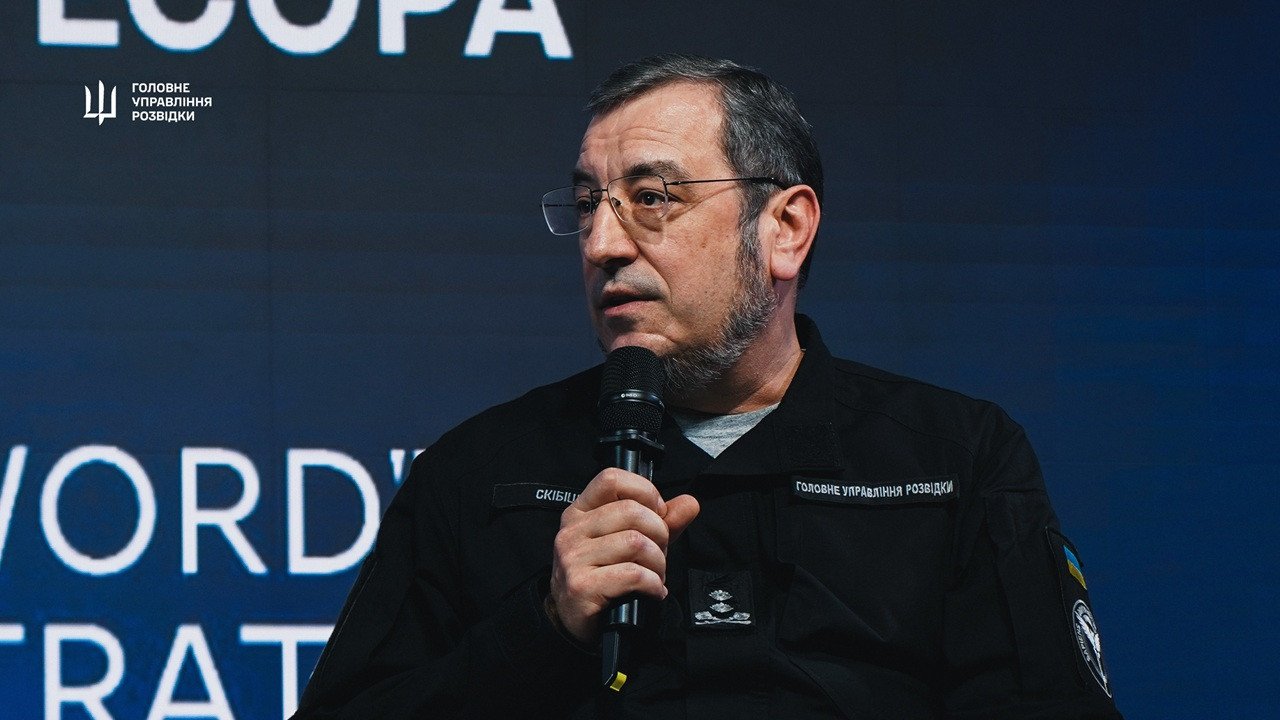
The Russian government has long been establishing a closed digital space under the total control of its security services, according to Vadym Skibitskyi, a representative of Ukraine’s Main Directorate of Intelligence (HUR) on May 21.
Speaking at the Kyiv StratCom Forum 2026, Skibitskyi explained that the current restrictions on global platforms in Russia are part of a long-term strategy to isolate society and redirect users to domestic digital services monitored by Russian intelligence.
We bring you stories from the ground. Your support keeps our team in the field.
Despite these heavy restrictions, international platforms remain highly popular among Russian citizens, with current usage statistics showing Telegram at 71%, WhatsApp at around 60%, TikTok at around 54%, and YouTube at around 53%.
However, Ukrainian military intelligence estimates that these numbers could decrease significantly over the next few years.
“What is happening in Russia did not start today and not even in 2022. The isolation of society was the basis of the stability of the Putin regime,” Vadym Skibitskyi said.
Following the initial blocks on Facebook and Instagram in 2022, the Russian government moved to restrict YouTube. By 2026, the state expanded this campaign to tighten its grip over Telegram, WhatsApp, and TikTok.
This gradual elimination of access to international platforms does more than just push out independent information. It actively strengthens the reach of state-controlled resources while fostering an environment of fear and self-censorship.
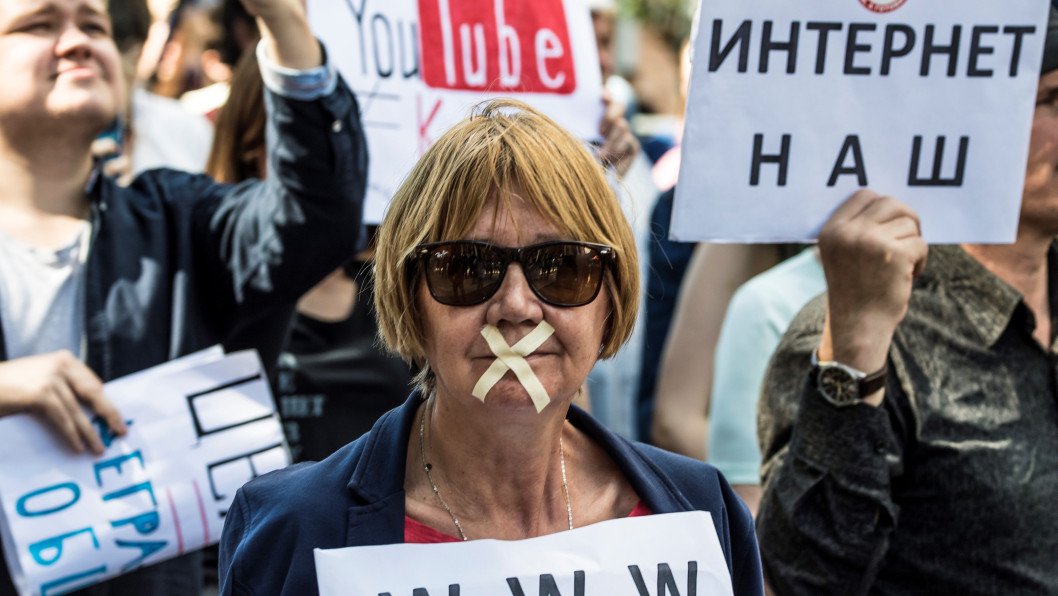
“To the extent that state censorship is serious and to the extent that security services control media resources—to that extent, people are simply afraid to post certain narratives and content because they can be punished for it,” Skibitskyi stated.
Despite the digital blockade, Ukrainian intelligence agencies are continuously working to counter Kremlin censorship and ensure that accurate information reaches people inside the Russian Federation.
“We will do everything to deliver true and genuine information to the consumer on the territory of the informationally isolated Russian Federation,” the HUR representative emphasized.
In March 2026, Russia actively implemented a nationwide “white list” system that restricted internet access exclusively to government-approved websites, applications, and key communication nodes.
The measure, confirmed by Andrei Svintsov, Deputy Chairman of the State Duma’s Information Policy Committee, encompassed essential digital services such as banking apps, marketplaces, mobile operators, email providers, and digital cash registers.
Although officials claimed the infrastructure would become fully operational within two to three weeks, the rollout immediately paralyzed connectivity across the country, activating the system in 71 Russian regions and triggering outright mobile internet blackouts in 68 regions.
Discuss this article:
-9bd5e1532102621f8fb1c4ba871a3171.png)