- Category
- World
Russia Cashes In on Iran War as Oil Revenues Jump 39% in May
 Prefer U24 Media on Google
- Authors

-72b63a4e0c8c475ad81fe3eed3f63729.jpeg "Photo of Cyril Barabaltchouk")
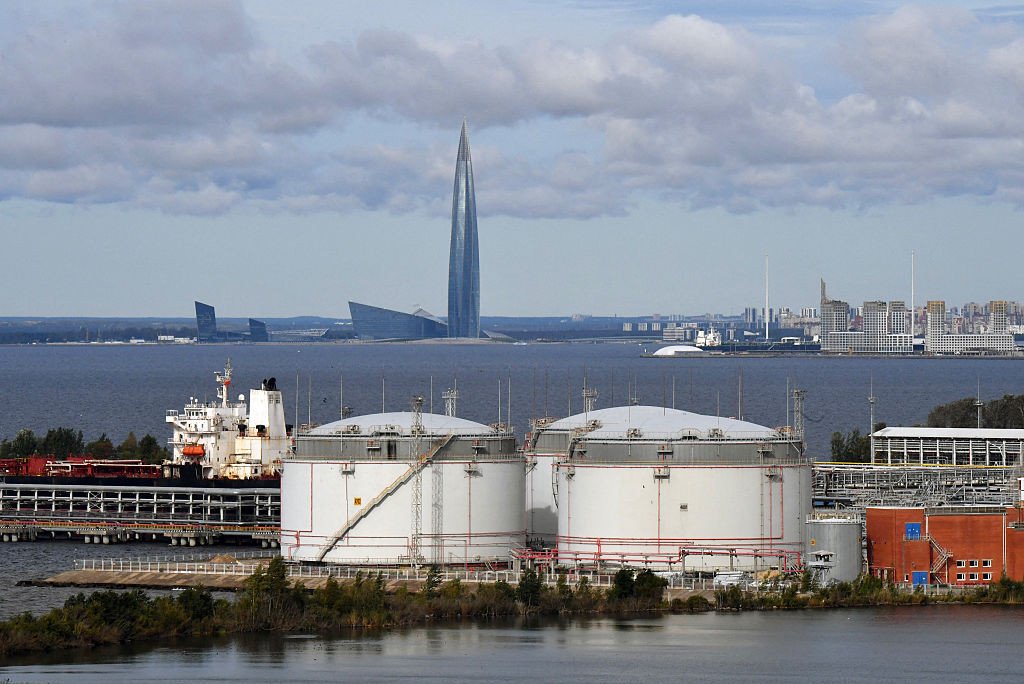
Russia’s state oil and gas revenues are projected to surge by 39 percent year-on-year this May, reaching 700 billion rubles ($9.8 billion), according to calculations published by Reuters on May 20.
The increase is primarily driven by a global oil price rally fueled by the ongoing US-Israeli war in Iran, the outlet claims.
We bring you stories from the ground. Your support keeps our team in the field.
Despite the annual jump, May’s revenues are expected to decline by approximately 17 percent compared to April. Reuters attributes this month-over-month drop to cyclical profit-based tax payments and increased government subsidies directed to domestic refineries, which are paid out through reverse excise taxes and dampener mechanisms.
Reuters notes that oil and gas taxes account for roughly a fifth of Russia’s total budget income and serve as the Kremlin’s primary financial lifeline. These funds are increasingly critical as Moscow’s finances remain heavily strained by the massive defense and security spending required to sustain its ongoing war in Ukraine.

As the world’s third-largest oil producer behind the United States and Saudi Arabia, Russia has emerged as a main beneficiary of the Middle Eastern conflict, which began in late February, Reuters wrote.
Despite the recent price bump, Russia’s broader energy revenue trajectory remains troubled. According to Reuters, federal oil and gas income actually declined by about a third year-on-year between January and May, falling to 3 trillion rubles ($42 billion).
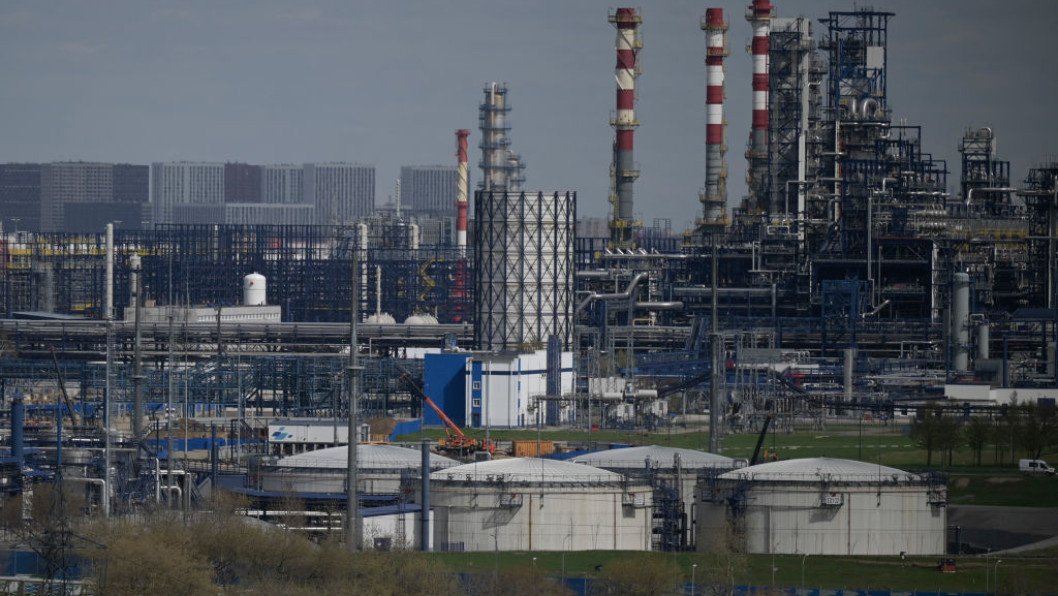
Looking ahead, the Russian government’s 2026 budget forecasts total oil and gas revenues of 8.92 trillion rubles ($124.9 billion), contributing to a total projected budget of 40.283 trillion rubles ($563.9 billion), according to Reuters.
The Kremlin is heavily relying on a market rebound after last year’s federal energy revenues plunged 24 percent to 8.48 trillion rubles ($118.7 billion), marking the lowest level since 2020.
Even with May’s projected revenue bump, the early-year slump in oil and gas income has already blown a hole in the federal budget—forcing the Kremlin to liquidate its sovereign wealth at a historic pace. The Central Bank of Russia had shrunken its physical gold reserves for the fourth consecutive month in April, marking the sharpest four-month decline since 2002.
Total holdings dropped by 900,000 ounces between January and April as the government scrambled to finance a budget shortfall that reached 4.6 trillion rubles ($51.1 billion) by the end of March.
It was reported that the central bank is now executing real market sales, exchanging physical gold for Chinese yuan to manage the ruble’s exchange rate and directly compensate for those weak early-year energy revenues.
Discuss this article:








-c439b7bd9030ecf9d5a4287dc361ba31.jpg "Photo of Katherina Popilnichenko")