- Category
- World
Ukrainian Drone Strikes Disrupt Major Oil Refineries Across Central Russia in May
 Prefer U24 Media on Google
- Authors

-72b63a4e0c8c475ad81fe3eed3f63729.jpeg "Photo of Cyril Barabaltchouk")
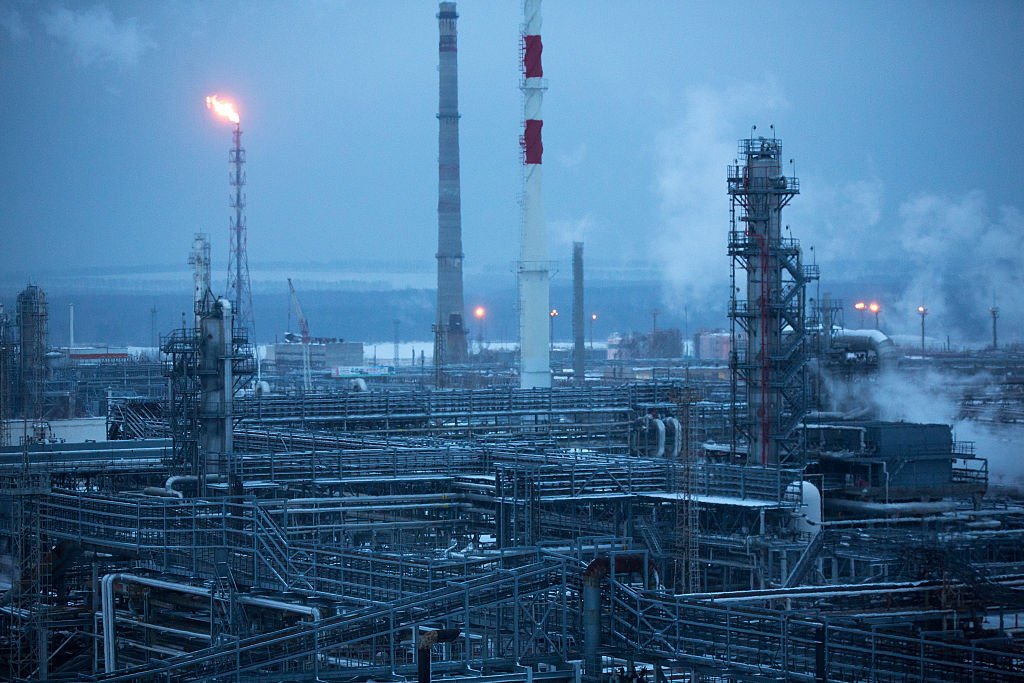
Ukrainian drone strikes have forced virtually all major oil refineries in central Russia to halt or reduce fuel production, according to official data and sources cited by a Reuters report on May 20.
The combined capacity of the affected facilities exceeds 83 million metric tons per year, or roughly 238,000 tons per day. This severe disruption accounts for approximately 25 percent of Russia’s total refining capacity, representing over 30 percent of the nation’s total gasoline output and 25 percent of its diesel production.
We bring you stories from the ground. Your support keeps our team in the field.
Recent targets include the Moscow oil refinery, the Kirishi plant in western Russia, and facilities in Ryazan, Yaroslavl, and Nizhny Novgorod. According to Reuters, the Kirishi refinery—one of Russia’s largest, with an annual capacity of 20 million metric tons—has been fully shut down since May 5.
Meanwhile, the Kstovo refinery, which processes 17 million tons annually, was attacked on May 20, leaving it unclear whether the plant is still maintaining partial operations.

The escalating strikes on energy infrastructure, which have also damaged pipelines and storage facilities, are reducing Russia’s overall oil output and adding significant pressure to Moscow’s federal budget, Reuters wrote.
Oil and gas taxes account for roughly a quarter of Russia’s national revenue, and Reuters reports that the production drops have already forced the government to introduce a domestic gasoline export ban lasting from April through the end of July.
Ukraine has doubled the number of its drone attacks on Russian oil refineries since the beginning of the year, based on social media posts by Russian officials compiled by Reuters. The Russian Energy Ministry did not reply to a request for comment regarding the widespread production halts and economic impacts.
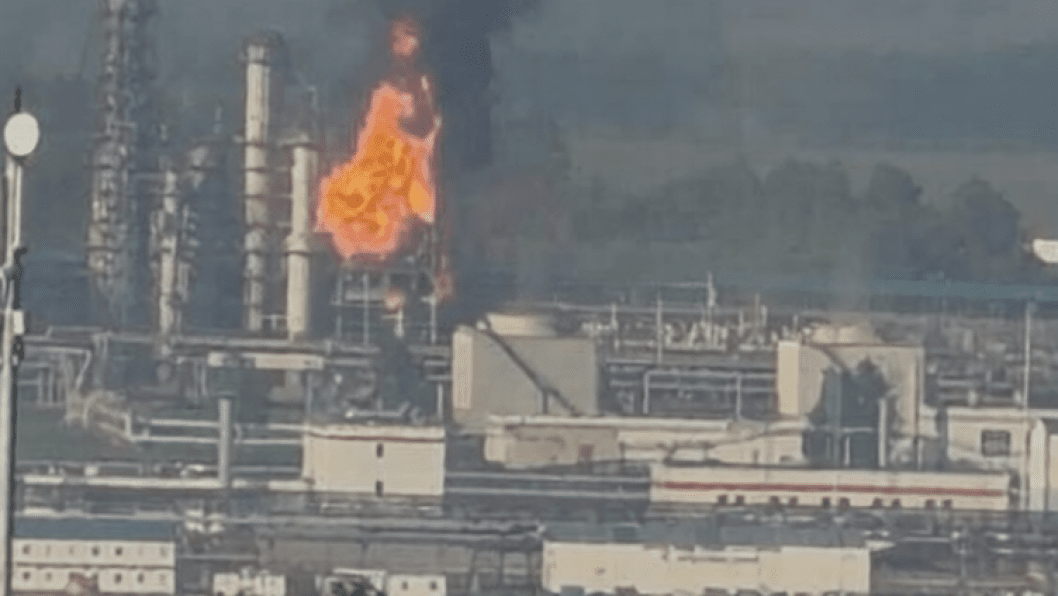
The physical disruptions at these refineries align with internal Russian assessments highlighting severe economic strain. Ukrainian President Volodymyr Zelenskyy had recently revealed that Ukraine’s Foreign Intelligence Service obtained classified Russian documents confirming mounting financial fallout from the war and targeted strikes.
According to Zelenskyy, the intelligence indicates that Russian oil refining volumes declined by at least 10 percent earlier in 2026 due to Ukraine’s “long-range sanctions,” while one Russian oil company was forced to suspend operations at roughly 400 active wells.
In addition to the energy sector, the leaked documents detailed growing instability in Russia’s financial system—with 11 institutions preparing for liquidation—and a federal budget deficit that had already reached nearly $80 billion by May.
Discuss this article:








-c439b7bd9030ecf9d5a4287dc361ba31.jpg "Photo of Katherina Popilnichenko")