- Category
- World
Putin’s China Trip Ends Without “Power of Siberia-2” Pipeline Deal
 Prefer U24 Media on Google
- Authors

-72b63a4e0c8c475ad81fe3eed3f63729.jpeg "Photo of Cyril Barabaltchouk")
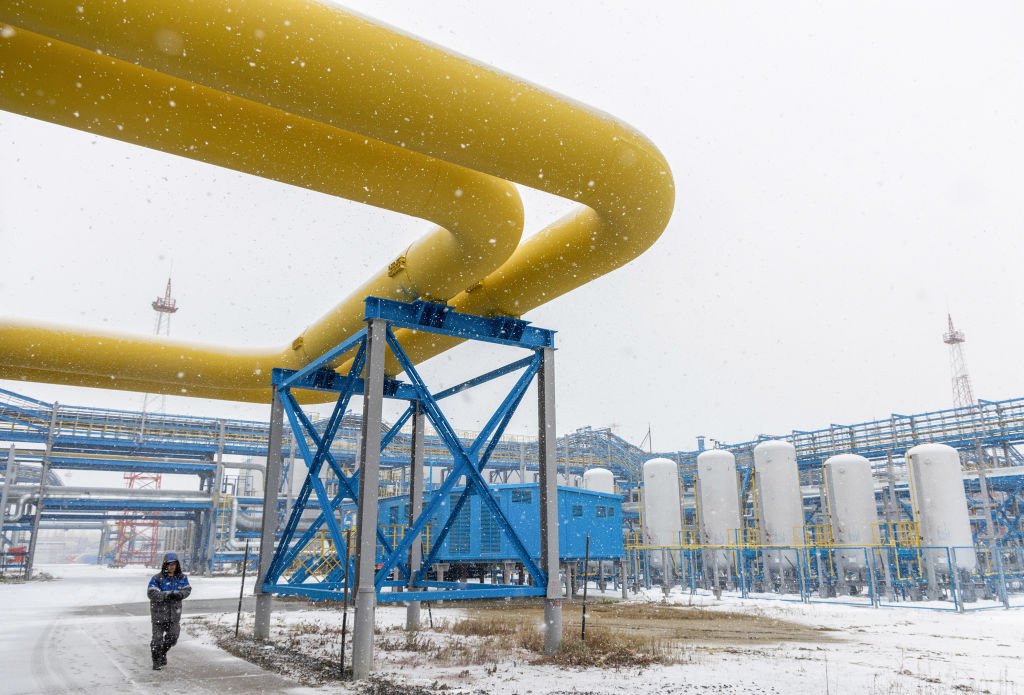
Russian leader Vladimir Putin’s fifth visit to China since the start of the full-scale war against Ukraine—and his 25th overall—concluded without a finalized agreement on the long-discussed “Power of Siberia-2” gas pipeline, according to a report by The Moscow Times.
Despite Putin arriving with a massive delegation that included five deputy prime ministers, eight cabinet ministers, and the heads of state energy giants Gazprom and Rosneft, none of the 40 bilateral documents signed during the summit mentioned the new pipeline or oil and gas cooperation.
We bring you stories from the ground. Your support keeps our team in the field.
The proposed infrastructure project has been under discussion for over a decade and is designed to export up to 100 billion cubic meters of Russian gas to China annually.
According to The Moscow Times, Kremlin spokesman Dmitry Peskov downplayed the lack of a finalized deal, stating that the pipeline’s route and “basic parameters of understanding” have been agreed upon, leaving only certain “nuances” to be negotiated. However, Peskov acknowledged to Interfax that there is still no clear timeline for the project’s implementation, attributing the delay to commercial confidentiality.
The primary stumbling block for the pipeline—which Gazprom desperately needs to offset the loss of its European markets—remains the price. The Financial Times (FT) previously reported that Beijing is demanding gas prices close to Russia’s heavily subsidized domestic rates, roughly $50 per 1,000 cubic meters.
-8bd20d1b802484bded4952b78a0e7c3d.jpg)
This is significantly lower than the $258 China currently pays and a fraction of the $420 Gazprom charges other foreign clients. Furthermore, the FT noted Beijing is hesitant to commit to massive new gas imports amid internal concerns that its domestic demand may have already peaked.
The delay is a major setback for Gazprom, whose exports beyond the former Soviet bloc have plummeted to late-1980s lows, The Moscow Times notes. China currently purchases 38 billion cubic meters of Russian gas annually, accounting for half of Gazprom’s remaining long-haul exports.
The Russian government aims to increase that figure by 47% to 56 billion cubic meters by the end of the decade, relying on a new Far Eastern route and the expansion of the existing Power of Siberia-1 pipeline.
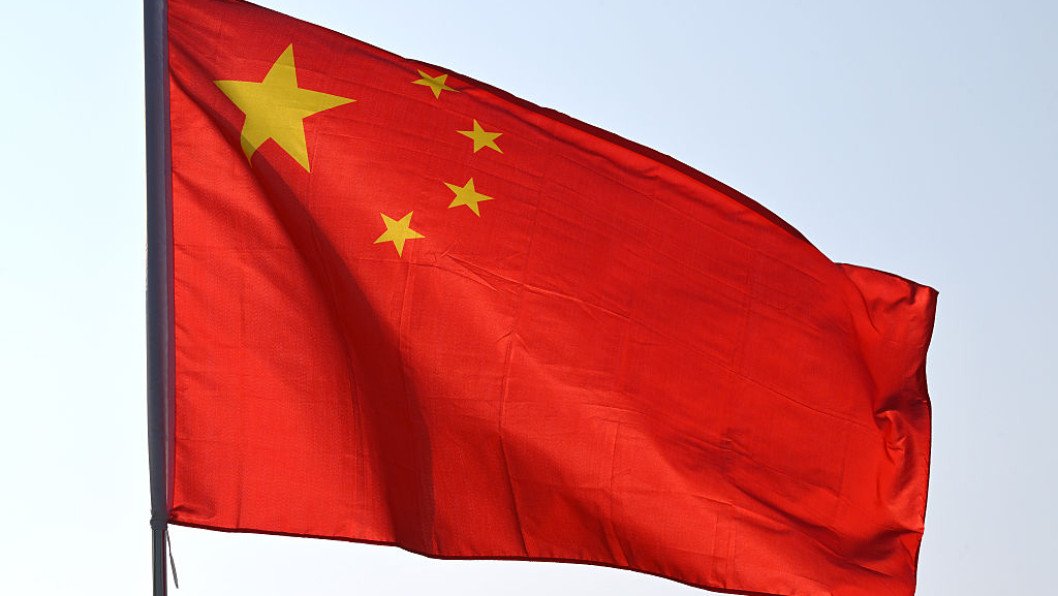
The failure to finalize the pipeline agreement contrasts with the grand diplomatic messaging surrounding the Beijing summit. Putin and Chinese leader Xi Jinping had signed a declaration on May 20 outlining the creation of a “multipolar world” and a “new model of international relations.”
While Putin touted energy cooperation as the driving force behind bilateral ties, claiming relations had reached an “unprecedentedly high level,” the highly anticipated Power of Siberia-2 project remained notably absent from the roughly 20 cooperation documents signed by the two nations.
The summit did yield an extension of a mutual visa-free travel arrangement through 2027, but the lack of a definitive gas contract highlights the practical limits of Moscow’s economic pivot to Beijing.
Discuss this article:
-9bd5e1532102621f8fb1c4ba871a3171.png)





-c439b7bd9030ecf9d5a4287dc361ba31.jpg "Photo of Katherina Popilnichenko")