- Category
- War in Ukraine
How Ukraine’s Drone Campaign Brought the War to Moscow

For most Russians, the war once felt distant—something happening hundreds of kilometers away in Ukraine. That changed in May 2023, when drones exploded above the Kremlin itself.
 Prefer U24 Media on Google
- Authors


Since 2023, Ukraine’s long-range drone campaign against Moscow and the surrounding region has evolved from symbolic flyovers into coordinated mass attacks targeting oil refineries, military-linked industry, air defense systems, logistics hubs, and strategic infrastructure.
Over the past three years, the scale of these attacks has increased dramatically. What began with isolated drone incidents in 2023 turned into waves involving dozens—and later hundreds—of drones striking deep inside Russia, according to analysis by Russian outlet Meduza.
May 3: Drones reach the Kremlin
The first major psychological breakthrough came when two drones exploded above the Senate Palace inside the Moscow Kremlin. Russian authorities claimed both UAVs were intercepted by air defenses.
The strike marked the first time drones reached the symbolic center of Russian state power and demonstrated that Moscow itself was no longer untouchable.
July and august 2023: Moscow-City and military-linked targets
Throughout July and August 2023, drone attacks on Moscow became increasingly frequent.
On July 24, drones struck two non-residential buildings in Moscow. One of the targets was reportedly linked to offices associated with Russia’s GRU-linked cyber operations, including infrastructure connected to the Fancy Bear hacking group.
Less than a week later, on July 30, drones again penetrated Moscow’s air defenses, damaging towers in the Moscow-City business district.
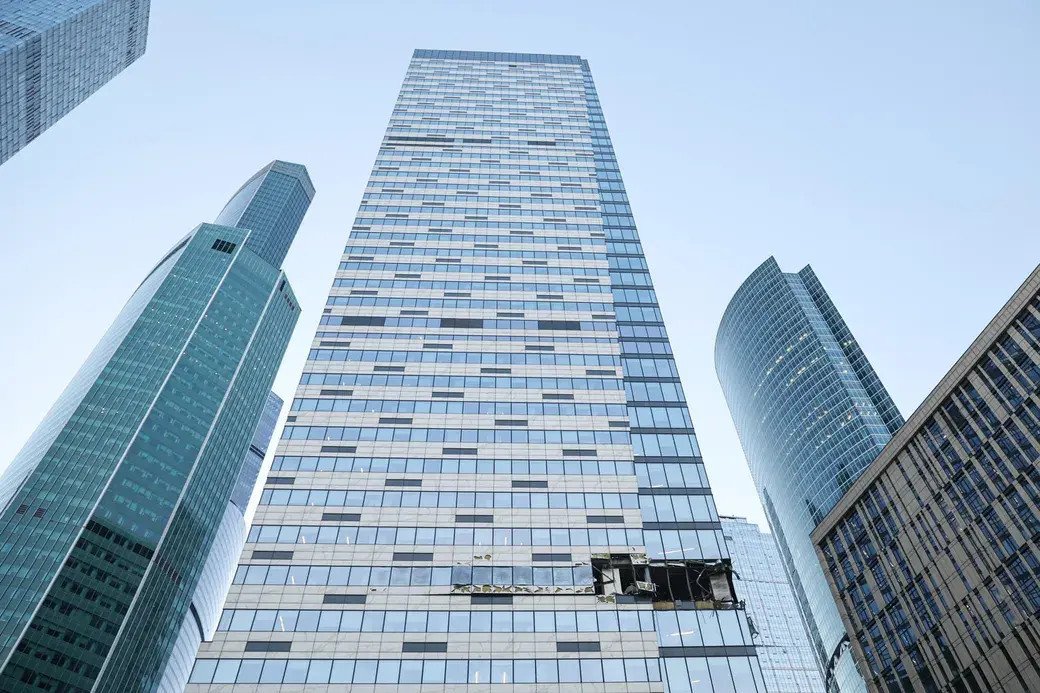
Another strike followed on August 1, when drones once again reached Moscow-City despite intensified Russian electronic warfare and air defense measures around the capital.
September 2024: Shift toward energy and strategic infrastructure
By 2024, attacks increasingly focused on infrastructure connected to Russia’s military economy.
On September 1, 2024, Russian authorities reported drone interceptions over Moscow while explosions and fires were recorded near the Moscow Oil Refinery in Kapotnya.
The refinery is one of the key fuel-processing facilities supplying the Moscow region.
March 2025: The first large-scale drone assault on Moscow region
On March 11, 2025, Moscow faced what Russian officials described as the largest drone attack since the start of the full-scale war.
Moscow Mayor Sergey Sobyanin claimed Russian air defenses intercepted more than 70 drones approaching the capital, while Russia’s Defense Ministry later reported over 90 drones downed across the Moscow region alone.
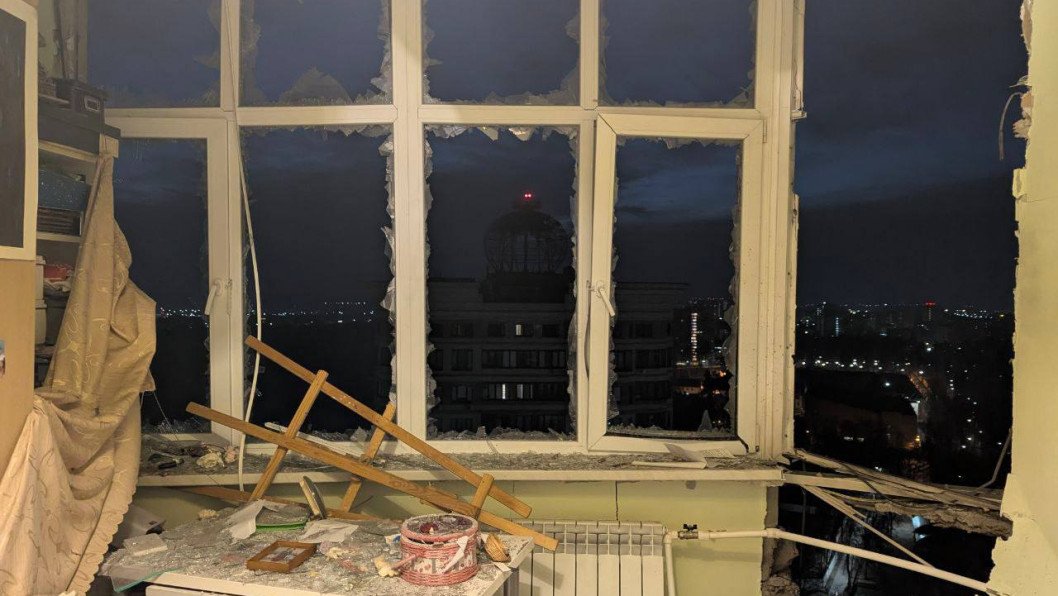
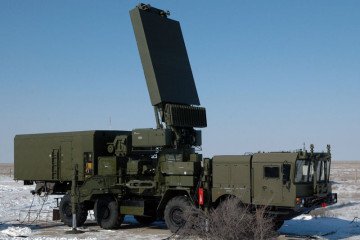
Despite heavy use of Pantsir-S1 air defense systems and electronic warfare units, numerous drones reportedly penetrated Russian airspace and struck targets across the region.
Explosions and fires were reported in multiple districts overnight as the attack disrupted operations at Moscow’s Zhukovsky and Domodedovo airports. Russian authorities also reported damage near railway infrastructure and industrial facilities in the Moscow region.
Ukraine’s General Staff later confirmed that the Moscow Oil Refinery in Kapotnya was successfully struck during the operation despite Russian air defense efforts.
July 2025: Sustained multi-day pressure
In July 2025, Russian officials reported that more than 60 drones were intercepted over the Moscow region during a three-day period.
The attacks showed a shift from occasional symbolic strikes toward sustained operational pressure designed to overload Russian air defenses around the capital.
By this stage of the war, drone attacks on Moscow had become regular enough that airport disruptions, temporary airspace closures, and mobile internet restrictions increasingly accompanied large strike waves.
March 2026: Hundreds of drones and electronic warfare disruptions
Between March 14 and 16, 2026, Russian authorities reported one of the largest drone campaigns against Moscow to date.
According to Sobyanin, approximately 250 drones targeted the Moscow region over three consecutive days, including 54 drones intercepted on March 16 alone.
Russian Telegram channels linked to security services reported explosions and drone activity across multiple suburbs and satellite cities around Moscow, including Dubna, Odintsovo, Podolsk, and Korolyov.
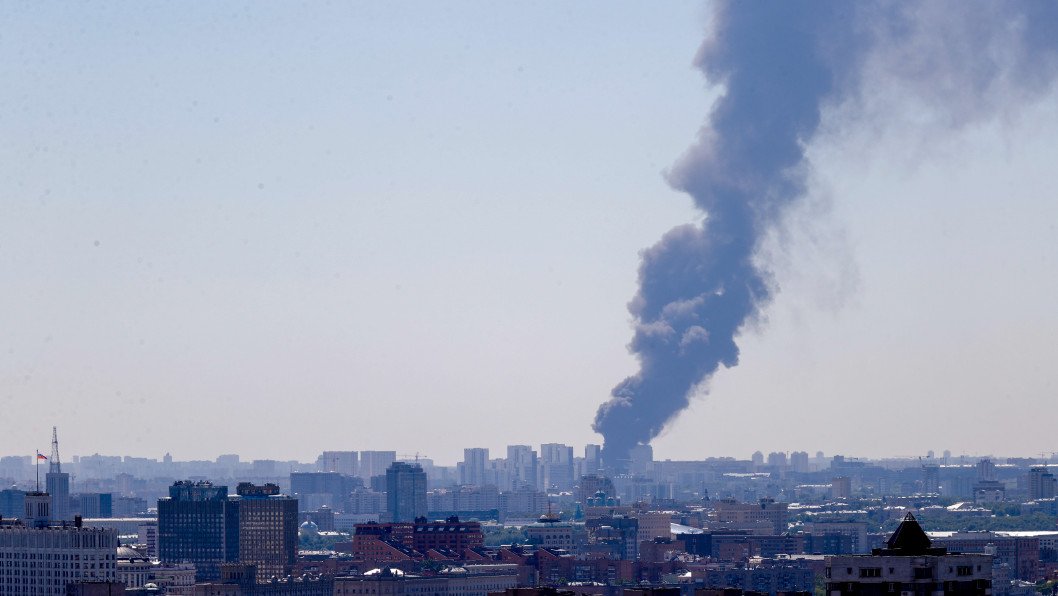
Days before the attacks, Russian authorities began restricting mobile internet access in Moscow, officially citing anti-drone security measures.
The campaign illustrated how Ukrainian drone operations were increasingly forcing Russia to adapt domestically—not only militarily, but also in communications and civilian infrastructure management.
May 17, 2026: One of the largest attacks yet
The latest large-scale attack came on May 17, 2026, when Russian officials claimed that more than 120 drones were intercepted over Moscow and the surrounding region within 24 hours.
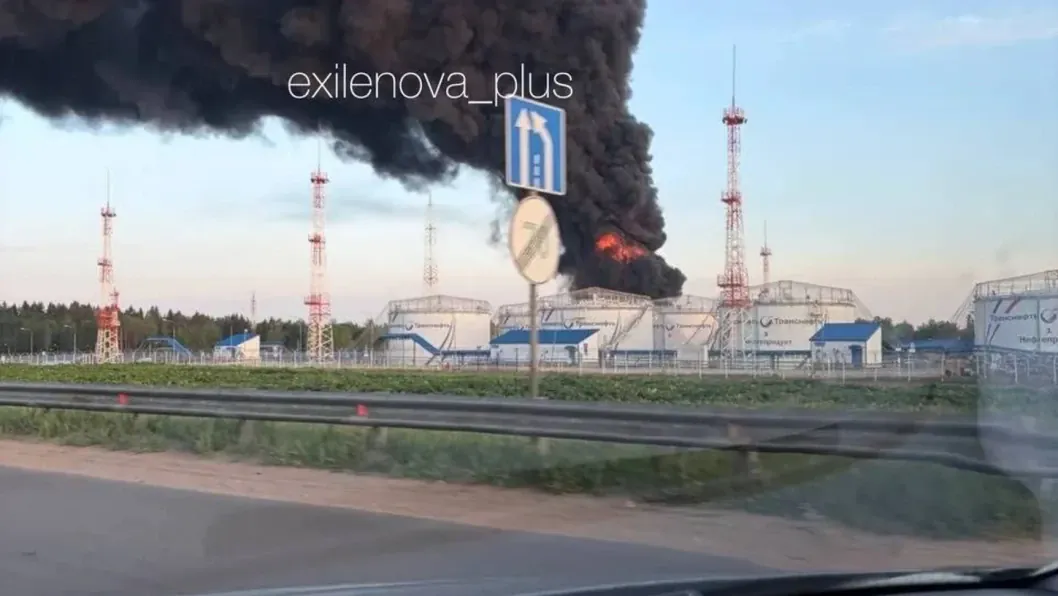
According to Russian authorities, strikes targeted infrastructure connected to the Moscow Oil Refinery in Kapotnya, the “Elma” technology park in Zelenograd—part of Russia’s microelectronics sector—and areas near Sheremetyevo Airport.
The attack once again disrupted air traffic and forced emergency measures across the capital region.
Over three years, Ukraine’s drone campaign against Moscow evolved from isolated psychological operations into a sustained strategic effort targeting Russia’s military-industrial infrastructure.
-1bc393f518194a6745c8a8292c84ff95.jpg)
The progression is visible not only in the number of drones used, but also in the sophistication of the targets: oil refineries, electronics facilities, logistics infrastructure, airports, and industrial sites tied to Russia’s defense economy.
The attacks have also forced Russia to spend enormous resources defending the capital region, deploy additional electronic warfare systems, and regularly shut down communications networks and airports during drone waves.
Earlier, President Volodymyr Zelenskyy confirmed that Ukrainian long-range drones were behind the May 17 strikes on Moscow and the surrounding region, describing the operation as a response to continued Russian attacks on Ukraine. Zelenskyy said Ukrainian “long-range sanctions” had once again reached the Moscow region despite heavy Russian air defenses and signaled that such strikes would continue unless Russia ends the war.
Discuss this article:
-9a7b3a98ed5c506e0b77a6663f5727c5.png)