- Category
- War in Ukraine
SBU Releases Photos of Russian Drone Used in Strike on Chornobyl Nuclear Fuel Facility
 Prefer U24 Media on Google
- Authors


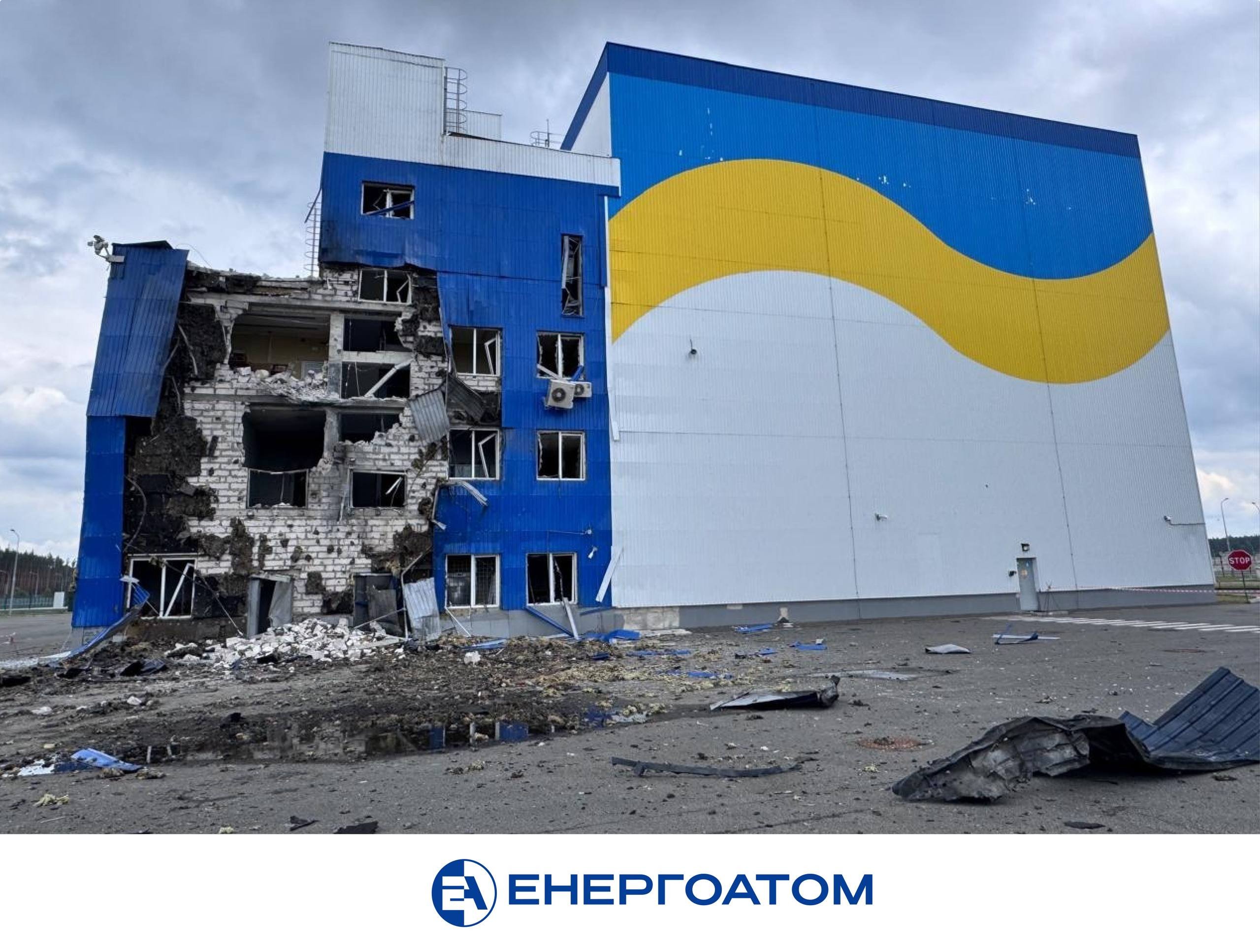
Ukraine’s Security Service (SBU) has opened a criminal investigation into a Russian drone strike on the Centralized Spent Nuclear Fuel Storage Facility near the Chornobyl Nuclear Power Plant, classifying the attack as a suspected war crime.
We bring you stories from the ground. Your support keeps our team in the field.
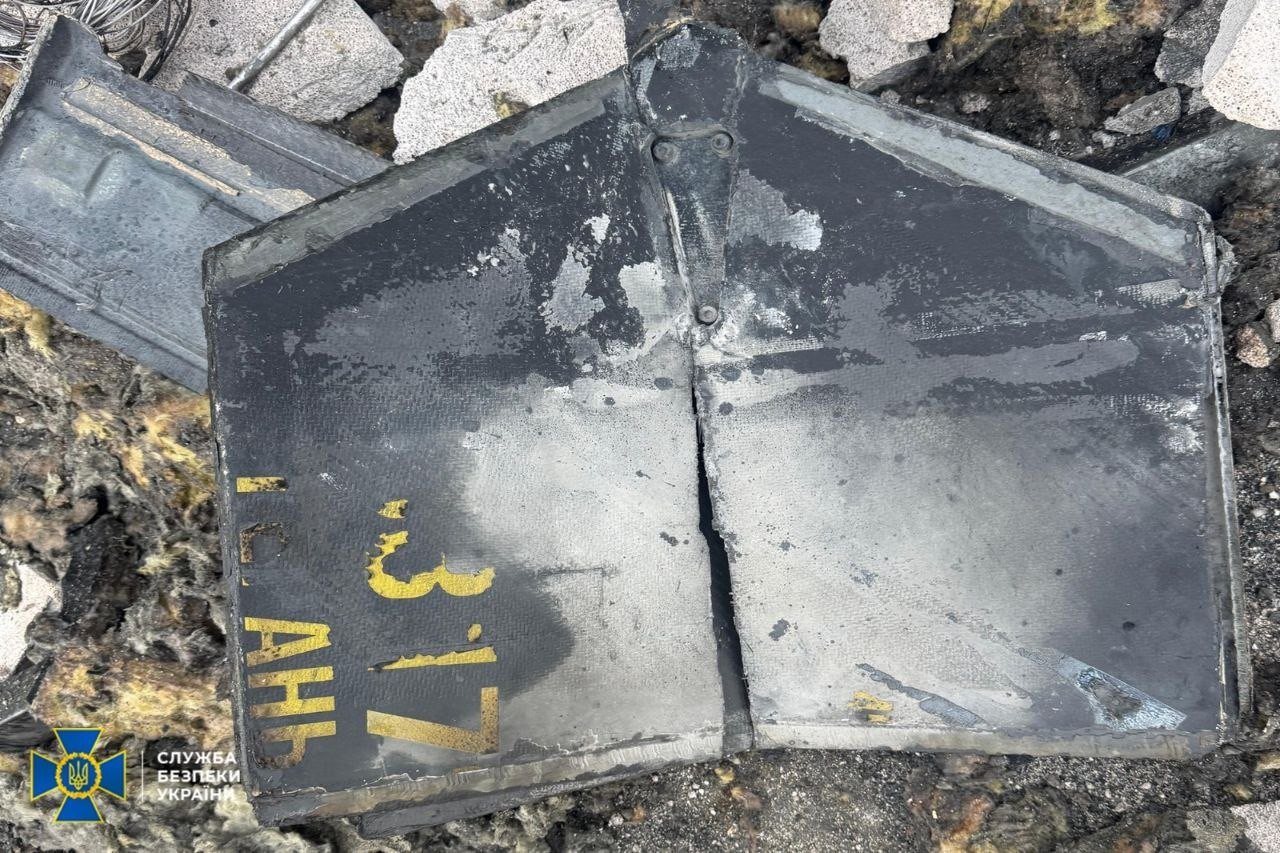
According to the SBU on June 7, Russian forces struck the facility with a Geran-2 attack drone at approximately 2:05 a.m. Fragments of the unmanned aerial vehicle were recovered and documented at the scene. The case has been opened under Article 438 of Ukraine’s Criminal Code, which covers violations of the laws and customs of war.
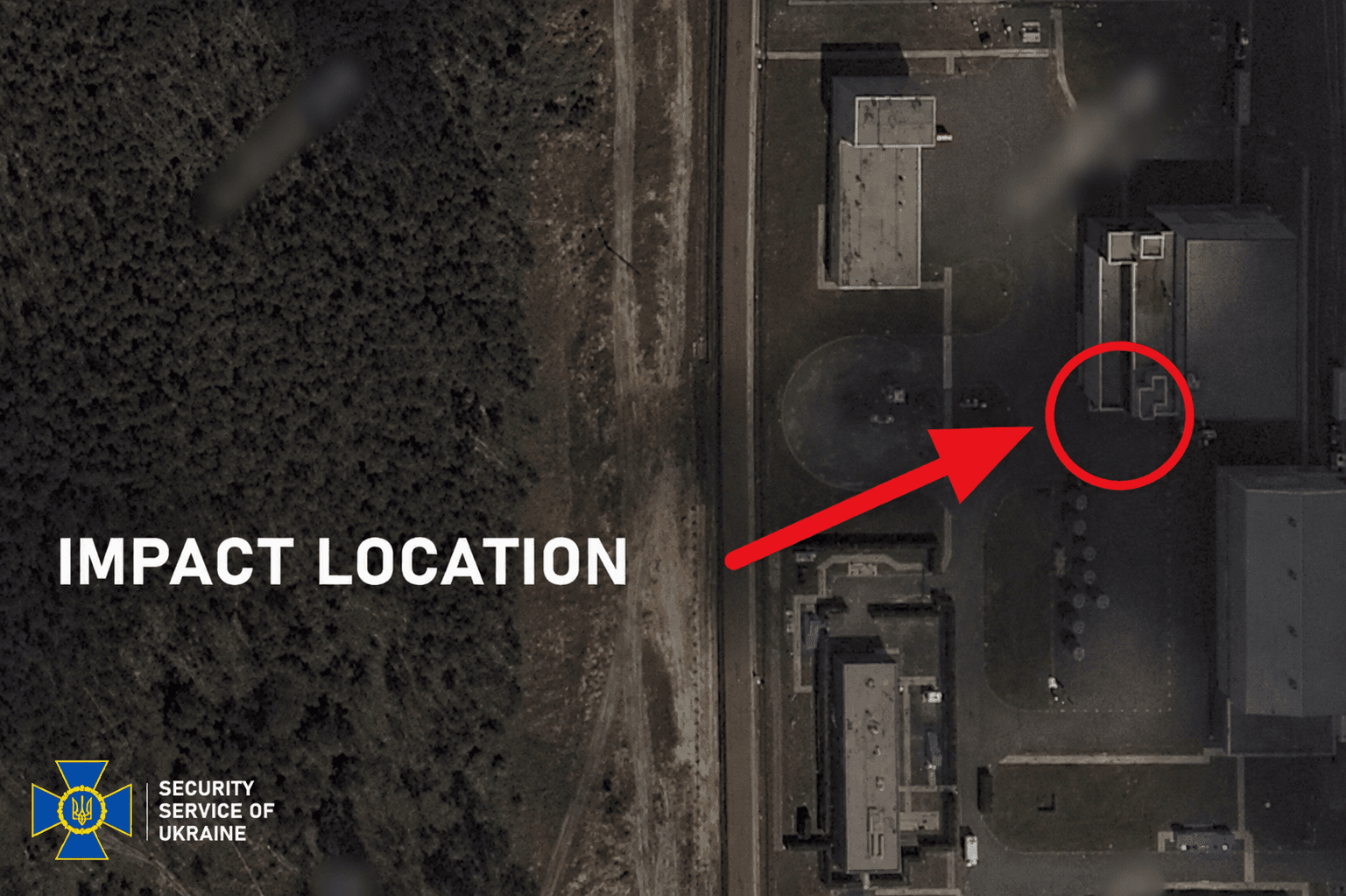
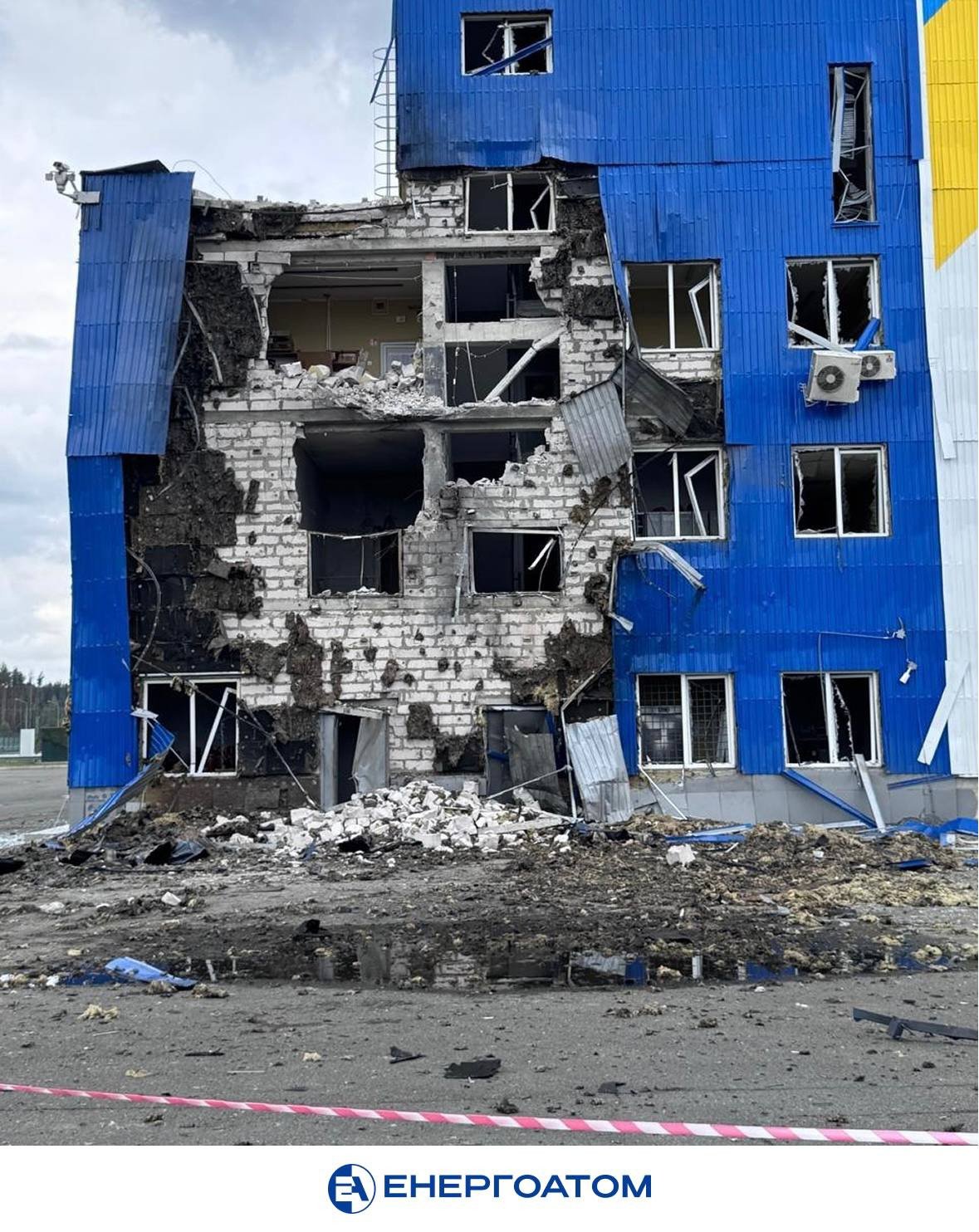
According to the SBU, the strike damaged the facility’s fuel reception and transfer building as well as an administrative building used by the International Atomic Energy Agency (IAEA). Ukrainian authorities reported that the storage facility’s operational processes were not disrupted, radiation levels remained within normal limits, and no casualties were recorded.
The investigation is being conducted by SBU investigators under the procedural supervision of the Kyiv Regional Prosecutor’s Office. Ukrainian authorities said efforts are underway to identify those responsible for the attack.

According to the IAEA on June 7, the agency has been informed about the incident and is dispatching inspectors to the Chornobyl exclusion zone to assess the extent of the damage. The agency stated that the strike caused damage to the fuel reception building, including its facade, windows, and doors, while nearby structures were also affected by the blast wave.
IAEA Director General Rafael Grossi described the incident as highly concerning because it occurred near facilities containing significant quantities of nuclear material. He stated that attacks on nuclear sites are “absolutely unacceptable and directly contradict the fundamental principles of nuclear safety during armed conflict.”
Ukrainian President Volodymyr Zelenskyy said government agencies, including the Foreign Ministry and Energy Ministry, were informing international partners about the strike.
“Russia deliberately struck this nuclear infrastructure facility. As of now, there is no excess of radiation background levels. But there is definitely an excess of Russia’s arrogance, which has long gone beyond all limits,” Zelenskyy said.
On June 7, Energoatom reported that a Russian drone hit the facility’s container reception building, causing structural damage and a fire that was later extinguished. The company stated that no spent nuclear fuel was stored inside the damaged building at the time of the attack and that radiation conditions remained within established safety limits.
Discuss this article:
-9a7b3a98ed5c506e0b77a6663f5727c5.png)