- Category
- War in Ukraine
Russian Drone Hits Nuclear Fuel Storage Site in Chornobyl Zone
 Prefer U24 Media on Google
- Authors


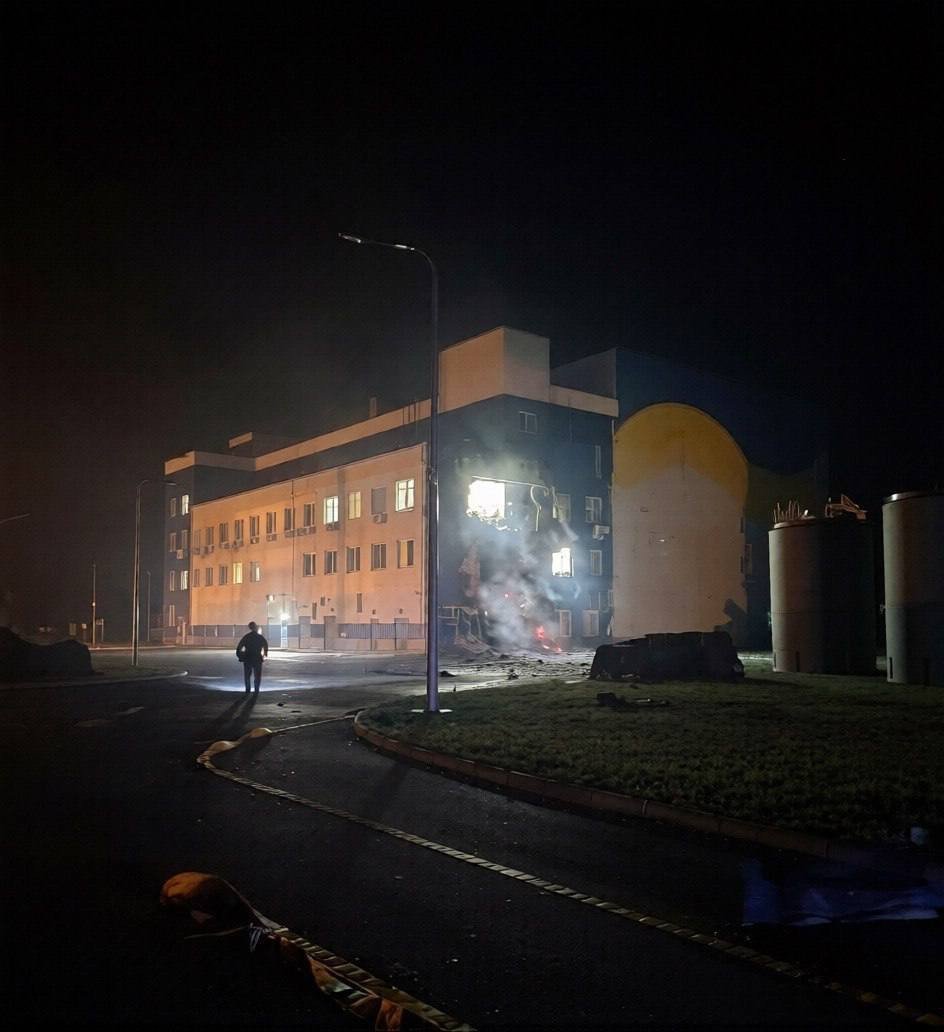
A Russian drone struck Ukraine’s centralized spent nuclear fuel storage facility in the Chornobyl exclusion zone, damaging a building used to receive fuel containers.
A Russian drone struck a building at Ukraine’s Centralized Spent Nuclear Fuel Storage Facility (CSFSF) in the Chornobyl exclusion zone early on June 7, causing structural damage and a fire, while radiation levels remained within normal limits, according to Energoatom.
We bring you stories from the ground. Your support keeps our team in the field.
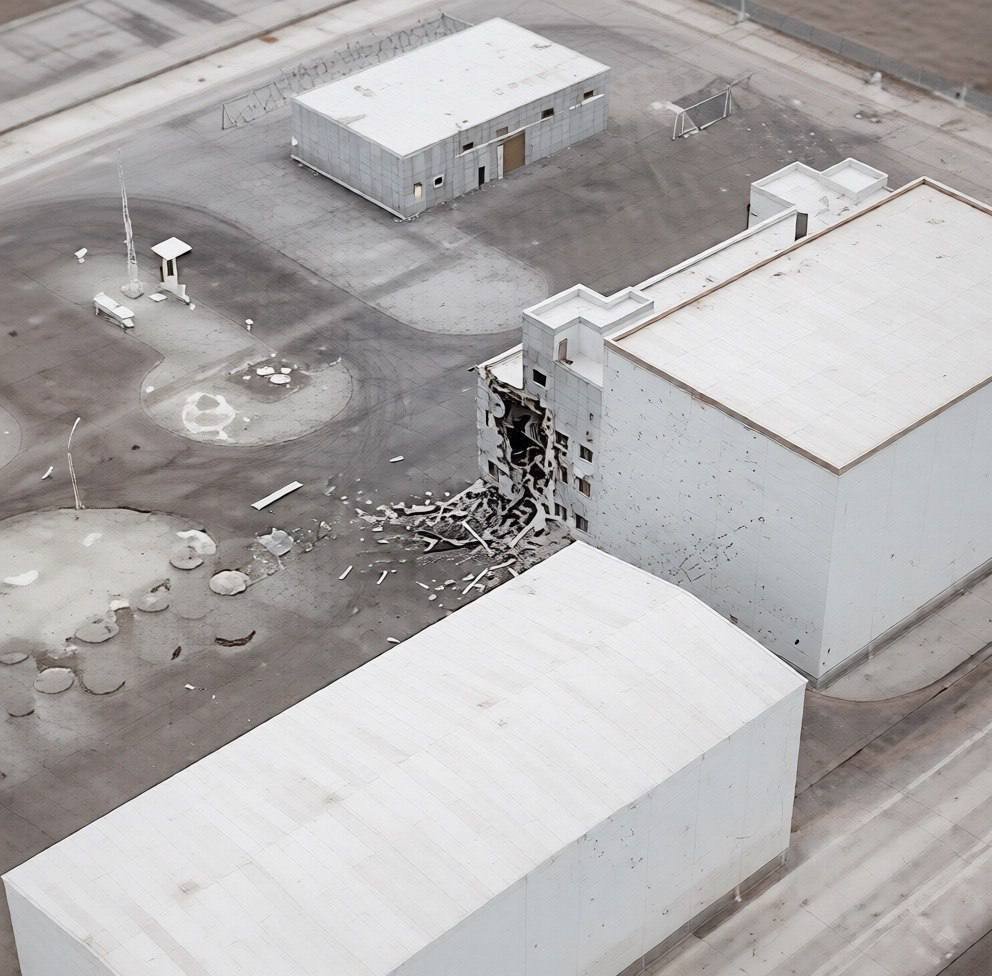
According to Energoatom on June 7, the drone hit the facility’s container reception building at approximately 2:10 a.m. local time. The impact partially destroyed the structure and sparked a fire covering around 40 square meters. The blaze was later extinguished, and no injuries among personnel were reported.
Energoatom stated that no spent nuclear fuel was stored inside the damaged building at the time of the strike. The company said radiation conditions at the site remain within established safety limits and that the situation continues to be monitored by responsible authorities.
“Once again, Russia continues to act as a terrorist state and nuclear terrorist, disregarding international law and the safety of millions of people,” Energoatom said in a statement.
The Centralized Spent Nuclear Fuel Storage Facility is located within the Chornobyl exclusion zone and serves as Ukraine’s main storage site for spent nuclear fuel from the country’s nuclear power plants.
The facility was developed with US-based Holtec International and uses dry cask storage technology, in which spent fuel is sealed inside reinforced steel-and-concrete containers designed for long-term storage.
According to Energoatom, the strike damaged a support facility used for receiving and processing storage containers before they are transferred to the main storage area. The company said the incident did not affect the stored nuclear fuel itself.
The attack follows previous incidents involving Ukraine’s nuclear infrastructure. On February 14, 2025, a Russian Geran-2 drone struck the New Safe Confinement structure covering the destroyed fourth reactor at the Chornobyl Nuclear Power Plant.
The International Atomic Energy Agency (IAEA) confirmed the strike after its personnel stationed at the site reported hearing an explosion.
Ukrainian Foreign Minister Andrii Sybiha condemned the strike, stating that Russia’s actions toward Ukrainian nuclear facilities are “systemic, deliberate, and unacceptable.” He called for increased international pressure on Russia and urged global condemnation of threats to nuclear safety.
This is not the first time Russian forces are putting Ukrainian nuclear facilities at risk. Russia’s nuclear blackmail and threats to nuclear safety are systemic, deliberate, and unacceptable. They deserve worldwide condemnation and increased pressure on the aggressor. @iaeaorg https://t.co/dqpzcG1Tfa
— Andrii Sybiha 🇺🇦 (@andrii_sybiha) June 7, 2026
According to the IAEA, radiation levels remained stable after that incident as well, although the agency later reported damage to parts of the confinement structure. The June 7 strike marks another reported attack involving nuclear-related infrastructure in the Chornobyl area, more than four years after Russian forces temporarily occupied the exclusion zone during the opening phase of the full-scale invasion.
Earlier, the International Atomic Energy Agency (IAEA) reported a sharp increase in drone activity near Ukraine’s nuclear facilities, recording more than 160 UAVs around the Chornobyl, Rivne, and South Ukraine nuclear power plants over two days in May.
The agency said no direct impact on nuclear safety was detected but warned that military activity near nuclear sites continues to pose risks.
Discuss this article:
-9a7b3a98ed5c506e0b77a6663f5727c5.png)


-111f0e5095e02c02446ffed57bfb0ab1.jpeg "Photo of Roman Kohanets")
-c439b7bd9030ecf9d5a4287dc361ba31.jpg "Photo of Katherina Popilnichenko")
-72b63a4e0c8c475ad81fe3eed3f63729.jpeg "Photo of Cyril Barabaltchouk")