- Category
- World
Chornobyl’s Secret Files Show the Disaster Was Even Worse Than We Thought

Besides being the largest nuclear disaster in history, Chornobyl became the moment when the Soviet system revealed its true nature to the world. This story did not end in 1986—it continues today in modern Russia.
 Prefer U24 Media on Google
- Authors


Construction “to meet a deadline”
In the USSR, there was a systemic practice of commissioning projects to coincide with anniversaries of the October Revolution or other symbolic dates, as well as reporting early completion of plans. In doing so, authorities often turned a blind eye to problems and unfinished work.
We bring you stories from the ground. Your support keeps our team in the field.
For example, a KGB report from December 1978 on the Chornobyl Nuclear Power Plant, declassified in modern Ukraine, stated:
“Violations of technological standards in construction and installation work have been identified, leading to accidents and injuries, and which may result in emergencies during reactor operation. Intelligence sources continue to report gross violations of construction standards, fire safety, and occupational safety procedures that result in accidents.”
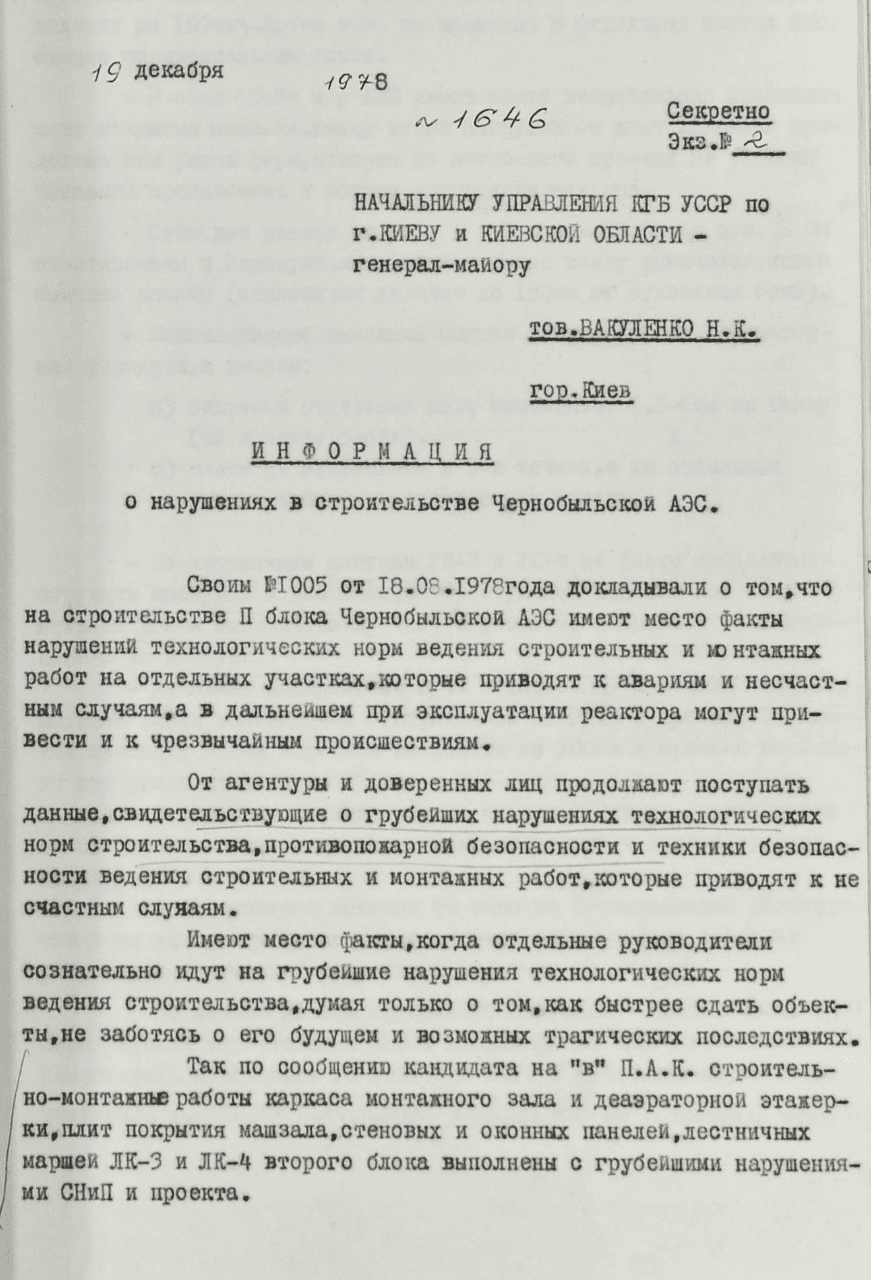
The book where we can find these—The KGB Chornobyl Dossier—was published in 2019 and followed the implementation of Ukraine’s decommunization laws adopted in 2015. These laws, among other provisions, granted access to previously classified archives of Soviet security services.
KGB says “some managers deliberately commit gross violations of construction standards, thinking only about how to complete projects as quickly as possible, without regard for their future or possible tragic consequences.”
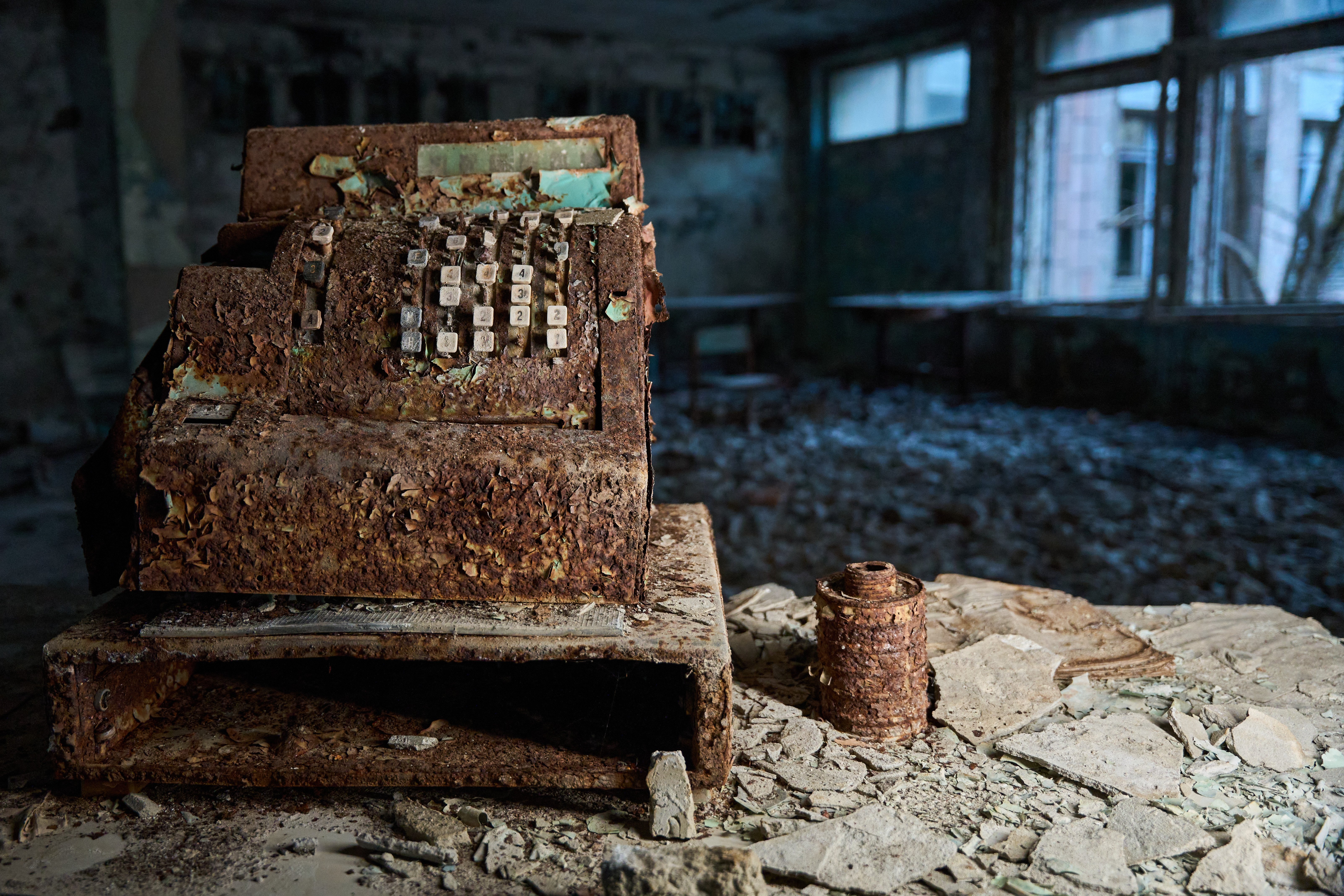
In other words, even at a facility as dangerous as a nuclear power plant, the Soviet system prioritized appearances and the desire to curry favor with superiors. These violations were not exceptions—they were the norm.
A similar pattern was seen in 1957 during the Kyshtym disaster at the Mayak facility, where problems with cooling and safety were ignored, leading to the explosion of a tank containing radioactive waste. The incident was classified in its entirety, and the public was kept in the dark for years.
In 1960, according to official figures alone, 74 people were killed in a rocket explosion at the Baikonur Cosmodrome —an untested vehicle was rushed to launch in time for the anniversary of the October Revolution.
This mirrors modern Russia, including the frontline practice of “taking on credit,” when the Russian army declares Ukraine's territory captured even though Ukrainian soldiers are holding the line there. Recently, this has been the case with the front cities of Kupiansk and Kostiantynivka, and with the repeatedly falsely proclaimed “fully captured Luhansk region.”
“Atomic fish”
During the operation of the Chornobyl plant, management also showed little regard for safety standards, sometimes to a degree that is hard to believe.
In March 1981, the KGB prepared a secret memo titled “On Violations of Radiation Safety at the Chornobyl Nuclear Power Plant.” It discussed the plant’s cooling pond—a special reservoir where water circulating around the reactor is cooled before re-entering the system. It turned out that as early as 1978, local authorities had decided to use it for industrial fish farming. In other words, food for human consumption was being raised in water that directly cooled an operating reactor.
Before being sold, the fish were supposed to be checked for radiation. According to the memo, fish were caught and sold two to three times a week. Over two years, they were tested only three times.
The risks were explicitly acknowledged at the time. As a classified KGB files noted, “Given the incomplete study of radiation-ecological, biological, and bacteriological factors in the enclosed body of water, as well as the absence of guarantees from the operators of the Chornobyl Nuclear Power Plant regarding the prevention of radioactive discharges into the pond, the catching of fish and its sale to the public pose a risk of exceeding permissible radiation exposure levels for the population.”
Operation, Soviet-style
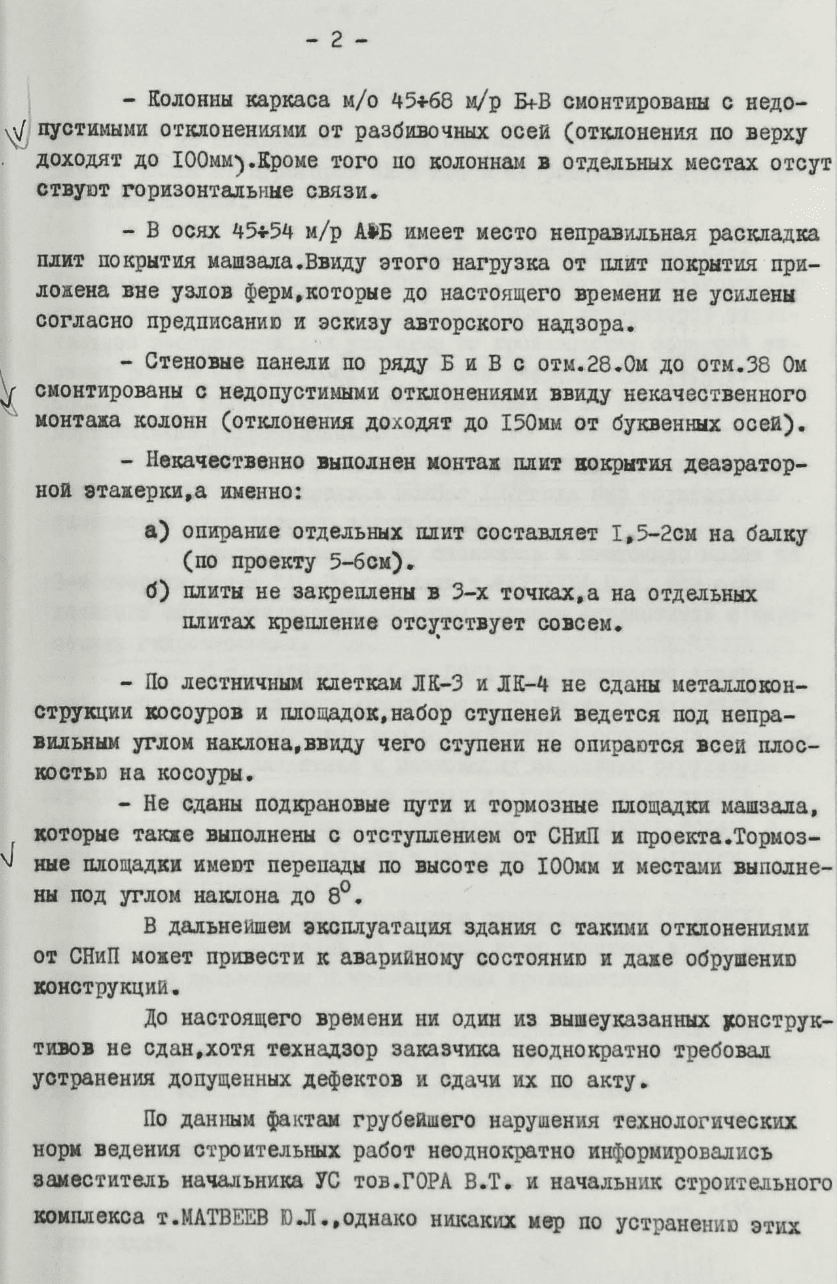
Even before the accident, the poor technical condition of the Chornobyl facility was well known. Reports on Units 3 and 4 (the latter ultimately exploded) included statements such as:
“Load-bearing and structural elements of the reactor building are deteriorating, including cracks in floor slabs, displacement of beams and panels, and shifting of suspended reinforced concrete and lightweight aggregate panels.”
Declassified archives and workers’ accounts provide ample evidence that problems at the plant received minimal attention. They were only addressed after April 1986, when a 1,000-ton reactor lid was blown apart, at least six tons of nuclear fuel were released into the atmosphere, and 300 million curies of radioactive substances entered the environment. In some areas near the reactor, radiation levels reached hundreds of sieverts per hour. The lethal dose for humans is seven sieverts.
Ignoring problems despite clear warning signs was part of the system. Yet, the imitation of control can be more dangerous than its absence. Russia’s current “special military operation”—what the Kremlin calls its war—was supposed to last a few days but has now dragged on for more than four years. Yet Moscow continues to ignore reality, and Vladimir Putin’s phrase “everything is going according to plan” has become a meme.
Day 1520 of my 3 day war. We are conquering just enough territory to bury the soldiers who died capturing it.
— Darth Putin (@DarthPutinKGB) April 22, 2026
I remain a master strategist.
A reactor with a built-in flaw
Declassified KGB documents repeatedly warned about design flaws in RBMK (high-power channel-type) reactors used at Chornobyl. These included insufficient reliability, the absence of a protective containment structure, and other issues that could lead to radioactive contamination and accidents.
A year earlier, the KGB had also emphasized that due to the reactor’s design, it was impossible to build a protective shell around it, identifying the Chornobyl plant as one of the most vulnerable and dangerous.
Another design flaw ultimately proved fatal. When operating at low power in unstable conditions, the reactor could accelerate rather than stabilize. Worse still, the emergency shutdown button (AZ-5) initially caused a brief surge in power. On the night of the accident, these two effects combined: instead of shutting down quickly, the reactor entered an uncontrollable power surge, leading to the explosion.
The problems were known, but were ignored.
The experiment and the explosion
On the night of April 26, 1986, plant management scheduled an experiment to test the emergency power supply. This was a critical system that should have been tested long before the reactor was put into operation. However, due to haste and negligence, the test was conducted only three years after commissioning.
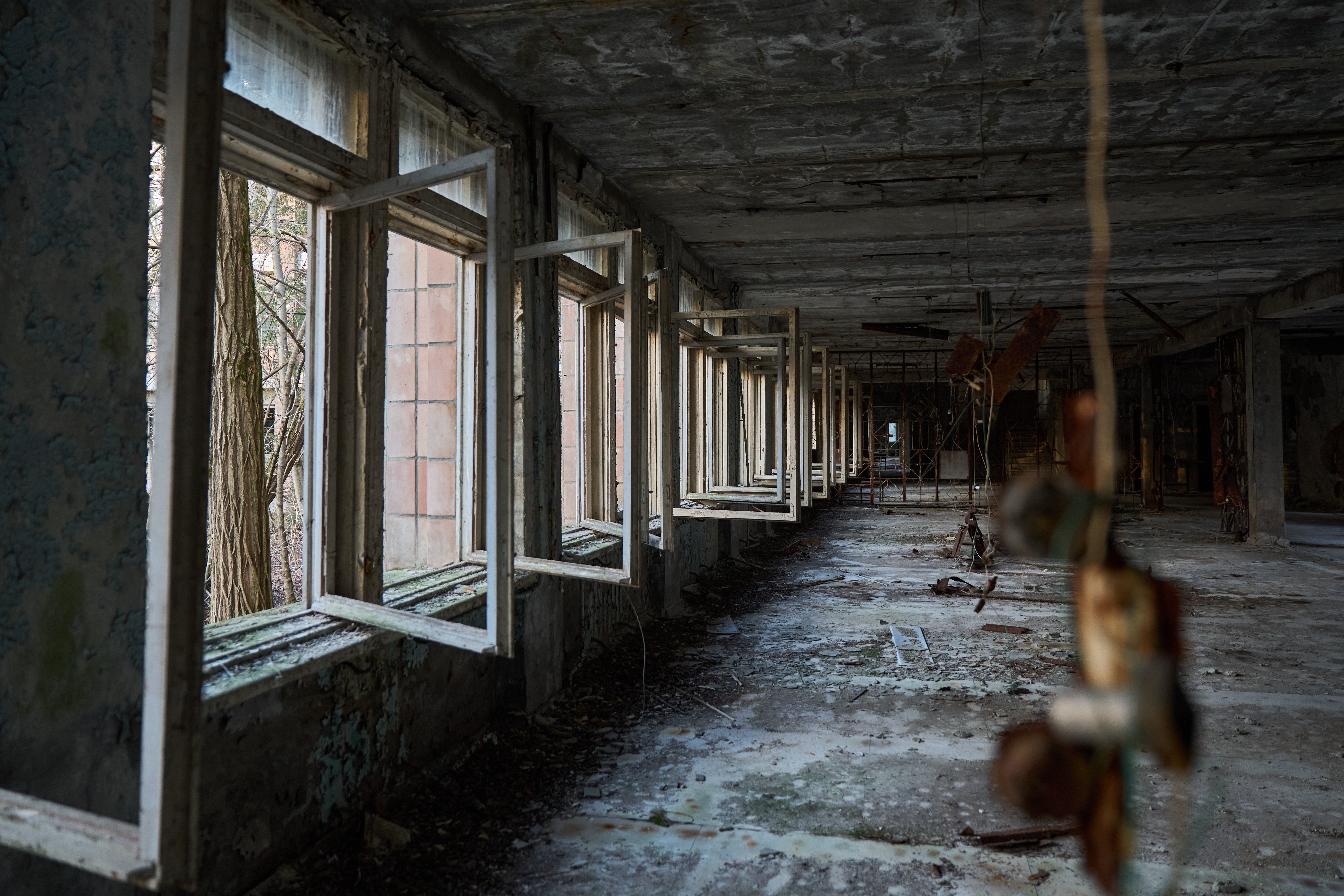
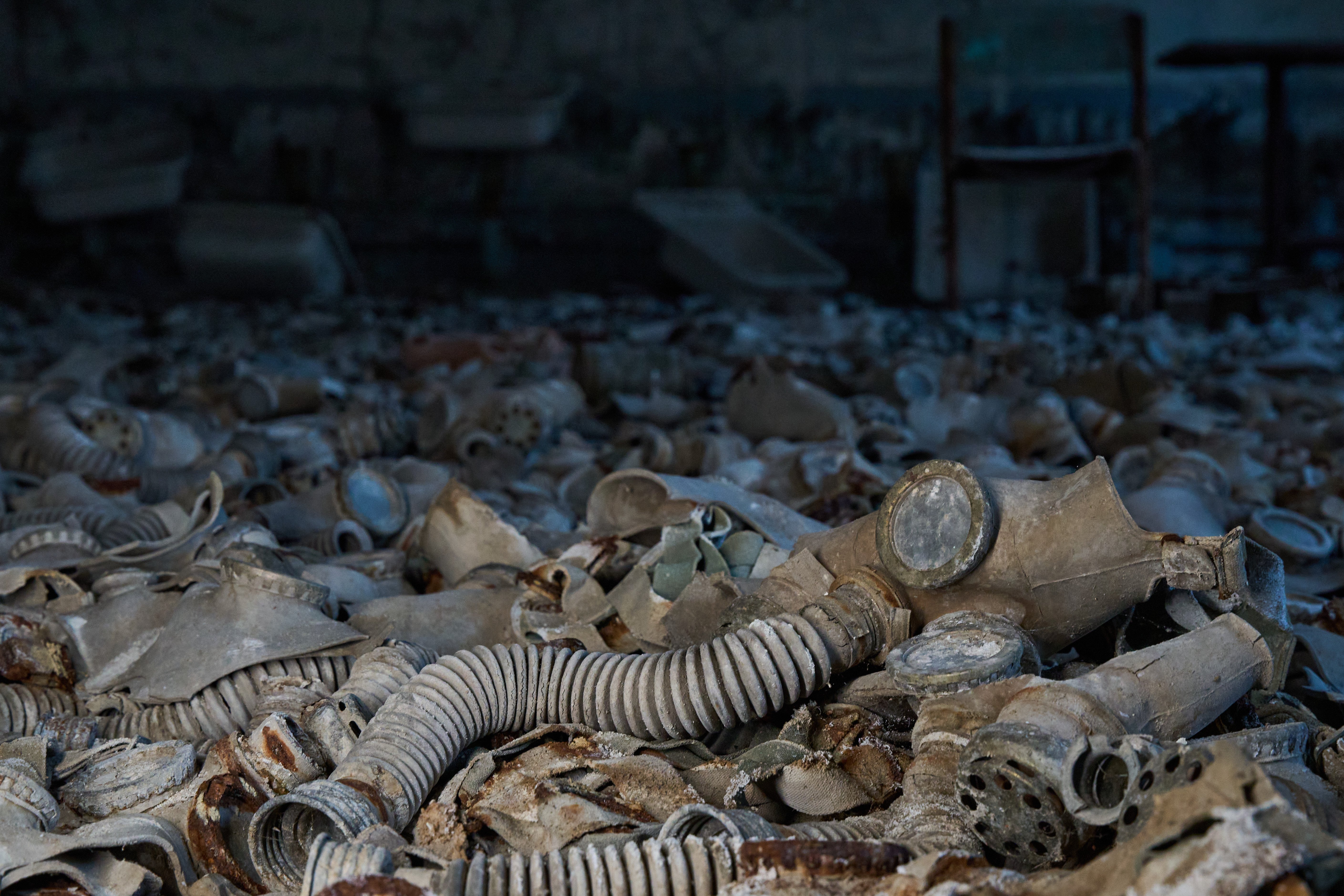
This was not a risky experiment—it was an unfinished stage of the project that, in a normal system, would never have been carried out on an operating reactor. In the USSR, it was simply transferred into real-world operation.
Moreover, such a crucial test had never been conducted at any RBMK-type nuclear power plant. The attempt to carry it out at Chornobyl resulted in an explosion—the largest nuclear accident in human history.
Saving people without caring for them
Soviet authorities delayed the evacuation.
“Around 4 p.m. on April 26, people from the housing office knocked on our door and warned that there would be an evacuation that day because of an accident at the plant,” Oleksandr Syrota, a journalist and former resident of Pripyat, a city near the Chornobyl plant, told me. “They told us to gather food and belongings for three days, go outside, and wait for buses. Within 20 minutes, all the residents of our building were already outside. Children were playing, adults were chatting as they waited to be evacuated.
The plant was just 2.5 kilometers away in a straight line. Radiation levels outside were extremely high, yet they sent us out of our apartments anyway. We stood there for several hours, then realized nothing was going to happen that day and went back home. My mother put me to bed fully dressed, and she sat on the windowsill all night, watching out the window.”
People were not warned, not because it was impossible, but because the system did not consider it a priority. Nearly 50,000 residents of Pripyat were evacuated only a day and a half after the explosion. Many were young families, including 17,000 children; the average age was just 26.
Authorities told them they were leaving for only a few days. The city has been abandoned ever since.
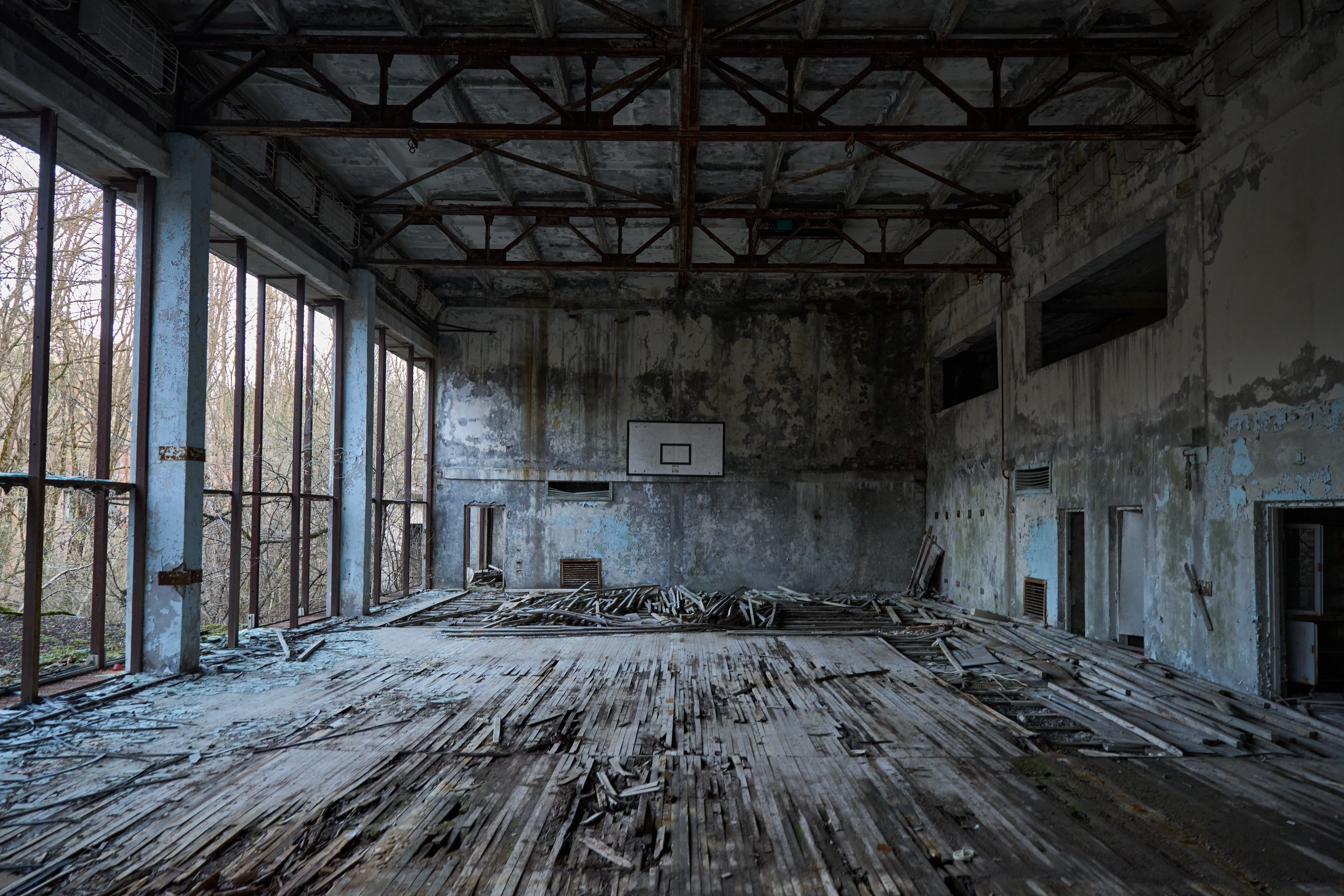
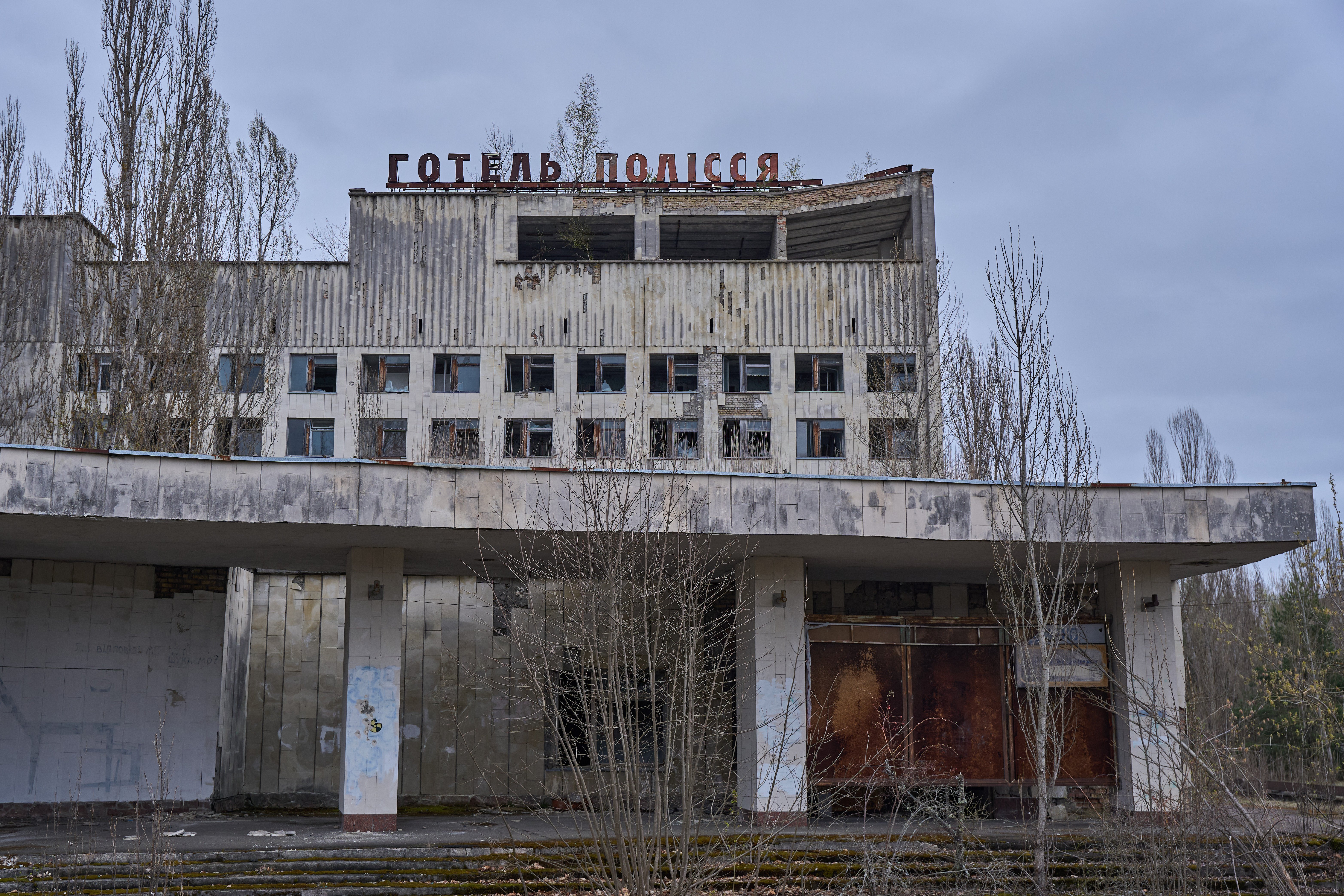
In total, more than 350,000 people were evacuated or resettled from contaminated areas between 1986 and 1996. Overall, 2.2 million Ukrainians were affected by the disaster, including more than 400,000 children.
Liquidators as expendable manpower
In the Russian military today, so-called “meat assaults” have become common, where infantry are deliberately sent under fire without adequate support. The objective is achieved at the cost of enormous human losses, with soldiers treated as expendable. The Soviet authorities would have understood this approach well, and the Chornobyl cleanup demonstrates it clearly.
“We got out—where were we, what was happening? We saw graphite scattered around,” recalled Hryhoriy Khmel, a driver of one of the first fire engines to arrive at the scene. “Mykhailo said, ‘Graphite, what is that?’ I kicked it aside with my foot. A firefighter from that truck picked it up. ‘It’s hot,’ he said. Graphite. The pieces were different—large and small, small enough to hold in your hand. They were scattered along the path, and everyone was walking over them.”
Graphite is one of the most radioactive components of the reactor.
After the explosion, large amounts of debris—reactor elements, graphite, concrete, and metal—remained on the roofs of Units 3 and 4. These had to be cleared before the damaged reactor could be sealed.
At first, robots were chosen for the job. Specialized machines were purchased from Germany and Japan, but they quickly failed. The Soviet Union downplayed the scale of the contamination and did not disclose the true radiation levels even to its own services. Internal data, however, showed that the levels were hundreds of times above permissible limits.
The main work fell to humans, who were quickly dubbed “biorobots.” They had to climb onto the roof, quickly shovel debris into the reactor pit, and run back. Their protection consisted of canvas gloves, helmets, lead inserts in boots, and makeshift shielding on the groin, chest, and back.
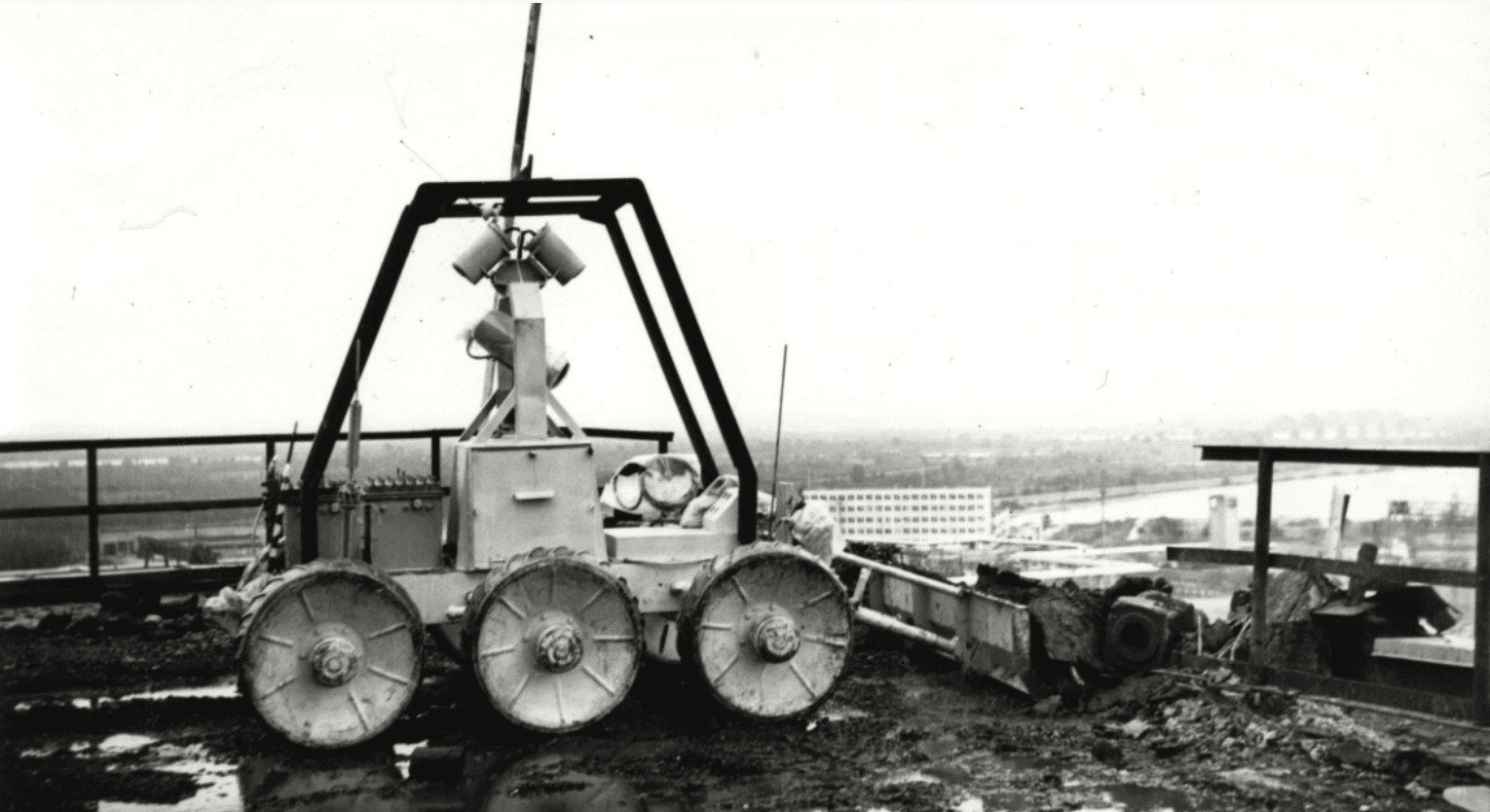
Safety limits were violated. Regulations allowed personnel to receive up to 25 rem—a unit of radiation dose—over the entire cleanup period, while soldiers working on the roof of Unit 3 were allowed up to 20 rem in a single mission, nearly the full limit at once. A total of 2,421 people took part in these operations, clearing hundreds of tons of radioactive debris in just a few weeks.
Overall, more than 600,000 people were involved in firefighting, debris removal, and cleanup efforts in the years that followed.
“Let no one know”
Even when catastrophic radiation contamination became evident, Soviet authorities concealed the threat. Security services attempted to block the spread of information, and millions of people in danger remained unaware. The world learned of the disaster not from Moscow, but from Swedish scientists who detected elevated radiation levels. The Soviet Union learned about its own catastrophe from others.
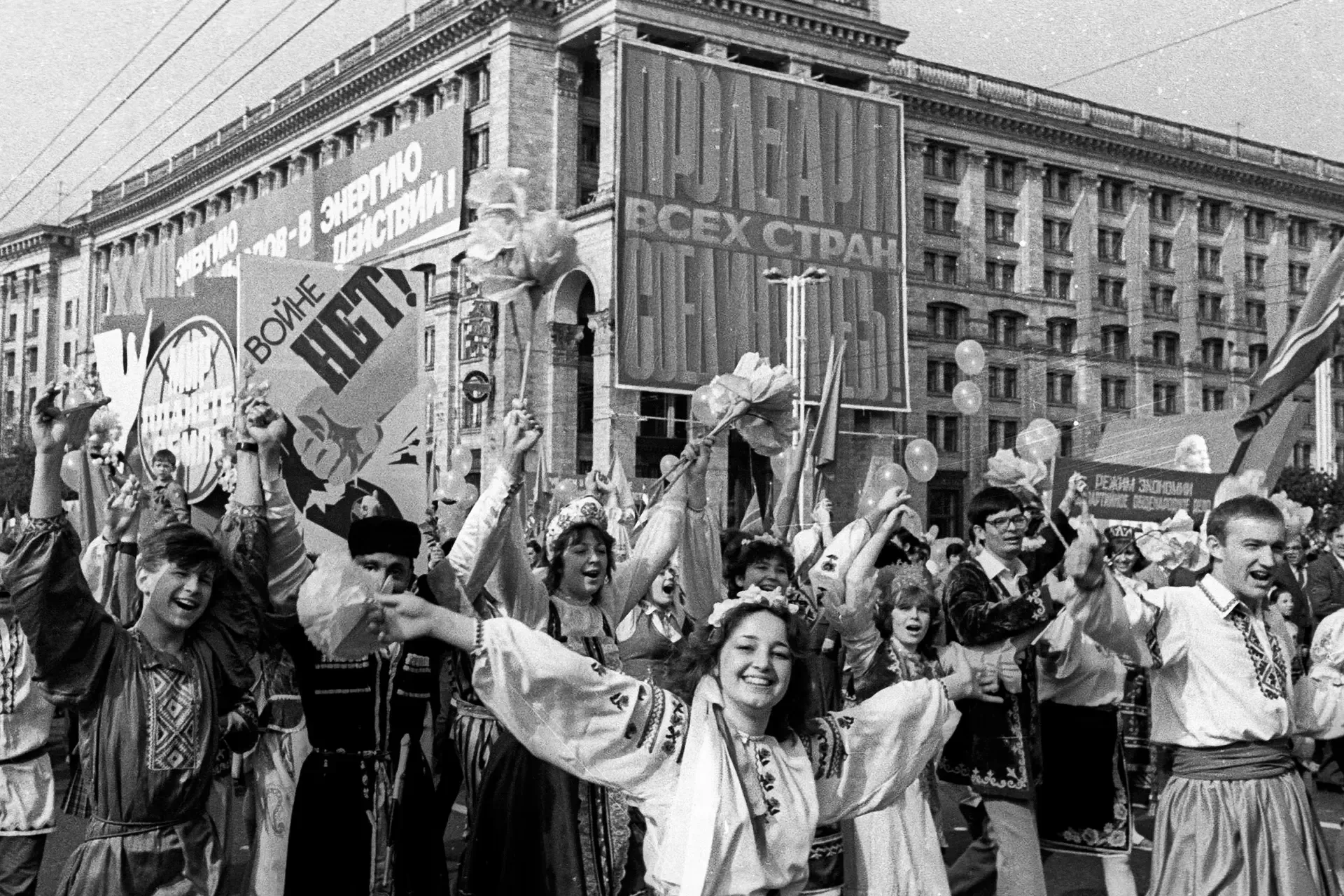
A few days after the accident, on May 1, one of the country’s major holidays—International Workers’ Day—was approaching. The leadership debated whether to hold celebrations in Kyiv, just 100 kilometers from Chornobyl. Ultimately, General Secretary Mikhail Gorbachev insisted on proceeding. A mass demonstration took place, with about 120,000 participants. Due to a change in wind direction, radiation levels in Kyiv were at their highest that day. Authorities knew this, according to KGB archives, yet still sent people into exposure.
Similarly today, Russian authorities conceal the true state of affairs in the war and the economy. Russia’s Ministry of Defense last reported casualties in September 2022, claiming 5,937 deaths. Independent researchers, including the BBC, maintain a named—yet incomplete—list that has already reached 212,188. For several months now, Russia’s losses have exceeded the number of recruits they have been able to enlist. At the same time, new recruits, foreign included, are often promised rear-area service, only to be inevitably sent to the front after minimal training.
Chornobyl was not simply an accident caused by a tragic coincidence. It was the logical outcome of a system where truth is punished, responsibility is blurred, and appearances matter more than human lives. The race for performance metrics, a vertical of fear, and the desire to hide from reality form the foundation of a state centered in Moscow.
As long as this system exists, it will continue to reproduce Chornobyl, in different forms, but with the same result.
Discuss this article:


-c439b7bd9030ecf9d5a4287dc361ba31.jpg "Photo of Katherina Popilnichenko")


-111f0e5095e02c02446ffed57bfb0ab1.jpeg "Photo of Roman Kohanets")