- Category
- War in Ukraine
From Civilian to Cannon Fodder in 10 Days. What Is Russia’s Military Training?
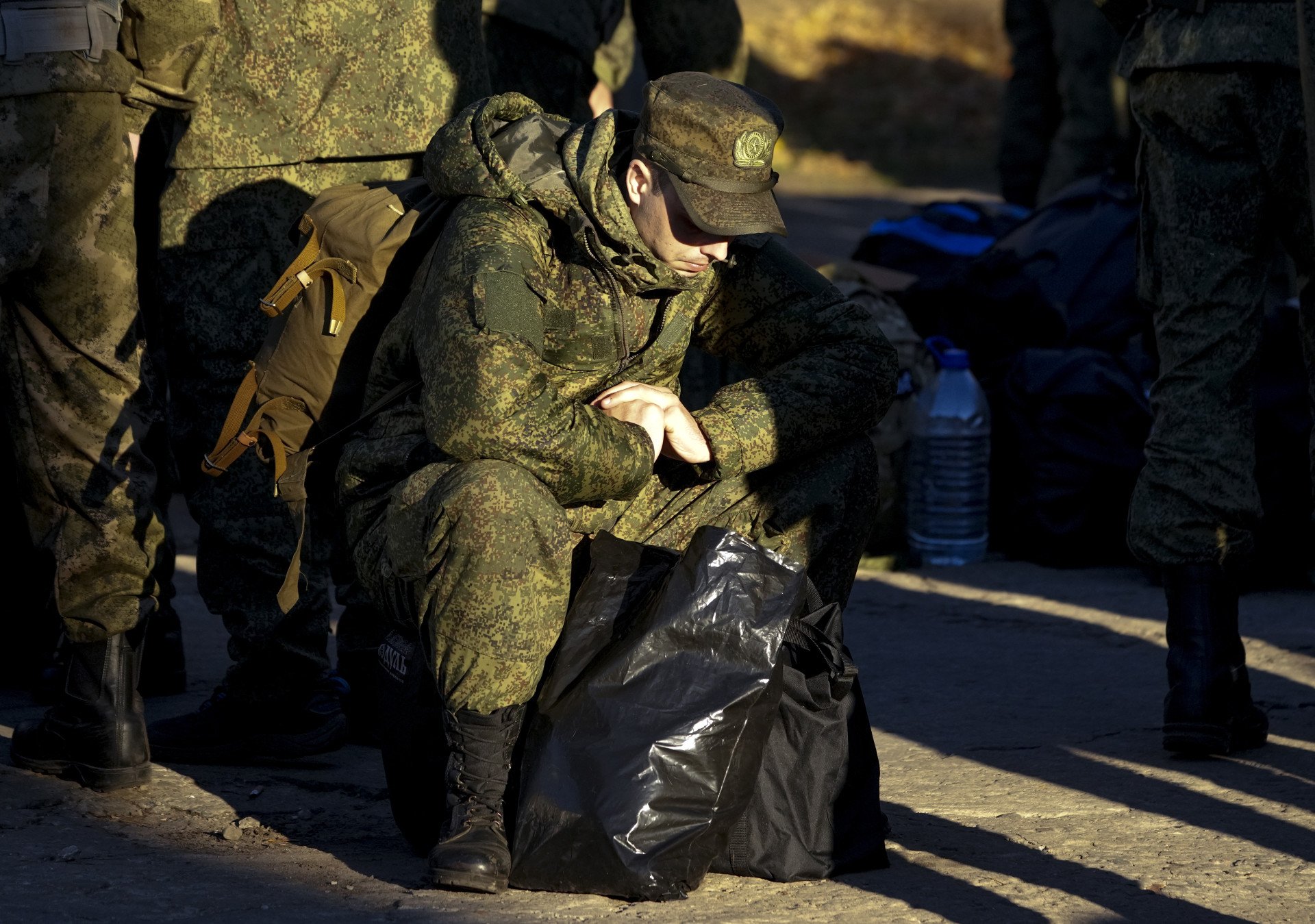
Some Russian soldiers have received only 5–10 days of training before being sent to the frontline.
 Prefer U24 Media on Google
- Authors

-605be766de04ba3d21b67fb76a76786a.jpg "Joseph Place")
“After all the medical check-ups, they asked me if I was ready to go to the military base the day after tomorrow,” said Ivan, a Russian recruit sent to the front. “They trained us for five days, we waited for another five days for a force rotation, and then we went to [combat] positions.”
Most armies worldwide require training for several weeks or months, especially if expected to enter combat. Many Russian soldiers, however, have received training as little as ten or even five days. Many have insufficient training, with stories from the Russians themselves, to the US-based think tank ISW, who note that some recruits receive just a month of training, though there are cases it was just days of training. We explore how long soldiers train, are meant to train, and compare Russian training to that of other countries.
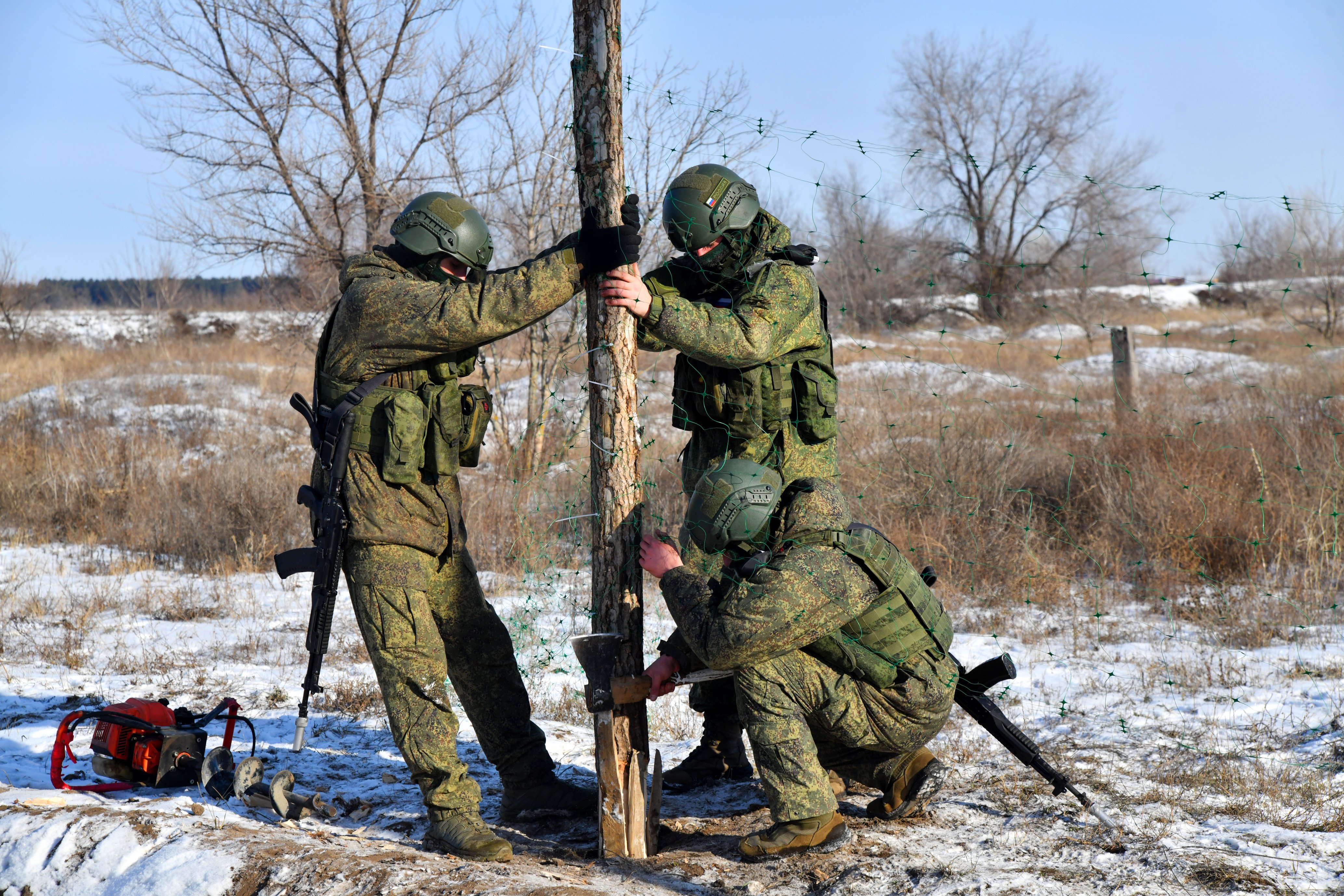
In a matter of days
Russia first cut training from five to six months to three in 2013, prior to its initial invasion of Ukraine. Today, by Russian law, conscripts are required to undergo four months of training before deployment.
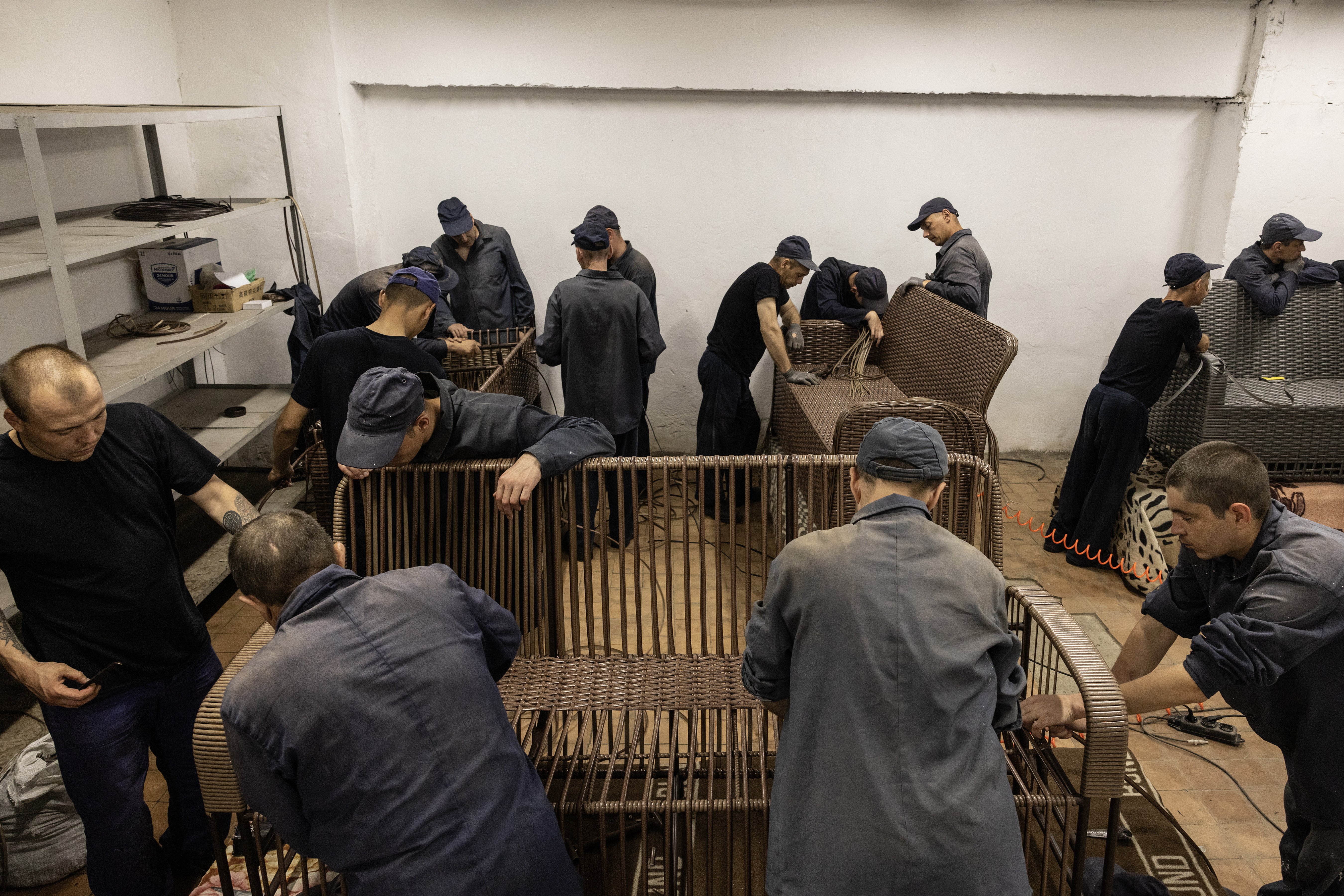
The US organization CNA reports that the Russian Defense Ministry rules state that contract soldiers are meant to receive 192 training hours. However, these rules are far from being universally applied. There are various accounts and experiences of training in Russia, which differ depending on the nature of the recruit and their intended deployment location. For example, specialized soldiers—like drone operators—will not be sent to the front so quickly, as they provide a valuable role. Yet many in the Russian military receive minimal training, typically sent into the meat grinder assaults. Prisoners, in particular, receive training in a matter of days. In 2023, Russians cut the training time for recruited prisoners to ten days. Prisoners often take the opportunity to join the military and, famously, the Wagner Group's Storm-Z unit, as they can do so at any stage of their legal proceedings and trade their sentence for military service. As of January 2025, up to 180,000 prisoners were in the military. For the Storm-Z unit, soldiers received 10-15 days of training, Ukrainian forces reported.
Aside from prison recruits, one soldier, speaking to the Moscow Times, claimed that he received only five days of training before being sent to the frontline, and many parents of Russian soldiers reported that their sons had received a week of training before being deployed to combat.
Recruiting foreigners
Across firsthand testimonies from foreign prisoners of war who served in the Russian army—including recent ones we obtained from recruits from Burundi, Azerbaijan, Bosnia and Herzegovina, and Iraq—a consistent picture of Russia’s military training emerges, designed to move people through the system quickly rather than prepare them for combat. Foreigners are often coerced into signing military contracts on false promises of non-combat roles and being deployed to the front.
One teacher tricked foreigners into fighting in the army, getting just ten days of training. It is not just military training that foreigners lack; they are sometimes deployed without adequate Russian-language skills, as in the case of American Derek Huffman or Waddah Khaled Kareem from Iraq who came to Russia for a job; instead, he was beaten into a military contract. The military training classes lasted from seven in the morning to five in the evening and were all conducted in Russian, says Waddah. Not knowing the language, he didn’t understand the instructors and simply repeated what the others did.
Russia has also passed legislation offering fast-track citizenship to those who volunteer for the war. In practice, however, many foreigners are pressured or tricked into signing military contracts when they face problems with residency or employment. This is particularly the case for Africans, whom Russia has actively targeted regardless of military experience. Many are ultimately sent into high-casualty assaults.
Jean Bosco Akimana, a Burundian national, told us that he was taken to a military camp without knowing he had signed a military contract and was immediately issued a uniform. “The next day,” he said, “the soldiers told us we would start training.”
There is little depth or specialization in this training, and the roles recruits are prepared for often bear little resemblance to the missions they are later assigned. In Waddah’s case, he and his comrades were woken up in the middle of the night and informed they would be deployed the next day.
Comparison to NATO and Ukraine
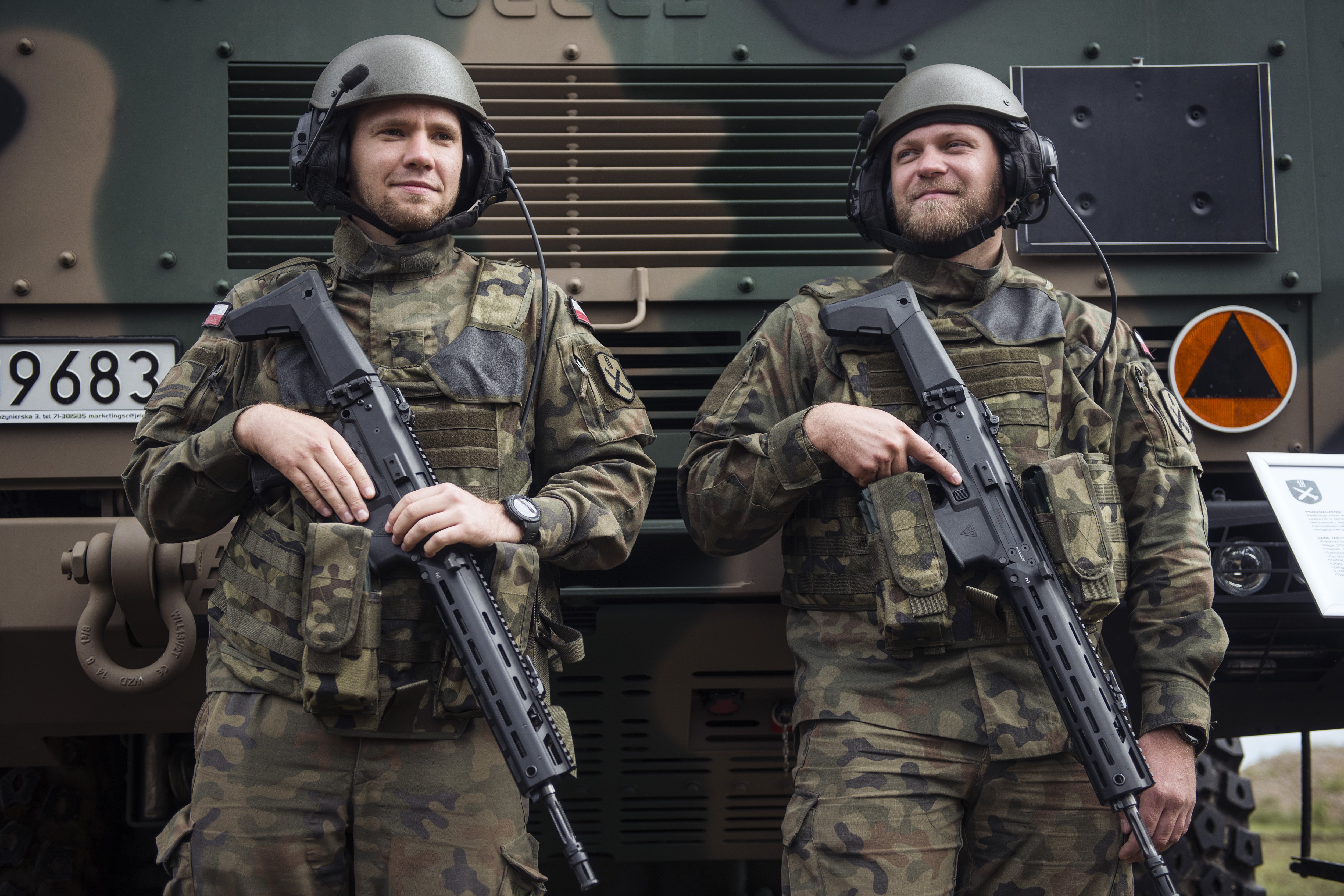
In the USA, basic combat training is 10 weeks, in the UK, it is 13 weeks, in France, it is 12 weeks of training with a prior week for incorporation and an additional week for leave, and in Poland, it is 28 days for basic training, but an additional 11 months for specialist training. The goal of such training is to ensure the soldiers are physically and mentally ready and have the necessary skills, such as operating weapons, working in a team, and establishing confidence and camaraderie among soldiers. However, this is only the basic training. Soldiers are not even sent into combat after serving a year or more in their country's military before being deployed.
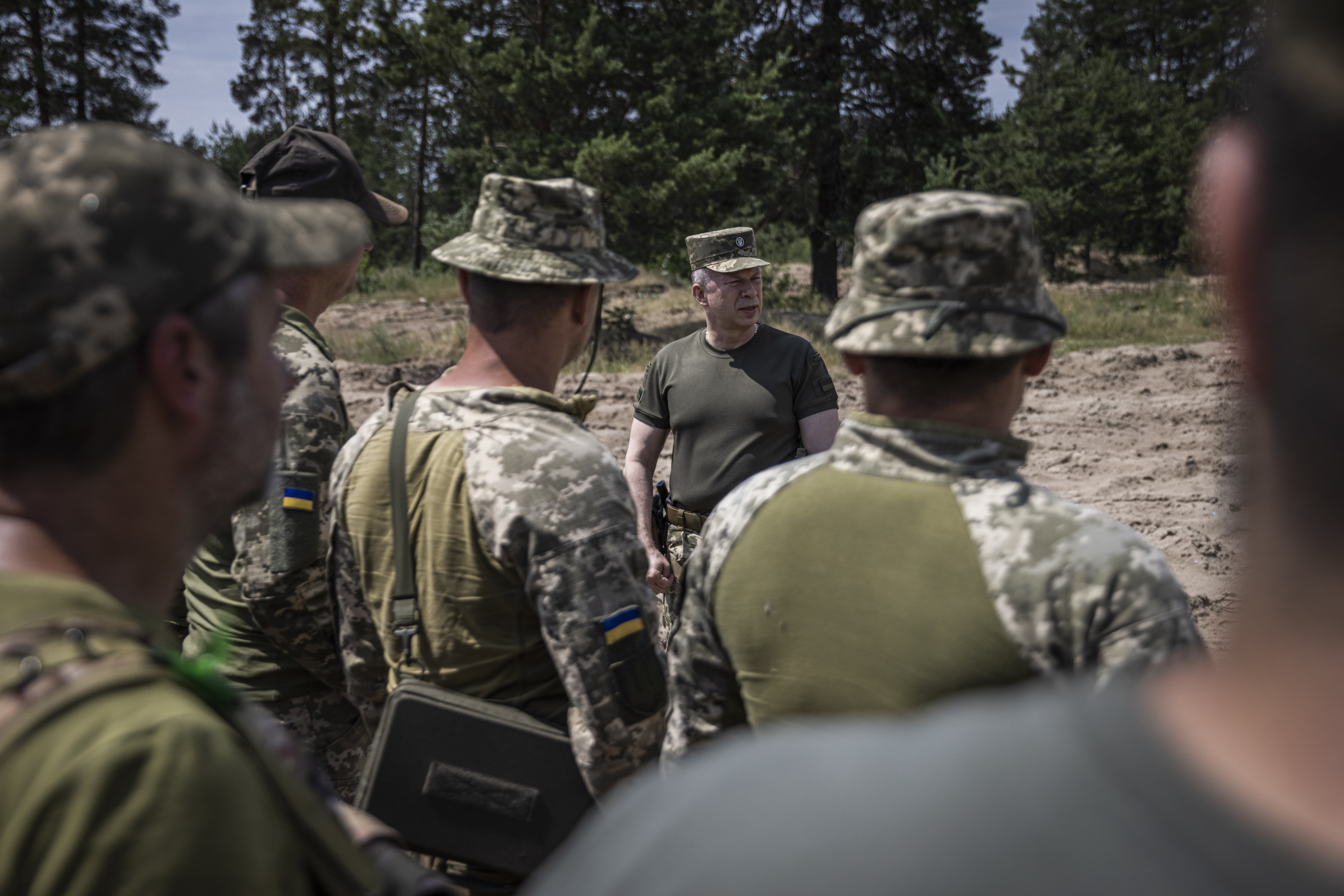
While Ukraine is under military mobilization and new recruits are essential to its existential fight against Russian aggression, training is more extensive. Ukrainian Commander-in-Chief Oleksandr Syrskyi increased general training at some recruitment centers to 1.5 months from 30 days in October 2024.
This training is, of course, shorter than that of most NATO countries. However, the context is considerably different. Ukraine is currently defending its borders from Russian invasion, and a faster turnaround of recruits is necessary to replenish soldiers who suffer casualties and also those who need to go on leave.
By July 2025, training lasts 51 days according to new rules from the Ukrainian Defense Ministry. 42 days are allocated to practical training and theoretical classes, 7 days to rest, and 2 days to address administrative matters. Additional professional training is added after that, but the minimum 51 days ensures a soldier has the essential skills to be designated a “rifleman”. For those who receive specialized training, there is also a 14-day adaptation course to prepare them further for their role. For example, foreigners in the International Legion undergo the same training, though it may vary depending on their experience.
What does this tell us about the Russian military?
Russia generally lacks the level of training and has a fundamentally different approach to the military compared to many Western nations. “Russia has no corps of NCOs, or non-commissioned officers, as the NATO militaries have,” told us Dylan Comebellick, a retired Russian military analyst. “Forming such a corps in the Russian military is impossible, as it would give too much authority and decision-making power to the men who actually do the fighting.”Essentially, Russia does not have a pathway from being a regular soldier to an NCO, and sees no need to train its lowest-ranking troops, especially those to be sent on the meat assaults. Training the “cannon fodder” would be a waste of time and resources and is not, from Russia’s perspective, necessary.
Many Russian soldiers have been recruited and sent to the front often as cannon fodder, according to analysts such as CNA, and a part of it is also a reality of the rapid recruitment of hundreds of thousands of soldiers. For example, analysts at the British security and defense research institution RUSI said that this would be a challenge for Russia in 2022: “It is difficult to assess how the Russian system will cope with the sudden influx of up to 300,000 personnel promised by Defense Minister Sergei Shoigu.”
“Russia believes that it can win the war by making Ukrainians in Kyiv and other large cities want to quit fighting,” said Dylan. “Russia’s strategy of sending soldiers to the front lines without training is to exhaust the Ukrainians, not to win tactical victories.”
He explained that the rapid training is not due to a need to train quickly, but rather to maintain a level of manpower. “For Russia, to adapt to a bare minimum training standard would mean that front-line units would be short 30,000 men while they waited for replacements,” he says. “It would also cost a tremendous amount of money, and on top of all that, there is nobody to train them. Most of the competent soldiers have already died in Ukraine. It’s not so much that Russia has to train troops quickly, but that it has to fill spots in the line quickly with untrained troops.”
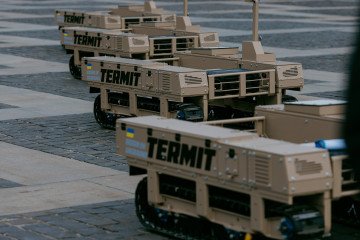
“More robots mean fewer losses,” was Ukraine’s newly-appointed Defense Minister Mykhailo Fedorov’s speech. “More technology means fewer killed.” Ukraine and European nations prioritize the preservation of their soldiers’ lives and have adapted their training methods accordingly to minimize casualties. They also have NCOs and corps to provide autonomy and have quality training. The short training is not the only example of desperation from Russia to ensure readiness, with children being trained in the occupied regions of Ukraine for combat.
It is generally not surprising that Russia has to train many troops quickly, considering the high rate of casualties, which has increased, and includes rising suicides, deaths from drugs and unsanitary conditions, lethal disciplinary measures, the decrease in recruitment, which is partly due to reductions in sign-up bonuses, and growing desertions. The question is whether this can be sustainable and whether combat training will decrease as more men are quickly deployed to the front to replace losses.
Discuss this article:
-ee9506acb4a74005a41b4b58a1fc4910.webp)

-c439b7bd9030ecf9d5a4287dc361ba31.jpg "Photo of Katherina Popilnichenko")

-72b63a4e0c8c475ad81fe3eed3f63729.jpeg "Photo of Cyril Barabaltchouk")