- Category
- War in Ukraine
“You Come Here to Kill People for Money”: Captured Bosnian POW on Joining the Russian Army
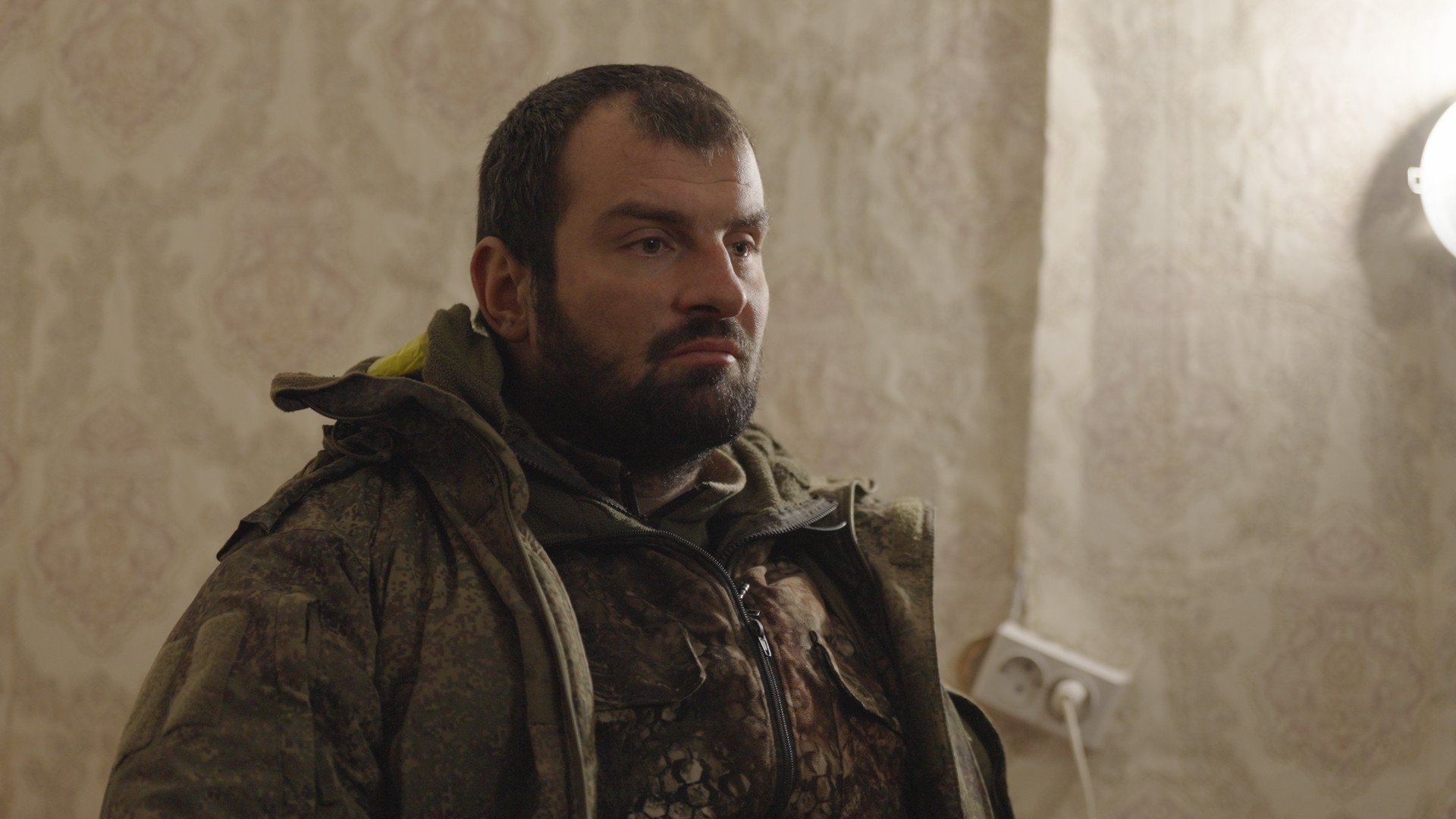
Selver Hrustic, callsign Serb, from Bosnia and Herzegovina, thought joining the Russian army was his way out of legal trouble in Europe. They promised him a lawyer after serving in the Russian army. Then, he was sent on a deadly mission in Ukraine. “You are people who signed contracts to kill other people for money,” said the Russians.
 Prefer U24 Media on Google
- Authors

-f88628fa403b11af0b72ec7b062ce954.jpeg "Photo of Amira Barkhush")
“Last year, I signed a contract with the Ministry of Defense in Moscow,” says the Bosnian recruit in the Russian army, captured by the Ukrainian forces in 2026 in the Kharkiv direction. Hrustic, 35, lived in Zenica, Bosnia and Herzegovina. In 2019, Hrustic decided to travel to Germany in search of a job. There, he encountered problems with the government and intelligence services, who allegedly accused him of crimes he hadn’t committed. He was deported to Bosnia and Herzegovina, where he worked in construction with his father.
Hrustic says the Russian army promised him legal help for serving in the Russian army: “They said: ‘We know officers, you come here for this investigation. You will serve here for six months. After that, you can get a lawyer, and you can take your rights.’”
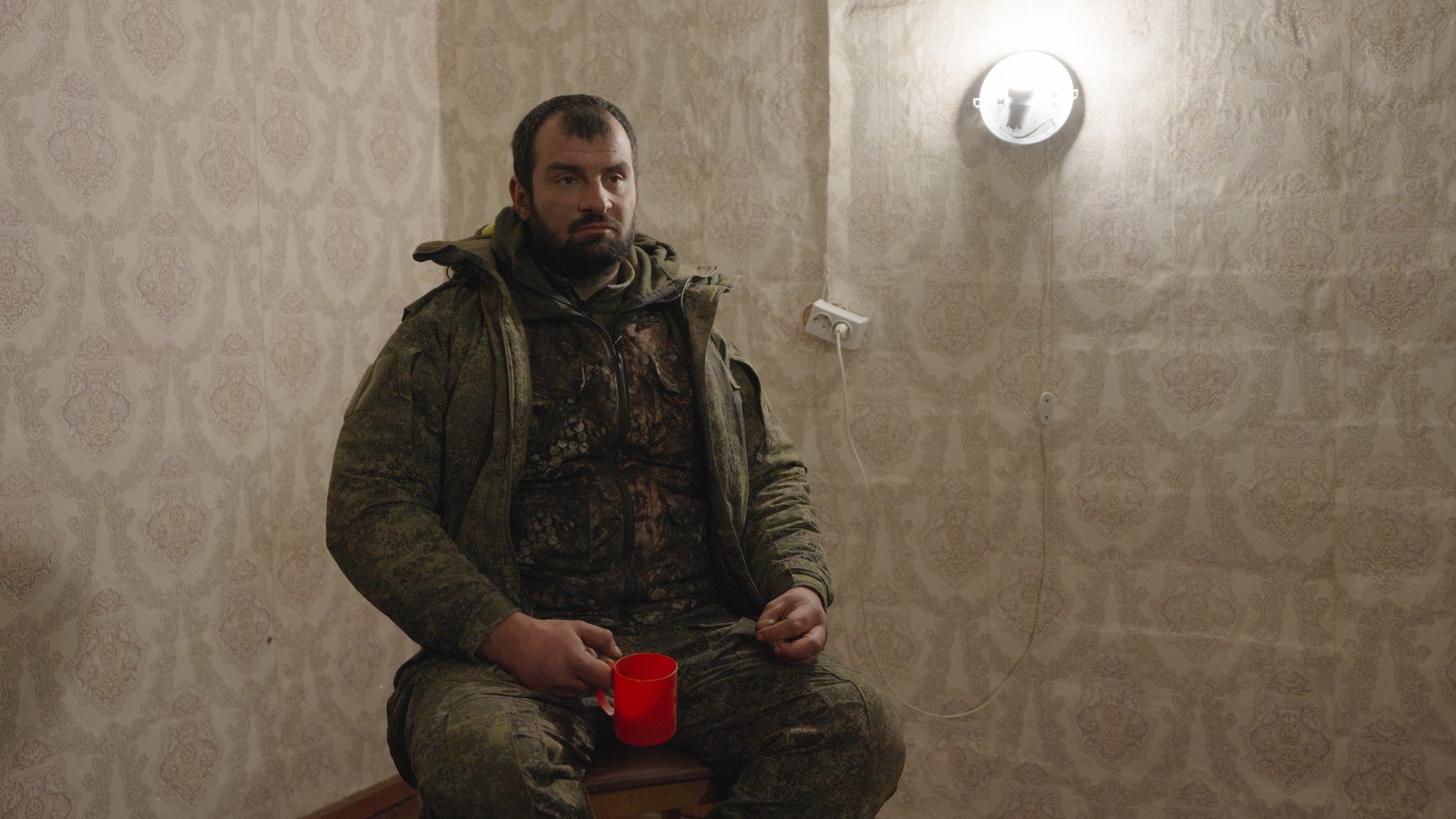
Joining the Russian army
Hrustic said he was in contact with the Serbian mercenary Dejan Berić. Berić participated in Russia’s occupation of Crimea and the Donetsk and Luhansk regions and is now serving as a sniper in the Russian army. “He explained to me some simple things,” Hrustic said. “He said: ‘This war is not simple, it’s a really hard war. You must think where you’re going.’”
Upon arrival in Moscow in September 2025, Hrustic approached the police, expressing his desire to join the army. On September 19, the final contract was signed. Hrustic then underwent basic military training in Voronezh for about two weeks, followed by another month in the temporarily occupied Luhansk region, where he received training in fire, tactics, medicine, and communications.
Following training, Hrustic served in several positions, mostly building dugouts and delivering food supplies on foot: “Yes, we walked. Some people used a motorcycle or a car. […] It’s really hard. Like, drones don’t give you peace. They could easily find and destroy equipment. When you walk, it’s easiest, but it’s really hard. You can take 20-30 kilos maximum.”
The salary constituted 210,000 rubles ($2,700). Despite promises he wouldn’t be sent on assaults, in December, he was tasked with advancing through Ukrainian villages while taking shelter in basements for days.
“They [Russians] can send you by day half a liter of water and one or two small boxes of meat,” Hrustic said. “Two men, you and your colleague, have to drink half a liter of water and a little food. Some go out to find something, and they die.”
Many Russian soldiers make the mistake of going out, he says. “Drones kill them. It’s terrible, they’re a majority, 80% people die in Petropavlivka. You understand? They didn’t come back; they’re in the fields now.”
Captured by Ukrainian Forces
Hrustic was eventually captured by Ukrainian forces, which may have saved his life, given the staggering Russian losses: “All the time I was on the field, field, field,” he says, describing his frontline experience. “And very fast. That’s really dangerous. It’s like a 10% chance to survive there.”
“The [Russian] army knows that it is aggression,” he adds. “They make propaganda about defending somebody in Ukraine. My first bad experience was when an officer said we weren’t soldiers. He said, ‘You are people who signed contracts to kill other people for money.’ One of the Russians said, ‘But I am a patriot.’ The officer answered, ‘You come here to kill people for money. That’s all.’
When asked what he would have done differently if not joined the Russian army, Hrustic said: “I would have stayed in Bosnia. I would not have joined the army. It was a very bad experience. The worst is that you are killing other people for money. That was how the officer defined people who signed contracts.”
Hrustic’s fate remains uncertain. At the end of 2024, the Ministry of Defense of Bosnia and Herzegovina issued a statement clarifying that Article 51 of the country’s Law on Defense prohibits Bosnian citizens, including those with dual citizenship, from serving or training as conscripts in foreign armed forces.
Discuss this article: