- Category
- War in Ukraine
“Did You Kill a Lot of People?” The Lies and Truths of Foreign Fighters for Russia Inside Ukraine’s POW Camp
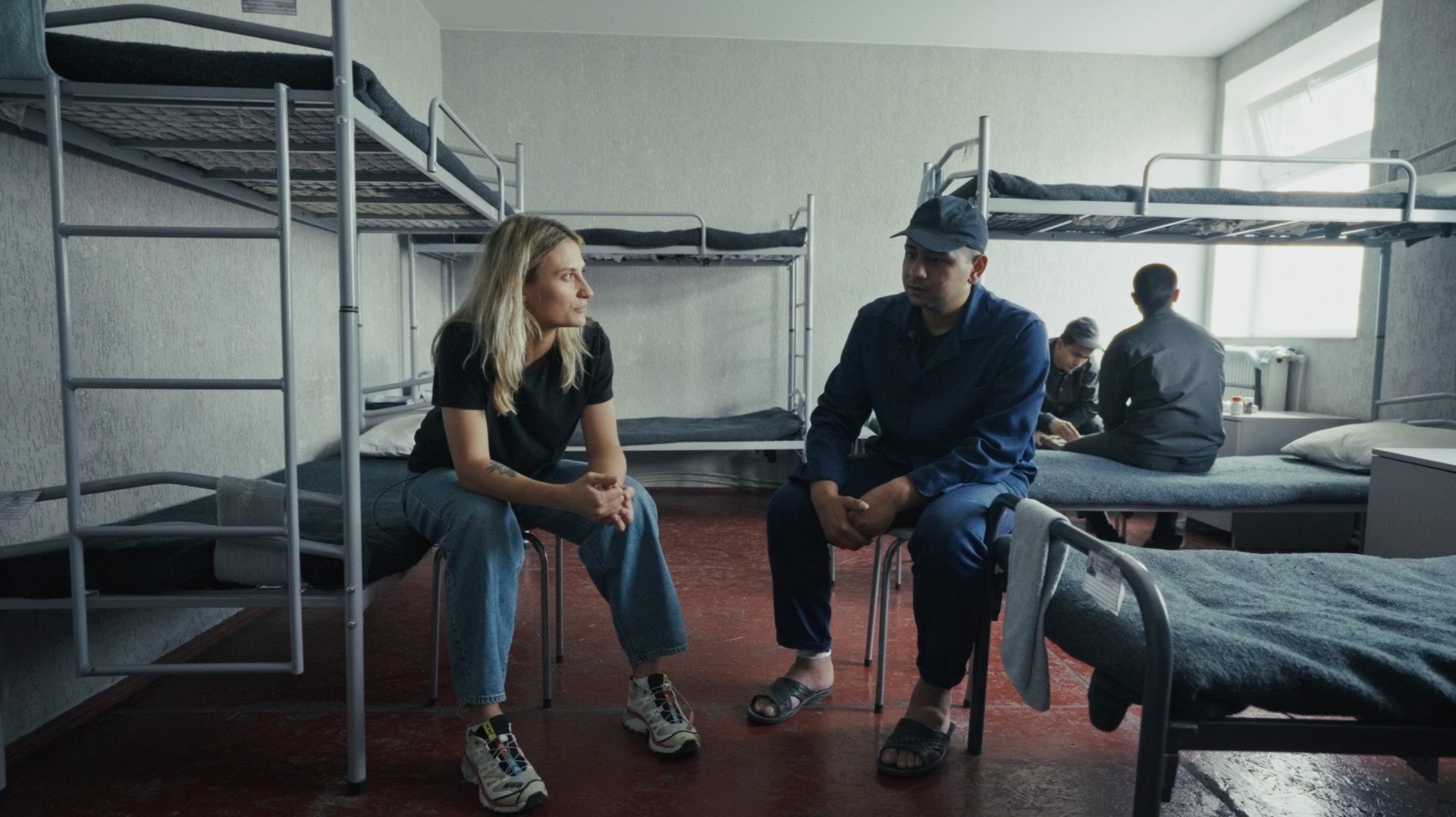
Inside a Ukrainian prisoner-of-war camp, the war captivity stories of Russia’s foreign fighters unfold with a mix of defiance, regret, and denial. These men came from Somalia, Egypt, Ghana, Sri Lanka, and beyond—drawn by promises of passports, salaries, and futures Russia could never deliver.
 Prefer U24 Media on Google
- Authors




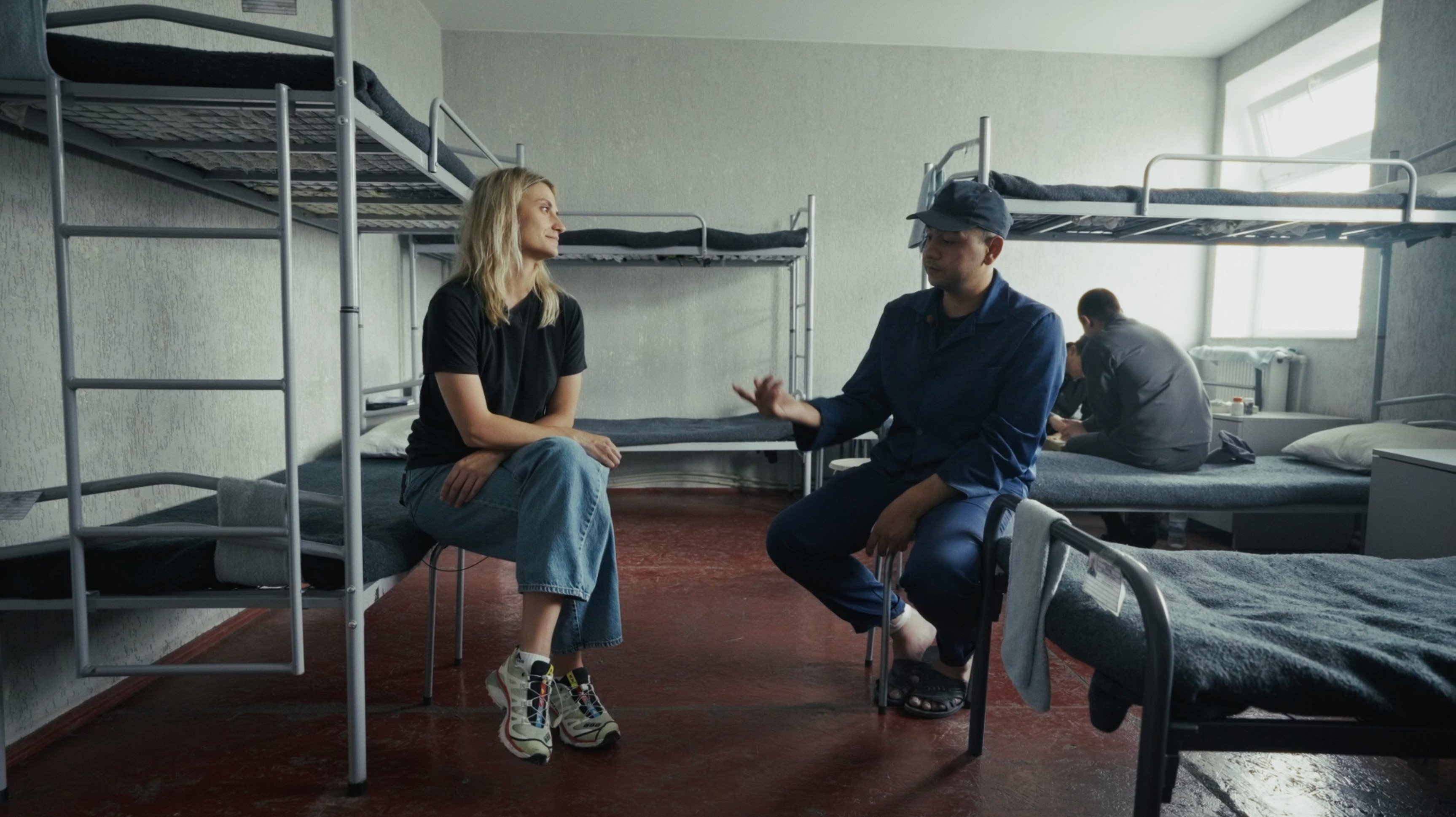
We visited one of Ukraine’s camps for the Russian prisoners of war and looked closely at the experiences of Russian POW army captives who reveal how Moscow recruits abroad. We spoke with several foreign POWs who chose to fight for Russia against Ukraine.
When asked, “Did you kill a lot of people while fighting?” many answer, “No, it was my first mission. I didn’t fire a shot. I got captured right away.” This repetition raised suspicion.
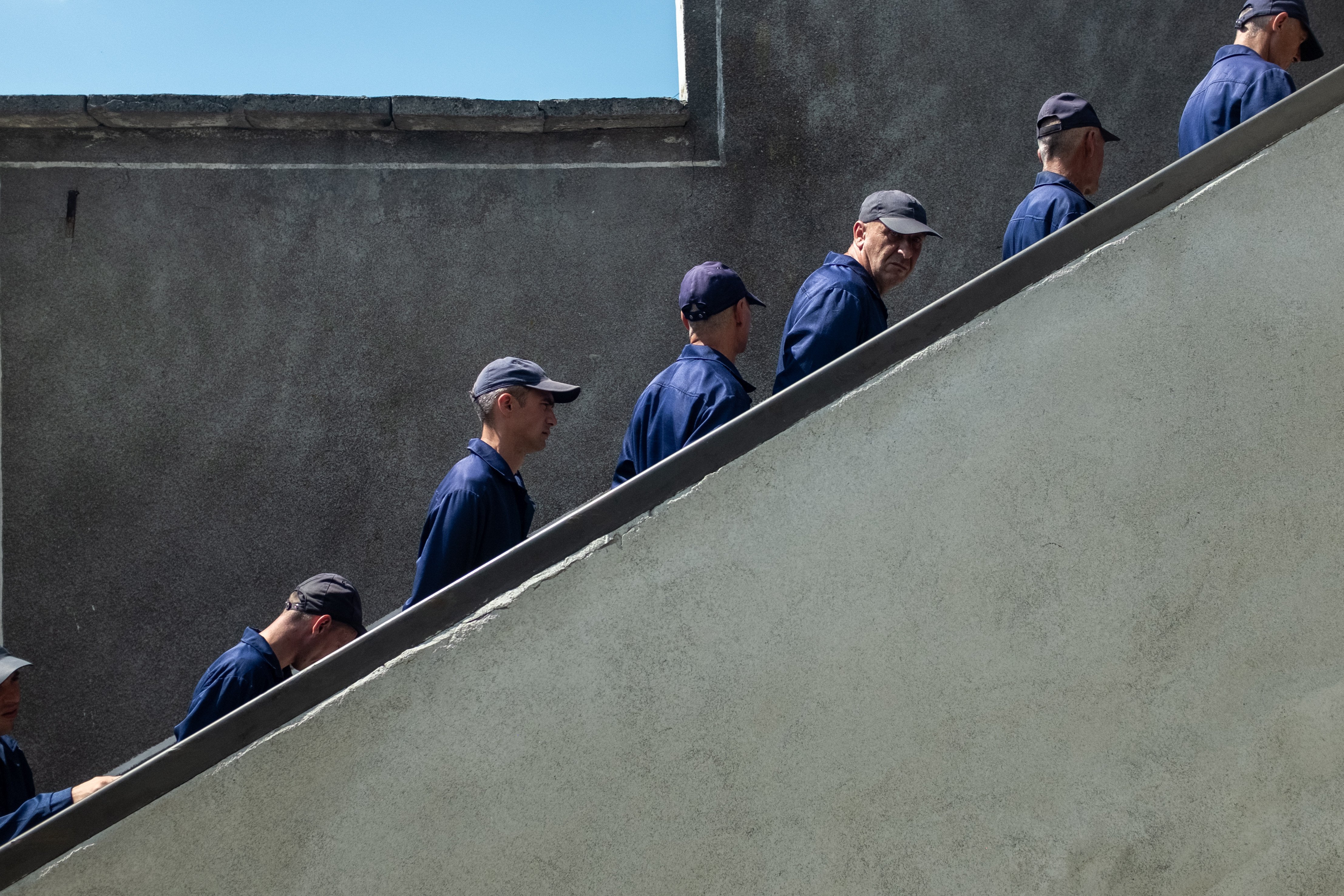
Russia’s recruitment machine
“Actually, I’m not ashamed of my decision [to go fight for Russia],” says Joshua, a POW from Ghana. “I have a plan to become the president of Ghana.”
The exact number of foreigners fighting in the Russian army against Ukraine remains unclear. What is certain is Moscow’s reliance on them. In January 2024, Putin signed a decree offering Russian citizenship not just to recruits but also to their families. With generous pay on top, soldiers from countries with developing economies move to Russia.
Agents and recruiters in Africa and Asia painted Russia as an easy gateway to “a European life”—a place with fewer entry barriers than Germany or France, according to Omar, a 26-year-old POW from Egypt who came to Russia to study languages: English and Russian.
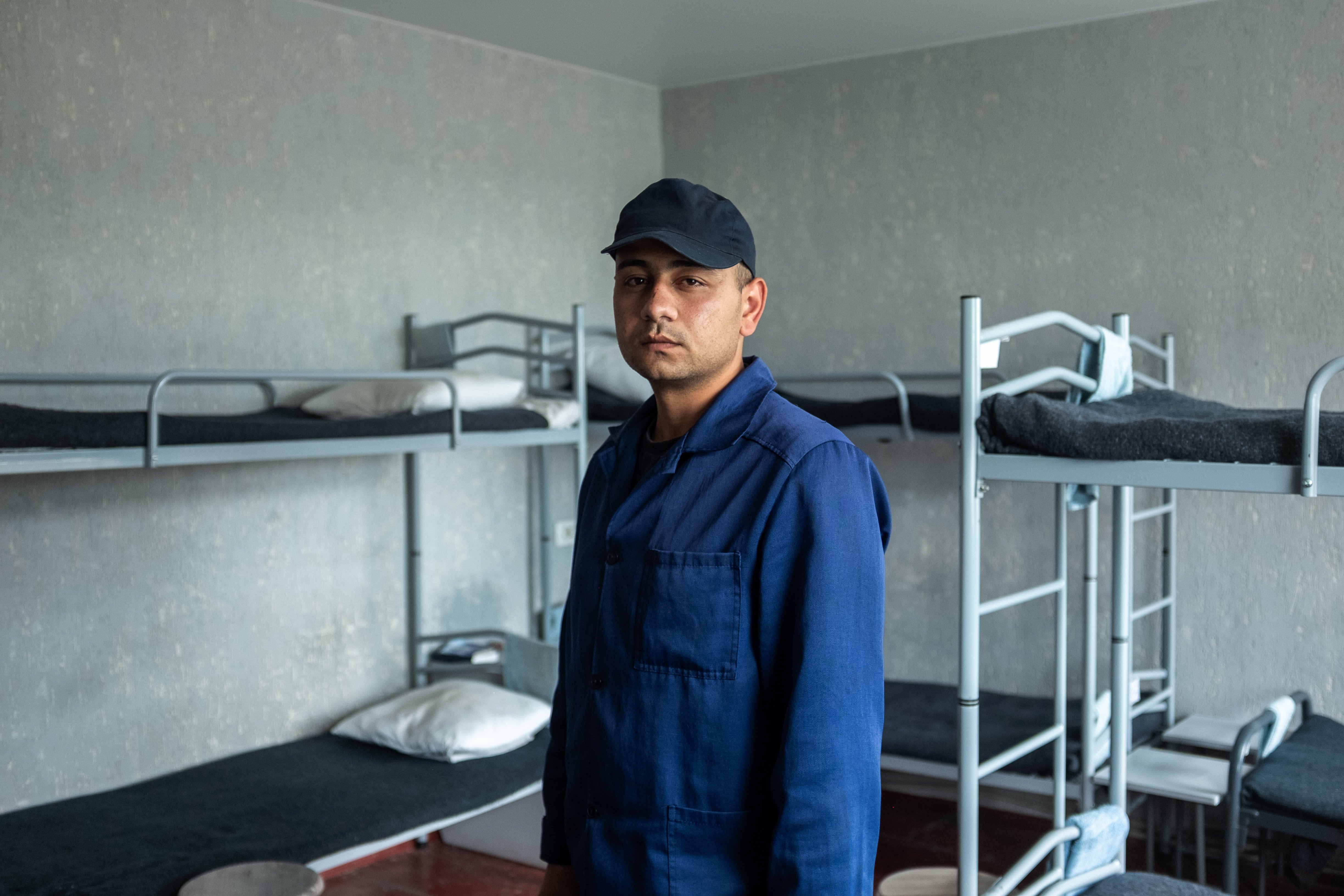
“It's my second Bachelor’s,” he says. What's the first one? “In Egypt, computer science.”
Omar is yet another educated man who still ended up joining the Russian military.
“The future in Somalia is zero,” says Nadil, a 29-year-old prisoner. He studied computer applications, he says, but couldn’t finish due to financial problems. That’s when he decided to look for a job in Russia.
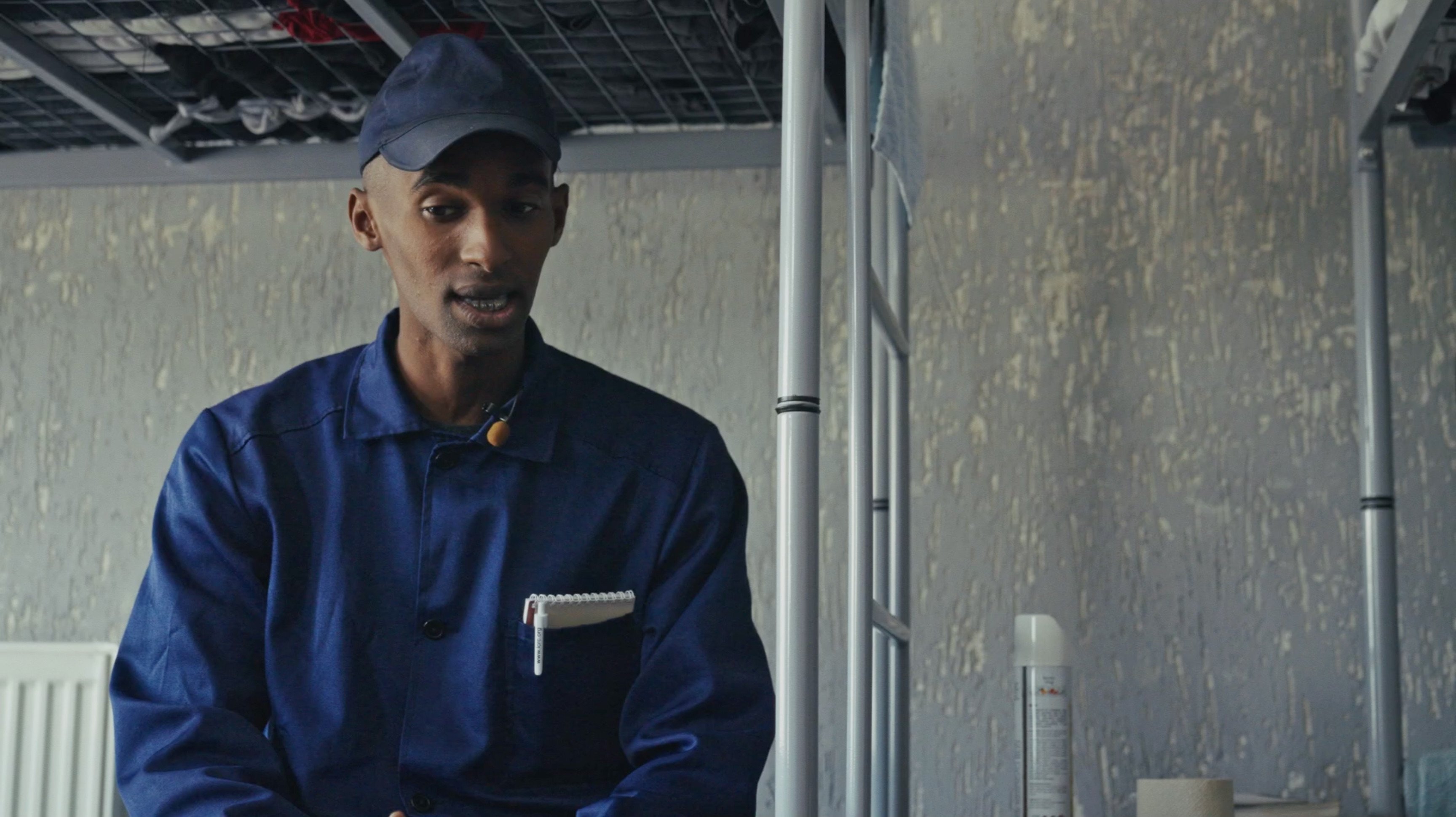
“The people in Somalia told me you can get a better situation there, a better life there,” he recalls. “I was going [to Russia] for a tourist visa. I tried to find another kind of job, unofficially. Documents are hard to get.”
For many, the decision began with the hope of a job, perhaps in fast-food chains or construction. But the easiest path in Russia was also the most deadly: signing a contract with the army.
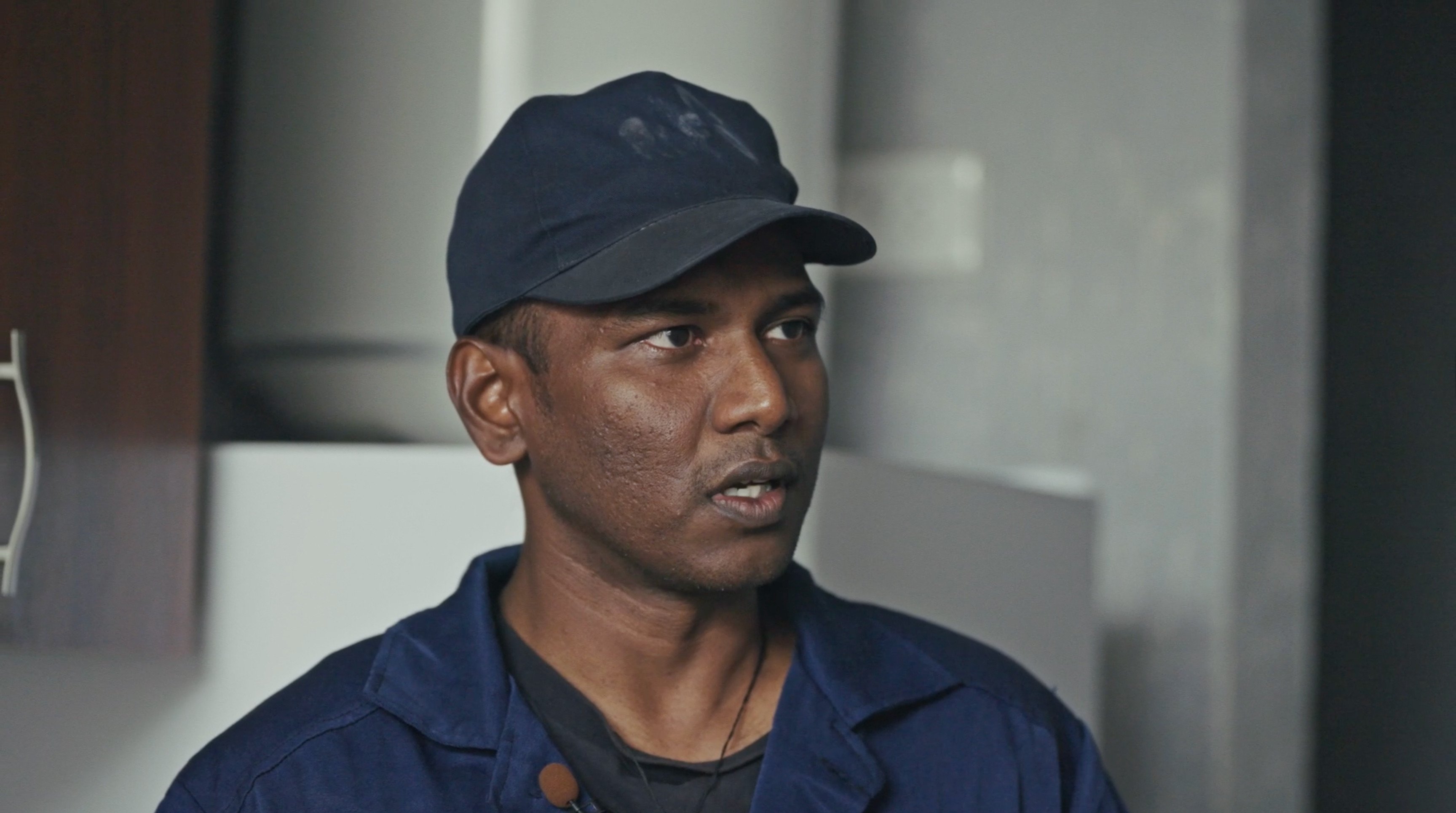
“I found a Burger King job,” says Varnakulasuria, a POW from Sri Lanka. “While I was working, one of my Indian friends came. He told me I can get a Russian passport and a good salary—do it legally by joining the army.”
Captivity instead of citizenship
Ukraine treats prisoners of war under the Third Geneva Convention, meaning every inmate has the right to speak—or not speak—to journalists. It takes persuasion, even small bribes like tobacco, to get conversations started. The answers, however, quickly reveal the gulf between expectation and reality.
Omar from Egypt, Nadil from Somalia, or Varnakulasuria from Sri Lanka—each of them said they believed that they’d either stay in the rear, in a bunker, or fight only temporarily, “because I’m not Russian,” as Omar put it. Instead, they were thrown to the frontlines within days.
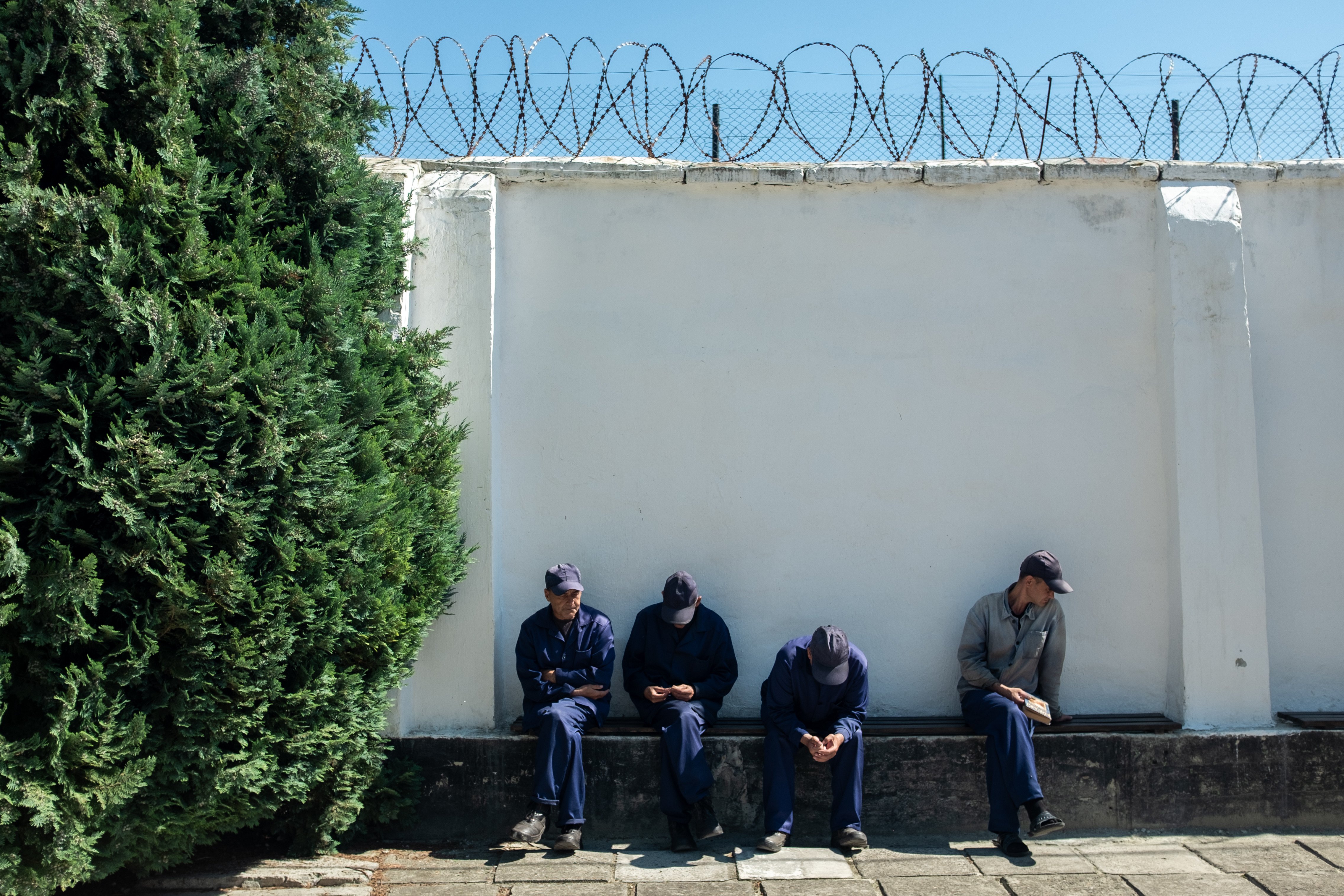
“The life of an assaultman is one week,” Omar recalled being told. “If you last one week, you will live.”
Andrii Yusov from Ukraine’s Main Intelligence Directorate helps explain the pattern behind the stories these prisoners tell.
“It’s very common among foreign mercenaries to have a typical story along the lines of: ‘I was just a student or working in construction, then they offered me this, said I’d only carry shells or help out, I wouldn’t have to shoot, and then they sent me, forced me,’ and so on,” says Yusov.
Russia deliberately exploits foreigners’ lack of language skills and knowledge of military contracts, he adds. Many sign believing the service lasts a year. In reality, Russian contract soldiers find their contracts automatically extended, and release depends entirely on a commander’s permission. For most, there is no exit.
⚡️ The UK Ministry of Defense: African soldiers are likely being recruited by Russia to avoid mobilizing its own people amid record daily casualties in the invasion of Ukraine.pic.twitter.com/wogEMzRe7q
— UNITED24 Media (@United24media) November 9, 2024
Yet, it's hard to believe that someone who spent days in active combat didn’t fire a single shot.
“They walked along the front lines with bouquets of flowers,” Yusov deadpans. “Undoubtedly, this is often an attempt to manipulate, a way to protect themselves because they are scared, because they are in captivity.”
Yusov says that Russia neither trains or prepares these foreigners—their task isn’t to survive, but simply to cover a certain distance, but simply to cover ground, sometimes even to carry out reconnaissance in suicidal ways. “Once they join a unit, they basically end up as slaves or people without rights,” he says.
A better life in captivity
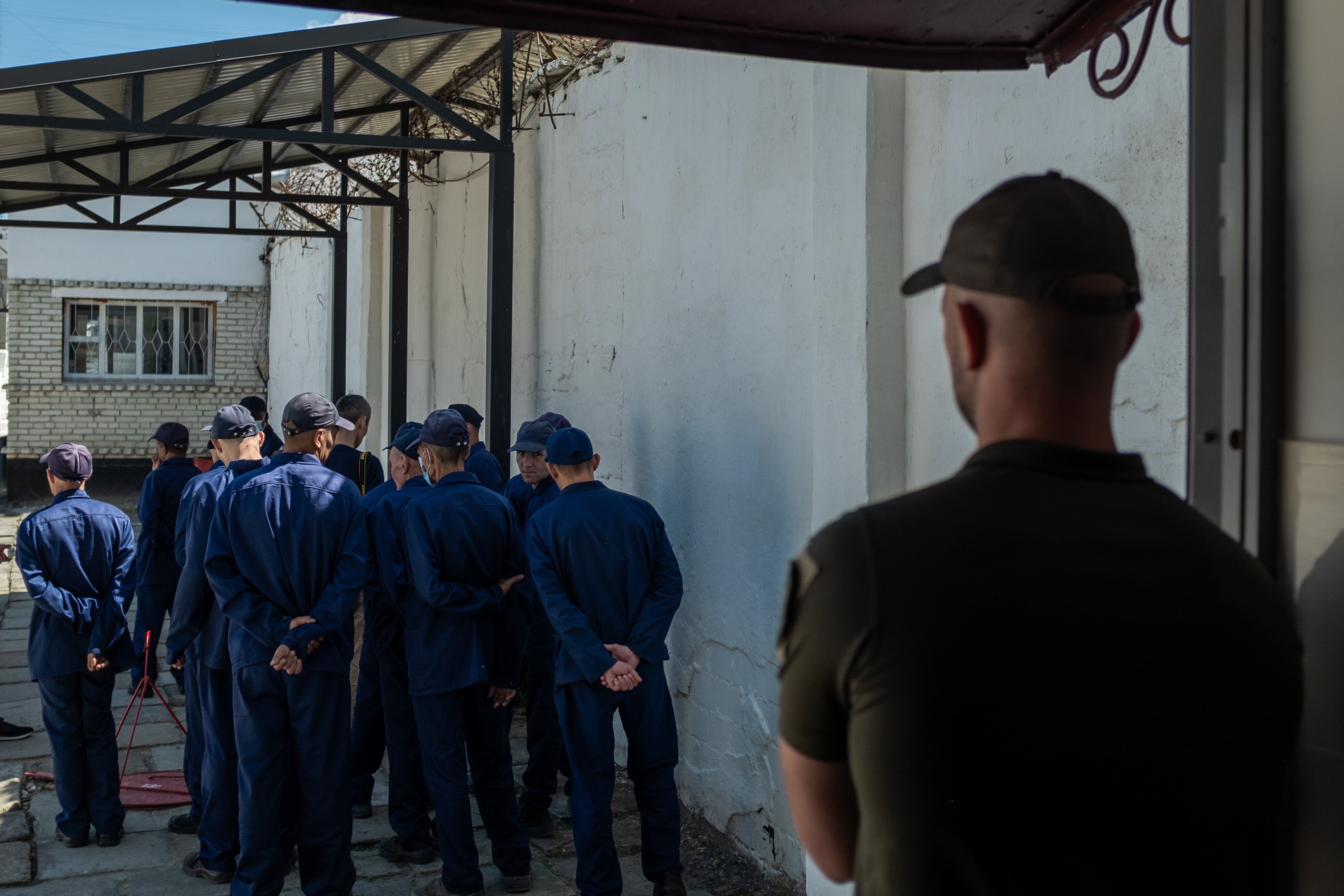
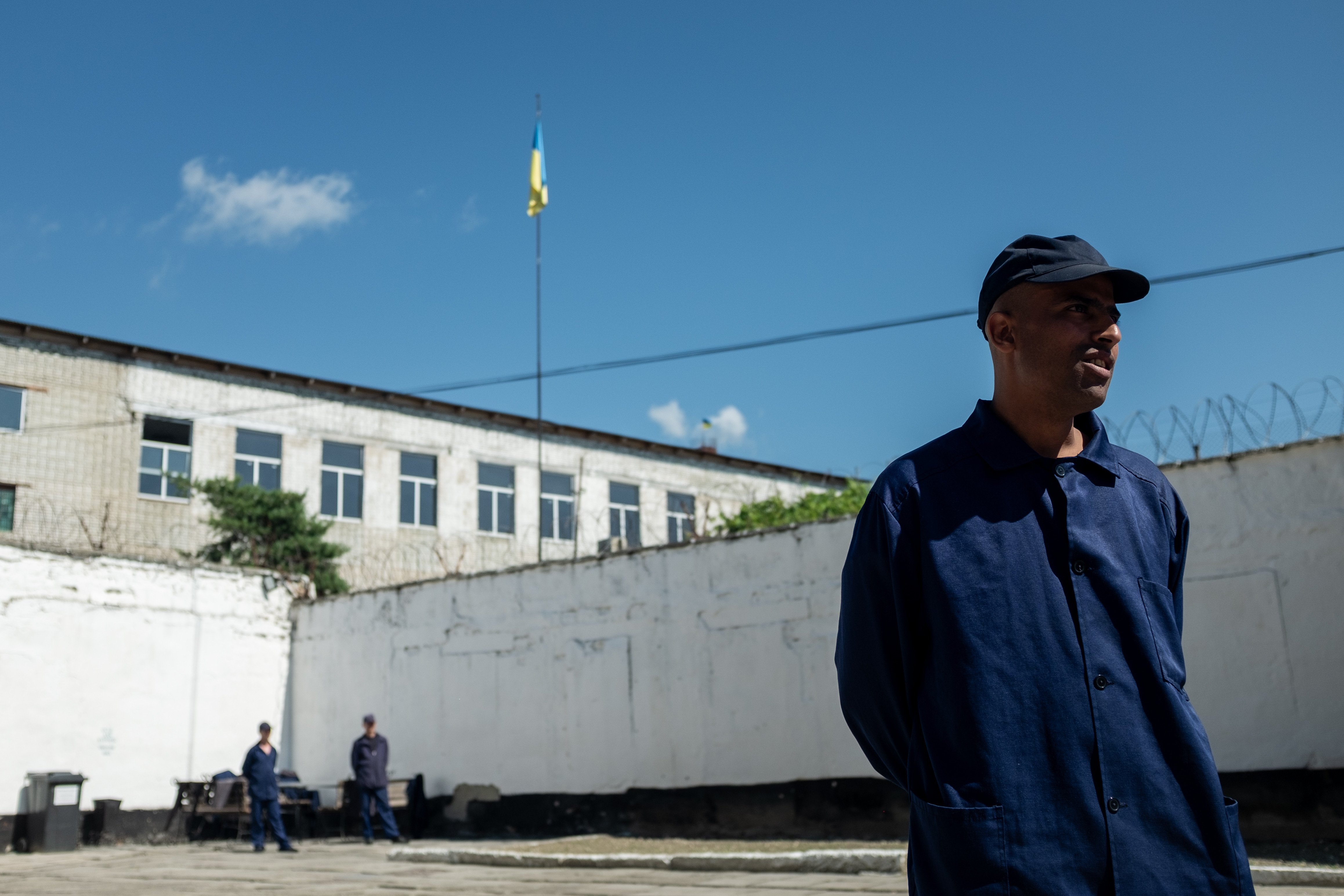
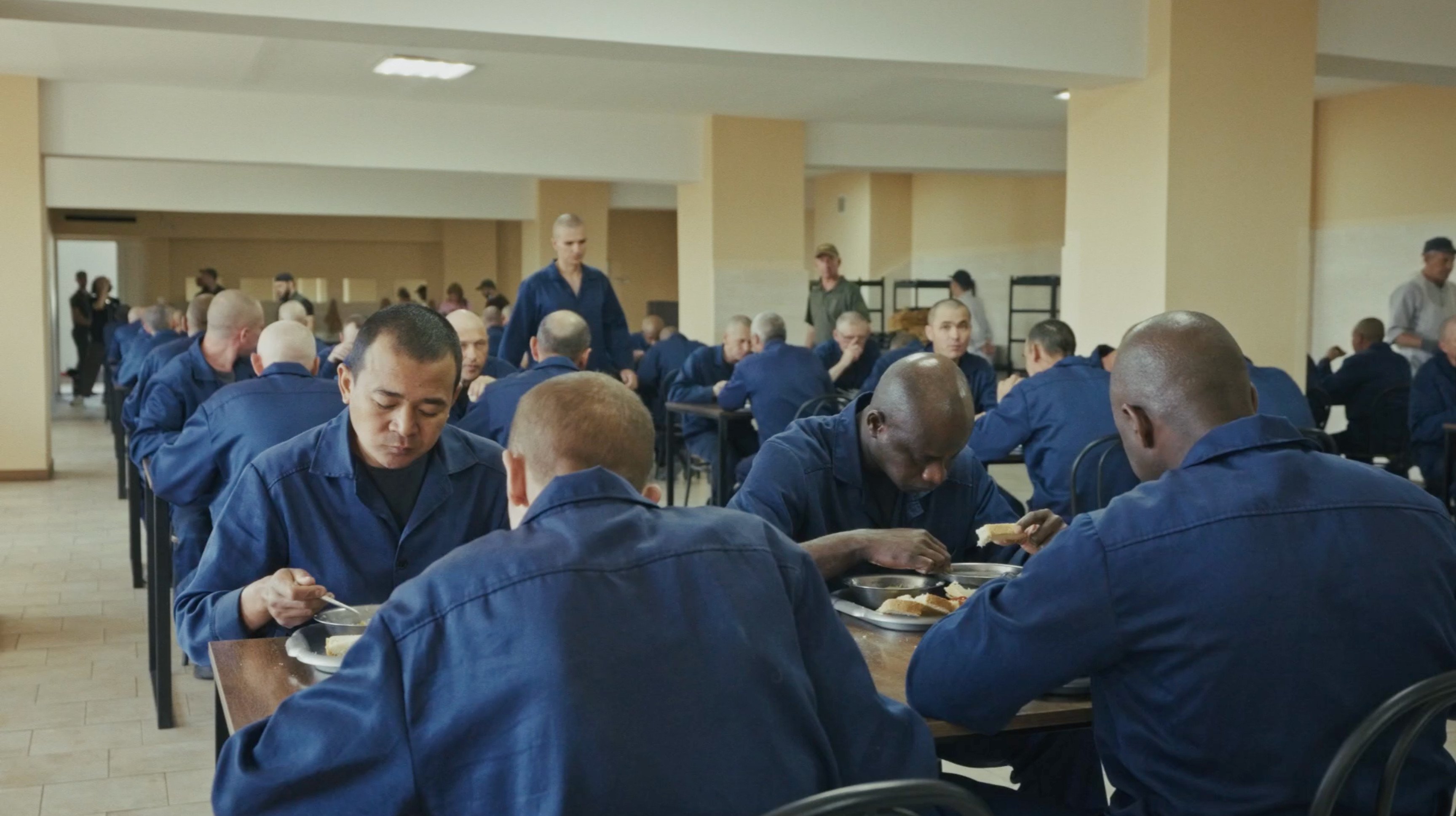
For some, life in Ukrainian captivity is better than what they experience back home—and certainly far better than on the frontline, as Russian losses in Ukraine exceeded one million soldiers. Here, POWs have access to medical and dental care, sports, gardening, decent meals, and accommodations.
Readers of UNITED24 may remember Koulékpato Dosseh from Togo, whom we interviewed earlier this year. Forced into a Russian assault unit and nearly losing his legs, he now walks again thanks to Ukrainian surgeons. He is visibly healthier than when we first met him.
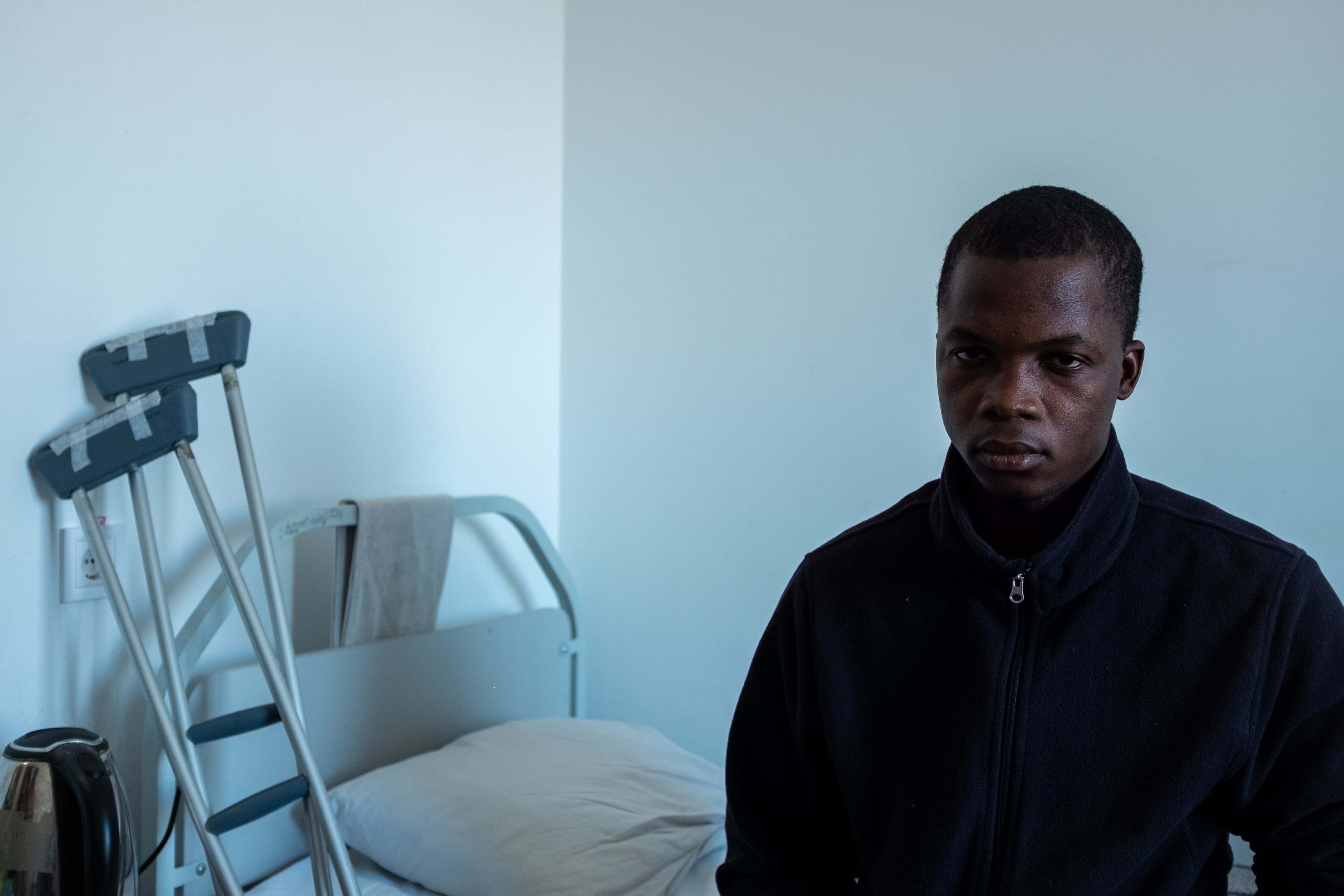
Others also had their injuries treated. The Sri Lankan fighter described the whine of drones overhead, the explosions that ripped through his body, and how his Russian comrades left him bleeding on the field.
“I just started praying: ‘Help me, God, please,’” Varnakulasuria recalled. “I saw three guys. I didn't know which guys. I told them, ‘Help me, help me.’ So they came. Ukrainian people.”
The Egyptian recruit spoke of shrapnel embedded in his skull, a reminder of how close he came to death. “It's here,” Omar says, pointing behind his ear. “If it was big… It’d cut my head off.”
Trapped by choices
For men like Nadil, captivity is now their only reality, but he is 100% sure that one day he will be exchanged to go back to Russia. “This is my side, I have to live with consequences. I have a Russian passport, so I'm a Russian man.” He clings to faith—“Allah is there” and wishes to move his family to Russia.
That is the paradox: once they sign, they cannot leave. The contracts they never understood bind them, and the passports they fought for to get a better life become the very justification for taking up arms and being used as cannon fodder. Even in Ukrainian captivity, their minds remain tethered to the system that exploited them.
And Russia hands out citizenship very easily. “Any mercenary costs less than a Russian citizen, especially when we talk about those killed in action,” says Yusov. “The more mercenaries die on the front for Putin, the better it is for him.”
Omar, after eleven months behind bars, put it in darker terms: “It’s like a bid on your life. If I am alive, I win. If I lose my life, I lose.”
Omar’s family is in Russia, so he feels he must go back there. Nadil, meanwhile, insists that every decision—even going to Russia and joining the army—was written by God, leaving him no choice. “I’m a small human being,” he says. “I can’t judge who is right or wrong.” Omar, by contrast, told us: “If my family were in Egypt, I wouldn’t have gone to war. I would not be sitting with you.”
What should a foreign fighter do once they realize they’ve made a mistake?
Yusov says there are still options for those already signed the contract:
Contact programs like I Want to Live, which cover all soldiers in Russia’s army—including foreign mercenaries. Ukrainian specialists can arrange a separate operation to safely extract a fighter from the frontline and transfer them into captivity under proper conditions.
Escape or desert inside Russia: since the border is vast, it’s sometimes possible to flee before being redeployed.
But the best advice remains the same—not to get into this situation at all.
“Don’t sign these contracts, don’t fall for the propaganda, and don’t believe promises of quick citizenship or high pay,” says Yusov. “There won’t be any passport or big money—at best, they’ll get injuries, and at worst, death.”
Watch the full interview on our YouTube channel:
Discuss this article:



-efa69d4733b5af9f7cd0a642f85424a6.jpeg "Thick black smoke rises from the heavily damaged Proton-Electrotex plant in Orel, Russia, following a reported strike. (Source: Exilenova+)")