- Category
- War in Ukraine
He Came to Russia From Iran to Take Photos. Then He Was Sent to Fight in Ukraine
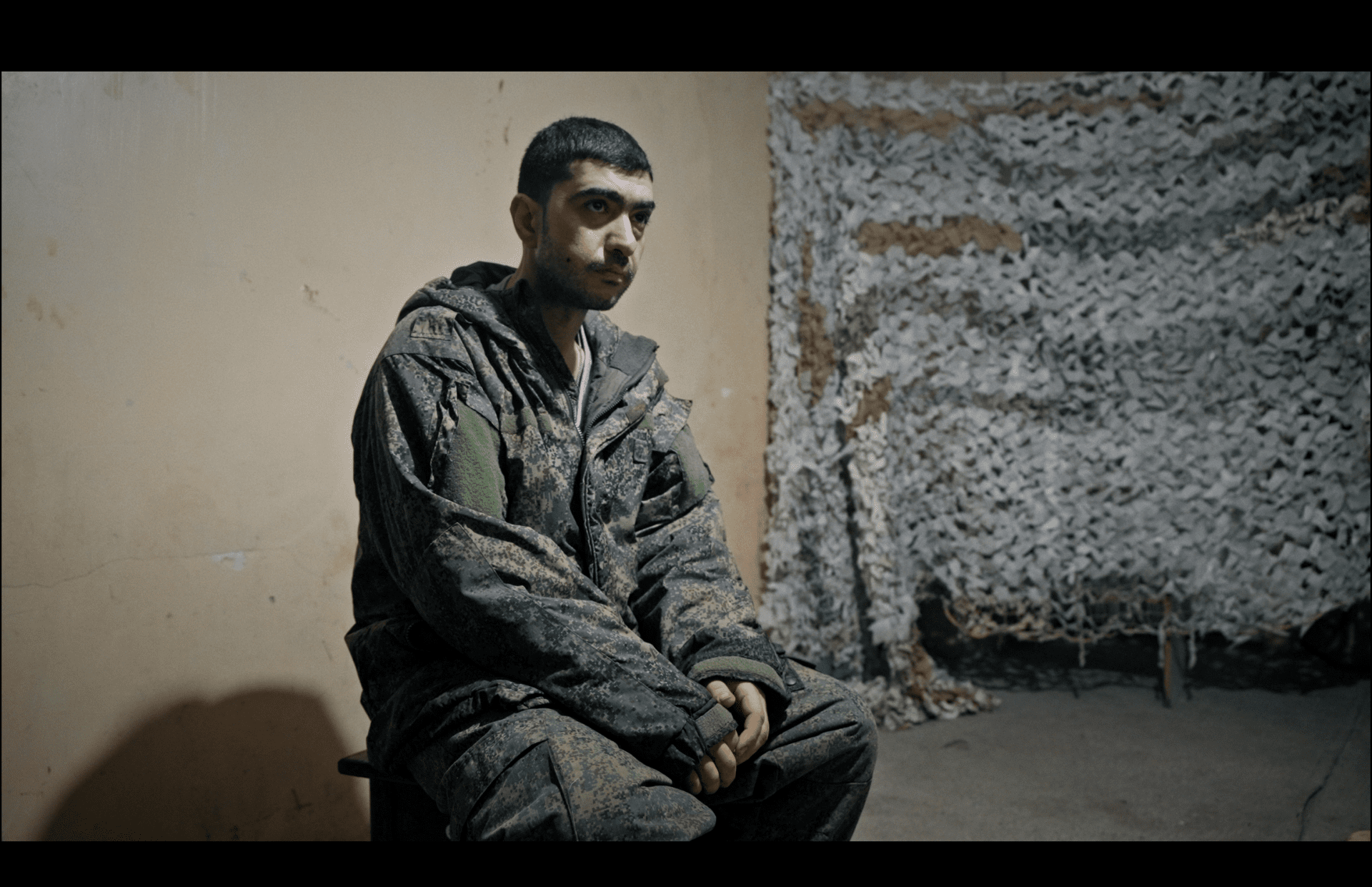
Arash Darbandi, a 34-year-old photographer from Ahvaz in southern Iran, came to Russia in search of work and never imagined he would become part of a war. In an interview with UNITED24 Media, he describes how an ordinary attempt to earn a living spiraled into coercion, detention, and ultimately forced conscription into the Russian army.
 Prefer U24 Media on Google
- Authors




Though trained as a petroleum engineer, Arash had spent most of his life behind a camera. He arrived in St. Petersburg on a tourist visa and made a living photographing passersby.
“I took photos of anyone who was dressed in colourful clothes. If they liked the photo, they paid me 1,000 rubles ($10–11),” Darbandi recalls.
He knew Russia was at war with Ukraine, but it felt far removed from his own life. That sense of distance collapsed after an incident that, according to Arash, ended with him being coerced into the Russian army, despite having no military background. “I had never even held a knife,” he said.
In a conversation with UNITED24 Media, Darbandi speaks openly about how a routine search for work turned into coercion, detention, and eventual forced conscription, describing the mechanisms used to trap foreign civilians inside Russia’s war effort.
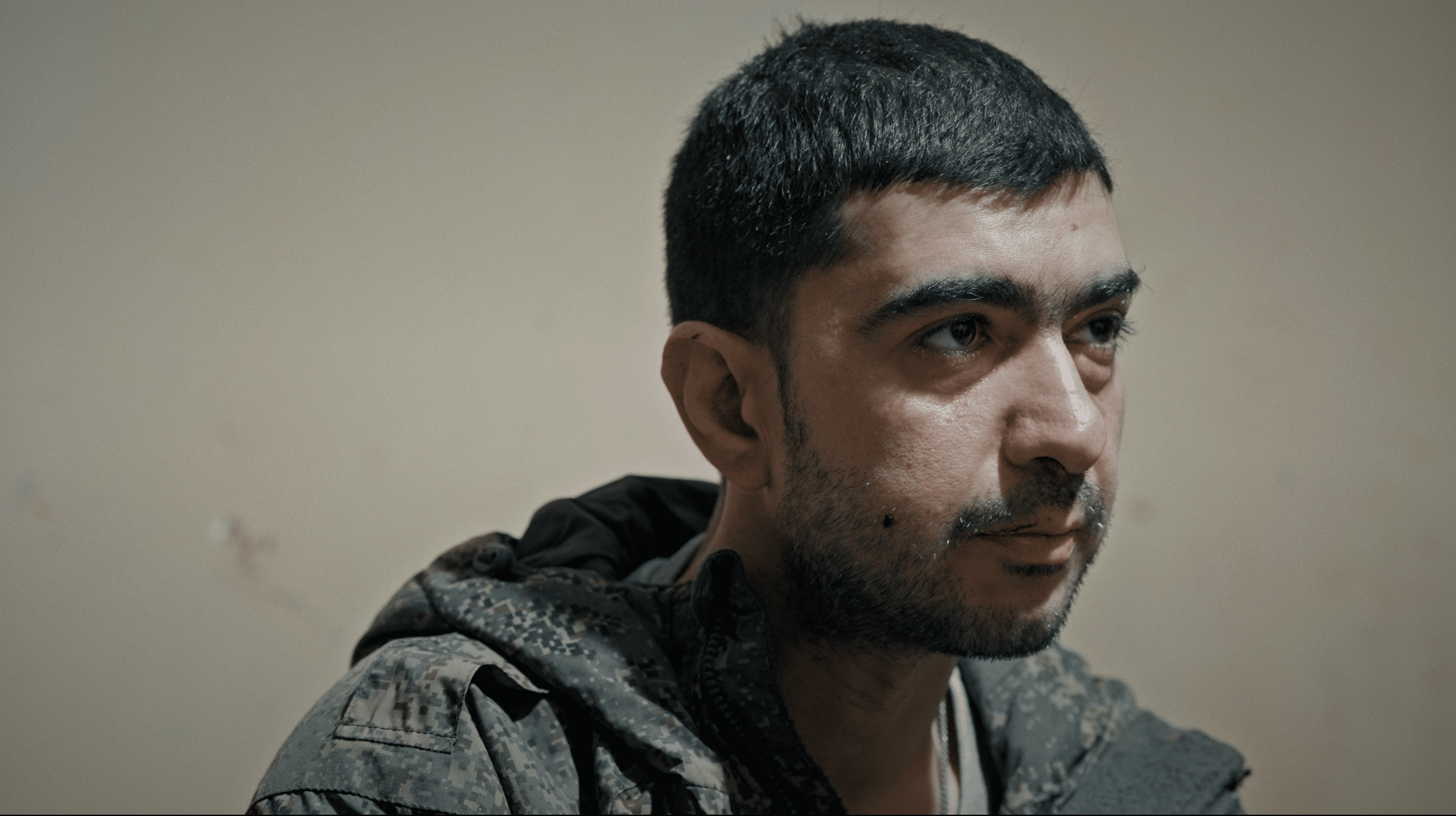
Q: Tell us the story of how you got into the Russian army?
A: It was either February 2 or February 3 when I was walking on the street and got into a fight with a police officer. After that, they detained me and took me to an administrative office, a military barracks in the city, in an area called Ligovsky Prospekt.
After that, they told me that I either had to go to prison for three to five years, or go to the war for one year. I told them that I would not go to war and that I had no interest in it. I said that I had made a mistake and got into a fight with a police officer, that a problem had occurred, and now I needed to resolve that problem. I told them that the maximum legal punishment for me, as a foreigner, should be deportation from their country.
But they told me that this was not Iran and not anywhere else in the world. They said, “This is Russia, and you must go to war.”
After that incident, I was kept in the barracks for about two or three months. Then I was sent to another area near a city called Belgorod in Russia for military training.
When I was sent to the military training center, because I was afraid of the war, I threw myself to the ground and broke my arm. While running, I put the baton and the weapon here on my shoulder, and I tripped myself on purpose. I hit my own leg so that I would fall onto my shoulder. I made sure the baton and the weapon were here, and that the impact would land here. I did this to myself.
According to Russian law, if you are injured during military service, your service is supposed to be waived. But in my case, they did not exempt me from service.
After that, I spent six months in total related to my injury: three months in the hospital and three months living in a barracks in the city of Kamenka as a wounded soldier. One day, when I woke up they told me, “Pack your things, we have to go.”
I told them that my right hand still wasn’t working properly, that I was in pain, and that I couldn’t move it. But they told me that we had to go.
We were under military training for about 20 to 25 days. Every day, I told the doctor that my hand wouldn’t move, it hurt, and I couldn’t move it. He told me it would get better.

Q: How long did it take and what kind of training did you have during that period?
A: Every day, we woke up at 5 a.m. At 5:30, we had to be present in the training camp courtyard for roll call.
After that, they would send us to different areas by vehicle. Each of us was in a separate vehicle, with each group in its own car, and we were sent to various locations. Our training consisted of walking and running. They didn’t teach us how to use weapons or anything else. They only told us to walk and run.
After that, they took us up into the mountains and forced us to climb on foot. After that, they showed us how to use a weapon, and then the training course ended.
They didn’t treat us as humans; they only saw us as expendable and just wanted to send us to the front so that the Russians could live safely. Whenever they go to war, they always send the foreigners to the front while the Russians stay behind.
Q: During your training camp, what kind of people were training there along with you?
A: Foreigners come from Africa, Arab countries, Iran, Kenya, and Colombia. They separate us from the Russians. The place where we slept was different from where they slept.
Foreigners have no rights at all; at any moment, they can take whatever they have.
You see, many foreigners signed the yearly contract just for the money. But as soon as they enter the training course, they regret it. All of them write reports saying that they no longer want to go to war and want to withdraw. But the officers gather those who are sent to the war anyway. I am telling all the people of the world: never cooperate with Russia… do not cooperate with the Russian government.
Q: How did the leadership treat soldiers who were training there?
A: They forced us to learn everything by coercion, shouting, and yelling. Everything was taught to us by force. When we fell to the ground, the guards would beat us harshly to make sure we stayed in line and continued our exercises.
Q: Was there a salary proposed to you?
A: I had no information. They just told me, “Either you sign this contract and go to war, or you go to prison for three years.”
Q: Tell us about your first task. In what circumstances were you wounded and as a result captured?
A: During our first mission, they took us to the place where I was wounded. We were told to walk there. I went there and the next day the drone leveled the area. They didn’t ask us; they told us that we had to go. One morning, we woke up and they said, “Everyone get into the vehicles and pack your things.”
Before they sent us, and until we arrived there, they didn’t give us any food. They laughed and told us that dead people don’t need food.
They gave me one weapon with two magazines and told us, “You’re going there, this is military training. Nothing is going to happen.” We went there and took cover in a trench, thinking it was just training. When the shelling started, because we thought it was training, we hid ourselves inside the trench.
There was a trench here that had an opening towards the front and upwards. It was like a small pit. All of us stayed there; three of us remained, positioned about ten meters apart from each other. We were ambushed, hiding.
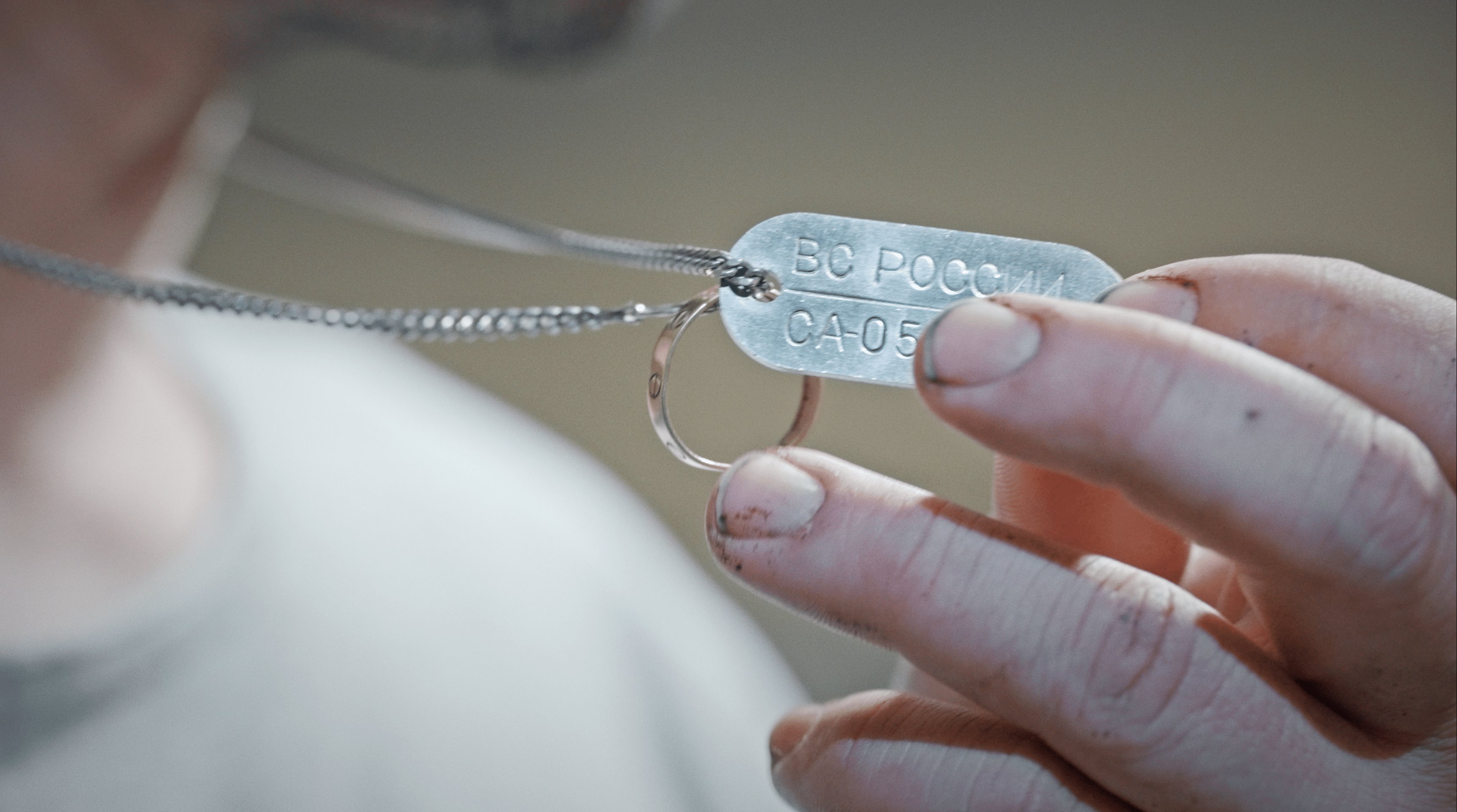
Q: Can you recall how it was when you were targeted by a Ukrainian drone?
A: I was sleeping under an anti-drone net. At that moment I was talking to God and saying: “I don't want to die here. I want to be a good person. I promised my father that I would be a good person when I returned.” Every time the drone dropped a bomb, some part of me was injured.
The first time — the right hand. The second time it hit my left eye, the third time this part of my face, the fourth time the back of my head, and the fifth time it hit between my legs, which caused injuries to those areas.
The last shot hit my bulletproof vest hard, right at the back of my lower back, and my vision went black and I didn’t feel anything anymore.
Q: Before going on this task, did you heard anything from the commanders or anyone else about surrendering?
A: They said that if you surrender, we—the ones behind you—will kill you ourselves. In the battalion, many foreigners were also killed by their own people.
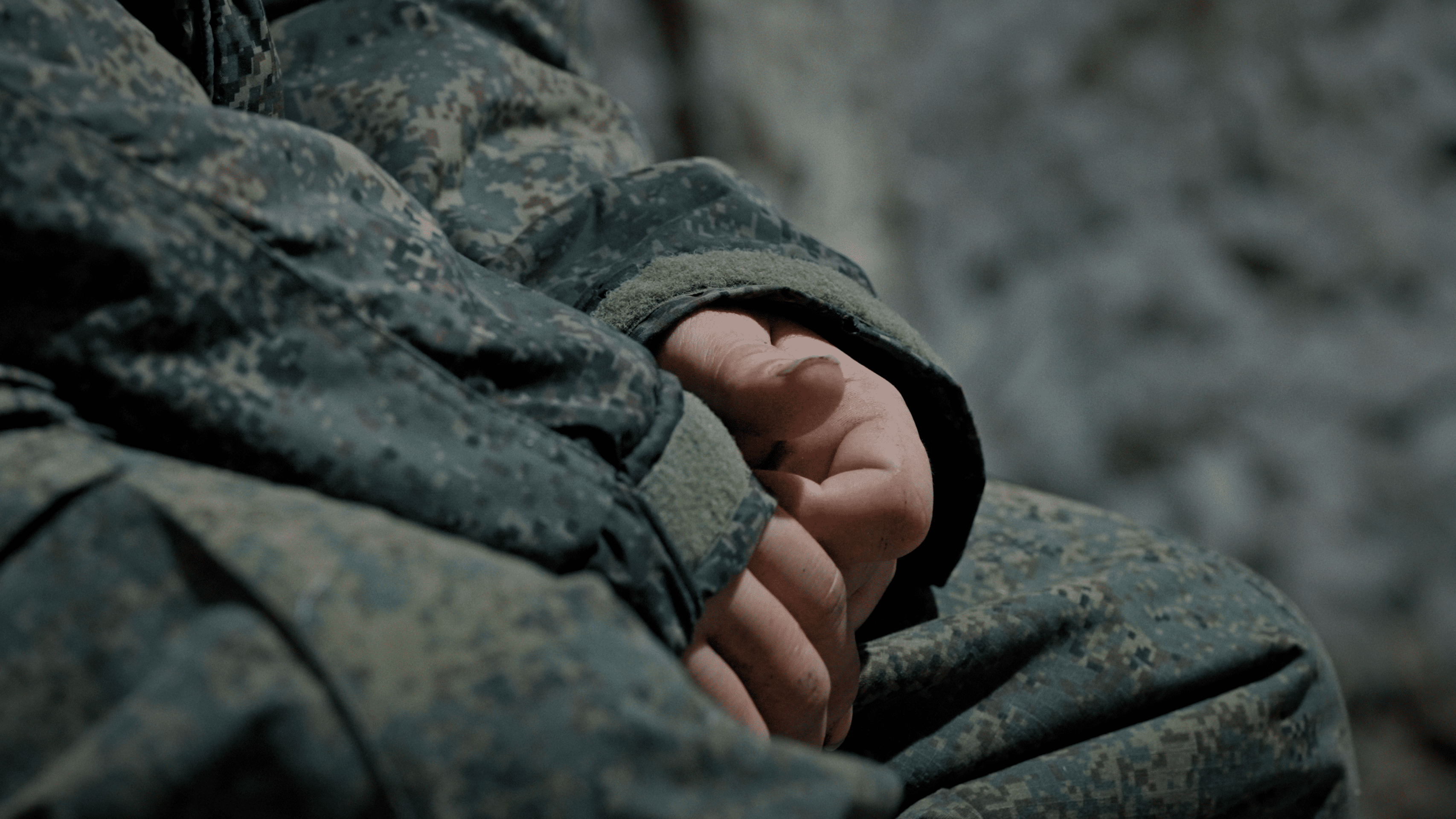
Q: What happened after you were attacked with a drone?
A: When the drone attacked, two people who were with me died, and I was hit in the back. I couldn't walk anymore. I fell right there and was barely breathing.
I was there for three days, and every day they watched me. I don’t know if anyone came to help. It didn’t matter to them whether I was dead or alive. Every time I looked behind me, I saw that I was moving, but none of them came to me.
I waved my hand and they saw it. If they were Ukrainian soldiers, they would have come up to me and taken me prisoner. Then it turns out that there were Russians who didn't come to me.
After three or four days of being stuck there, two Ukrainian soldiers came and rescued me. They helped me, gave me water, and took me to the hospital.
Q: Do you realise that you’re basically a criminal here? You’ve come to Ukrainian land with a weapon, so you commited a crime.
A: I realize that, but I was forced to do this. But even because of that coercion, I feel guilty, and I want to make amends for what I did.
Q: Why did you decide to go to war, take AK into your hands and commit crimes in Ukraine, instead of serving those 3 years in a Russian prison?
A: Because they were telling the people who lived there that they had to go to war, and that there was no way to escape. I came there to escape, but there was no opportunity to run away.
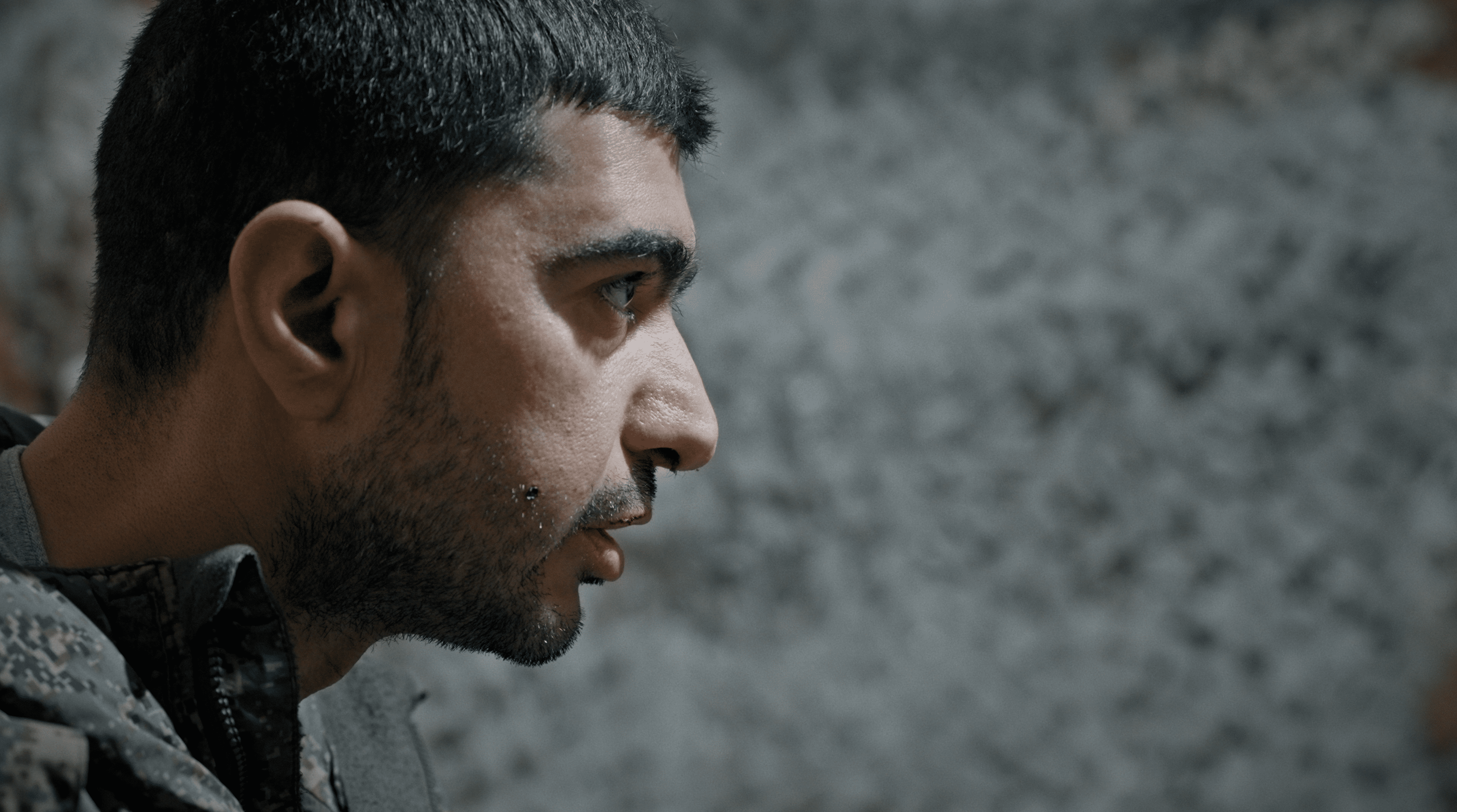
Q: Why didn’t you flee?
A: There was no way to go back. There was an armed person above us, and if we moved even a little away from our position, he would shoot us.
Q: If going back in time would you make the same decision?
A: When you fight, you do it for your country. And I have no reason to fight. I want to restore peace and work so that people can live in peace.
Q: What do you think is next for you?
A: I’m afraid if I go to Russia, they might send me to fight in another war again.
Q: What message do you have for people that might know you? Your relatives, friends.
A: Never help terrorists. They always lie and they always take advantage of you. Never help countries like Russia, Iran, and countries that support terrorists. Please stop the war.
Discuss this article:


-c439b7bd9030ecf9d5a4287dc361ba31.jpg "Photo of Katherina Popilnichenko")