- Category
- Life in Ukraine
What It Means to Be Indian in Ukraine as Russia’s War Rages On
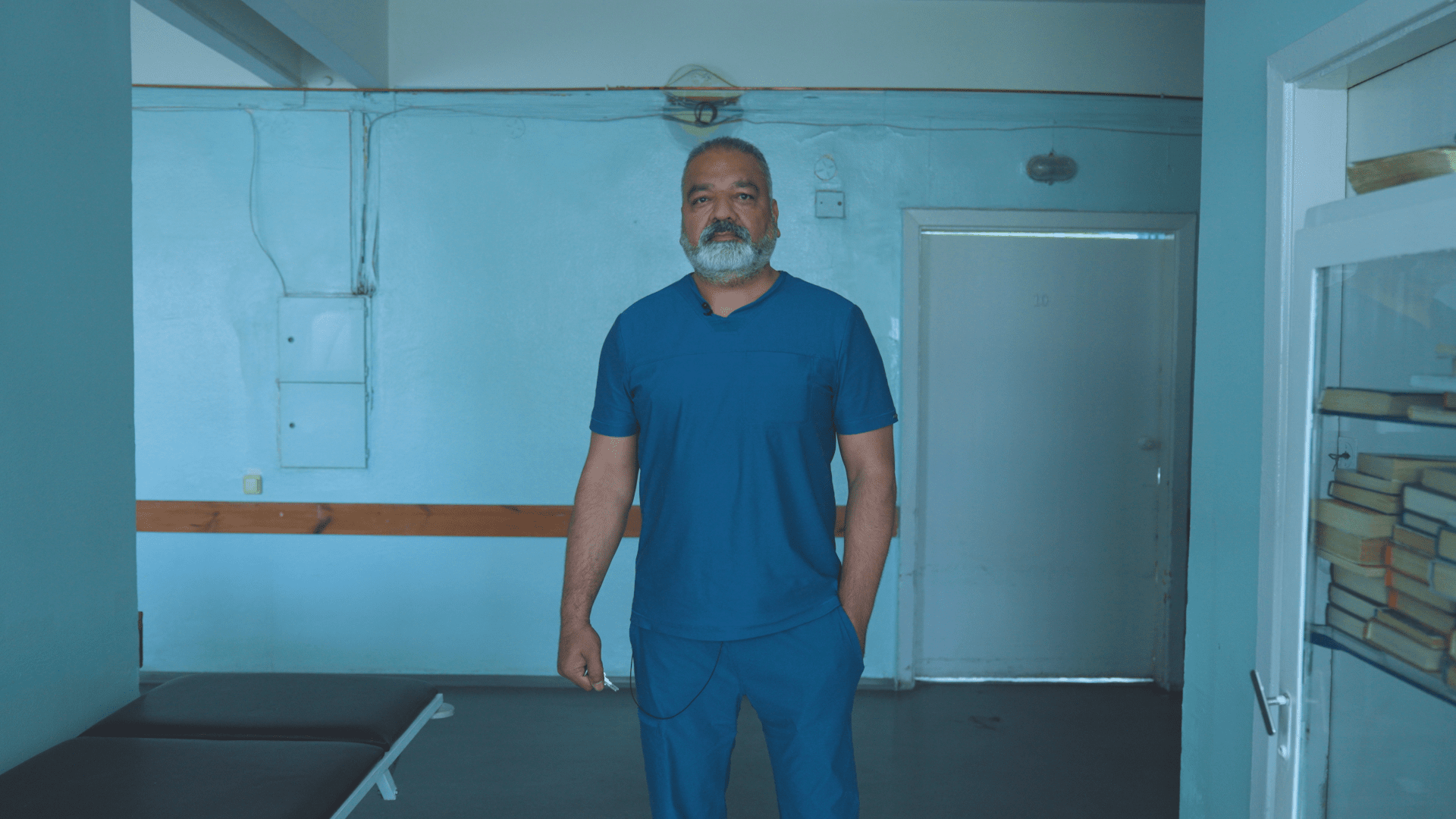
“I’m more than half Ukrainian now,” says Ram Dange with a smile. As a student, he came to Ukraine from India in the early ’90s and never left. India is his birthplace, but it is Ukraine where he built everything.
 Prefer U24 Media on Google
- Authors


Some wonder: Does India support Ukraine? Well, since the late ’80s, India and Ukraine have shared a quiet but enduring connection. Drawn by affordable, world-class education in Soviet universities, thousands of Indians arrived in Kyiv, Kharkiv, and beyond, studying medicine, engineering, and the sciences. When Ukraine gained independence in 1991, many found themselves at a crossroads—and chose to stay, laying down roots in a young country finding its way.
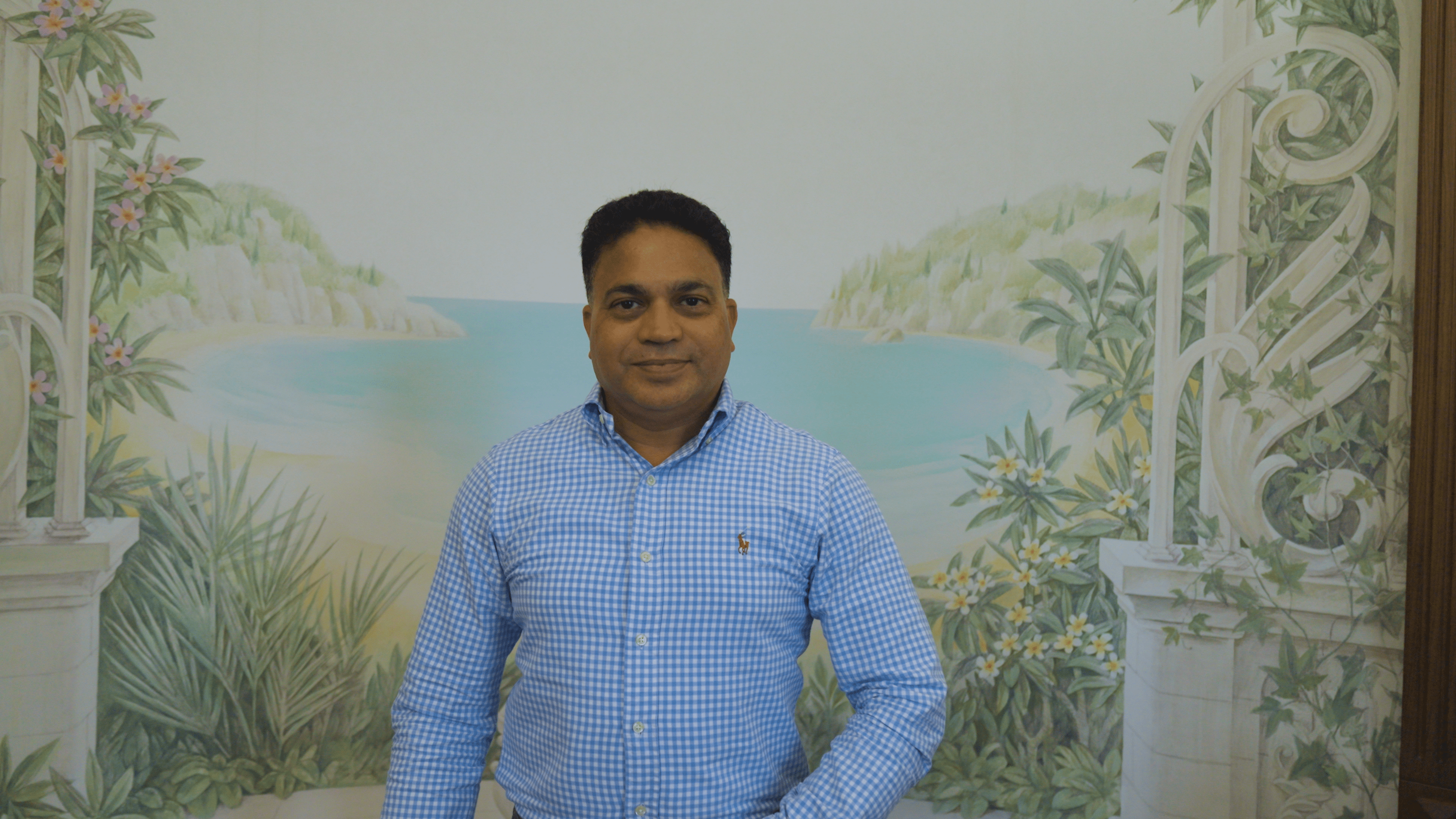
First coming to Ukraine from India just after Ukraine declared independence (1991), Ram stayed through the collapse of the Soviet Union, married a Ukrainian woman, raised a family, and built two businesses staffed entirely by locals.
For him, Ukraine isn’t just a place to live—it’s his karmabhoomi, the land where he’s done his life’s work. Even in wartime, Ram sees opportunities for reconstruction, investment, and deeper ties between the Indian and Ukrainian people.
Over the decades, Indian immigrants found their standing as the Indian diaspora in Ukraine. They became entrepreneurs, doctors, restaurateurs, and community leaders, forging lives in a drastically different yet accepting culture. They raised families, built businesses, and, in many cases, grew to call Ukraine home. By the eve of Russia’s full-scale invasion in 2022, the Indian community had swelled to around 24,000 people, all looking for opportunities they may not have gotten back home.
We spoke with four Indian Ukrainians—from a grain exporter to a prosthetics innovator—to understand how and why they’ve stayed, endured, and thrived in a country under attack.
Building Ukraine’s agricultural sector as his Karmabhoomi
Ram is one of many Indians who, after coming to Ukraine, soon recognized the potential in a country with rich soil and strong demand for both domestic staples and export crops. Today, he leads Indrayani Overseas and Gala Foods, two companies that have carved a niche in Ukraine’s competitive grain and pulses market.
Ukraine’s black earth soil doesn’t just produce wheat and sunflower oil—it also grows high-quality pulses, such as peas, chickpeas, and lentils, which are in growing demand across Asia and Europe. Ram’s companies specialize in sourcing, packaging, and exporting these products while supplying rice and groats to the Ukrainian market. By focusing on these segments, he’s helped diversify Ukraine’s agricultural exports beyond bulk grains.
Indrayani Overseas, founded in 1998, became a key supplier to Ukrainian wholesalers and retailers, while Gala Foods expanded from a small packaging facility into a major exporter offering private-label products across Europe and beyond. Through strong partnerships with local farmers and processors, Ram’s businesses have kept operating even amid wartime disruptions.
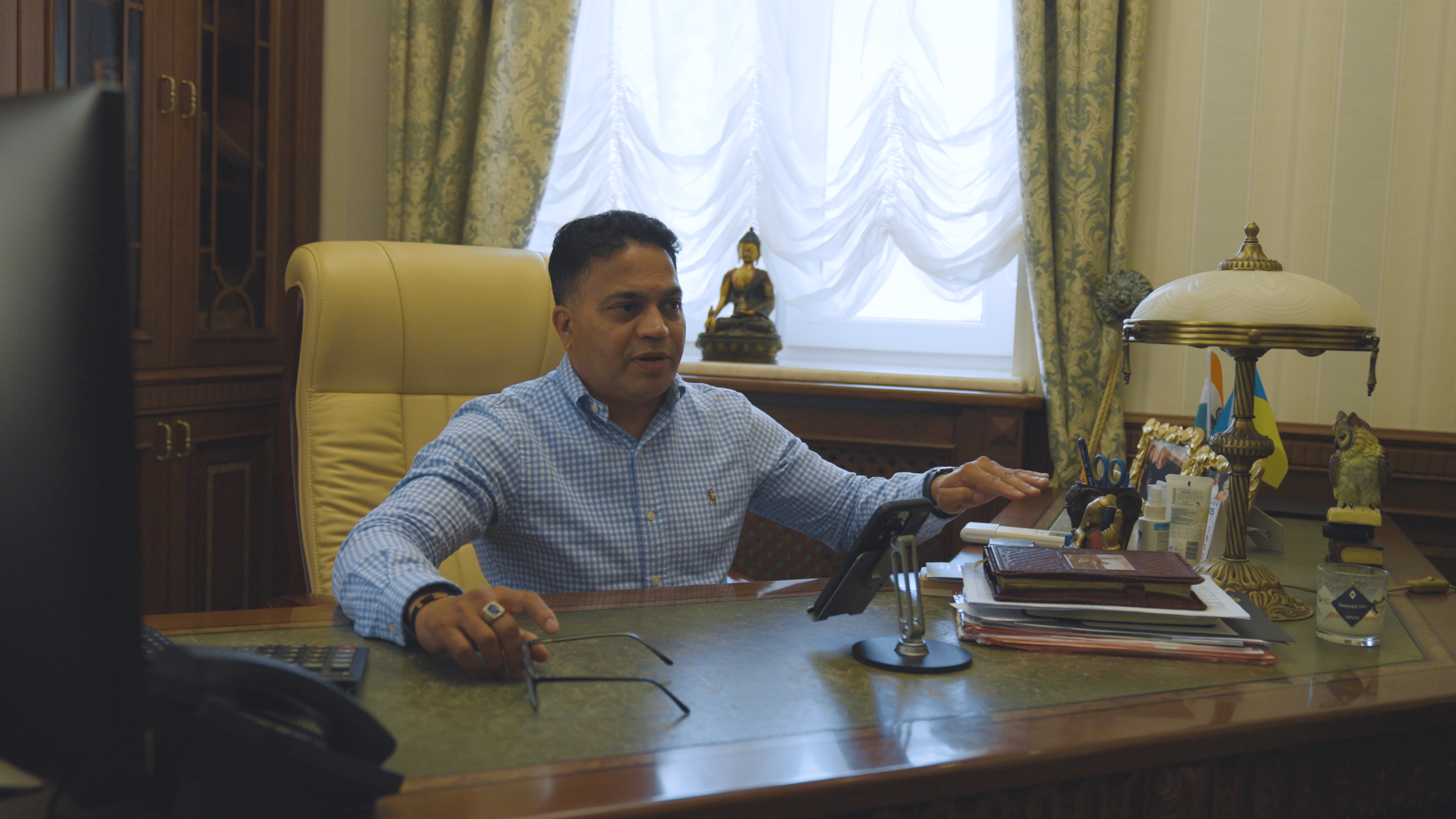
“I am more than half Ukrainian now because I have spent more years of my life here than in India,” he said. “India is my battery to charge, but Ukraine is my karmabhoomi—the place where I have done the maximum of my karma.”
Looking ahead, he sees major opportunities for India-Ukraine cooperation in agri-processing, packaging technology, and modernizing equipment still used from Soviet times—areas where Indian investment could help both countries grow stronger together.
Ram’s journey shows how Ukraine can be more than a place of opportunity for Indians—it can be a karmabhoomi where they build businesses, support Ukraine’s agriculture, and help lay the foundation for a deeper partnership between the two nations.
A surgeon who chose Ukraine as home
For 36 years, Dr. Alok Bansal has called Ukraine home. He arrived from India in 1989, back when it was still the Soviet Union. Since then, he’s witnessed the fall of the USSR, Ukraine’s independence, two revolutions, and now Russia’s full-scale invasion. Through it all, he’s remained in Kyiv, working as an orthopedic surgeon and leading his community.
“I came not to Ukraine, I came to the USSR,” he says. “Then it became the CIS countries in 1991. I’ve seen all the breakage, all the revolutions. I’m still here.”
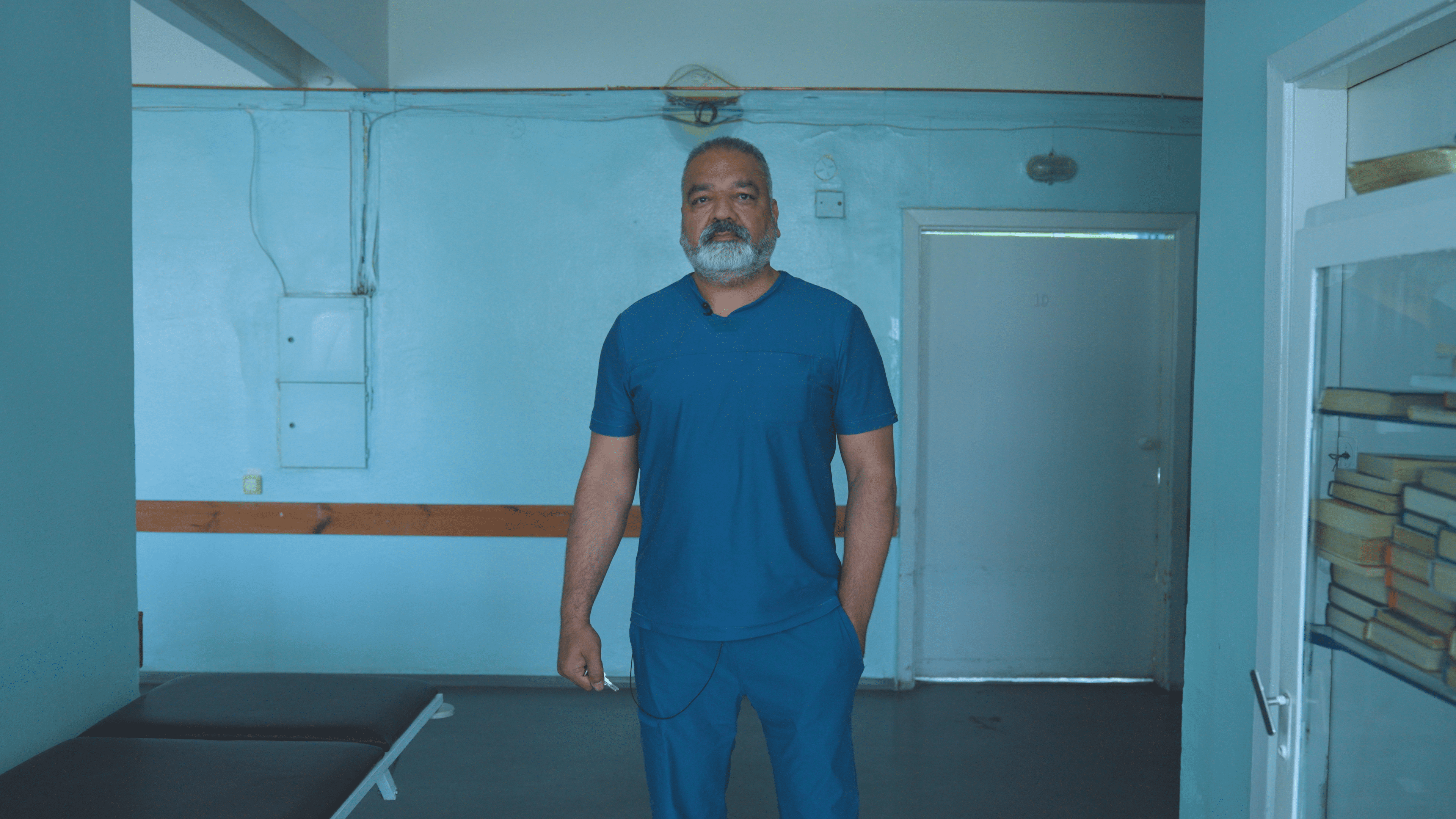
For Dr. Bansal, staying is a matter of responsibility. “This country gave me my livelihood. I feel I must stand with it.” That sense of duty—and his outspoken nature—made him a natural choice to lead Ukraine’s Indian diaspora, a position he’s held for six years. In India, doctors are revered; in Ukraine, he’s earned the title of “honorable doctor.”
He’s quick to remind people that Ukraine’s relationship with India runs deeper than most realize. “Everybody thinks it was just Russia selling India tanks and MiGs, but Ukraine played an important role. A lot of scientists, weapons, tanks—even parts for atomic bombs and power stations—came from here.”
When it comes to the war, he’s blunt. “Living in a European country in the 21st century, and there’s war—it’s horrible. Sometimes I can’t believe it’s real.”
He doesn’t mince words about Vladimir Putin. “Putin is a terrorist. He’s bombing hospitals, maternity homes. Okhmatdyt, our biggest children’s hospital, was destroyed. He should be arrested.”
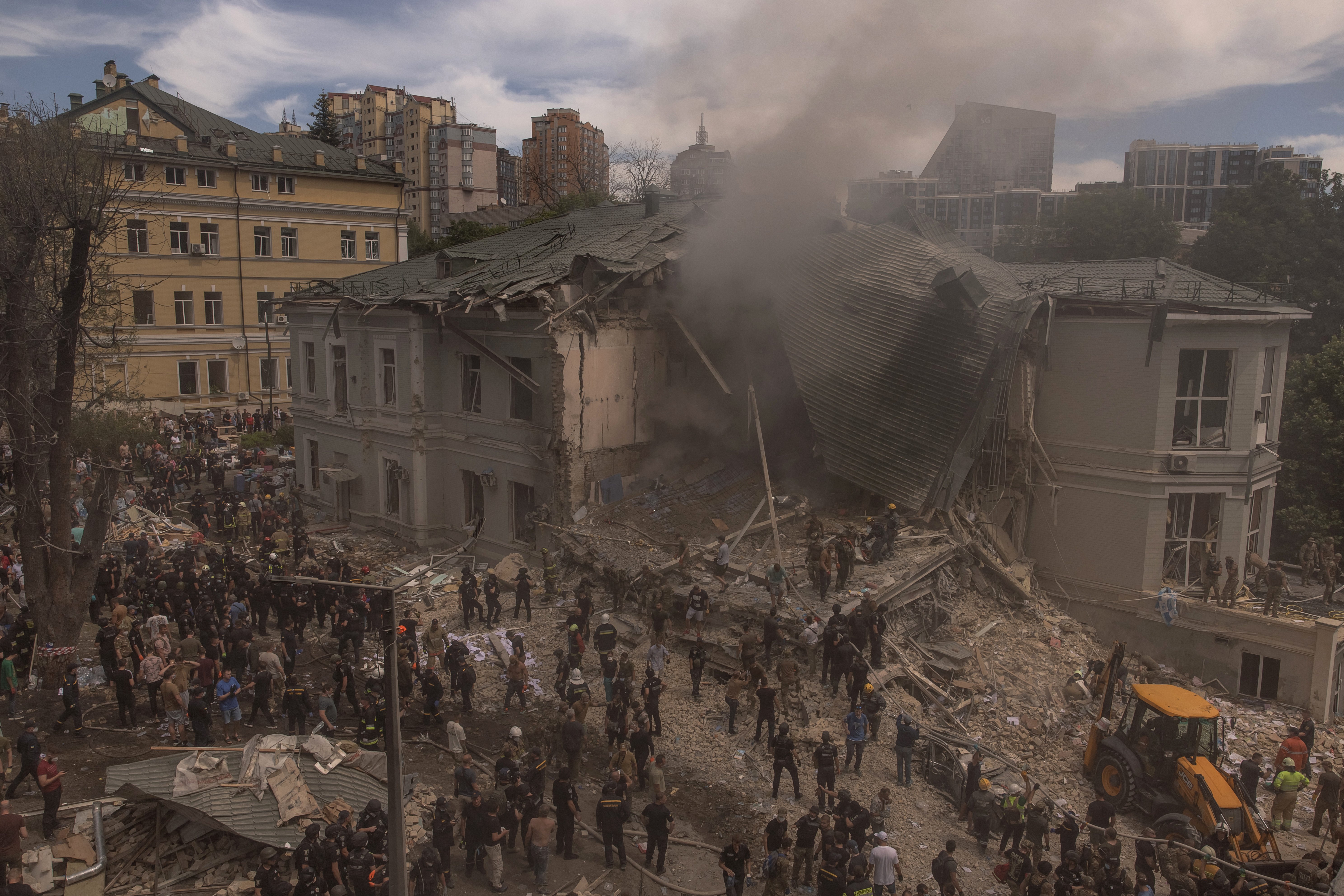
On July 8, 2024, Russia launched a massive missile barrage on Ukrainian cities, including a direct hit on Okhmatdyt Children’s Hospital in Kyiv. Russia killed at least 27 people and injured over 100 in the attack.
At that very moment, Indian Prime Minister Narendra Modi was in Moscow meeting with Putin. The hospital strike made headlines while Modi was still on Russian soil. According to reports, he left early, though the reason was never confirmed.
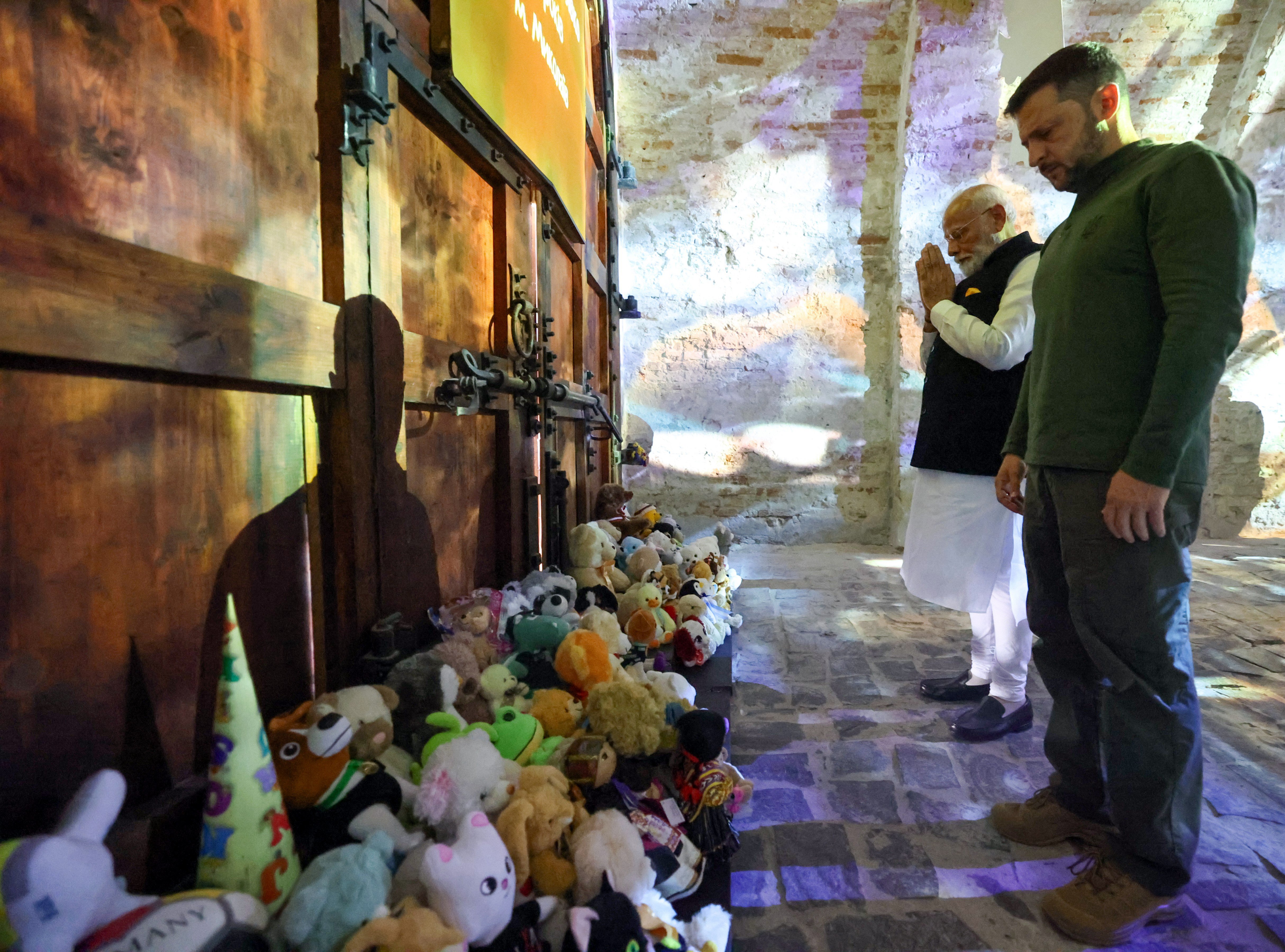
Weeks later, Modi visited Ukraine, becoming the first Indian prime minister to do so since the full-scale invasion began. For Ukraine’s Indian community, the contrast between the two visits was striking. “They destroyed our biggest hospital for kids—and that day, Modi was in Russia,” Bansal said.
Modi’s trip to Kyiv was seen as a gesture of solidarity. But for those living under Russia’s daily missile threat, it also came with expectations. “Modi is respected around the world,” says Bansal. “He needs to step in and help stop this war.”
For Bansal, the war isn’t abstract. “A building was hit 300 meters away. Glass shattered in my hospital. People were sleeping when the rocket came. Officially, they said ten died—but I’m sure it was more. Who the fuck is Putin to take my life away? To disturb the lives of normal civilians?”
He believes India must play a more active role. “This is my message to Prime Minister Modi: Think about it. You’re a dynamic leader. You can help bring peace. You must save us. Save Ukrainian lives. Gather the leaders—Trump, Putin, Erdogan, the EU—and convince this idiot to stop the war.”
Despite everything, he stays. “My wife is here. My kids are here. I live with my family.” His advice to young Indians watching from afar? “Stay safe, stay healthy, and help people in Ukraine. Study well, become a doctor, and serve this country.”
Restoring lives one prosthetic at a time
“My name is Nagender Parashar, and in Ukraine, I have 10 prosthetic centers where we provide prosthetic limbs, mostly lower limbs and some upper limbs, to the defenders of Ukraine. We also have a prosthetic manufacturing facility right here where we are sitting right now.”
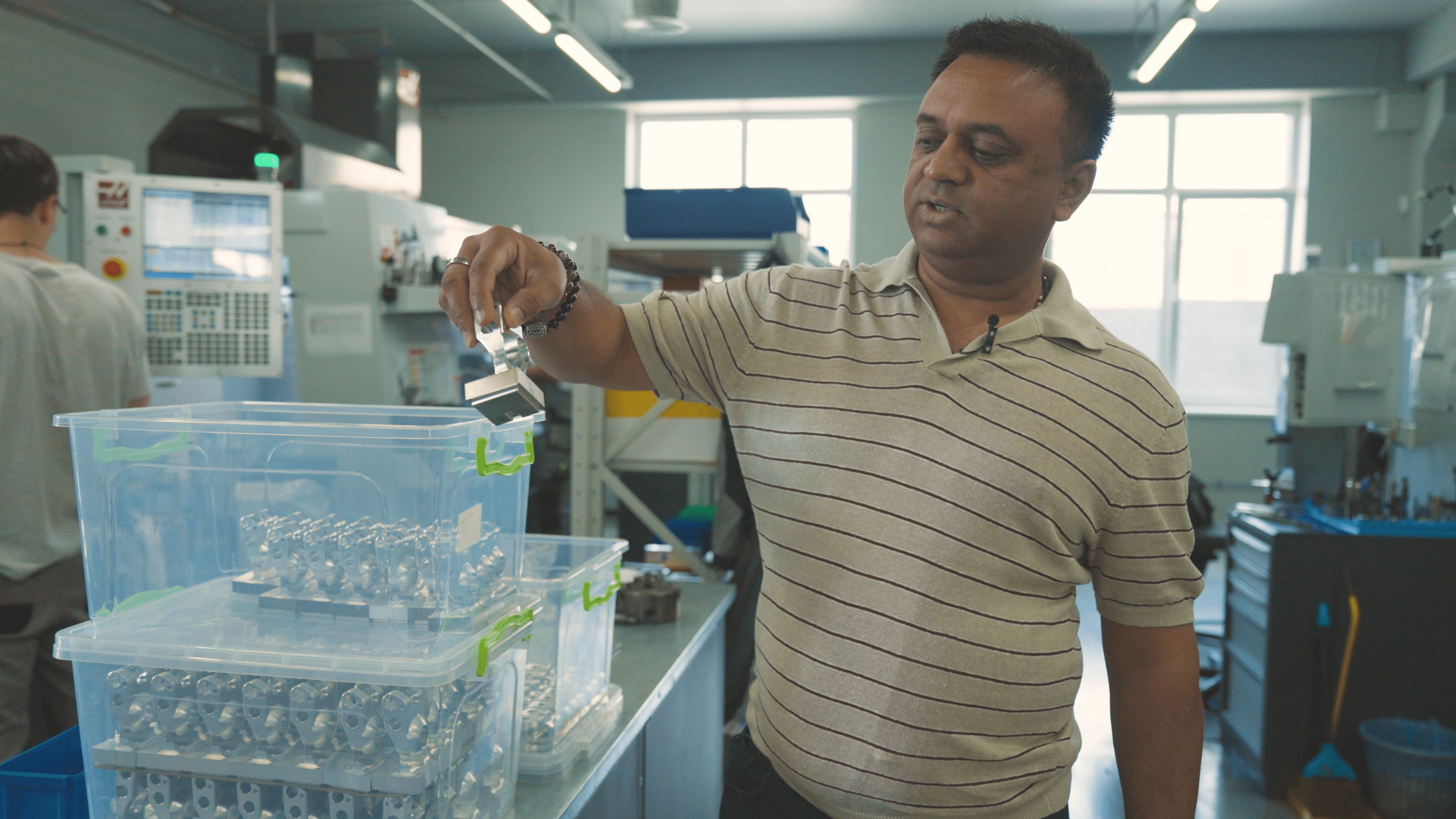
Nagender Parashar arrived in Ukraine in 1991, just as the country declared independence. At 17, he came from Delhi to Kyiv, enrolling at the National Aviation University to study computer programming. But finding his footing in a new country wasn’t easy, and Parashar took on any work he could to stay afloat. In 2008, he stumbled into an unexpected opportunity: helping import prosthetic components into Ukraine. Without realizing it, he had stepped into an industry that, tragically, would see soaring demand as war returned to Ukraine’s streets.
Unsatisfied with the poor quality of imported parts, Parashar decided to do things differently. He founded Parashar Industries in 2016, after years of experience in the prosthetics field, even before the war in Donbas erupted in 2014. Today, he runs a network of 10 prosthetic centers across Ukraine and produces advanced artificial limbs for soldiers and civilians who have lost limbs in Russia’s war. Inside his Kyiv facility, lightweight metal is crafted into durable knee joints and other components, a testament to his determination to deliver the highest quality.
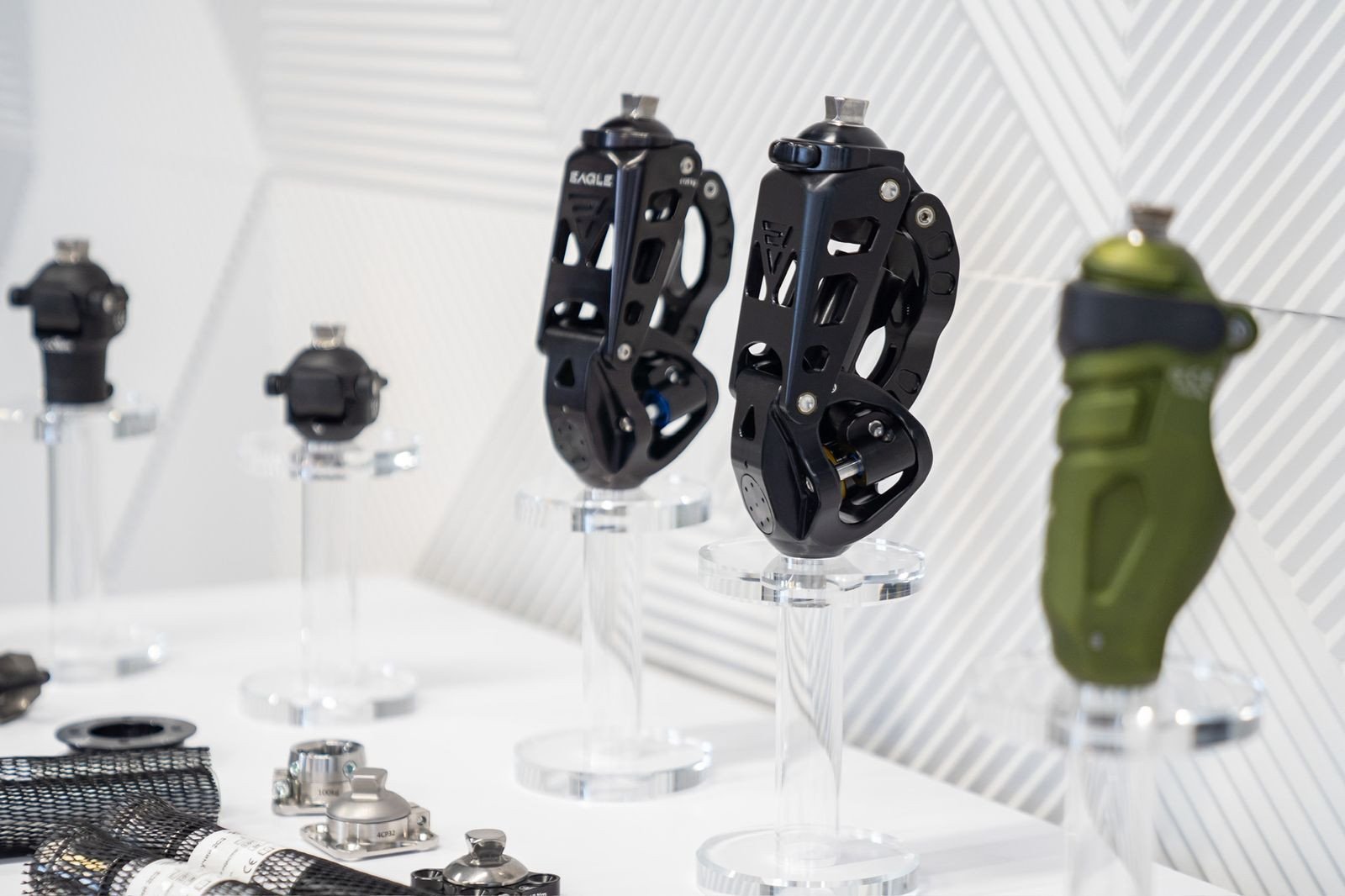
For Parashar, the work is deeply personal. “I feel myself as an Indian Ukrainian,” he said. “My children are Ukrainian citizens, my companies are here, and my employees are like family. The soldiers who come to us, who have sacrificed so much, are also part of our family.”
Working close to the frontlines is never easy. “I live near the factory, and we have sleepless nights as Russia’s suicide drones fly over our heads,” he said. “It’s not easy, but we still do our job.”
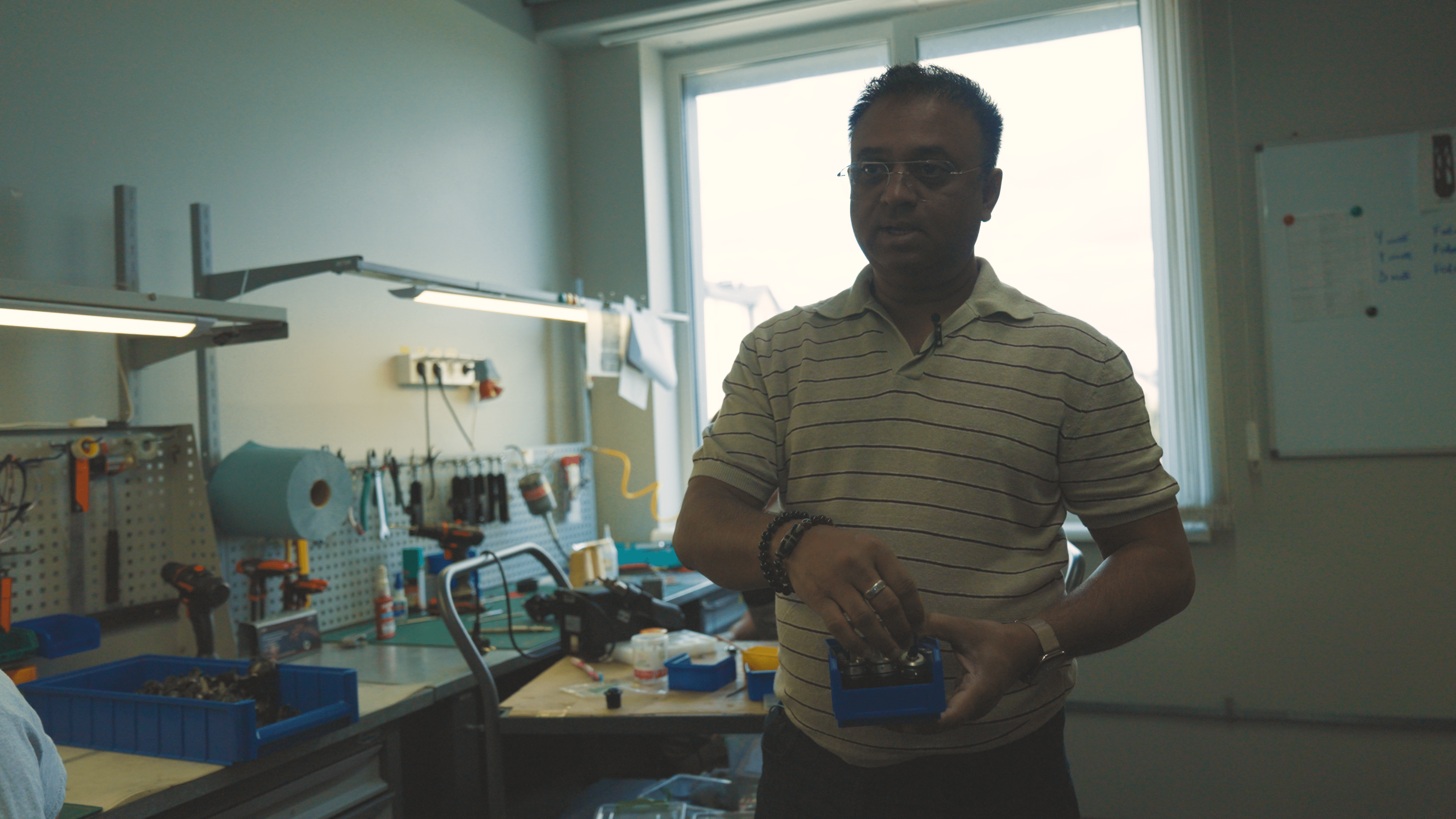
Parashar sees Ukraine’s struggle as a fight for democracy and believes India should stand with Ukraine. “Ukraine has suffered a lot,” he said. “Aggression against Ukraine has no reason. India and Ukraine are friends, and as two great democracies, we should be together in this time of need.”
Since 2014, his centers have treated a growing number of amputees, but after Russia’s full-scale invasion, the need has exploded. “Mostly soldiers come now. We have never seen this many amputations. After the big war started, there were so many great guys who lost their limbs for the country.”
Bringing authentic Indian cuisine—and culture—to Ukraine
Yashwi Tripathi is a charismatic millennial entrepreneur who grew up in Kyiv. He’s taken his family’s legacy and built on it, expanding from his parents’ iconic Himalaya restaurant into multiple cafes and culinary projects across Kyiv and the surrounding region. As a second-generation Indian Ukrainian, he’s using savvy social media marketing to share authentic Indian food and culture with curious Ukrainians.
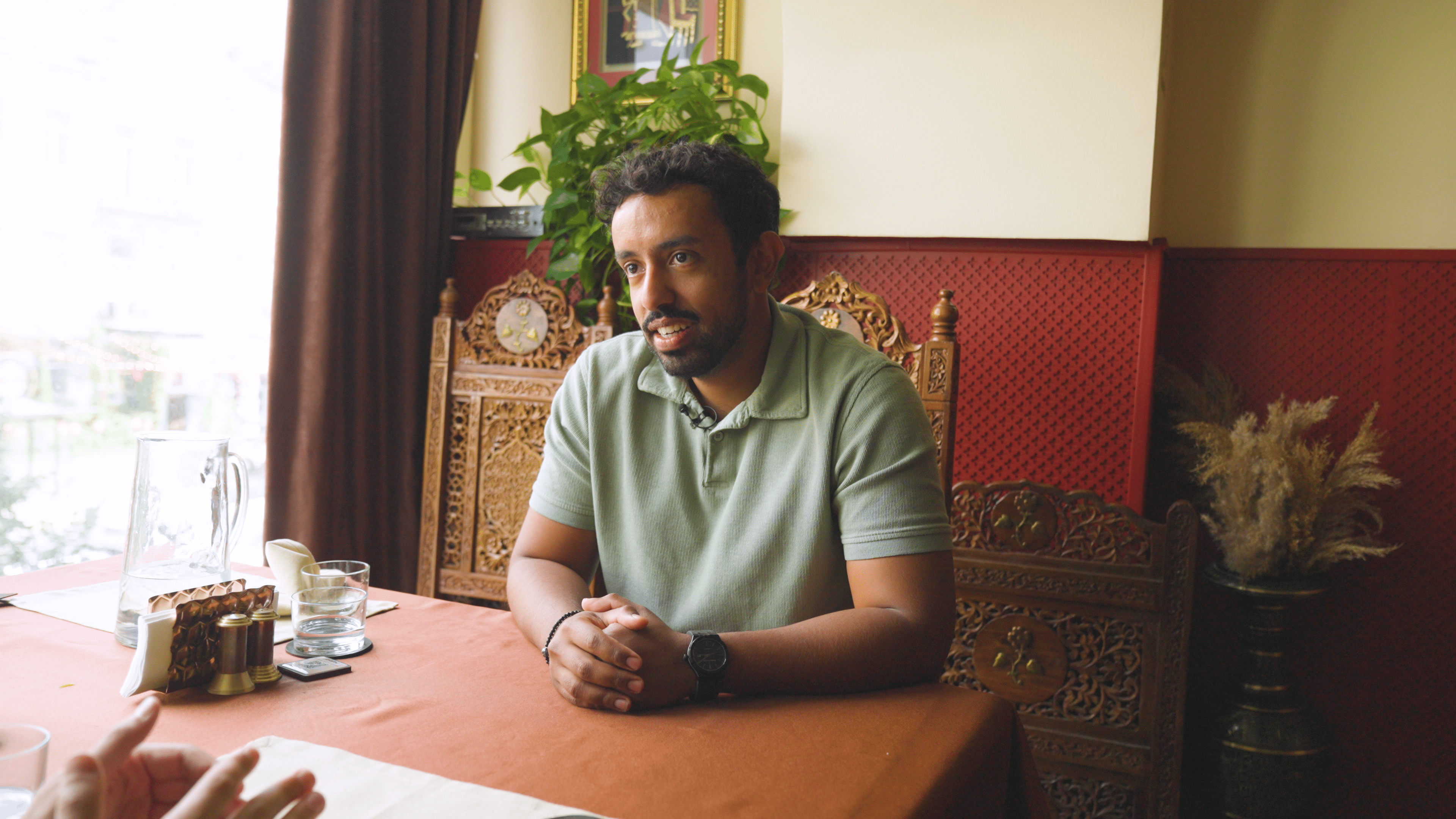
“This is Himalaya. It’s the oldest Indian restaurant in Ukraine,” he said. “My parents opened it in 1997, and it’s been running for 28 years. I’ve been running it myself for the past 11 years.”
Today, Yashwi oversees four different restaurant concepts, all staying true to his mission: real Indian cuisine, cooked by Indian chefs. “We keep it as authentic as possible,” he explained. “A lot of people try to adapt Indian food to make it more understandable for locals, but we want to show real Indian flavors. Ukrainians aren’t always used to all the spices, but we believe in doing it right.”
Having grown up in Kyiv, Yashwi knows almost everyone in the Indian community. “I was talking to a couple of people, and they said, ‘We just love this place.’ Most of the community decided to stay,” he said. “They’re still here, refusing to leave, many running international businesses.”
Discuss this article:

For Yashwi, the real draw of Ukraine is its openness. “It’s the atmosphere, the people, the feeling of freedom,” he said. “You feel free to do whatever you like—start a business, follow your ideas—and people accept it.” Despite the war, he notes an unexpected trend: more foreigners arriving, curious about Ukraine’s resilience and spirit. “We’re working, we’re growing our business, and we see more foreigners coming even now. The only issue is the war.”
He also rejects stereotypes peddled by outside media. “We live here every day, we work, we meet people, we go to cafes,” he said. “A lot of what you hear, especially from media outside Ukraine, is completely false.”
Together, the stories of Yashwi, Nagender, Ram, and Alok—and of countless others quietly living their everyday lives in Ukraine—show that even in the hardest times, Ukraine remains a place where Indians can build lasting lives, put their skills to meaningful use, and help lay the foundation for a deeper partnership between the two countries in the years to come.
-4c422f6574674b417eac2384290103ac.jpg "Russia Left This Ukrainian Village 90% Mined. Here’s What Life There Looks Like Now")


-3a853f88a4a74bc05cf023d26995450c.jpg "Art Goes Underground in Zaporizhzhia as GOGOLFEST Returns 30 Km From Frontline")
-73e9c0fd8873a094288a7552f3ac2ab4.jpg "Photo of Olena Blizniakova")