- Category
- War in Ukraine
How Russian Soldiers Surrendered to an Unarmed, Wounded Ukrainian Prisoner
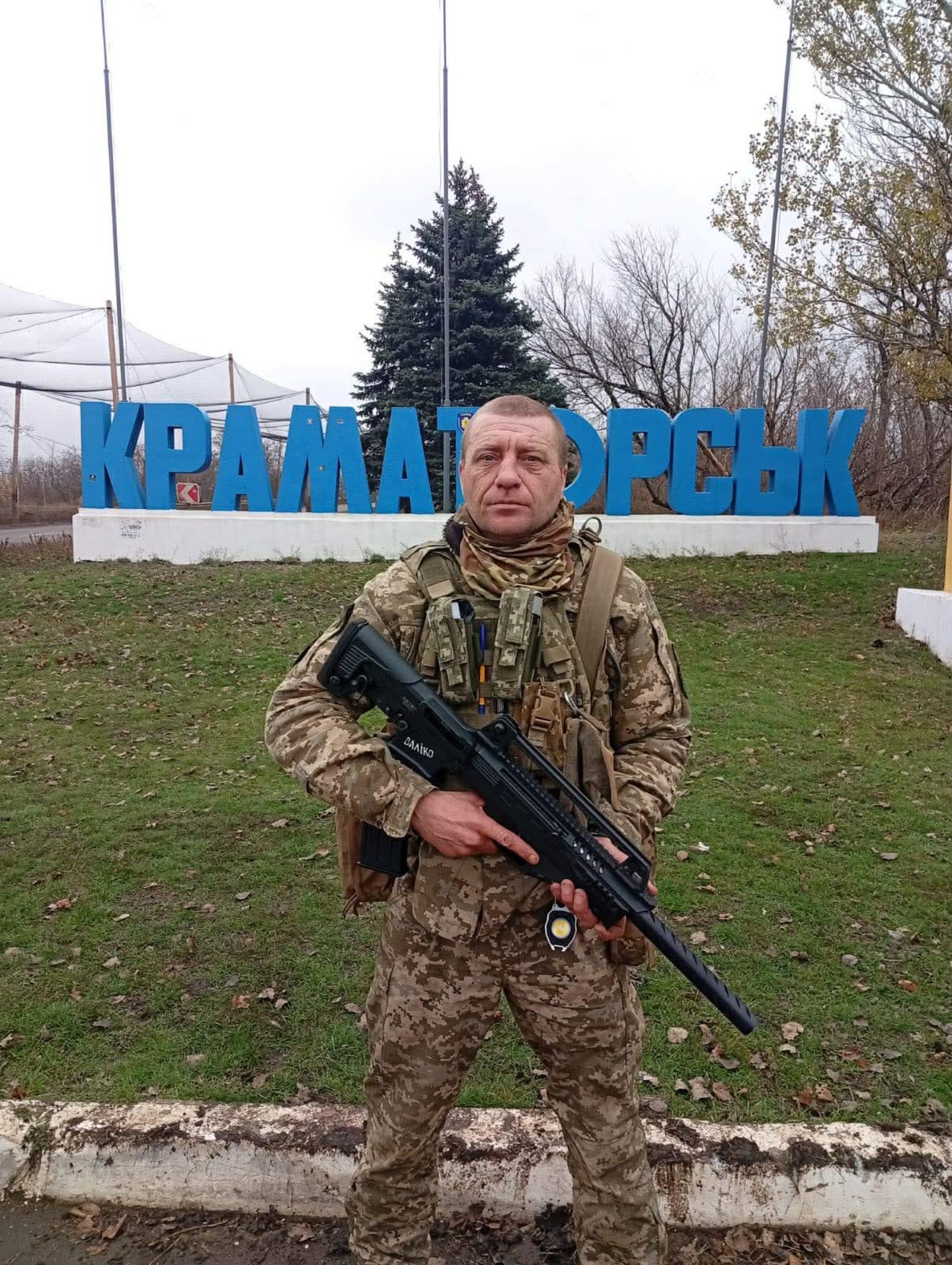
Severely wounded and taken captive, a Ukrainian soldier, call sign “Positive,” found himself in the most negative of circumstances. Yet, not only did he survive, but he also ultimately convinced his Russian captors to surrender.
 Prefer U24 Media on Google
- Authors


Before Russia’s full-scale invasion, 47-year-old Volodymyr Aleksandrov, known by the call sign “Positive,” worked in agriculture, sowing and harvesting fields in Ukraine’s Kyiv region. In May 2025, he joined Ukraine’s Armed Forces as part of the 112th Territorial Defense Brigade.
“Why that call sign? In civilian life, some people used to call me Funny,” he says. “During military training, they asked if I had a nickname, and I remembered that one. They told me, ‘No, everyone here is funny. You’ll be Positive!’”
Ambushed at dusk
In January 2026, his unit was holding positions near Kostyantynivka. Due to heavy fighting, delivering supplies was difficult—nearly everything the soldiers needed was sent by drone. On January 21, they received a radio message: “Get ready for a new ‘package.’” As before, it was dropped nearby.
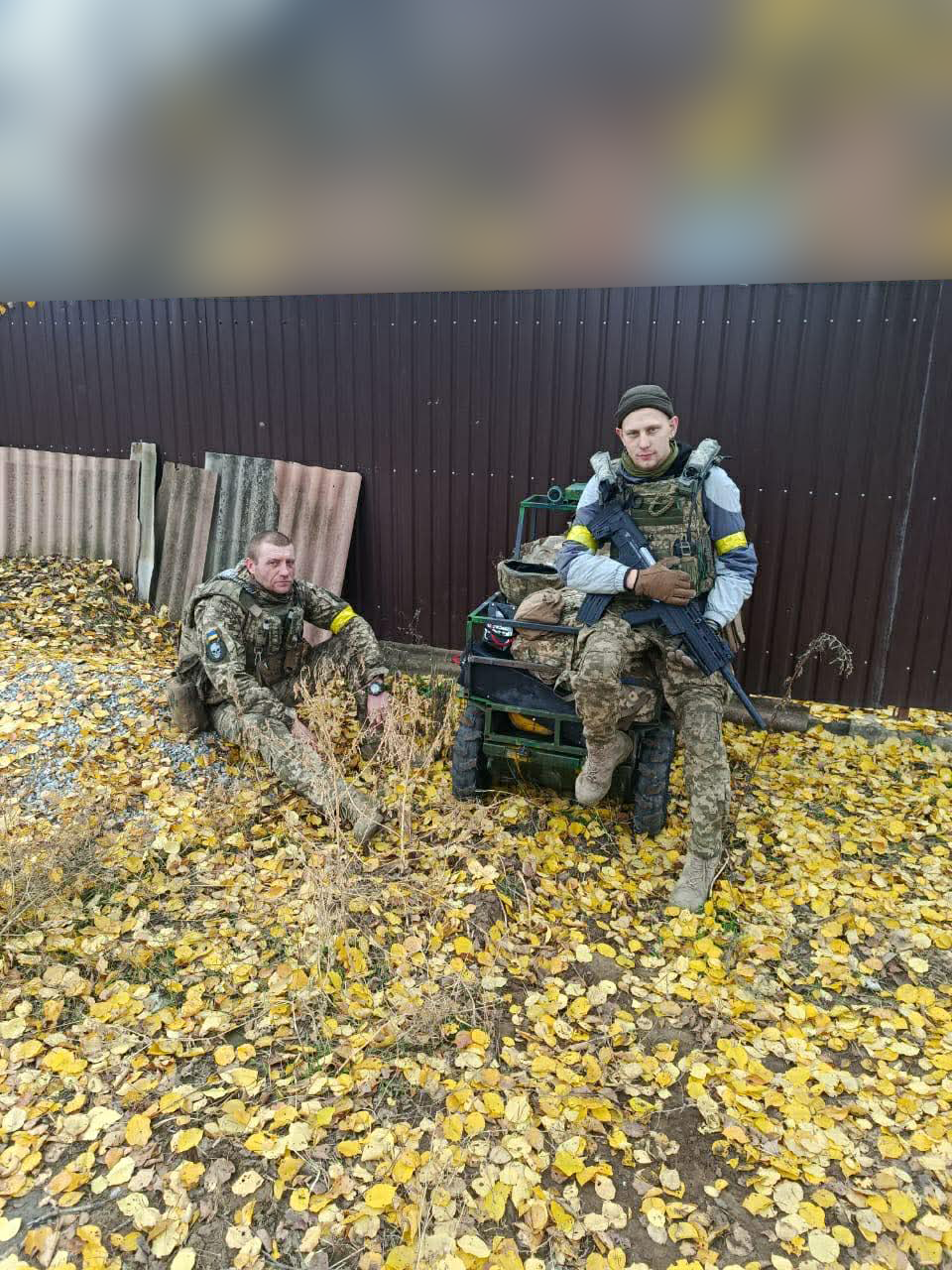
Positive and a fellow serviceman with the call sign “Khmil” waited until dusk, when visibility was at its worst and Russian troops were changing shifts—something they had done many times before. But this time, an ambush was waiting for them.
“As soon as we entered the yard, they opened fire,” said Positive. “Khmil was hit and fell. His fate is still unknown. I was shot in the leg almost immediately. I heard someone shouting over me, ‘Let me finish him off!’ But another voice said, ‘Don’t.’ Someone grabbed me and dragged me into the house. As it turned out, the Russians had set up an ambush.”
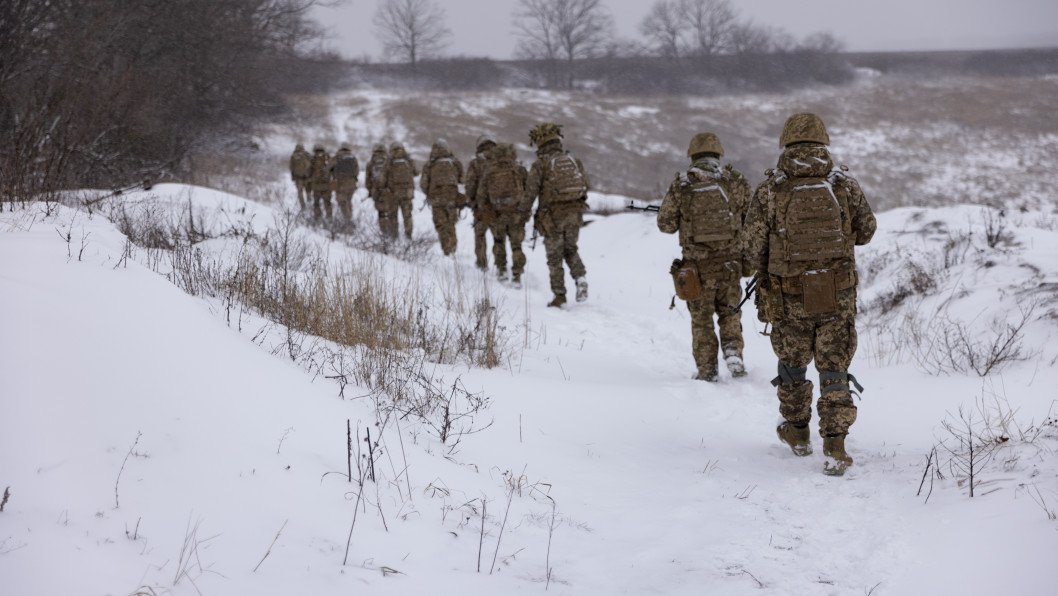
Later, Positive learned that the bullet had shattered his pelvis and his leg was nearly severed from his body. Wounded, Positive found himself captive among four Russian soldiers. They stripped him to the waist and hastily bandaged the wound. All his personal belongings, including items from his pockets and backpack, were taken as “trophies.” By morning, two of the Russians were sent to scout the route from which Positive and Khmil had come.
“When they returned, they were stunned,” he says. “They told the others: ‘They’re living like they’re in a hotel over there—food, water, electricity, communications, they’ve got everything! Let’s move there.’”
Wounded and taken captive
Impressed by the Ukrainians’ ability to establish livable conditions even on the front line, the Russians decided to relocate to the Ukrainian position. But Positive knew something they did not.
“Not long before that, we’d been bombed, and an unexploded FPV drone was left near the entrance to the dugout. We remembered it and didn’t touch it. But it had snowed, so it was probably covered. I decided not to mention it.”
The first two Russians moved ahead with the wounded Positive. The two following behind triggered the drone.
“The explosion hit both of them. One was badly wounded — half his buttocks and his left leg were blown off. The other was less severely injured; at least he could still walk. My arm was hit, and my ear was damaged.”
For the next three days, the Russians and their prisoner stayed at the Ukrainian position. The captors forced Positive to regularly contact his Ukrainian comrades and report that everything was fine—he believes the Russians were trying to shield themselves from Ukrainian fire. Russian drones, meanwhile, continued striking the dugout, apparently believing it was still held by Ukrainian forces.
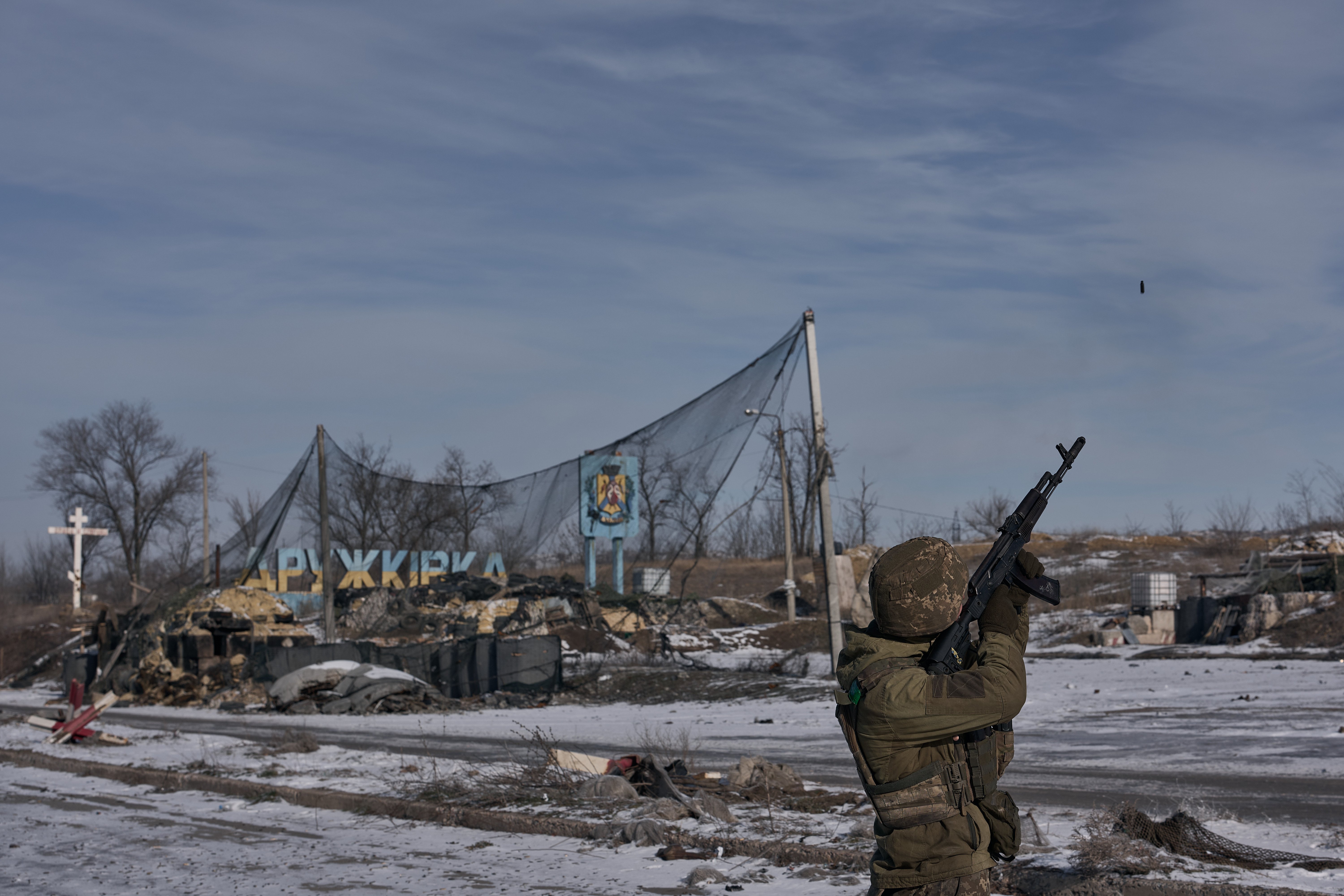
Eventually, the Russians informed their command that they had a prisoner. They were promised reinforcements. No one came. The air attacks continued.
“In the end, the two uninjured Russians ate and drank all our supplies,” says Positive. “They gave food and water only occasionally—both to me and even to their own wounded. Despite the promises, no help arrived. Then the two who were still able to walk said, ‘We’re going to get some water.’ They disappeared. They just abandoned their own men.”
“Lay down your weapons and give me your radio”
Left in the dugout were two wounded Russians and Positive. Over time, Positive convinced the Russians to report to their own that Russian troops were now inside a Ukrainian position that was under constant attack. The attacks stopped. However, the message was likely intercepted by Ukrainian forces. Soon after, Ukrainian forces began striking the dugout instead.
For two more days, the three men remained underground in constant danger, without water or food. At a certain point, Positive decided to radically change the situation:
“I told them: ‘Guys, you see that no one is coming to save you—forget it. Let’s do this: you lay down your weapons and give me your radio. I’ll contact my people and arrange evacuation. You’ll be prisoners, but you’ll be alive. And besides, they feed you there, and the conditions are decent.’”
The Russians whispered among themselves, talked it over, he says. “They agreed it was their only chance to survive.”
From a captive, the Ukrainian became the one in control. Positive contacted his comrades, and the attacks on the dugout stopped immediately. Instead, Ukrainian drones delivered medicine, water, and food. They waited several more days for the right moment. Finally, he received word: a ground robotic evacuation system was nearby—it was time.
Escape under fire
It was the Rys Pro unmanned ground vehicle (UGV), accompanied by an evacuation team of four servicemen from the 5th Battalion of the 112th Brigade. Due to heavy air attacks, the soldiers stayed farther back while the UGV approached the dugout as closely as possible.
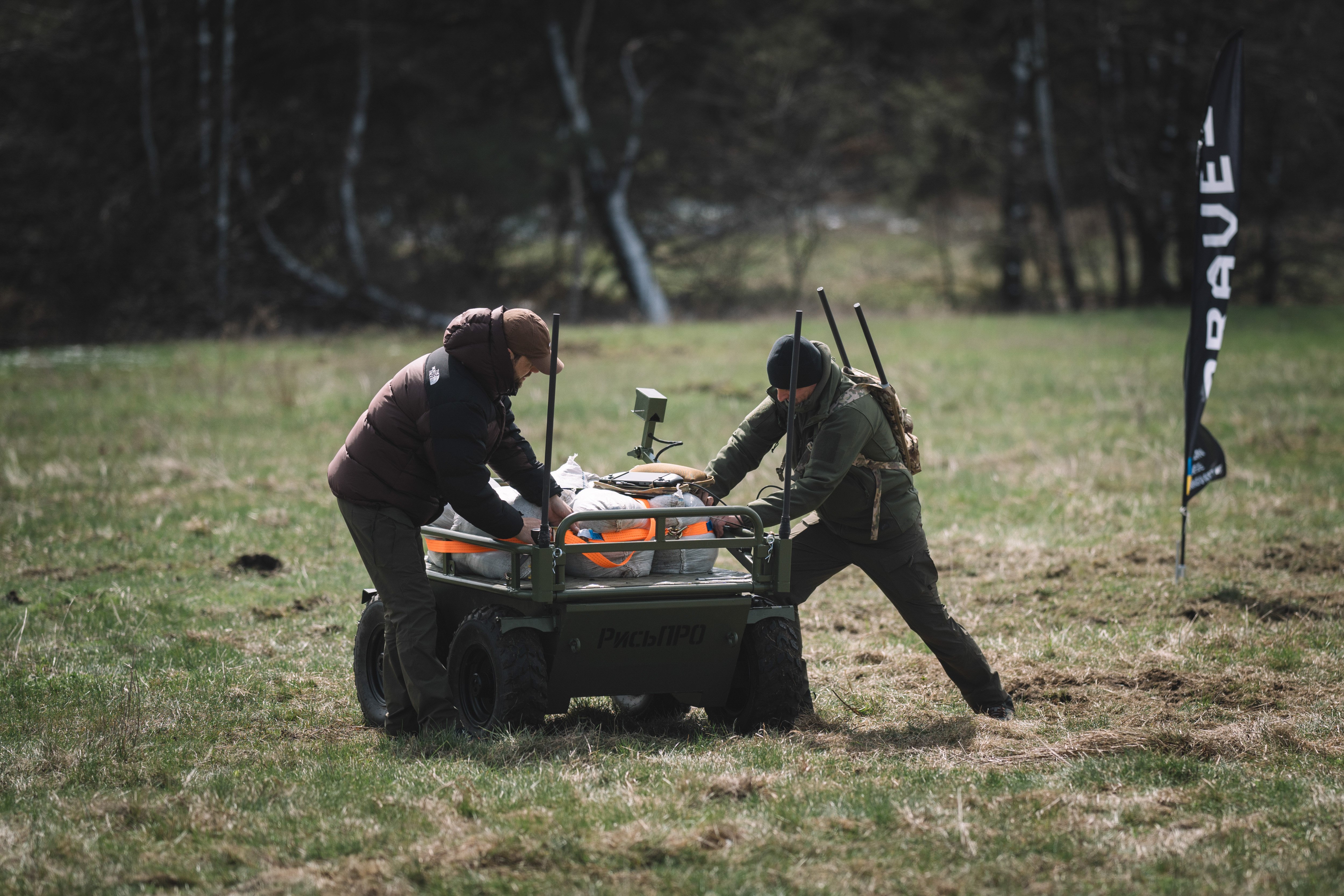
“We got out, somehow hobbled to the robot, climbed onto it—and off we went,” says Positive. “We could barely hold on. The road was terrible, hills and craters, nothing visible under the snow. We went about 700 meters and could already hear our guys who had come out to cover us. Then something flew overhead. I looked up—a Molniya.”
Molniya is a cheap Russian suicide drone made of plywood, plastic, and cardboard, but it can carry 3–5 kilograms of explosives and fly up to 40 kilometers.
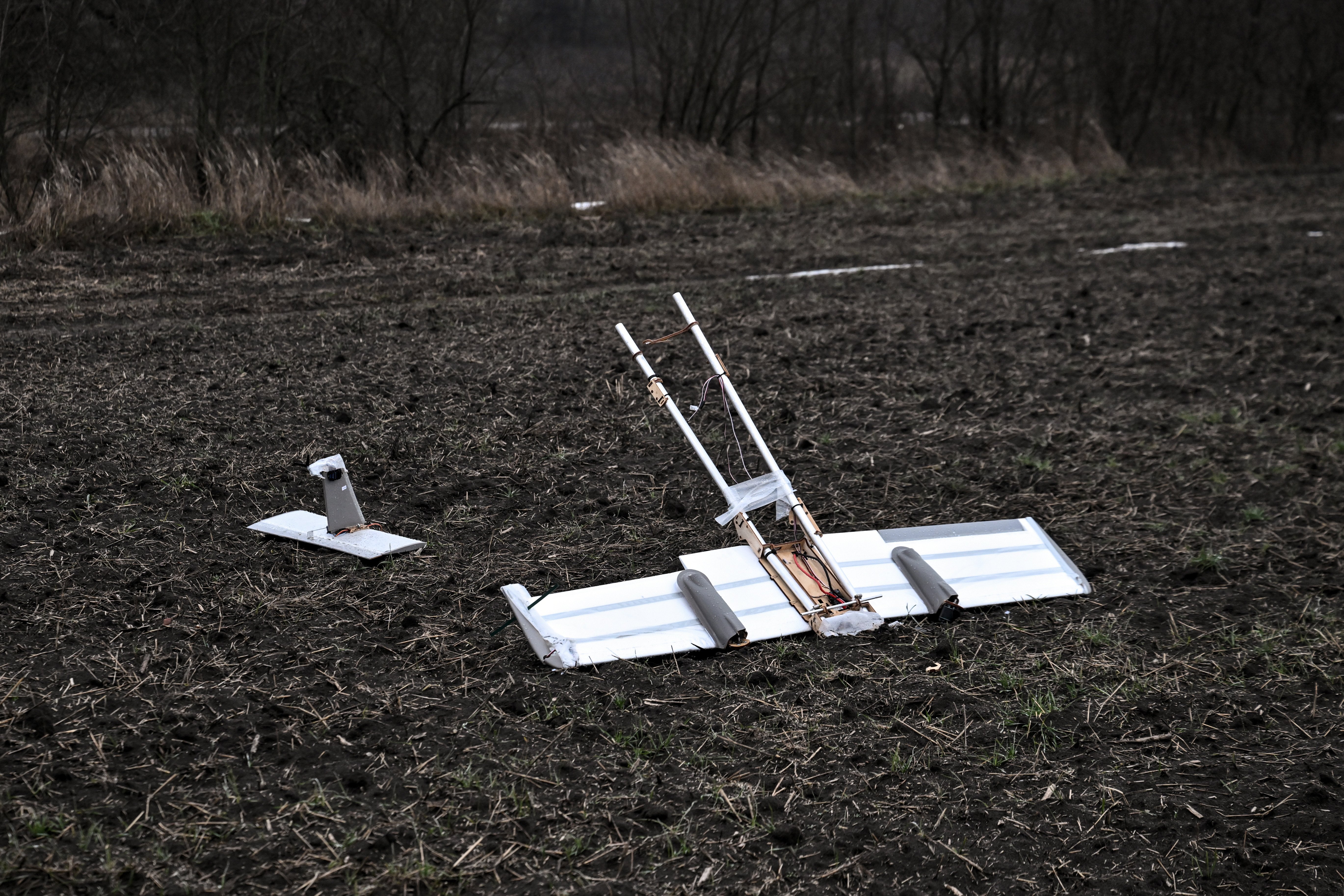
“It flew over us, made a turn, and headed straight back at us. The Russian, who could still walk, jumped off and hid in the trees. The badly wounded one and I stayed on the platform. I was staring straight at that Molniya when I realized there was also an FPV drone on a fiber optic cable coming at us. The FPV chased the other Russian, while the winged drone came straight toward us. For some reason, it detonated midair about 20 to 30 meters away. The FPV hovered in front of the Russian behind the tree, turned, and then came for our vehicle. I don’t know where I found the strength, but I swung my useless leg over the side and fell off. The drone exploded. I was behind the vehicle, so I was only concussed. The Russian on the platform was decapitated.”
Positive shouted for the Russian who had run off to return and help. Nearby stood an abandoned house, and they crawled inside. Russian air attacks resumed. One drone struck a tree near the building. Another blew out the windows and metal bars. The blast knocked aside an armchair in the corner, revealing a hatch beneath it—the entrance to a basement. They took shelter there. The next explosion destroyed the walls and collapsed the roof, burying them under rubble.
Positive contacted his comrades and reported that they were alive under the ruins near the destroyed robotic vehicle. He was told to wait for another opportunity to evacuate.
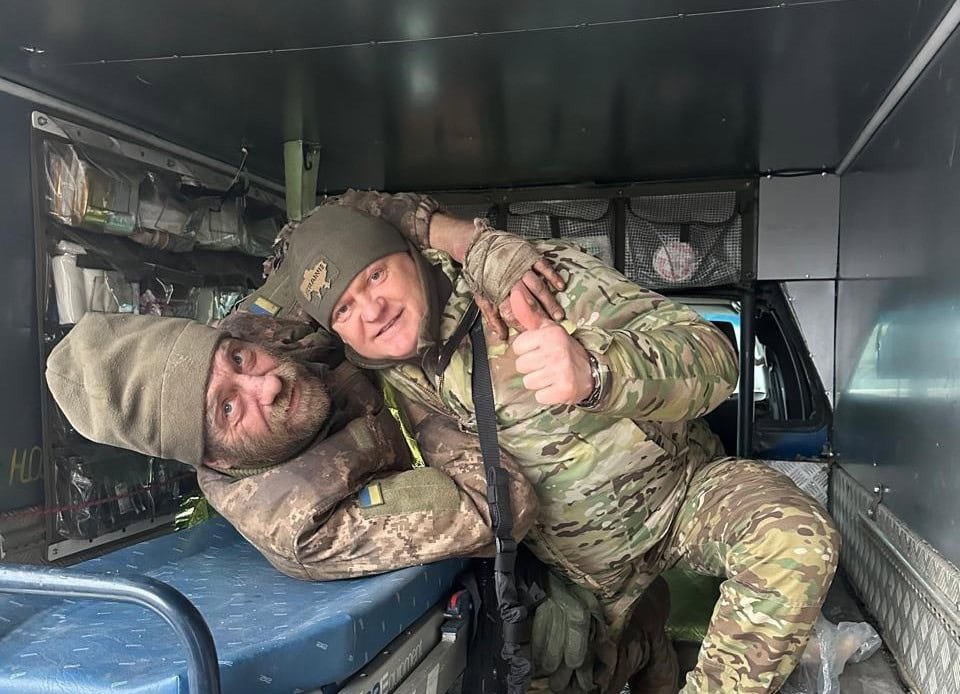
He and the Russian had time to talk. The man said he was 49, from the Caucasus, with four children. He claimed he had not wanted to go to war but had been forcibly mobilized. According to him, when his wife and parents tried to protest and appeal to authorities, they were warned that if they complained, they might never hear from their son again.
Family on the front line
The opportunity for evacuation came two days later.
“We were told that our guys from another unit had reached us,” says Positive. “There was fog, so drones weren’t flying. Three of our men made it to the house and helped us out. A fourth joined with the robotic vehicle. Together, we managed to reach our positions.”
Then came evacuation to Kostyantynivka, a hospital in Druzhkivka, and then Kyiv. Surgeries followed. Doctors will attempt to reconstruct and stabilize his shattered pelvis.
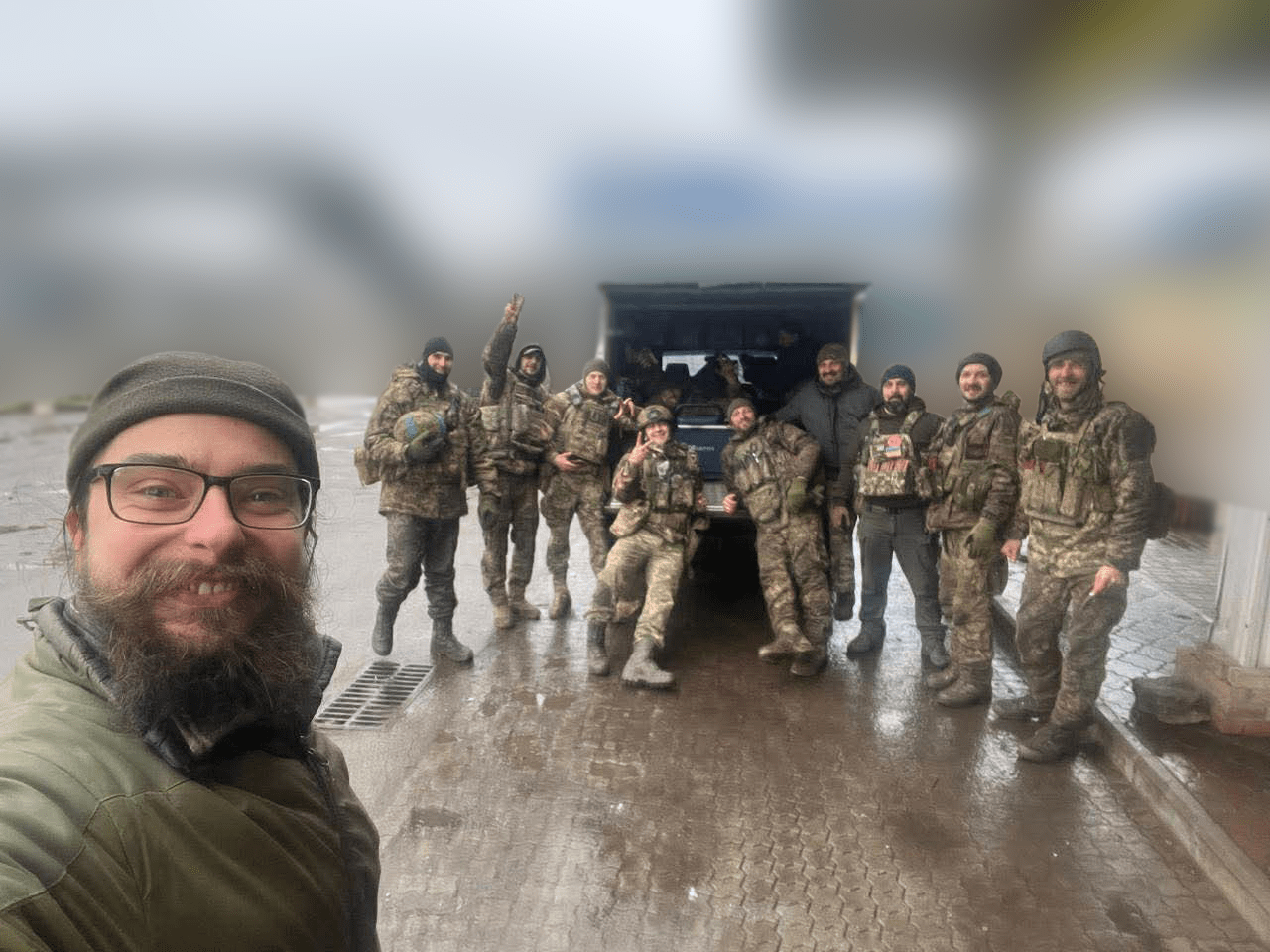
The entire rescue operation was made possible by the coordinated work of more than 30 members of the 112th Territorial Defense Brigade—drone operators, robotic system operators, medics, technicians, scouts, the evacuation team, and mission planners.
Positive recalls the moment he was wounded, when one Russian stood over him and said, “Let me finish him off.” As it turned out, the one who objected was the same soldier who ultimately survived and saved his own life thanks to evacuation to the Ukrainian side.
Positive says he is immensely grateful to the dozens of comrades who worked to rescue him—and that he never doubted they would not forget him.
“For two days, I was listed as missing in action,” he says. “But once I made contact, I was certain my own wouldn’t abandon me. Now I know one thing: when I’m back on my feet, I will definitely return to fight for my guys. They saved me. They are my family.”
Discuss this article:
-9a7b3a98ed5c506e0b77a6663f5727c5.png)

-72b63a4e0c8c475ad81fe3eed3f63729.jpeg "Photo of Cyril Barabaltchouk")

-111f0e5095e02c02446ffed57bfb0ab1.jpeg "Photo of Roman Kohanets")
-e88c01988249cd60b6f04f79d29156b7.jpeg "Damage to “Cosmogony,” the largest painting in Ukraine, following a Russian drone attack on Lutsk on October 13, 2026. (Source: @sashyyna/Instagram)")
