- Category
- War in Ukraine
Russia Records Net Territorial Loss in April for First Time Since 2024, ISW Reports
 Prefer U24 Media on Google
- Authors


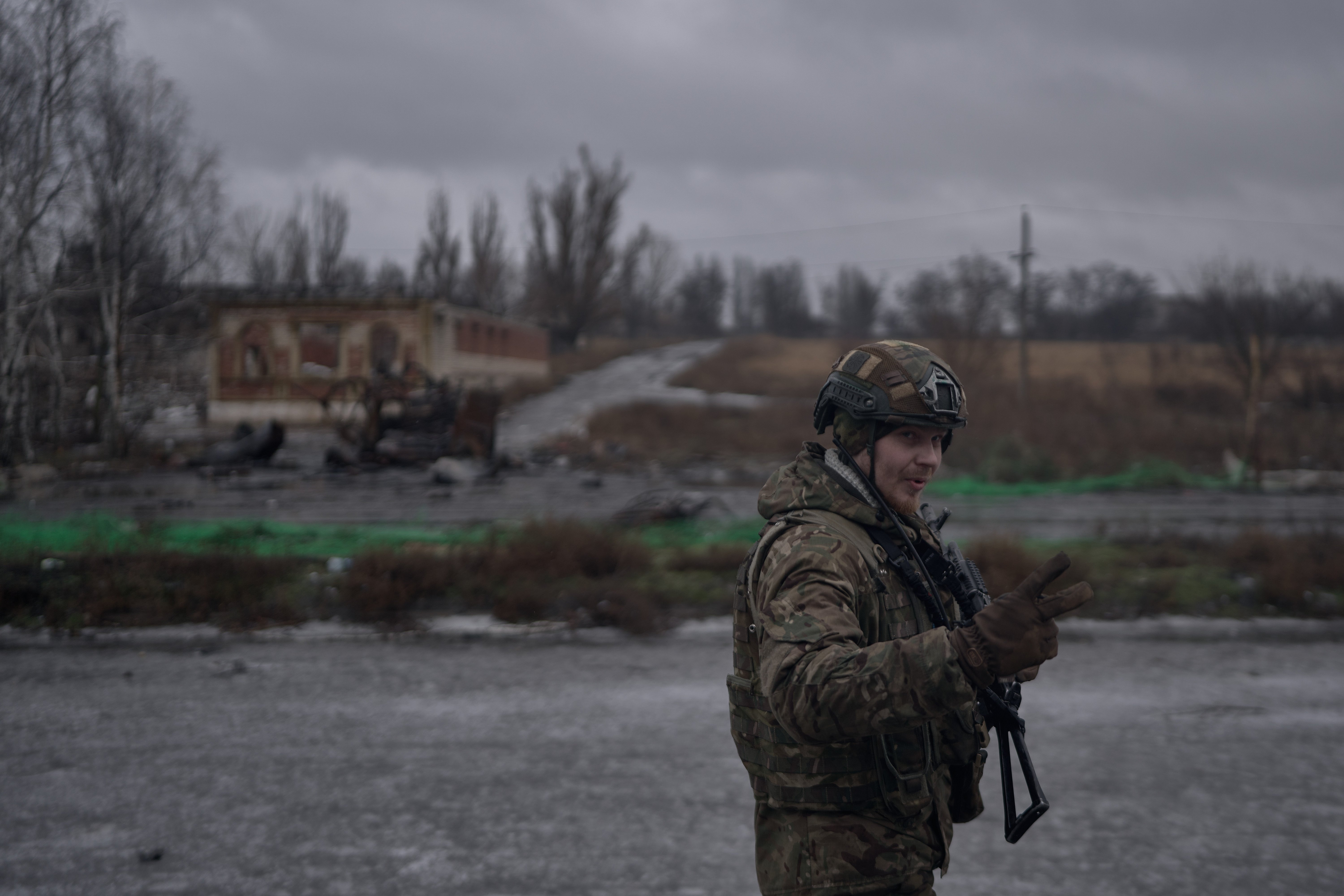
Russia’s forces lost a net 116 square kilometers of occupied territory in April 2026, marking the first monthly territorial setback since Ukraine’s operation in Russia’s Kursk region in August 2024.
We bring you stories from the ground. Your support keeps our team in the field.
According to Institute for the Study of War (ISW) on May 2, the decline reflects a broader slowdown in Russia’s offensive momentum, which has been decreasing since November 2025.
The report attributes the shift to a combination of Ukrainian ground counterattacks, sustained medium-range strikes on logistics and command infrastructure, and disruptions to Russian communications systems.
ISW notes that Russian forces have faced growing coordination challenges. Restrictions on Telegram usage imposed by the Kremlin and the reported disruption of Starlink access for Russian units in temporarily occupied territories have weakened battlefield communication.
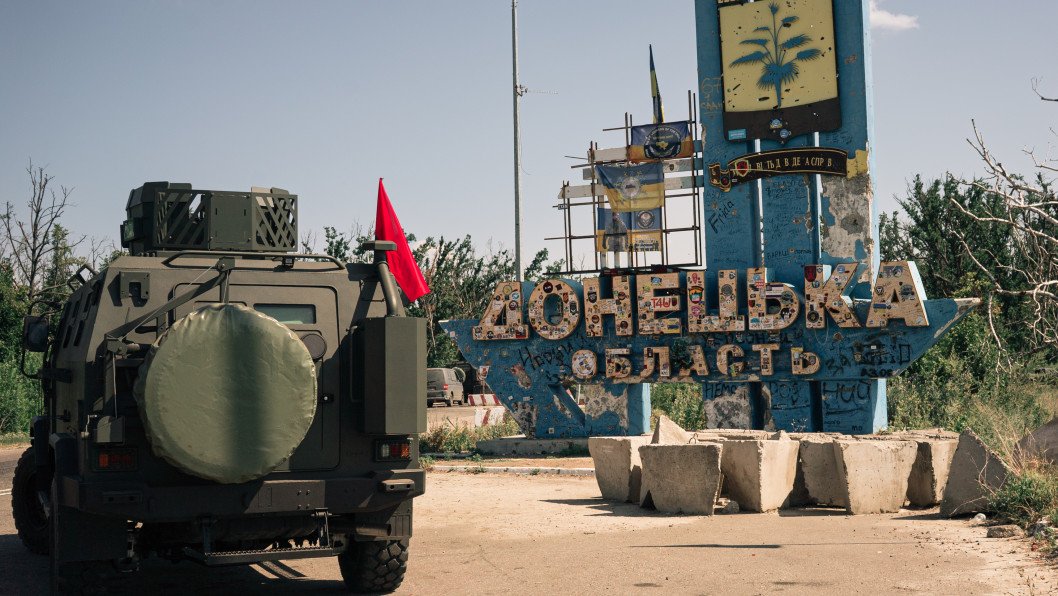
These issues have compounded existing structural weaknesses in the Russian military, making coordinated offensive operations more difficult.
The report also highlights environmental factors. A wetter and colder winter, followed by seasonal mud conditions, has limited the mobility of mechanized units. ISW states that such conditions traditionally slow operations in early spring, although Russian forces have previously attempted to resume offensive activity as terrain conditions improve in May.
Russian territorial gains have significantly decreased compared to the previous year. Between November 2025 and April 2026, Russian forces captured approximately 1,443 square kilometers, compared to 2,368 square kilometers during the same period a year earlier.
In the first four months of 2026, Russian advances averaged 2.9 square kilometers per day, down from 9.76 square kilometers per day in early 2025.
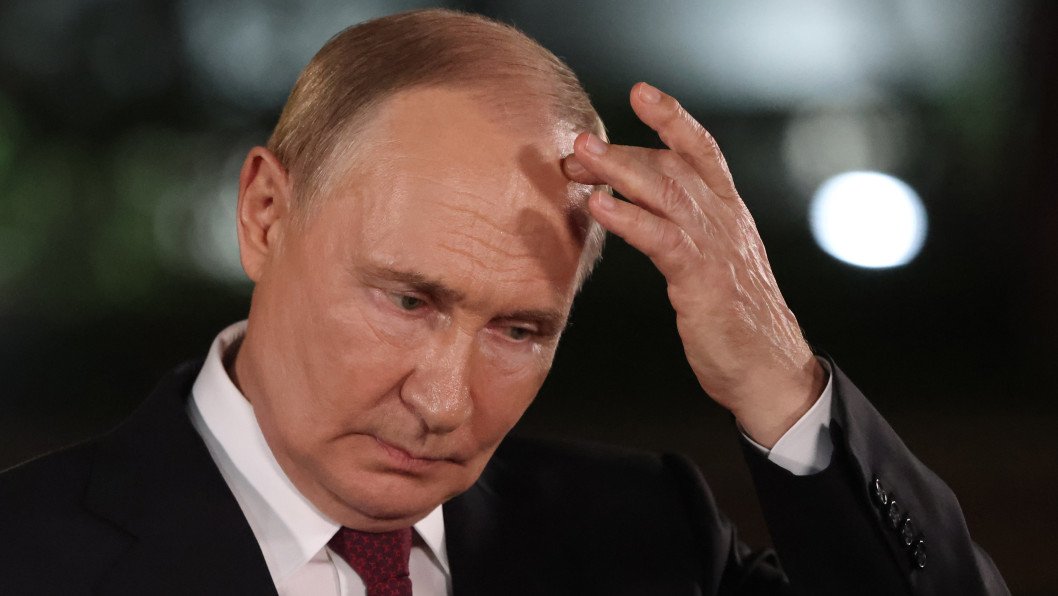
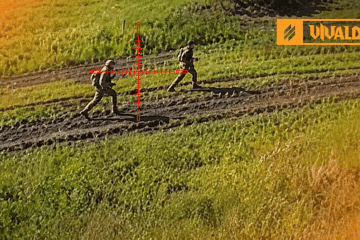
ISW also reports that Russian forces have increasingly relied on infiltration tactics—moving small units into contested “gray zones” without establishing firm control.
The institute states: “Russian forces use infiltration tactics in part to create the perception of continued Russian advances along the frontline and to support Kremlin cognitive warfare efforts aimed at exaggerating Russian successes.” ISW adds that these areas are often not under stable Russian control.
Earlier, President Volodymyr Zelenskyy said that Russia would need to sacrifice between 300,000 and 1 million troops to fully occupy Donbas, calling the cost “enormous” even for Moscow, and stressing that Ukraine will not withdraw from the region.
Discuss this article:
-9a7b3a98ed5c506e0b77a6663f5727c5.png)


-c439b7bd9030ecf9d5a4287dc361ba31.jpg "Photo of Katherina Popilnichenko")
-111f0e5095e02c02446ffed57bfb0ab1.jpeg "Photo of Roman Kohanets")