- Category
- War in Ukraine
Russia Bleeds 316 Soldiers per km² and Still Can’t Seize the Donetsk Region
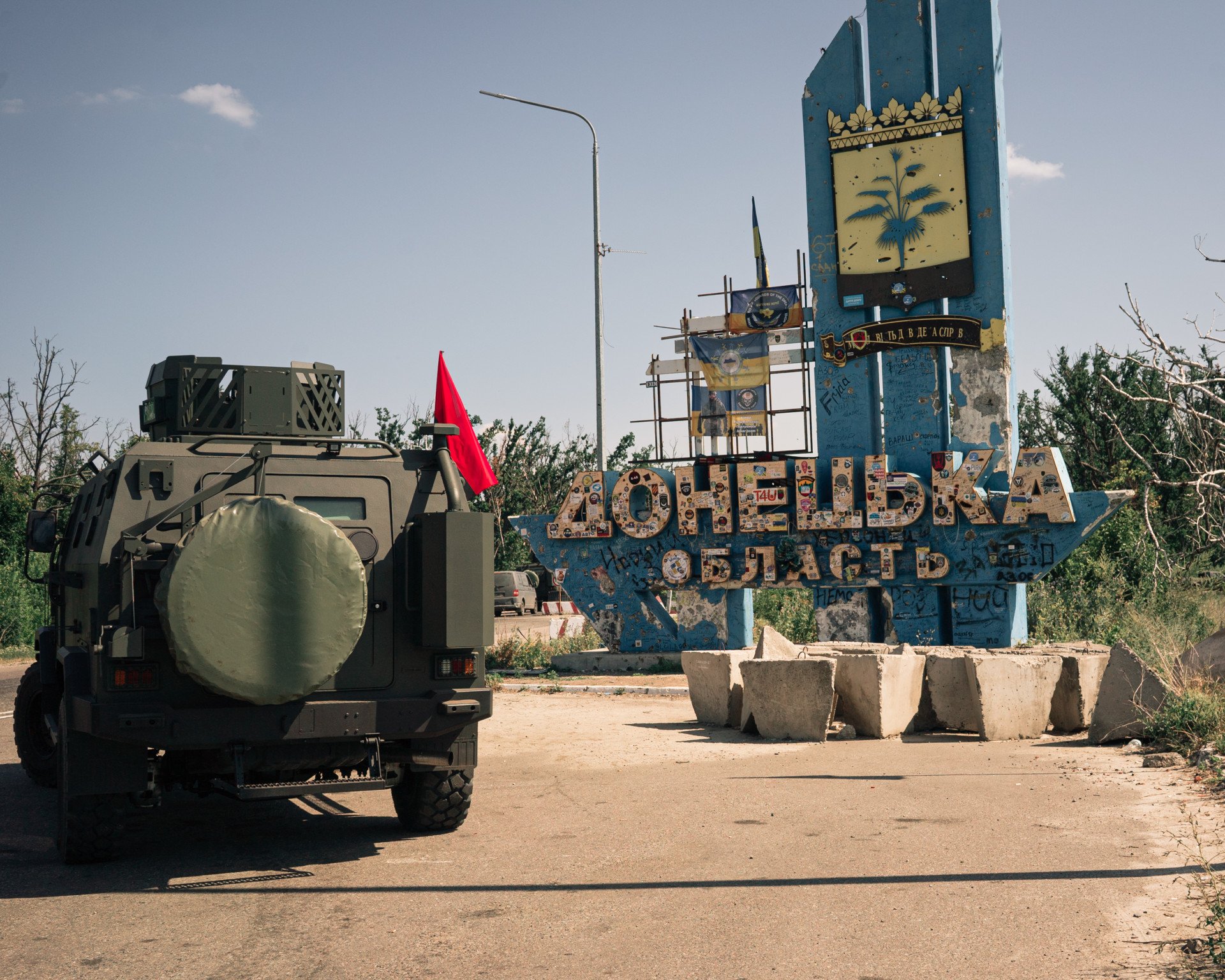
Moscow is demanding Ukraine's entire Donetsk region because it cannot afford to keep fighting for it—Russian losses in 2026 exceed recruitment as battlefield gains stall.
 Prefer U24 Media on Google
- Authors

-29a1a43aba23f9bb779a1ac8b98d2121.jpeg "Photo of Illia Kabachynskyi")
In late February 2026, the narrative resurfaced in the information space that Russia is allegedly ready to begin negotiations with Ukraine on the condition that the entire Donetsk region be handed over. Official Kyiv has clearly rejected such proposals: one quarter of the region, including four major fortress cities, remains under its control. Moreover, over the past six months, Russia has achieved no notable successes in this section of the front (and has even retreated in some other areas).
The Kremlin’s desire to obtain the entire Donetsk region for free is not without reason—Russian forces have been unable to conduct effective offensive operations there.
Massive losses
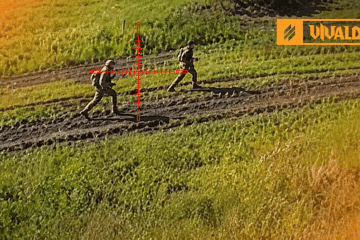
The Russian army will not be physically capable of capturing the entire region in the near future due to enormous losses, says Deputy Head of the Presidential Office Pavlo Palisa. As of the first quarter of 2026, Russian forces in the Donetsk region were losing 316 soldiers per 1 km². By comparison, a year earlier, this figure stood at 160 losses per 1 km², while the average was 120.
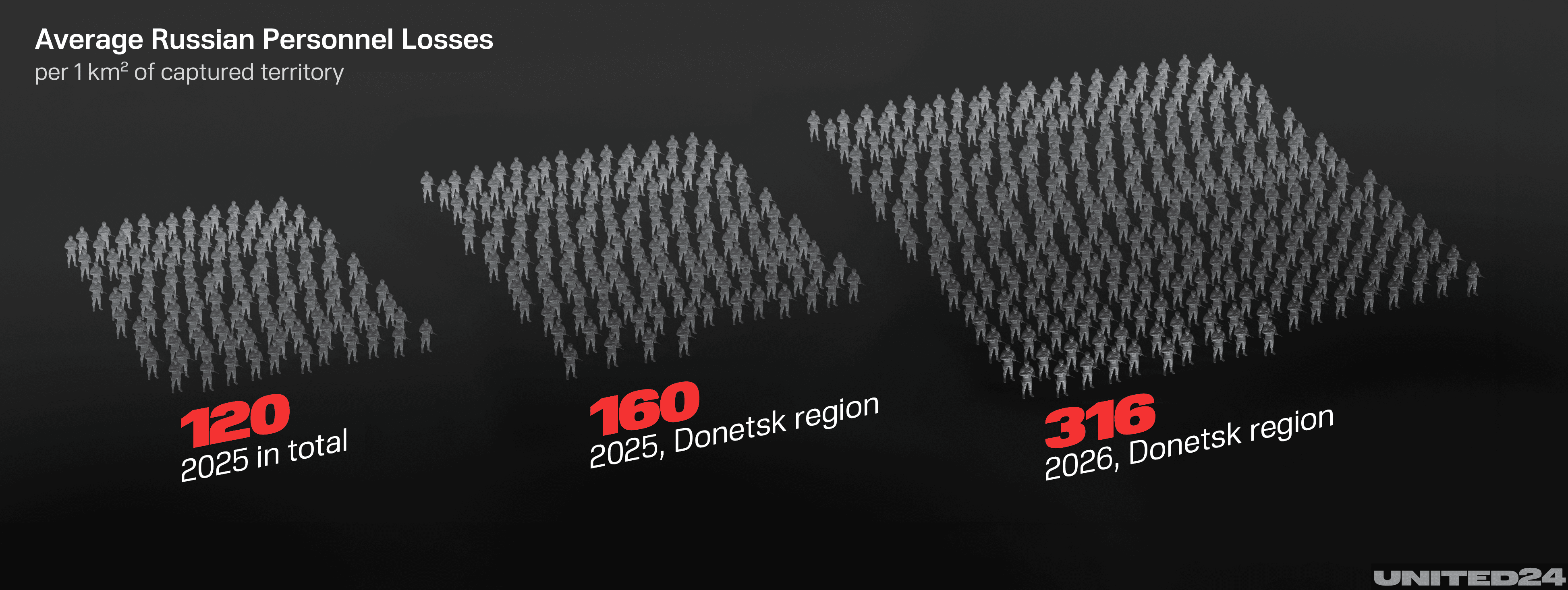
The doubling of losses on a single axis and the tripling of losses across the front once again reinforces a single conclusion: Russia is not winning.
Overall, in the Donetsk region, Russian forces have achieved no tactical gains over the past six months, particularly in the first quarter of 2026, when Ukraine inflicted more than 35,000 confirmed casualties. Total losses for the quarter exceeded 90,000 soldiers.
Four major cities
The Russian army in the Donetsk region faces more than just the task of capturing approximately 6,000–7,000 km² of territory—ahead lie four major cities, and it has only approached one of them, Kostiantynivka, without entering it.
This area contains a large urban agglomeration of four cities—Kramatorsk, Sloviansk, Druzhkivka, and Kostiantynivka—forming a broad defensive arc. Russia can strike these cities with artillery and drones, but remains far from launching effective assaults. The closest approach has been to Kostiantynivka, but only by small infiltration groups that ultimately failed to achieve results and were destroyed.
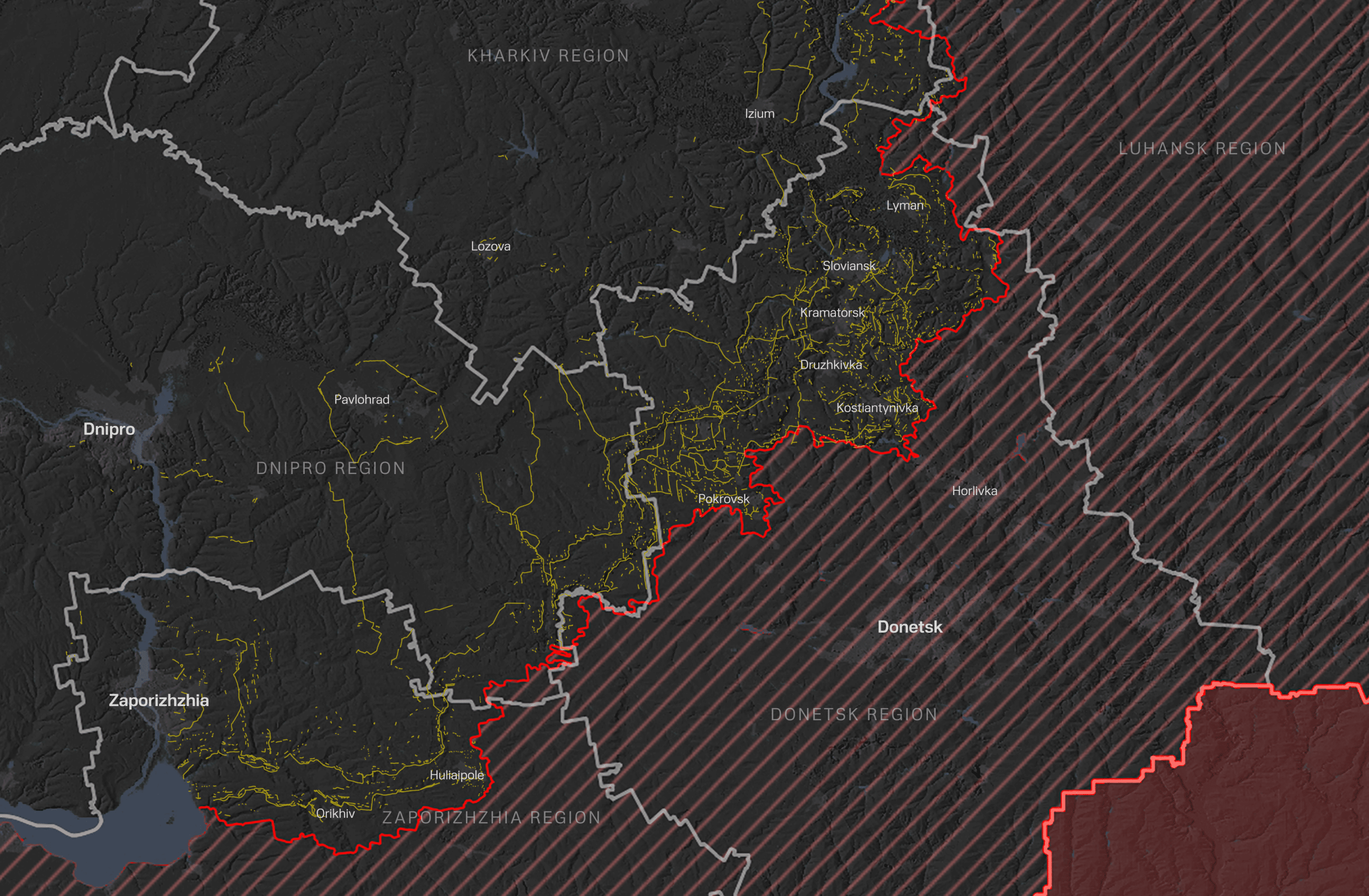
How effective Ukraine is in defending cities — and how challenging this could be for Russian forces — is demonstrated by Pokrovsk and Kupiansk. The former has been defended for more than 20 months, and although Russian forces are present directly within the city, they have not been able to take full control. Kupiansk in the Kharkiv region has largely been liberated, including the surrounding areas.
The first assaults of Russia’s spring offensive campaign were fully repelled: within a few days, more than 5,000 Russian troops were killed or wounded, and dozens of armored vehicle columns were destroyed.
The Donetsk region remains a major challenge for the Russian army, and capturing 7,000 km² at a cost of 316 troops per 1 km² would have catastrophic consequences for Russia’s military. That is precisely why the Kremlin seeks to obtain these territories without fighting—and why Ukraine cannot agree to such concessions.
Discuss this article:


-c439b7bd9030ecf9d5a4287dc361ba31.jpg "Photo of Katherina Popilnichenko")

-111f0e5095e02c02446ffed57bfb0ab1.jpeg "Photo of Roman Kohanets")