- Category
- War in Ukraine
Why Russia Can’t Capture the Donetsk Region—Inside Ukraine’s Fortress Line Putin Wants Without a Fight
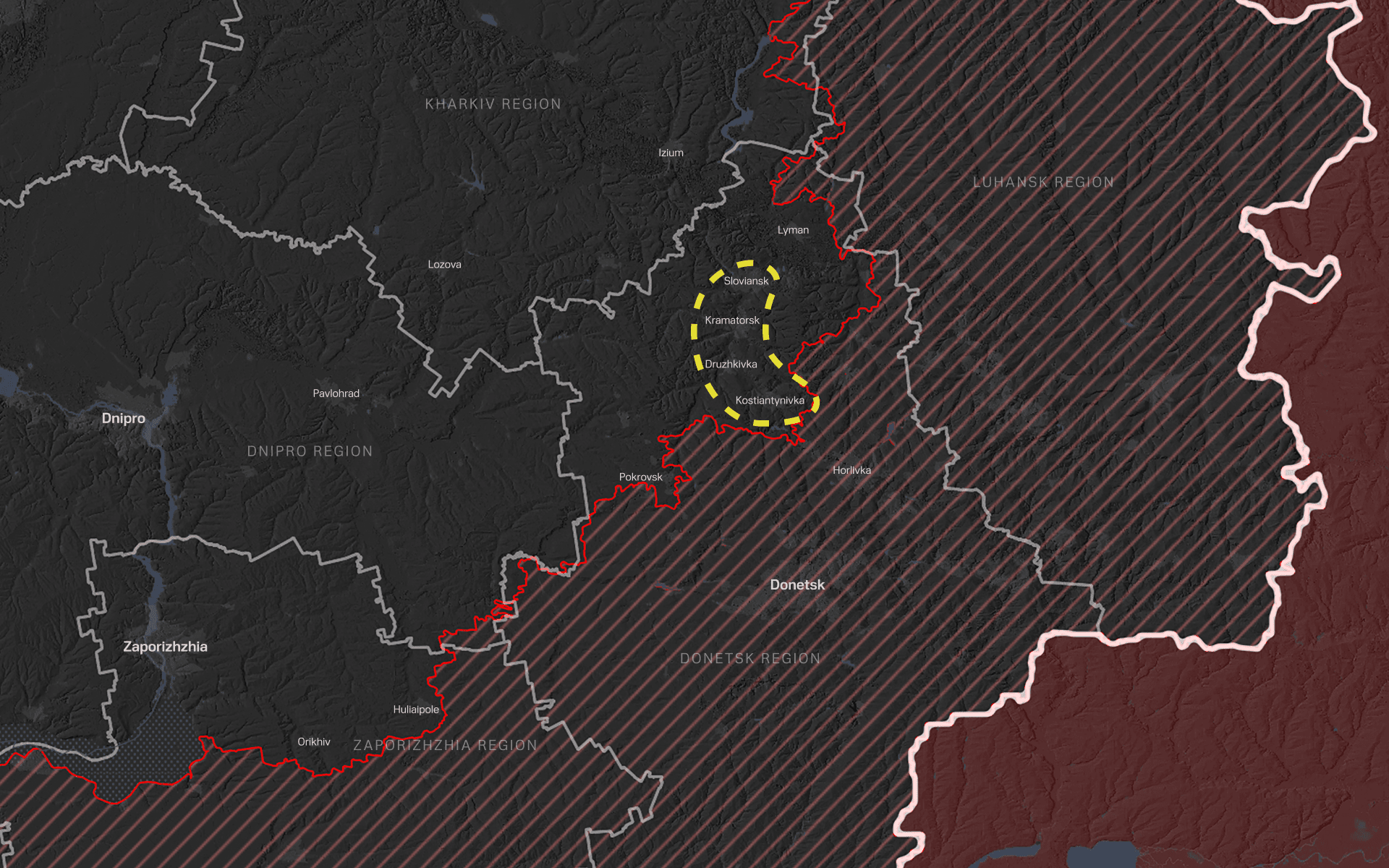
In every ceasefire proposal, Putin insists on the demand to the transfer of the Donetsk region to Moscow’s control. His motive is clear: Ukraine has heavily fortified the region, turning major cities into a massive defensive barrier. Capturing these areas would cost Russia hundreds of thousands of lives and tens of billions of dollars.
 Prefer U24 Media on Google
- Authors

-29a1a43aba23f9bb779a1ac8b98d2121.jpeg "Photo of Illia Kabachynskyi")
Territory remains one of the most difficult issues at the negotiating table. Ukraine refuses to hand Donetsk over for free, while Putin’s delegation demands full control of the Donbas.
We bring you stories from the ground. Your support keeps our team in the field.
For Russia, pausing the war now would mean avoiding further massive losses. However, more importantly, it would enable Moscow to establish a foothold for future offensives that extend deeper into Ukrainian territory. What does this look like in practice?
Donetsk region: The defensive shield of central Ukraine
As of now, about one-third of the Donetsk region remains under the control of Ukraine’s Armed Forces, including the major cities of Kramatorsk and Sloviansk. Other strongholds—Kostiantynivka, Druzhkivka, and Pokrovsk—continue to hold their defensive lines.
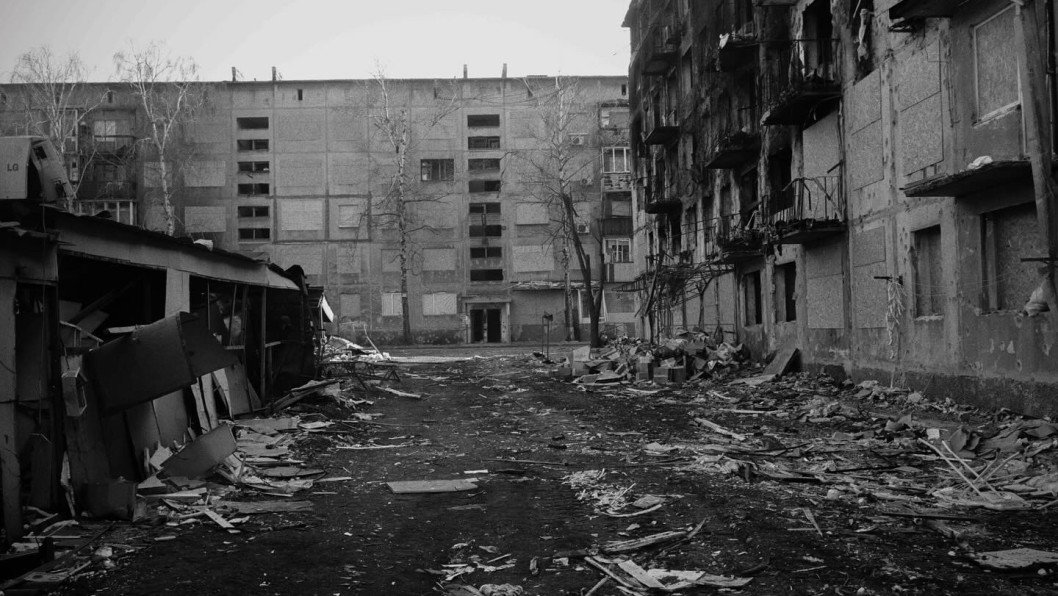
These urban centers have become fortresses in their own right, gaining the name “fortress belt. ” Capturing them would require enormous resources and extended time—likely months of brutal assaults. Take the small town of Chasiv Yar, for example: it has been holding out for 20 months and continues to block Russia’s advance.
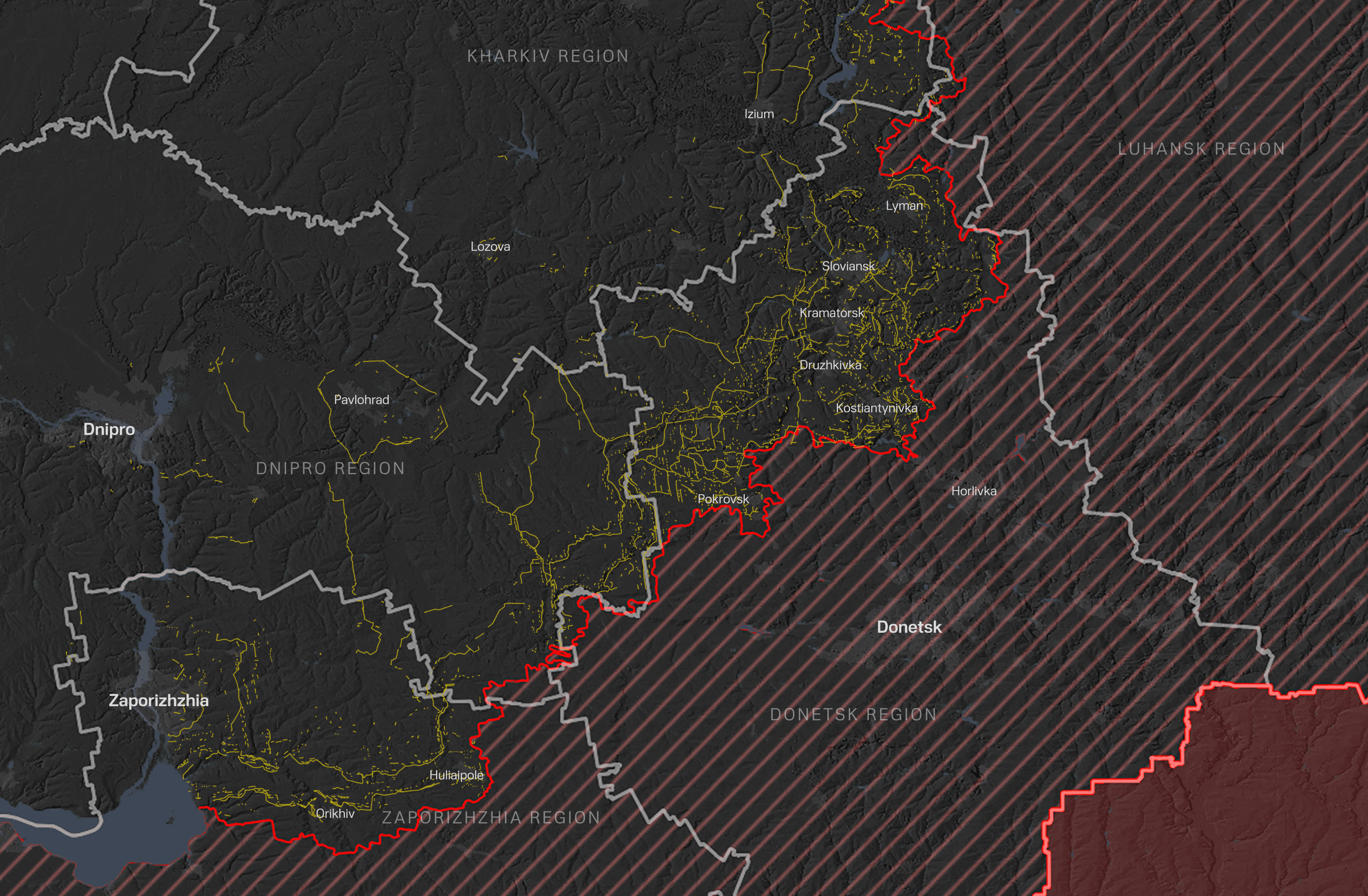
Moreover, the Donetsk region is now a dense network of military fortifications that stretches for dozens of kilometers, as clearly shown on maps. These lines of defense are layered across the region, many of them positioned on higher ground.
The Kremlin understands this well. Occupying the entire Donetsk region now means inheriting a heavily fortified territory—a fortress already built at Ukraine’s expense. What’s more, this would offer Russia a staging ground for future advances toward Kharkiv and Dnipropetrovsk regions.
Moscow is demanding that Ukraine relinquish access to central regions without a fight.
A fragile peace is no peace at all
At the onset of Russia’s full-scale invasion in 2022, Russia’s columns poured in from the North, East, and South, placing nearly a dozen Ukrainian regions under threat. In 2024, Moscow opened a new front in northern Kharkiv; in 2025, it attempted a breakthrough in the Sumy region. Russia’s actions for the past four years clearly show how little Russia desires sustainable peace.
In 2025 Russia has intensified attacks in the Zaporizhzhia direction and begun assaults in the Dnipropetrovsk region.
All of these moves signal one thing: Russia intends to keep striking Ukrainian territory. A voluntary surrender of the Donetsk and Luhansk regions would only open the door for further escalation—not peace. It would expose Ukrainian defensive lines, leaving the country more vulnerable to future attacks.
Hundreds of thousands of casualties
Putin is trying to frame Donetsk as a “free gain.” When Russia launched its full-scale war in 2022, it aimed for a swift takeover of these territories. Yet, after more than 45 months of fighting, the Russian army has failed to achieve its objective. To gain full control of the Donetsk region, it still needs to capture nearly 7,000 square kilometers (2,703 mi²) of Ukrainian land.
The struggle has been grueling. The battle for Bakhmut lasted nearly a year and resulted in the loss of tens of thousands of Wagner mercenaries and soldiers. Another major Russian campaign—the assault on Avdiivka—involved 120,000 troops, with one in three becoming irreversible losses. Toretsk took months of siege. Cities like Kostyantynivka and Chasiv Yar, among others, continue to resist, blocking Russia’s advance.
The battle for the city of Pokrovsk—so-called “gateway to Donetsk”—has entered its second year. Despite repeated Russian claims of having captured it, Ukrainian forces still hold part of the city. The Kremlin has concentrated 170,000 troops on this front, yet even this force has failed to quickly seize the city.
Russian losses in 2025 alone are staggering: 392,000 killed or wounded so far. By year’s end, this number is expected to surpass 400,000 irrecoverable losses. This has become one of the deadliest years for Moscow. In the three previous years combined, Russia lost 790,000 troops killed and wounded. The average daily casualty rate now exceeds 1,200 soldiers.
Despite deploying ever more troops and infantry, Russia remains far from its goal of taking the Donetsk region. At the current pace, it would take at least another two years and hundreds of thousands more lives—along with thousands of pieces of equipment.
The Kremlin is well aware of this. That’s why Putin is so eager to demand everything without a fight. Cities like Kramatorsk and Sloviansk would take years to siege—years of deadly, costly warfare for the Russian military.
Donetsk is not up for bargaining
Ukraine is firmly holding its ground in negotiations with international partners regarding the Donetsk region. This region is what holds back further Russian advances into the heart of Ukraine. Giving it up would be the easy way out—with the heaviest consequences.
In 2014, the international community turned a blind eye to Russia’s attempt to annex Crimea. In 2022, Russia launched the largest war in Europe in 80 years. And in 1938, the world saw something similar—Hitler annexed part of Czechoslovakia, and World War II began.
Conceding territory only feeds the appetite of an aggressor.
Discuss this article: