- Category
- War in Ukraine
Why Is Russia Suddenly Flexing Its Nuclear Arsenal
 Prefer U24 Media on Google
- Authors

-111f0e5095e02c02446ffed57bfb0ab1.jpeg "Photo of Roman Kohanets")
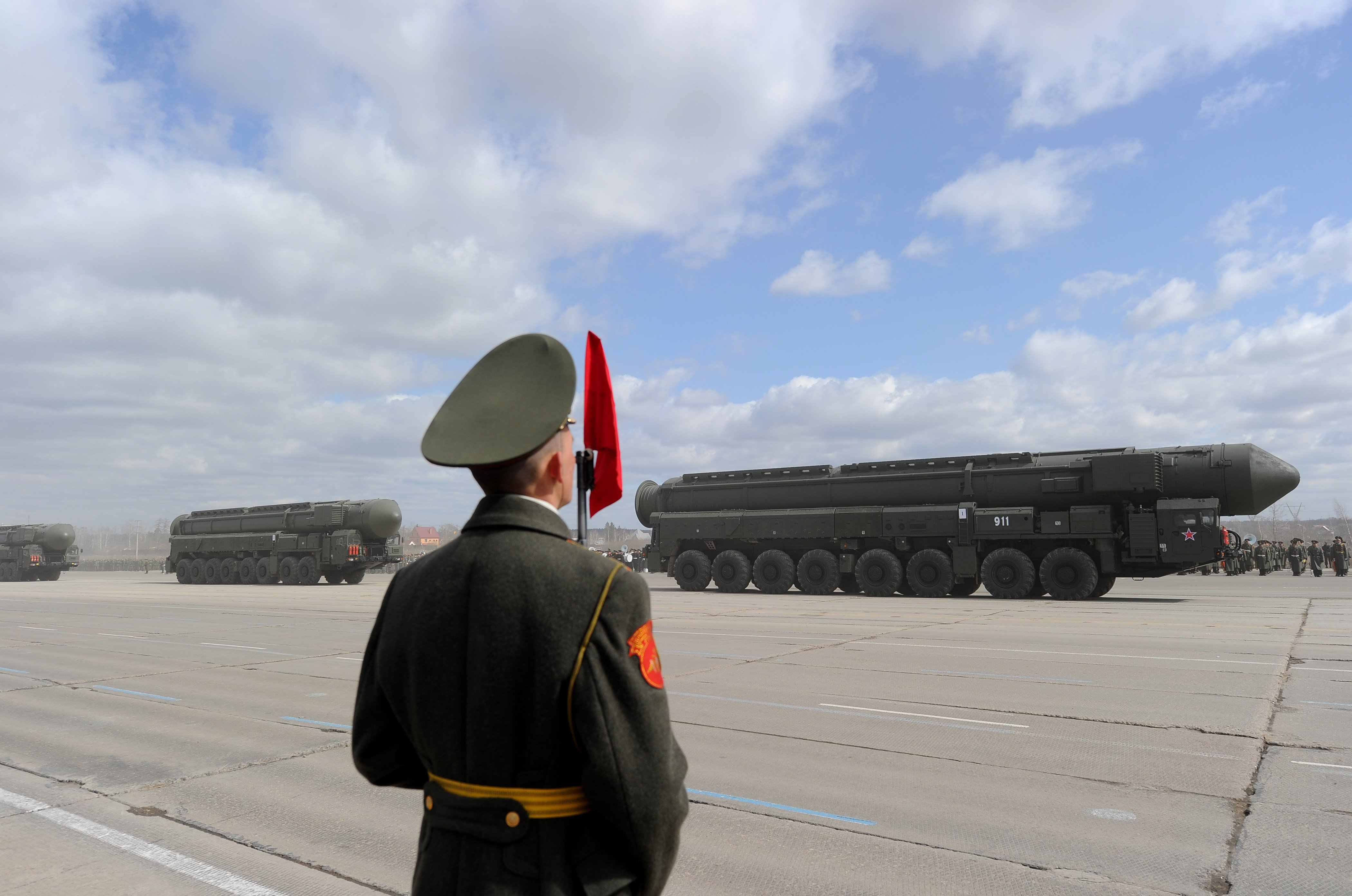
Russia launched snap nuclear forces exercises to pressure Ukraine's Western allies and distract from battlefield setbacks, the Institute for the Study of War (ISW) assessed on May 19.
We bring you stories from the ground. Your support keeps our team in the field.
"Russian forces are likely conducting snap nuclear exercises from May 19 to 21 and reinforcing long-standing narratives aimed at influencing NATO decision-making and masking Russia's own weaknesses," ISW analysts wrote.
The Russian Defense Ministry announced the three-day maneuvers on May 19, framing them as a response to an alleged "threat of aggression." Moscow pulled in the Strategic Rocket Forces, the Northern and Pacific Fleets, the long-range aviation command, and elements of the Leningrad and Central Military Districts.
According to figures released by Russia's defense ministry, more than 64,000 troops and over 7,800 pieces of equipment are taking part, including:
more than 200 missile launchers;
more than 140 aircraft;
73 surface ships;
13 submarines, eight of which are strategic missile carriers.
Russian forces also reported launches of ballistic and cruise missiles at firing ranges inside the country. The Bulletin of the Atomic Scientists estimated that most of Russia's roughly 320 intercontinental ballistic missile launchers capable of delivering nuclear warheads could be involved.
Analysts noted that Russia had not previously scheduled such maneuvers for May. The regular cycle of strategic nuclear drills, informally known as "Grom," is conducted in October, while the most recent unannounced exercises—focused on tactical nuclear weapons—took place in the summer of 2024.
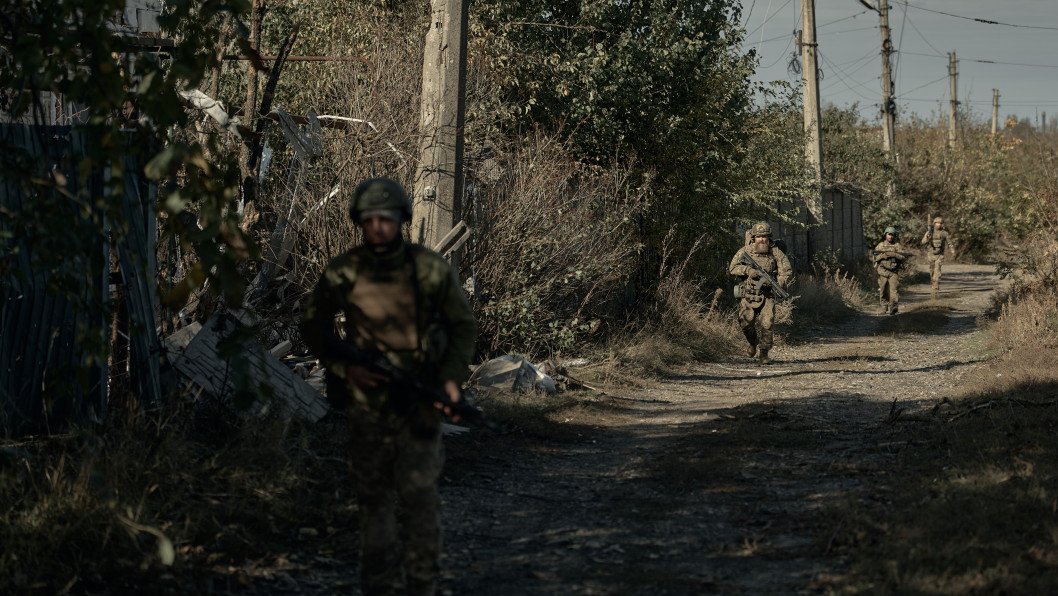
ISW emphasized that Russian forces have failed to secure meaningful gains in their spring-summer 2026 offensive. Ukrainian defense units have contested the tactical initiative across multiple front-line sectors while landing increasingly painful strikes on Russian rear-area logistics and infrastructure.
Russian Deputy Foreign Minister Sergei Ryabkov reinforced the messaging by warning of an alleged "direct clash" between Russia and NATO with "catastrophic consequences." He accused alliance members of "nuclear provocations" and indicated that Russian planners were factoring in the development of NATO nuclear capabilities.
ISW concluded that the Kremlin was applying information influence tactics designed to erode unity among Ukraine's allies and reduce support for Kyiv.
The latest exercises fit a wider pattern of nuclear signaling from Moscow. On May 6, Russia activated the Kura missile testing range in Kamchatka in the days leading up to the May 9 Victory Day parade, restricting civilian access to the facility through May 10.
The site has long served as an impact zone for launches tied to Russia's strategic nuclear deterrence forces.
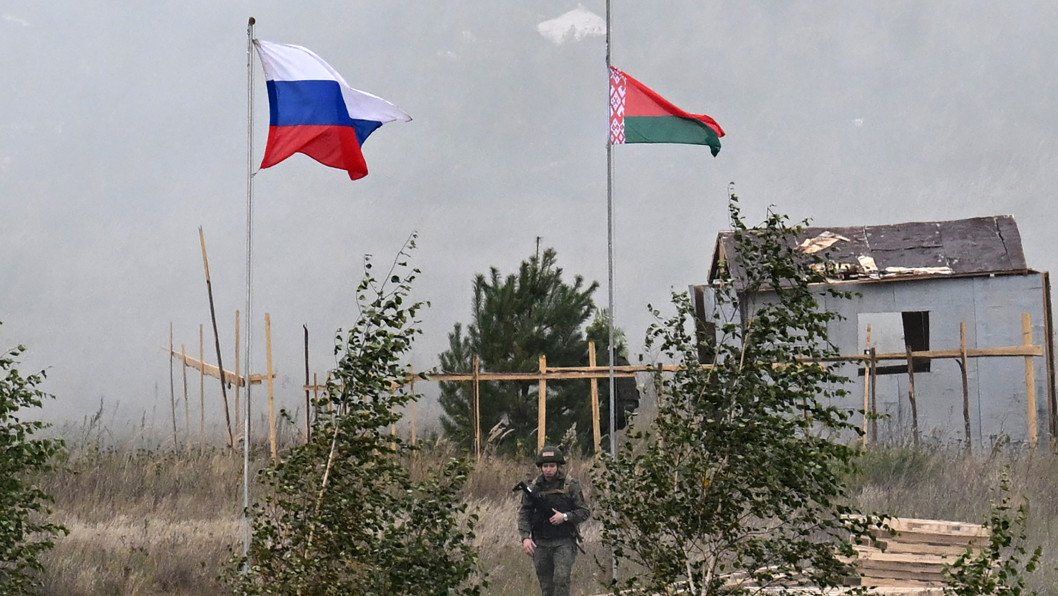
The Belarusian track has tightened in parallel. On May 12, Belarusian leader Alexander Lukashenko announced plans to mobilize military units in a selective manner in preparation for possible combat operations, following a large-scale inspection of the country's armed forces.
Discuss this article:
-4a56a6b482ec132402c16ef6fcabf9a2.png)