- Category
- War in Ukraine
Inside Ukraine’s Logistic Lockdown
How Ukraine’s mid-range drones are disrupting Russian logistics—and when the front will feel the impact.
 Prefer U24 Media on Google
- Authors


Ukraine’s growing fleet of mid-range strike drones is increasingly targeting the logistics networks that sustain Russian military operations in occupied territories, allowing Ukrainian forces to strike supply routes, fuel convoys, rail infrastructure, and military facilities up to 300 kilometers behind the front line.
We bring you stories from the ground. Your support keeps our team in the field.
The effort forms part of Ukraine’s broader “Logistic Lockdown” initiative, announced by Minister of Defense Mykhailo Fedorov in May, which aims to disrupt Russian supply networks and reduce Moscow’s ability to sustain offensive operations.
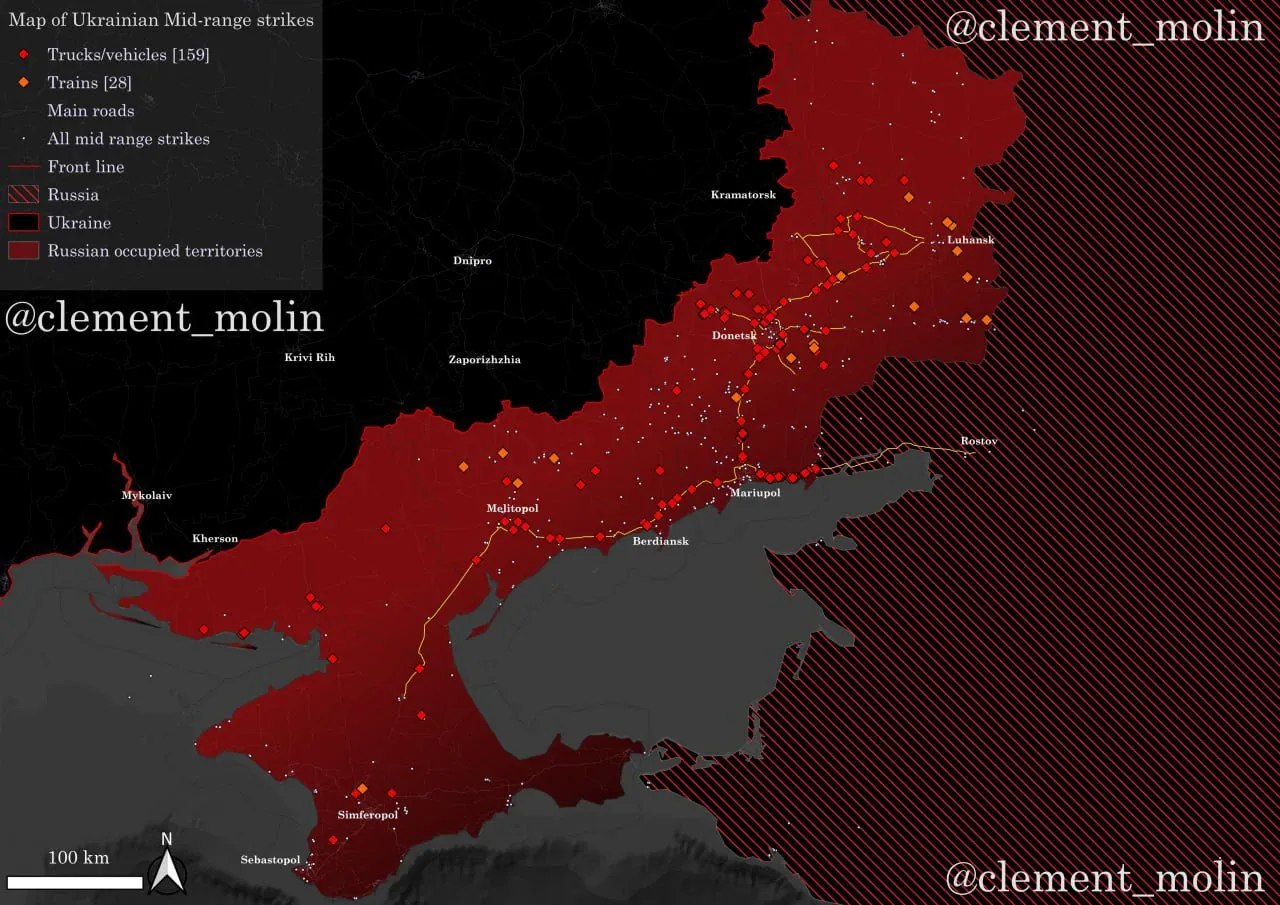
According to Ukrainian defense publication Oboronka on June 10, what began as a campaign focused primarily on Russian air defense systems has evolved into a broader effort aimed at disrupting the transportation corridors that support Russian operations across southern Ukraine and temporarily occupied Crimea.
From Crimea to the rear logistics network
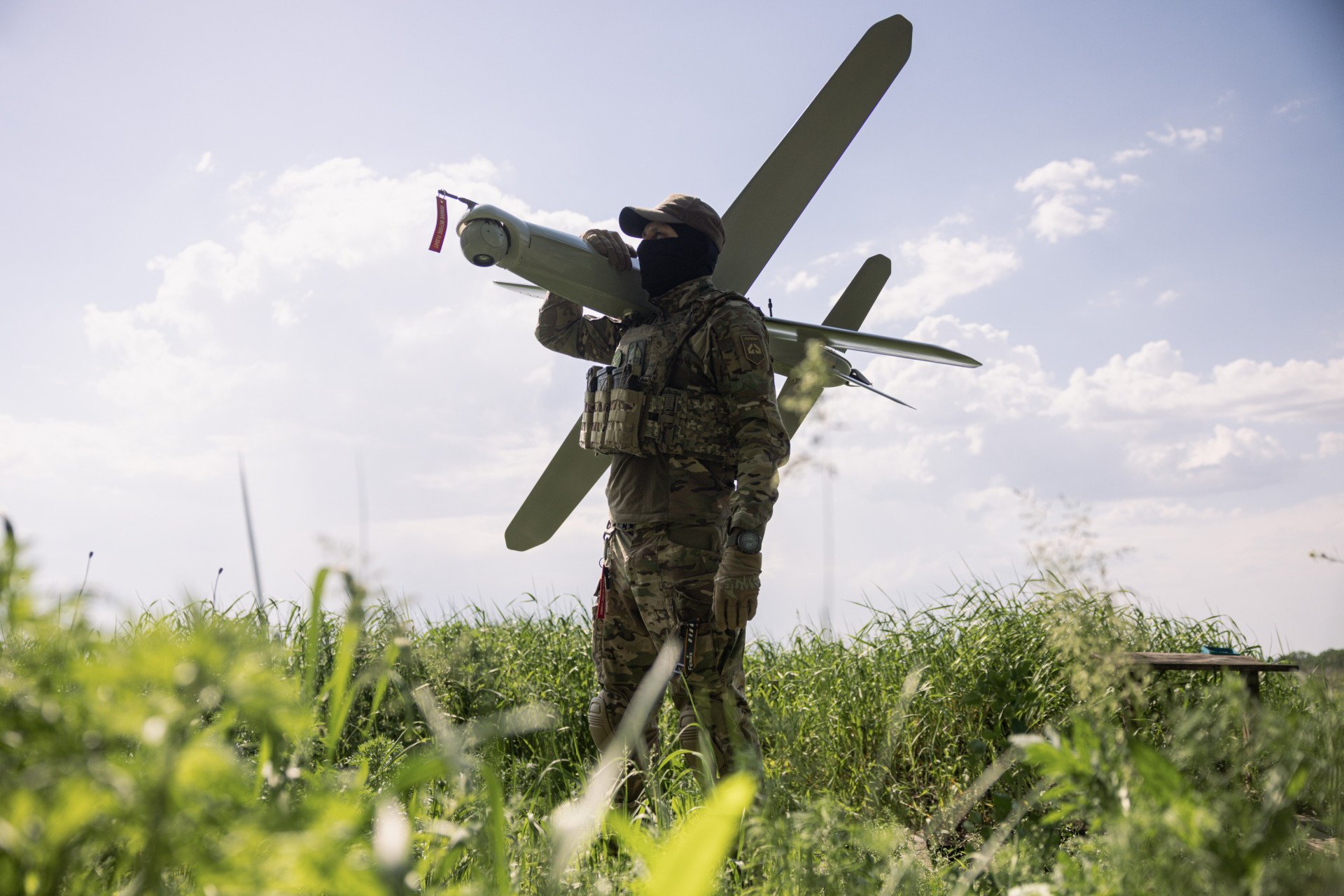
Some of the first systematic mid-range drone operations were carried out by the Defense Intelligence Directorate’s (HUR) Prymary unit, which used Rubaka drones to strike military targets in occupied Crimea more than 200 kilometers from Ukrainian-controlled territory.
ウクライナ国防省情報総局(HUR)が、ロシア軍の兵站妨害に乗り出した。徘徊型弾薬RAM-2Xを用いて、補給路沿いの標的を攻撃している。
— katsu🇺🇦 (@katsu0575jp2_2) May 29, 2026
🔍ポイント
情報機関HURが「実行主体」として打撃に加わった点が新しい。標的選定から攻撃までを一体で回せる。…
Over time, Ukraine’s arsenal of mid-range strike drones expanded significantly. Systems such as RAM-2X and Bulava are used against mobile targets and air defense assets at ranges of up to 120 kilometers, while larger FP-2 drones carrying warheads weighing up to 100 kilograms are employed against more heavily protected fixed targets.
Ukrainian forces have publicly documented more than 365 successful strikes during the first year of the campaign, with Russian air defense systems accounting for a large share of confirmed targets.
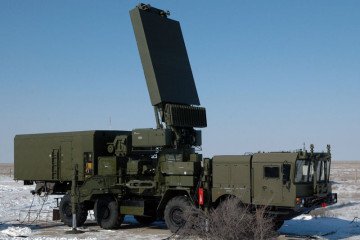
The publication reports that repeated attacks on radars and launchers, combined with separate long-range strikes deeper inside Russia, have forced Moscow to disperse air defense assets across a wider area. Russian authorities have expanded air defense deployments around strategic facilities, including drone production sites and Moscow itself.
French OSINT analyst Clément Molin said that repeated attacks on radars, launchers, fuel depots, and ammunition storage sites have gradually increased pressure on Russia’s defensive network, creating additional gaps that Ukrainian forces continue to exploit.
Focus shifts toward logistics
As production of mid-range drones increased and more Ukrainian units gained access to them, the campaign’s focus reportedly shifted from air defense systems toward logistics infrastructure.
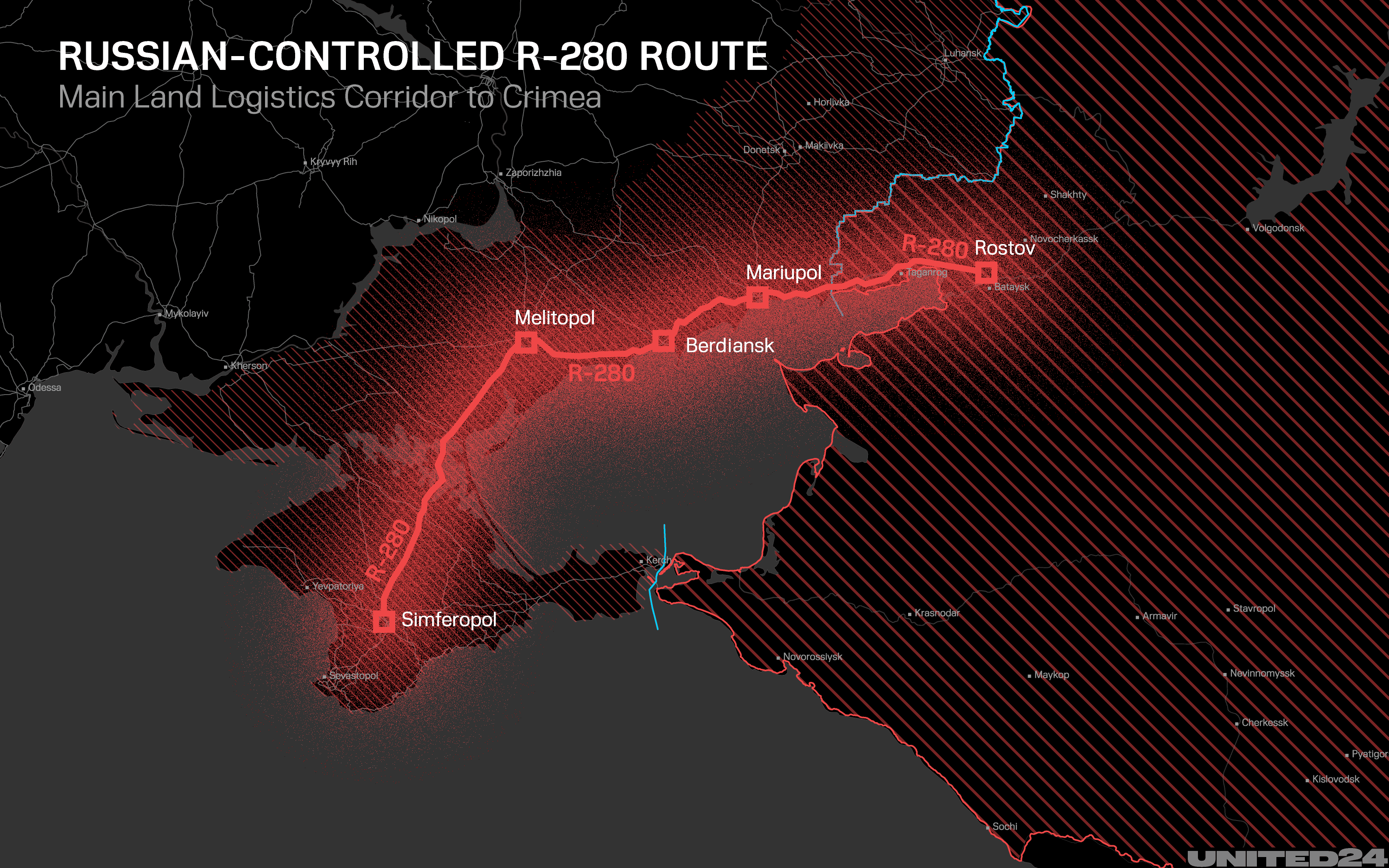
One of the first major targets was the R-280 highway, known in Russia as the “Novorossiya” route. The road links Rostov-on-Don with occupied Mariupol, Berdiansk, Melitopol, and Crimea, making it one of the most important supply corridors supporting Russian forces in southern Ukraine.
The publication reports that strikes later expanded to transportation routes across occupied parts of Zaporizhzhia, Donetsk, Luhansk, and Kherson regions. Bridges and railway infrastructure have also become regular targets.
Data analyzed by the Ukrainian OSINT community CyberBoroshno suggests that reports of Ukrainian drone activity along Russian-controlled roads increased sharply after the campaign intensified in mid-May.
The analysis was based on more than 6,000 messages collected from monitoring groups and local channels operating in occupied territories.
Russian milbloggers confirm that Ukrainian Hornet mid-range strike drones are causing havoc to Russian supply lines deep behind the frontline.
— OSINTtechnical (@Osinttechnical) May 12, 2026
The Russians have found that the drones are fairly jam-resistant and equipped with semi-autonomous targeting. pic.twitter.com/cIHTdNPMBr
According to the findings, Ukrainian forces are increasingly able to maintain what military analysts describe as “fire control” over key logistics routes, forcing Russian military transport to operate under a constant threat of attack.
More units join the campaign
The campaign is no longer limited to intelligence and special operations units. At least 27 Ukrainian military formations from different branches of the Defense Forces are now conducting strikes at ranges of up to 300 kilometers.
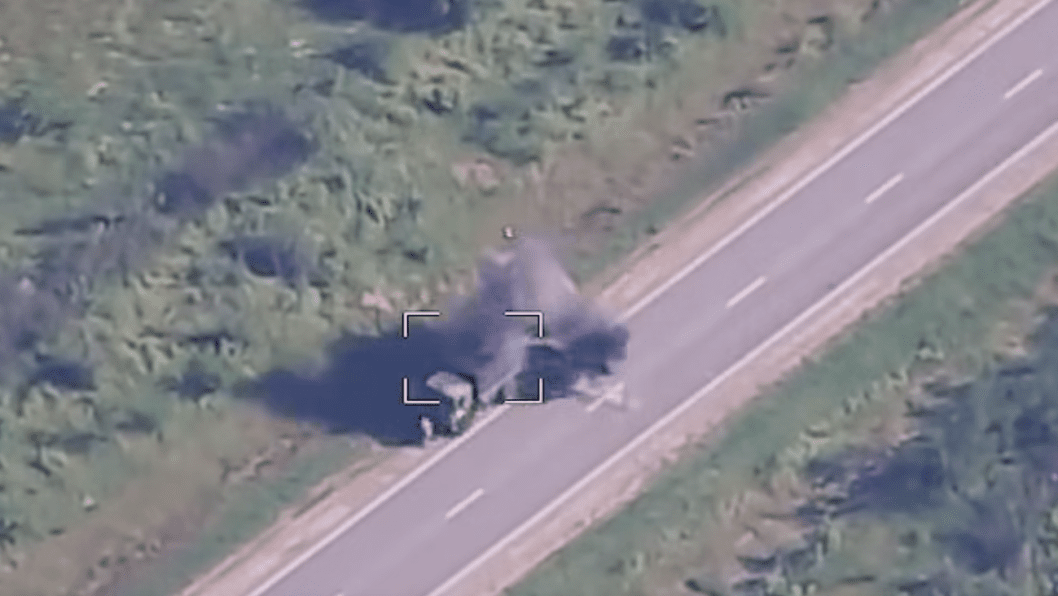
One example cited by the publication is the 1st Azov Corps of the National Guard, which released footage in May showing strikes against Russian logistics vehicles near occupied Mariupol.
The unit reportedly used Hornet drones produced by Swift Beat, a company founded by former Google chief executive Eric Schmidt. The drone can operate at ranges of up to 160 kilometers while carrying a warhead weighing up to 4.5 kilograms.
The system reportedly incorporates artificial intelligence-based target acquisition technology designed to improve strike accuracy even if communications are disrupted. The drone’s estimated cost is approximately €5,000.
💥 Ukraine's Azov Corps drones are wiping out Russian resupplies before they can even reach occupied Mariupol which is located just 50km from the border with Russia.
— Igor Sushko (@igorsushko) May 25, 2026
The main highway continues all the way to occupied Crimea. https://t.co/qVQV0Wa1rh pic.twitter.com/T4NlasDK4z
Ukraine has also expanded the use of Starlink-enabled strike drones, allowing operators to maintain control over aircraft at greater distances than traditional radio-controlled systems.
Russian countermeasures
Russian forces have introduced several measures aimed at reducing losses from Ukrainian drone attacks. Authorities have restricted civilian traffic on some roads, deployed additional mobile air defense teams, and increased the use of drone interceptors.
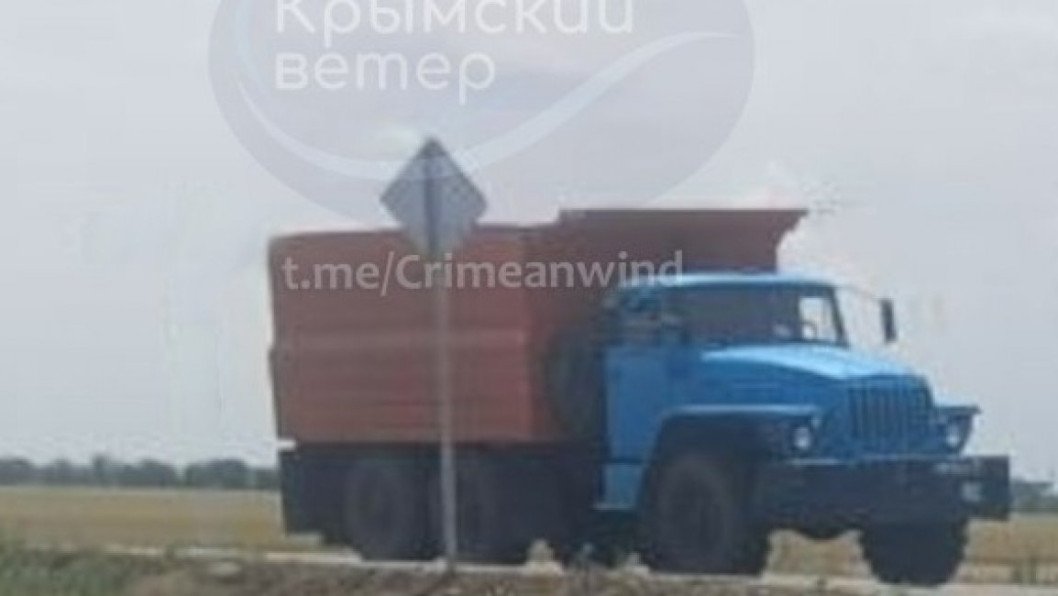
Russian troops have also experimented with visual camouflage schemes designed to confuse machine-vision systems and have sought alternative supply routes away from frequently targeted roads.
Military analysts interviewed by the publication argue that such measures increase the complexity and cost of Russian logistics operations even when they successfully reduce losses.
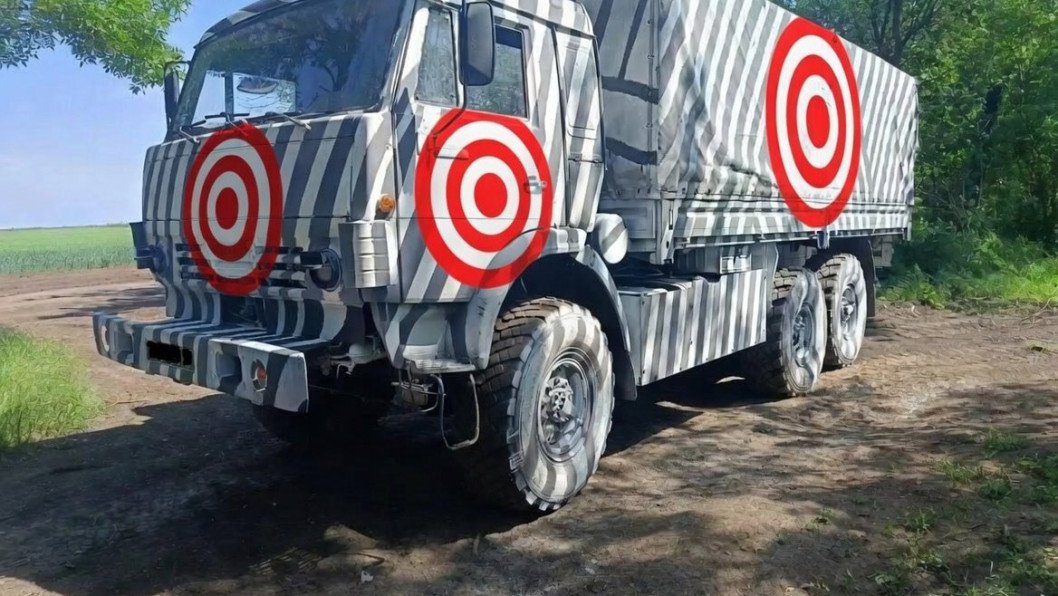
Detours often lengthen transportation routes and increase fuel consumption, while newly established supply corridors can be identified and targeted within days.
How soon could the effects reach the front line?
Military personnel involved in the campaign said its effects are currently most visible in rear areas rather than directly on the battlefield.
Growing fuel shortages have been reported in occupied Crimea and other Russian-controlled territories, driven by attacks on fuel infrastructure, storage facilities, transportation networks, and supply routes.
Analysts note that the effectiveness of the campaign should be measured not by the number of vehicles destroyed, but by its impact on the volume of supplies reaching Russian forces.
-0dc38916235b2c5f4485ce75aa99572b.jpg)
Military analyst Igal Levin said that logistics networks do not need to be physically destroyed in their entirety to become ineffective. Instead, sustained pressure on critical nodes—including roads, railways, supply hubs, and transportation routes—can gradually reduce the amount of cargo that reaches frontline units when it is needed.
According to military personnel and analysts familiar with the effort, the campaign’s long-term success will depend on maintaining and expanding the current pace of operations.
Continued pressure on logistics networks could gradually reduce Russia’s ability to move fuel, ammunition, equipment, and personnel efficiently across occupied territories, eventually affecting combat operations closer to the front line.
Discuss this article:
-9a7b3a98ed5c506e0b77a6663f5727c5.png)