- Category
- War in Ukraine
Ukraine’s New “Middle Strike” Drones Are Wiping Out Russia’s Supply Chains and Air Defenses

Ukraine is rapidly scaling up drone production and use, capable of flying up to 200 kilometers. They are destroying Russian troop deployment sites and weapons arsenals and disrupting logistics. They also make it possible to carry out large-scale attacks deep inside Russia, thousands of kilometers away, turning its air defense systems into “Swiss cheese”.
 Prefer U24 Media on Google
- Authors

-29a1a43aba23f9bb779a1ac8b98d2121.jpeg "Photo of Illia Kabachynskyi")
Russia’s ten major oil refineries had been hit in May, Ukraine’s Unmanned Systems Forces reported on May 20. Six of them halted or partially halted operations. The Moscow Refinery was among those that stopped work after a major attack on Moscow, during which other infrastructure sites were also damaged. Some refineries were struck multiple times.
We bring you stories from the ground. Your support keeps our team in the field.
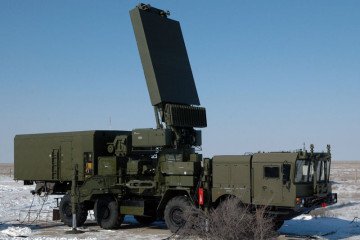
This statistic points directly to one thing: at this stage, Russian air defenses cannot cope with Ukrainian drones. And it appears the situation will only worsen in the near future, as Ukrainian drones destroy enemy air defense assets month after month. In April, drones destroyed more than 250 air defense units; in March and February, the figures were similar—up to 300 units each month.
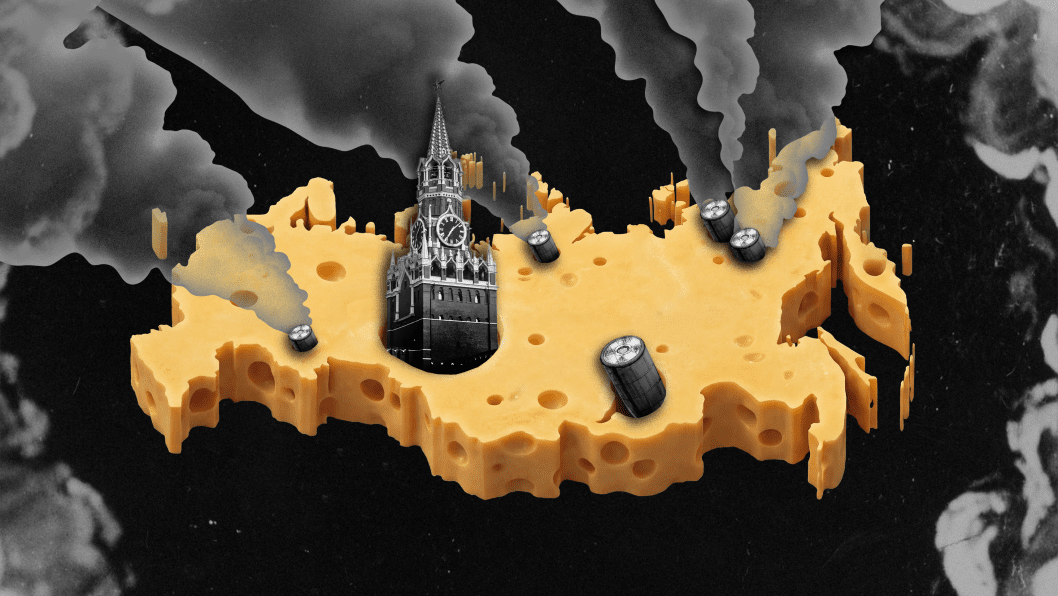
The destruction of air defense systems clears the way for Ukrainian drones to strike deeper inside the country and leaves Russia’s near rear areas less protected. For example, on May 20, Ukrainian forces showed how they burned Russian military equipment on the Crimean Isthmus, 130 kilometers from the front line. This makes logistics from the peninsula, once considered safe, dangerous.
The basis of these changes is Ukraine’s “Middle Strike” drone strategy.
What is a Middle Strike drone?
“Middle Strike” refers to the growing class of Ukrainian fixed-wing strike drones operating at mid-range distances, roughly 50–200 km, sitting between FPV/tactical drones and long-range “Deep Strike” systems.
The concept itself evolved rapidly during 2024–2026 as Ukraine expanded domestic drone production and began systematically deploying them against Russia’s logistics hubs, air defenses, depots, and rear-area targets.
How Middle Strike drones are changing the front
Fixed-wing strike drones have several important tasks, and as the winter and spring of 2026 have shown, they are handling them well.
First, they are knocking out Russian air defenses. Over the past four months, more than 500 systems have been destroyed, opening space for Ukrainian drones to carry out more active attacks on Russia’s long-range infrastructure. In addition, the destruction of air defenses eliminates any sense of protection and also has a psychological effect. The pace at which air defense systems are being destroyed is so high that Russia is currently unable to meet its own air defense needs, even to protect its territory and infrastructure.

Second, this involves the destruction of ammunition depots, weapons arsenals, and command posts. The drones can reach Mariupol, and the entire temporarily occupied south of Ukraine is no longer safe. These strikes create logistical complications: troops, equipment, and weapons must be pulled even farther from the line of contact. That lengthens supply routes, reduces the intensity of assaults, and, in some places, reduces their number.
Third, they help control the airspace. With the ability to strike targets up to 200 kilometers deep, Ukraine prevents Moscow from moving heavy equipment closer for air attacks. For example, the Crimean Peninsula has become such a dangerous place that Russia tries not to bring valuable equipment there, while ships do not leave ports that remain under constant protection. This helps push artillery, ballistic systems, and other assets away from the line of contact, and also supports Ukraine’s liberation of its own territories: for several months in a row, Ukraine has liberated more territory than Russia has captured, which is especially notable in southern Ukraine.
Russia currently has no successes on the front. Ukraine has managed to break Russia’s spring offensive campaign and blunt its future potential as well: large mechanized groups of armored vehicles have not appeared on the front for a long time.
As of now, Middle Strike drones offer a significant advantage from Ukraine’s perspective and are effectively carrying out missions along the entire front line. To meet frontline needs, the Defense Ministry is contracting record volumes—tens of thousands of units.
Breaking through Russia’s layers of defense
The record attack on Moscow in mid-May was no accident. The Ukrainian side traditionally does not comment on the attack, but Russian media claimed that between 500 and more than 1,000 drones were shot down, while some number still reached their targets. Strikes were recorded across Russia and in Moscow itself.
Such Deep Strike drone attacks are large, complex operations, and Middle Strike drones are a key part of them. They exhaust air defense forces, destroy assets, and weaken the defenses of border regions, opening a path to targets in Moscow. This is what makes it possible to strike Russian military and oil infrastructure day after day.
The strike on Moscow’s infrastructure showed that even a multilayered defense cannot withstand such pressure. At the same time, no other region is as well protected as Moscow.
Moscow’s air defense system includes, among other assets, more than 100 launchers for S-300, S-400, and S-500 systems and more than 50 Pantsir-S1/S2 air defense gun-missile systems—a combined simultaneous salvo of more than 700 surface-to-air missiles, says Robert Brovdi, commander of the Unmanned Systems Forces. Even such protection was bypassed by Ukrainian drones.
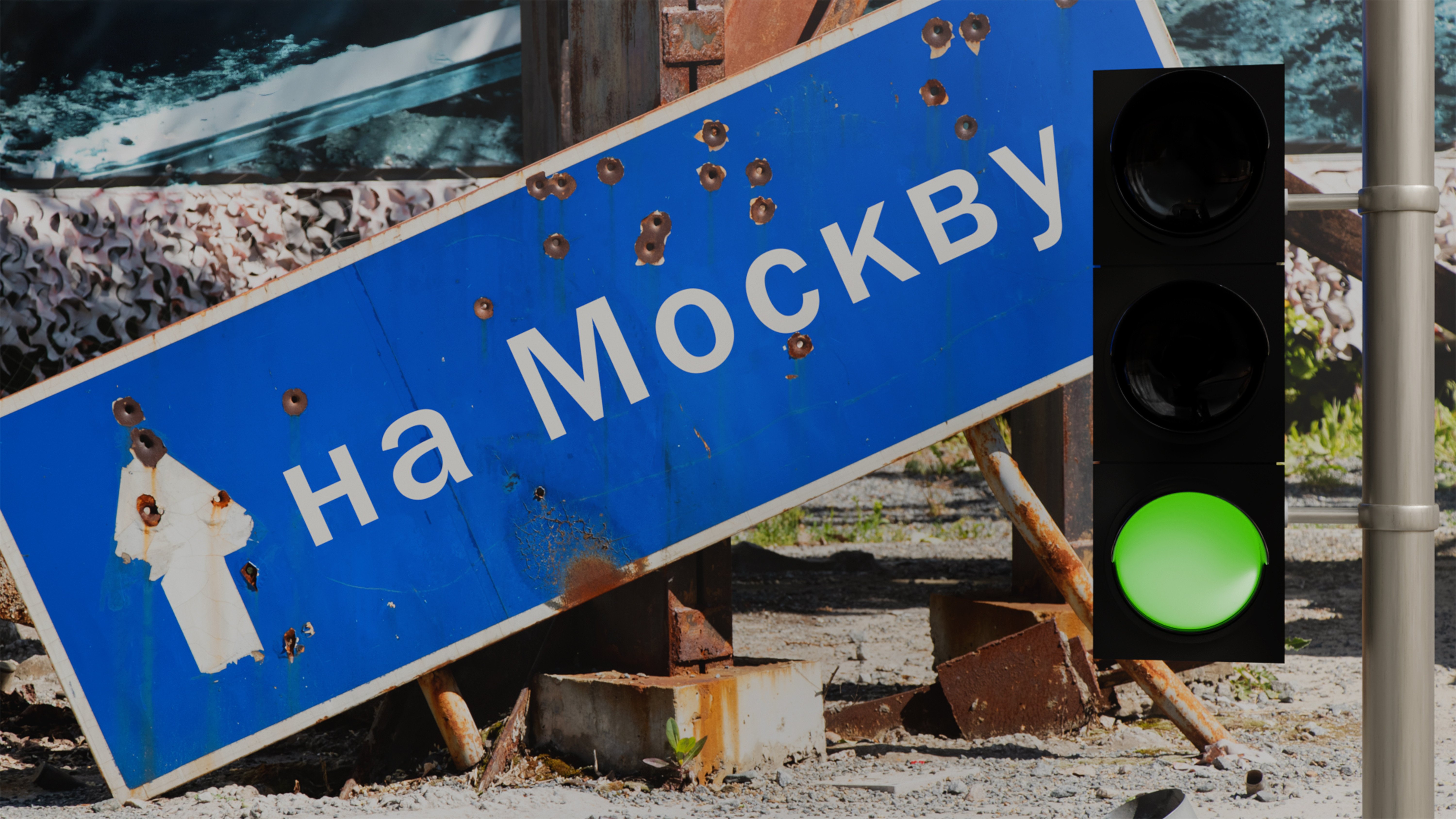
The last time Ukrainian drones flew toward Moscow, they bore the inscription “Moscow Never Sleeps,” which is yet another sign that more such strikes are coming.
For Russia, the entire occupied part of Ukraine is turning into a complex battlefield: Crimea and other temporarily occupied regions are now within reach of tens of thousands of affordable drones that are destroying Russian equipment, air defenses, weapons depots, and headquarters. Under such conditions, logistics becomes a massive problem, while offensive capabilities decline.
Discuss this article: