- Category
- War in Ukraine
Russia Using Families of Ukrainian POWs in Psychological Pressure Campaign
 Prefer U24 Media on Google
- Authors


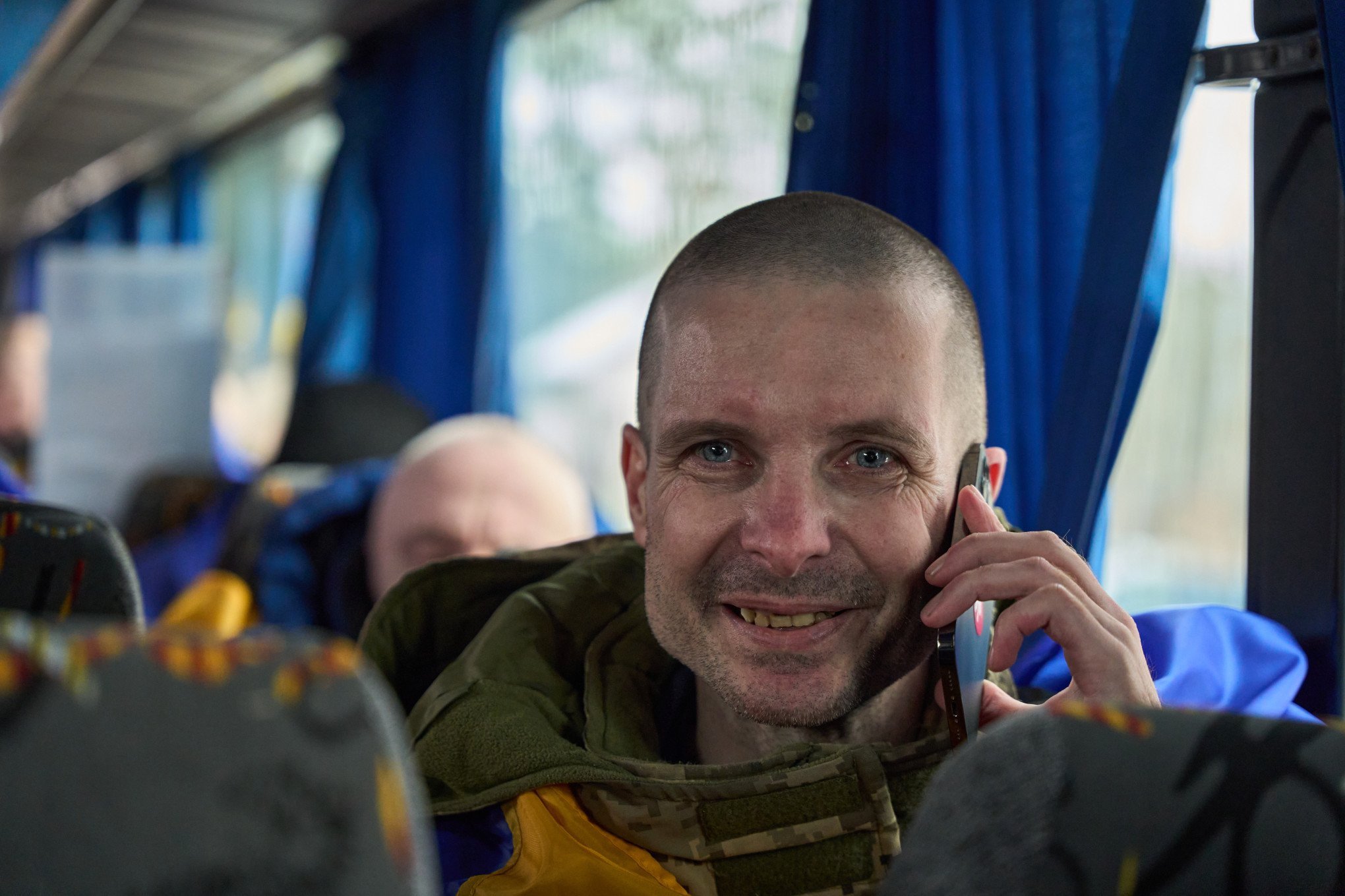
Russia is carrying out a large-scale information and psychological pressure campaign targeting the families of Ukrainian prisoners of war, attempting to manipulate relatives into actions that could undermine Ukraine internationally.
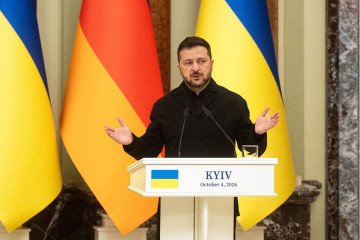
This was reported by Ukraine’s Human Rights Commissioner Dmytro Lubinets on May 20.
We bring you stories from the ground. Your support keeps our team in the field.
According to Lubinets, Russian operatives have been contacting relatives of captured Ukrainian servicemen directly through phone calls and messages, offering supposed assistance with prisoner exchanges.
In return, families are allegedly being instructed to send provocative letters to Ukrainian authorities, US institutions, and international organizations using pre-written templates supplied by the Russian side.
“Relatives are being asked to send provocative letters containing false accusations that the Ukrainian authorities are allegedly refusing to facilitate the release of prisoners of war,” Lubinets stated.
-e0d2fbd2e85029e4ee202bd757979320.jpg)
The ombudsman said that after the letters are sent, Russian representatives demand photographic proof confirming the submissions. According to him, the materials are then intended for use in international information campaigns against Ukraine.
Lubinets stressed that the scheme is part of a coordinated Russian information operation and has no connection to the actual process of returning prisoners of war.
The reports of pressure on prisoners’ families come shortly after Ukraine and Russia conducted the first phase of a large-scale “1,000-for-1,000” prisoner exchange, during which 205 Ukrainian servicemen were returned from Russian captivity.
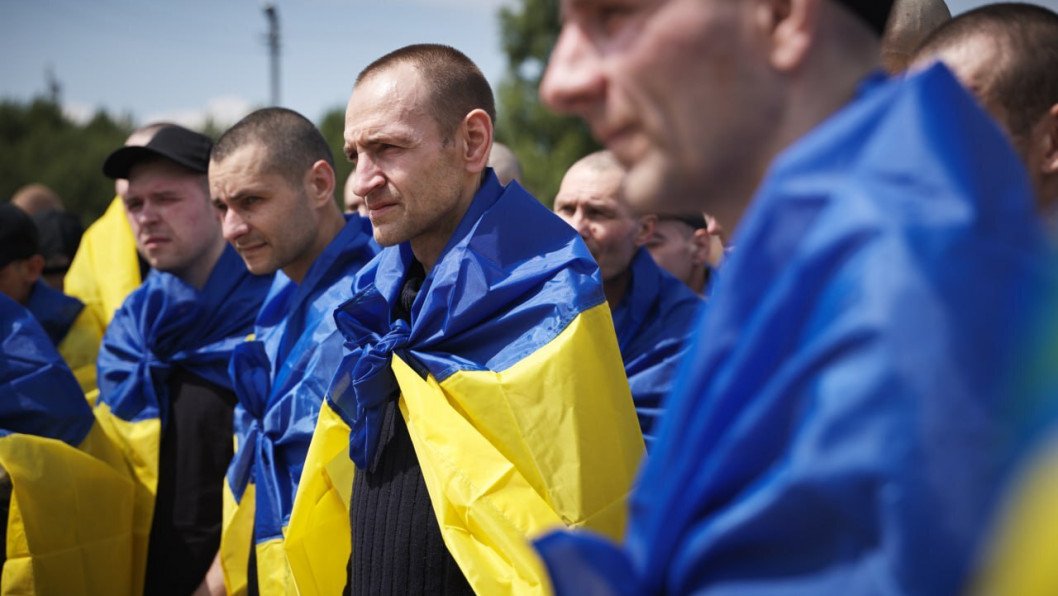
According to Ukraine’s Coordination Headquarters for the Treatment of Prisoners of War, the exchange took place under agreements reached with mediation involving the United States.
Those released included personnel from multiple branches of Ukraine’s security and defense forces, among them members of the Armed Forces of Ukraine, the Navy, Ground Forces, Air Assault Forces, Territorial Defense Forces, Air Force, as well as fighters from the National Guard and the State Border Guard Service.
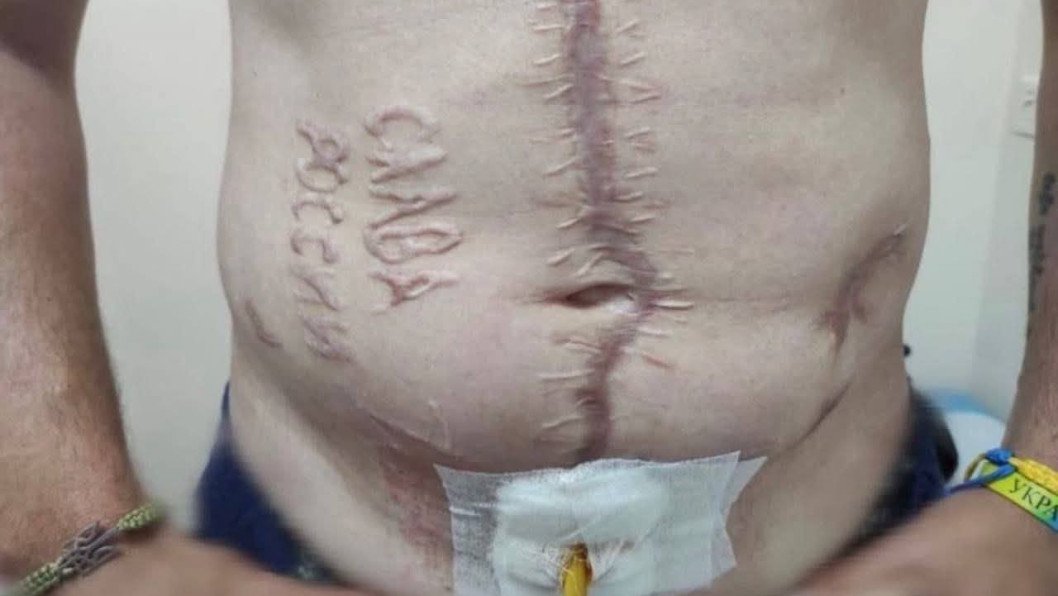
Officials said most of the freed servicemen had spent nearly four years in captivity, with many captured during the defense of Mariupol. Ukrainian authorities noted that the length of captivity remains one of the main factors considered when compiling exchange lists under the “1,000-for-1,000” framework.
Additionally, a delegation representing 20 countries and seven international organizations visited Ukraine’s only functioning humanitarian corridor used by civilians returning from temporarily occupied territories via Russia and Belarus.
The group consisted of 40 representatives from foreign embassies and international institutions. During the visit, they examined operations at the crossing point in Ukraine’s Volyn region, where staff from the Ombudsman’s Office provide returning civilians with assistance including documentation support, transportation, coordination services, and urgent humanitarian aid.
Discuss this article:

-c439b7bd9030ecf9d5a4287dc361ba31.jpg "Photo of Katherina Popilnichenko")

-72b63a4e0c8c475ad81fe3eed3f63729.jpeg "Photo of Cyril Barabaltchouk")