- Category
- War in Ukraine
Russian Troops Face “Logistics Lockdown” Under Ukrainian Drone Barrages
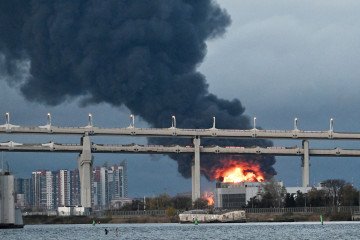
Ukrainian drone strikes reaching up to 300 kilometers behind the front are creating a growing logistical nightmare for the Russian military. Supplying weapons, ammunition, fuel, and provisions becomes far harder when key routes are constantly threatened. It is a twofold strategy—reducing the number of Russian assaults and forcing missile launch systems farther away from Ukrainian cities.
 Prefer U24 Media on Google
- Authors

-29a1a43aba23f9bb779a1ac8b98d2121.jpeg "Photo of Illia Kabachynskyi")
Over the past several months, the OSINT community has found itself increasingly busy, tracking how many strikes the Ukrainian military has begun carrying out against Russian logistics at depths exceeding 50 kilometers. Dozens have been officially confirmed; hundreds more are likely to have gone unnoticed. Ukrainian drones are targeting trucks and heavy equipment moving along land routes across southern Ukraine.
We bring you stories from the ground. Your support keeps our team in the field.
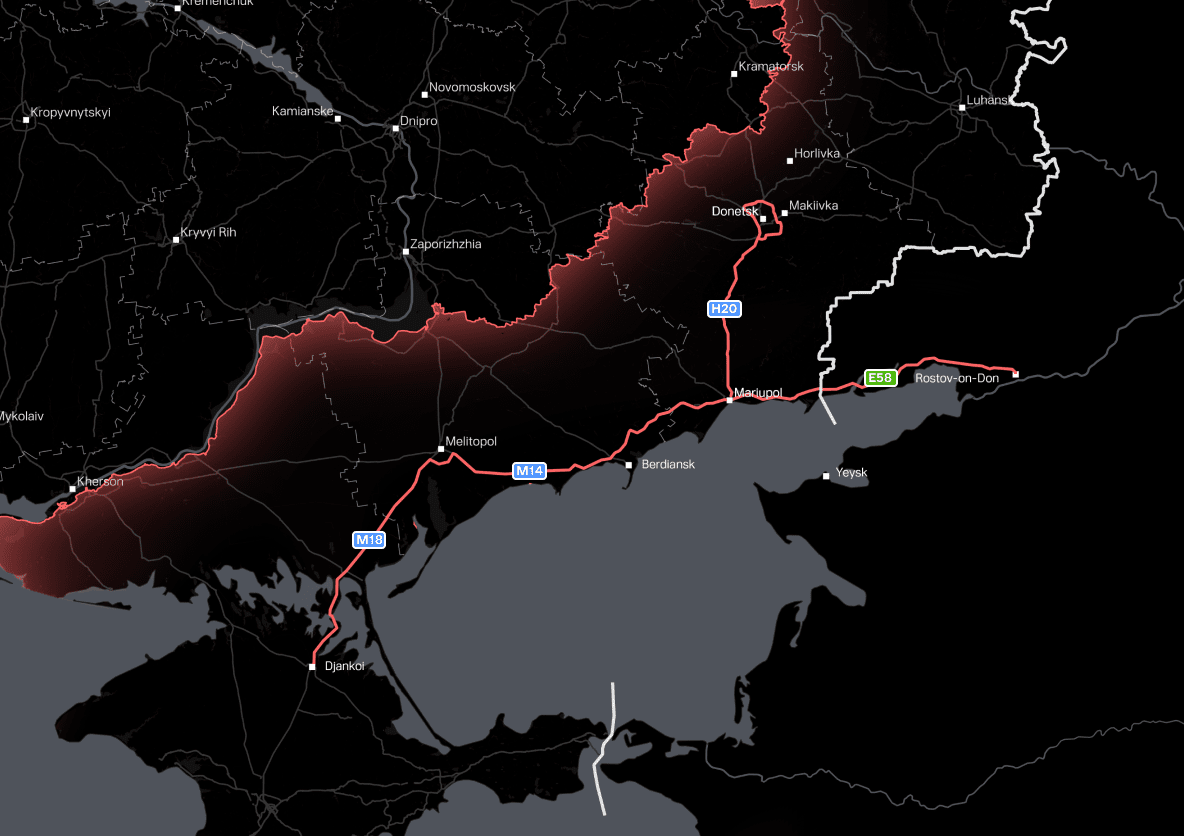
It has been confirmed that areas around Luhansk, Donetsk, Mariupol, and the land corridor to Crimea are under attack. Drones are flying distances of more than 100 kilometers and striking Russian forces in places where virtually no one expects them.
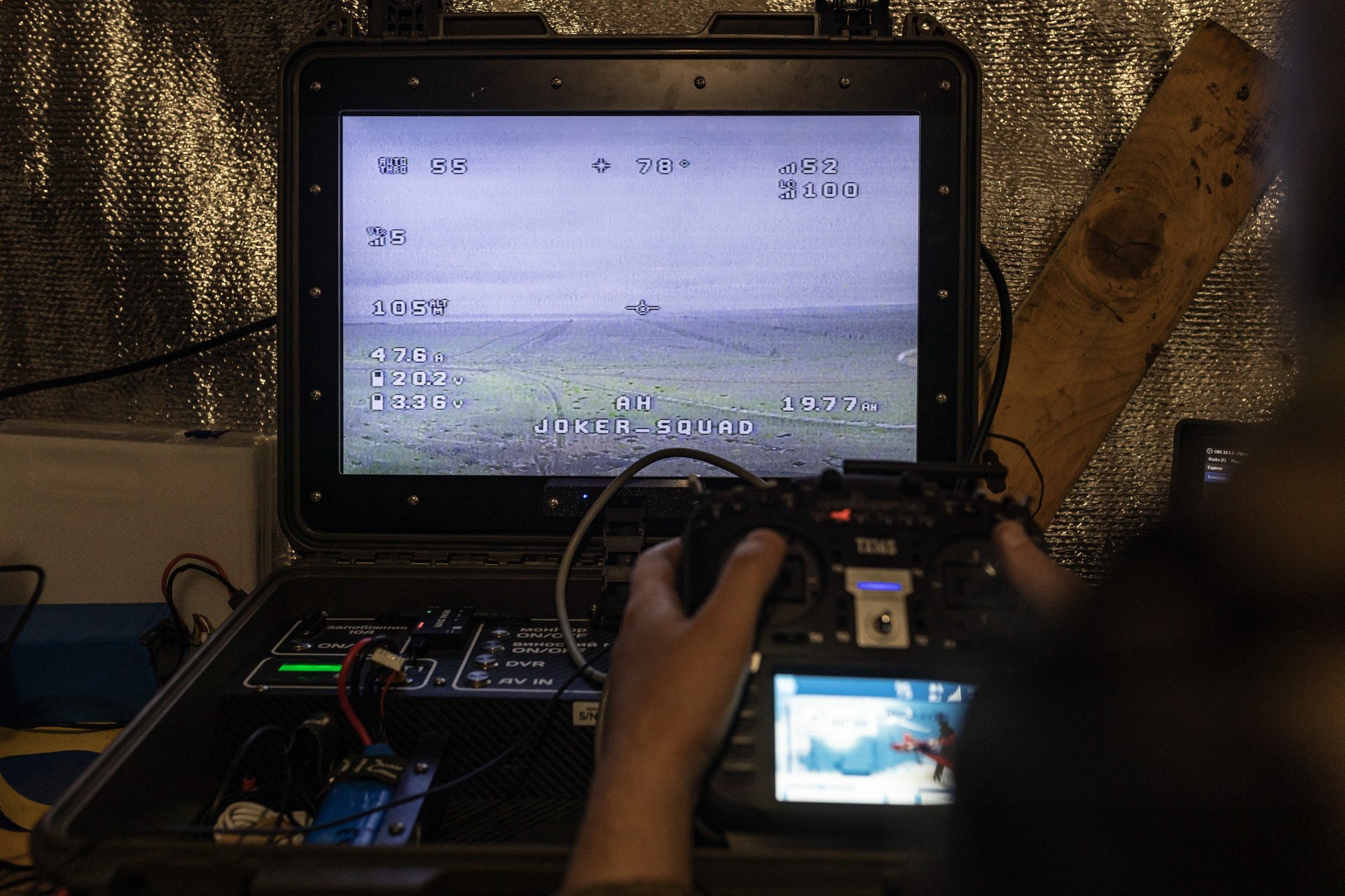
The capability comes from the scaling up of Middle Strike drone attacks, which today can travel distances of 200 to 300 kilometers. Different Ukrainian units have begun deploying them across the entire front line, enabling systematic strikes on Russian military equipment, command headquarters, and troop positions farther behind the front.
Why Ukraine is focusing on Russian supply lines
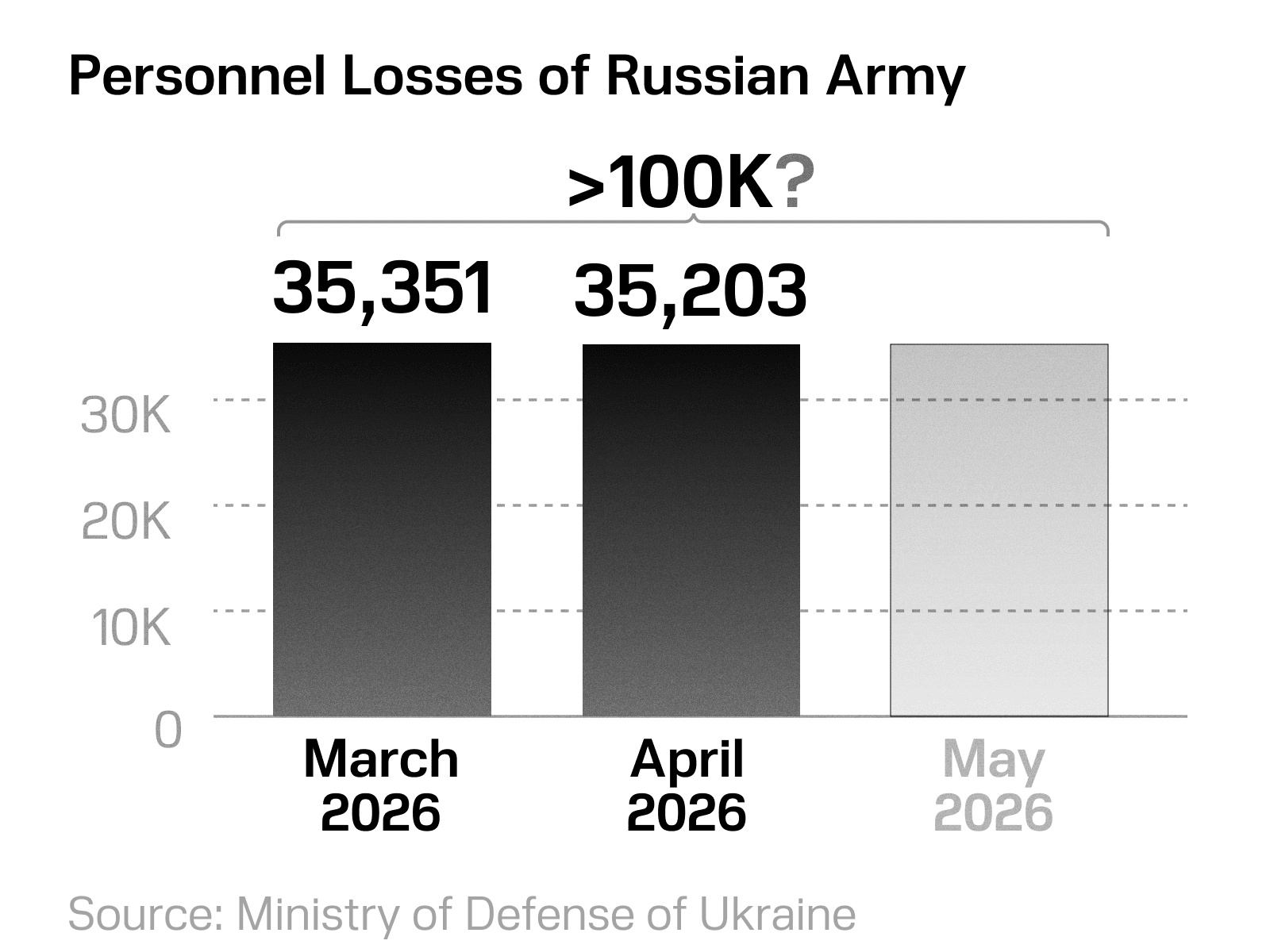
Middle Strike drone attacks are becoming another way for the Ukrainian military to regain the initiative and shift the situation on the battlefield—something that has already started to happen over the past few months. Ukrainian offensives have liberated more than 400 square kilometers of territory, Russian forces reportedly lost access to Starlink systems, and Russian casualties continue to exceed 35,000 killed and wounded each month.
Ukraine has quadrupled the destruction of Russian logistics, warehouses, equipment, command posts, and supply routes deep behind the front lines over the past several months, says Ukraine’s Defense Minister Mykhailo Fedorov.
“A clear pattern is already visible on the dashboards: the more Russian logistics are destroyed, the fewer assault operations take place along the line of combat,” Fedorov said.
That is why Ukraine is scaling up what it considers a successful model. The initiative has been named “Logistics lockdown.” During the first phase of the program, the Ministry of Defense, together with the General Staff, allocated an additional 5 billion hryvnias ($113 million) directly to military units for the procurement of modern Middle Strike systems.
At the initial stage, the funds will go to the most effective brigades and units under the “ePoints” system—teams specializing in destroying enemy targets at operational depth and demonstrating the strongest results in that area.
-d6d131aae3c063f048a1518f94335e6e.jpg)
At the same time, the second phase of the program includes centralized tenders for the procurement of a large batch of Middle Strike systems.
“Open competitions are not only about speed and scaling up production,” Fedorov explained. “They are also about competition among manufacturers, minimizing corruption risks, transparency, and the efficient use of state funds.”
The goal is to turn hundreds of strikes into thousands, effectively disrupting Russian light logistics routes from supply hubs to the front line. Longer, more complex logistics chains automatically lead to greater losses, fewer assault operations, and weaker battlefield positions.
What Ukraine’s Middle Strike attacks achieve
Drone strikes with ranges of up to 300 kilometers address several obvious and less obvious threats facing both the Ukrainian military and civilians in Ukrainian cities.
First and foremost is the logistics issue mentioned above: delivering supplies to the front becomes significantly harder, while warehouses must be moved even farther from the battlefield. Longer logistics routes create additional complications in supplying troops and lengthen preparations for assault operations. Heavy equipment has already been pushed farther back from the front, and large-scale mechanized armored assaults have become far less frequent.
At the same time, warehouses and weapons arsenals, fuel storage facilities, and Russian military headquarters become more vulnerable. At least once a week, reports emerge about the elimination of Russian officers in the Donetsk, Luhansk, or Kherson regions. All of this places additional pressure on the Russian military and further forces logistics infrastructure away from the front line—yet even then, security cannot be guaranteed.
As a result, nearly all major roads in southern Ukraine that previously served as key supply routes for Russian forces are now within range of Ukrainian drone strikes. This includes both railways, which are central to Russian military tactics, and highways. By disrupting supply routes, the Ukrainian military is depriving Russia of the ability to rapidly scale up assault operations.
A less obvious but equally important target involves missile launch systems and launch sites for Shahed-type drones. Ukrainian strikes are forcing Russia to move ballistic missile launchers farther from the front, which in turn helps shield some Ukrainian cities from attacks. The objective is to expand this buffer zone as much as possible.
The main challenge for Ukraine is to move quickly enough that Moscow does not have time to adapt its tactics, while ensuring the initiative remains on Ukraine’s side. That, apparently, is the reason behind the announcement of massive contracts and procurement plans for Middle Strike systems.
Discuss this article:
-4a56a6b482ec132402c16ef6fcabf9a2.png)