- Category
- War in Ukraine
Ukraine’s New Defense Minister Is the Mind Behind the Country’s Digital Transformation
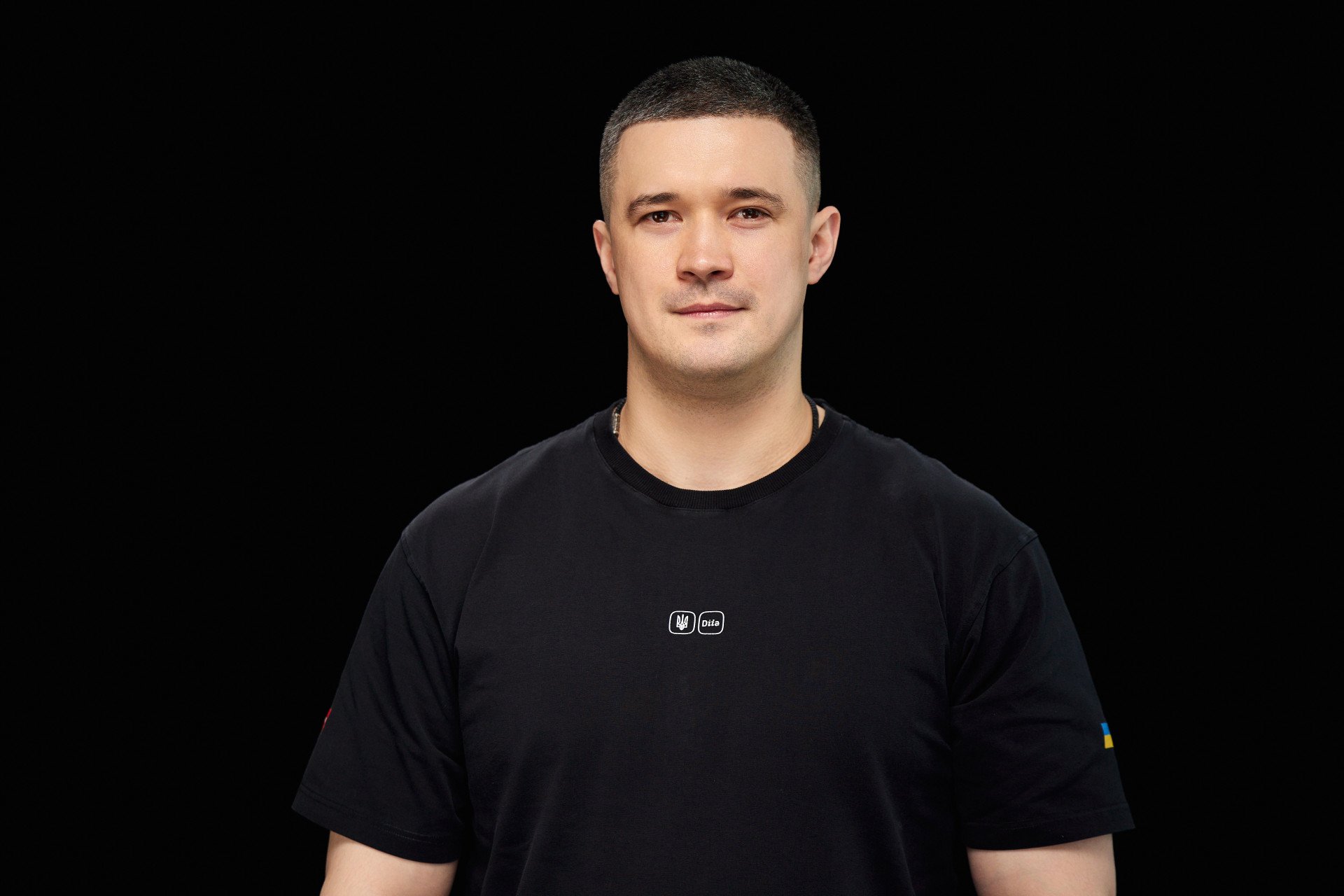
In his address to the Ukrainian Parliament, Mykhailo Fedorov, then a potential candidate for Defense Minister, stated that before Russia’s full-scale invasion, there was not a single private company in Ukraine producing missiles or robots. Today, there are dozens of both. This, he said, is the work of his team—and the clearest reflection of its drive to strengthen Ukraine’s defense capabilities.
 Prefer U24 Media on Google
- Authors

-29a1a43aba23f9bb779a1ac8b98d2121.jpeg "Photo of Illia Kabachynskyi")
Ukrainian Parliament voted to appoint Mykhailo Fedorov as Ukraine’s Defense Minister on January 14, 2026. The position had been offered to him several weeks earlier by President Volodymyr Zelenskyy.
We bring you stories from the ground. Your support keeps our team in the field.
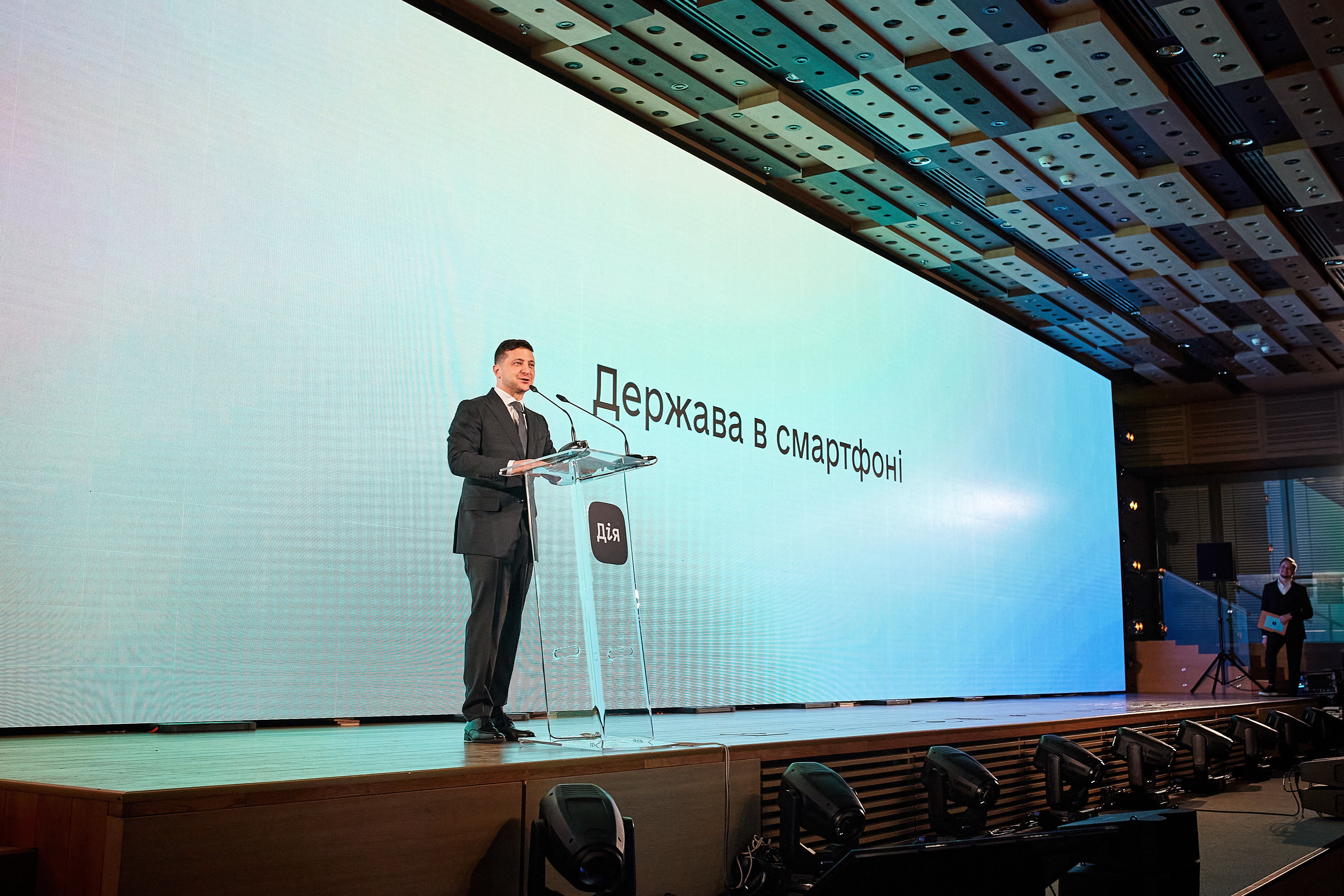
Fedorov joined Zelenskyy’s team in 2019, becoming Ukraine’s Digital Transformation Minister. His core mandate was the digitalization of public services in Ukraine—aimed at eliminating corruption at various levels and creating a “state in a smartphone.” That idea materialized in the Diia service—an app that allows Ukrainian citizens to access digital documents on their smartphones—now used by more than 23 million Ukrainians, and digitalization rapidly expanded across virtually every sector.
At the same time, Fedorov became one of the longest-serving members of the Cabinet of Ministers, holding his post for more than six years and four months—nearly a record by Ukrainian standards and a notable example over the past decade.
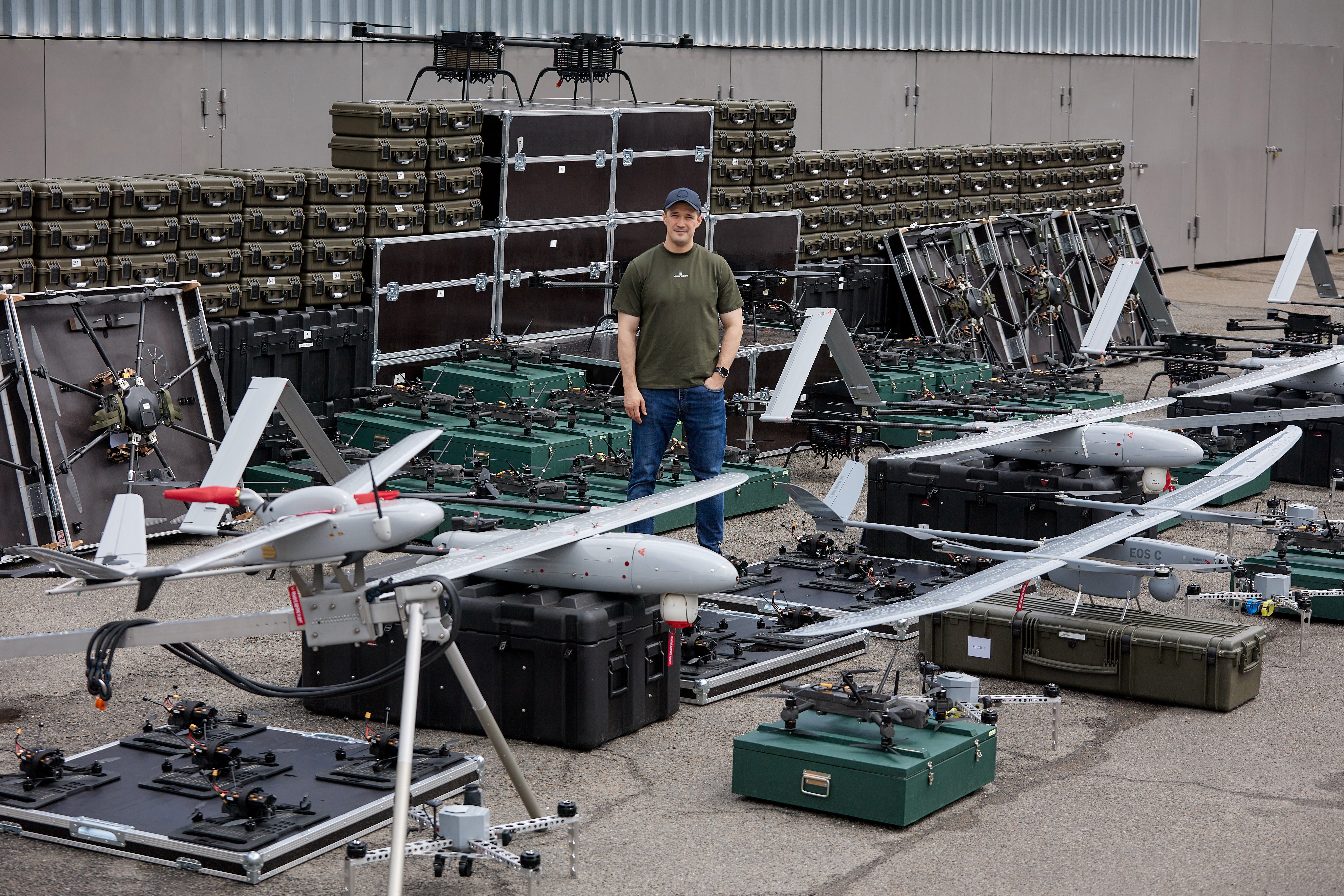
Following the start of Russia’s full-scale invasion, the agenda of the Digital Transformation Minister underwent a dramatic shift. Alongside digitizing the state, a new priority emerged: making the army technologically advanced. Following Fedorov’s appeal, SpaceX owner Elon Musk sent Starlink systems to Ukraine. The ministry’s team launched the Army of Drones program, sought investment for defense tech, and rolled out the Brave1 initiative, while also supporting the development of DeepStrike systems, robotic platforms, naval drones, and more.
A significant portion of the work involved legislative activities. Fedorov focused on creating a competitive market where companies could both earn revenue and reinvest in growth. How might this experience help strengthen the country’s defense capability?
Mykhailo Fedorov as Minister of Defense
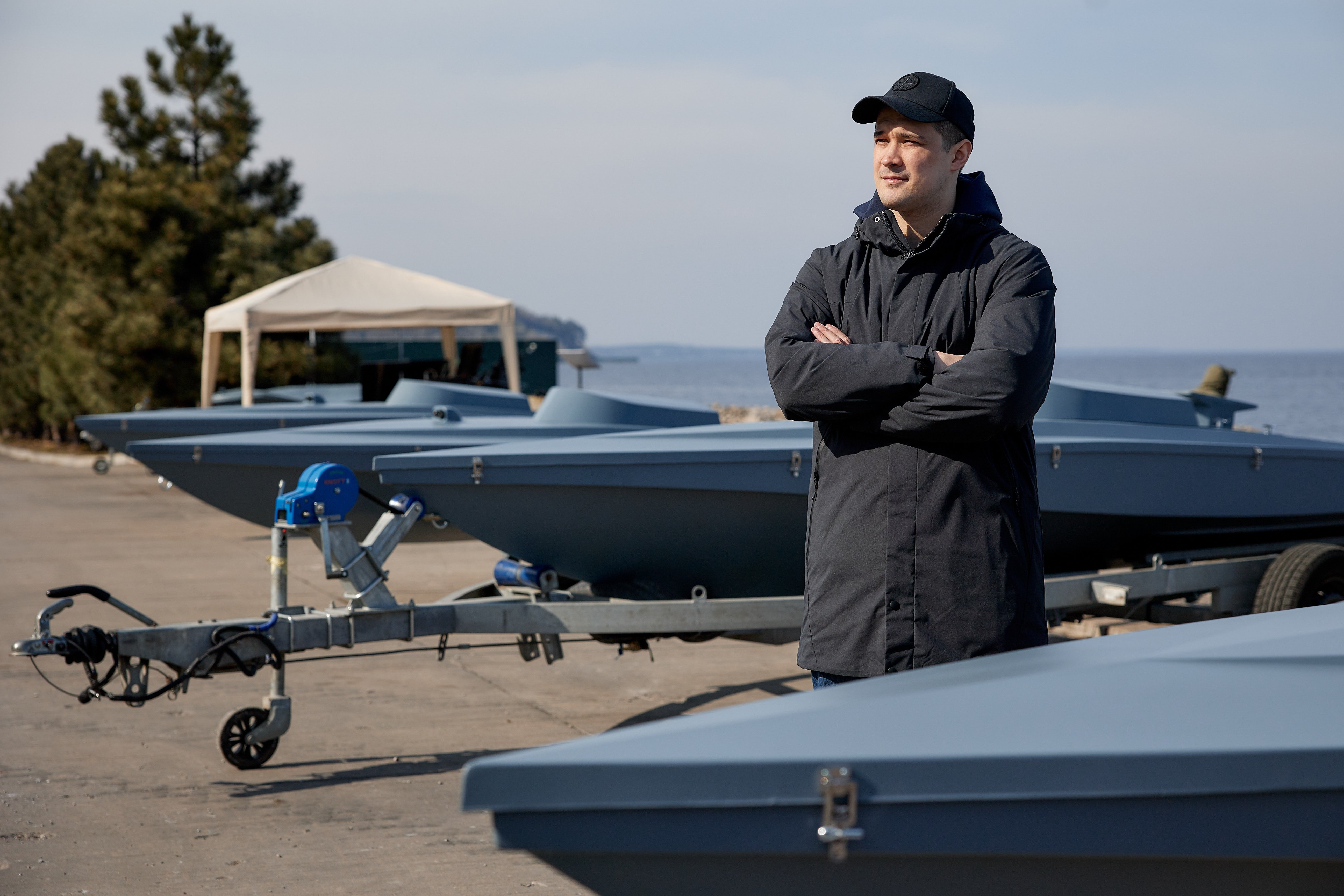
Where Fedorov once could travel to Apple’s headquarters, most of his trips now are to training grounds or manufacturers, and his photos now feature Eric Schmidt, a major investor in Ukraine’s defense tech sector.
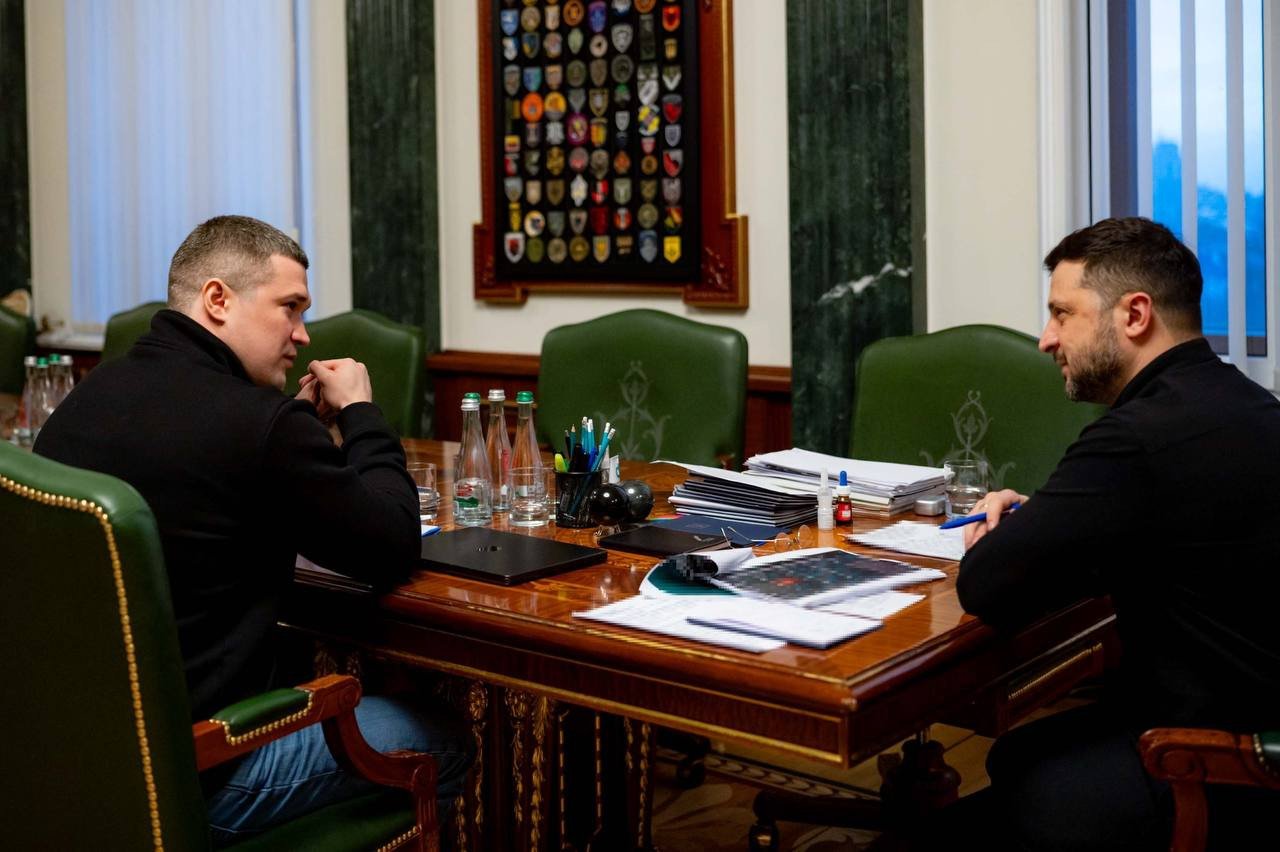
“Mykhailo is fully immersed in the war,” says someone from his inner circle. During speeches and presentations, the main emphasis was consistently on how to strengthen Ukraine’s military.
The rise of Ukraine’s defense tech
Over the past three years, the ministry has launched a wide range of initiatives that today help Ukraine withstand a militarily superior enemy—Russia.
At the beginning of the invasion, there were seven companies in Ukraine producing drones. Today, there are more than 500.
Electronic warfare: two companies then, 200 now.
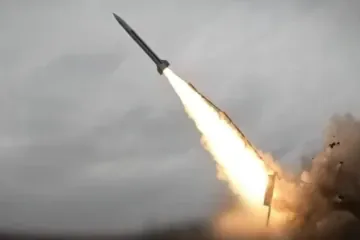
Private companies producing missiles: none before the war, more than 20 today.
Ground robotic systems: zero then, more than 100 now.
Why does this matter? Statistics show that in December 2025 alone, drones struck more than 33,000 Russian troops—using drones only. In just the first 14 days of January, the Unmanned Systems Forces, an initiative launched by the Digital Transformation Ministry, struck 3,933 Russian troops; 60% were killed, and more than 11,000 targets were hit overall.
The drone component is critically important. The goal for the coming year is to increase drone-inflicted losses to 60,000 Russian troops per month. “More robots mean fewer losses. More technology means fewer killed,” Fedorov stated as his objective at the helm of the Defense Ministry. He was also the initiator of the strike UAV companies—specialized units within the Ukrainian Armed Forces that use strike drones to destroy enemy equipment and personnel.
Equally important is that, under Fedorov’s leadership, entire operational domains with a direct impact on the war were launched. One such domain is the Brave1 defense tech cluster—a space where startups could secure funding to test ideas, gain access to soldiers and training grounds. It evolved into a comprehensive ecosystem for the development of defense technology in Ukraine.
The next step was Brave1 Market: a system that allows military units to choose exactly which drones or robotic systems they need—a kind of weapons marketplace. A performance-based points system was also introduced: the more strikes a unit delivers, the more weapons it can receive, enabling even greater effectiveness. This system allowed the most efficient units to scale their impact.
The ministry also launched interceptor drones—relatively inexpensive systems that already intercept dozens or even hundreds of Shahed drones over Ukraine every day. By January 2026, Ukraine had reached production levels of 1,500 units per day.
One of the most important initiatives is the Drone Line—a system designed to eliminate the enemy across the entire front to a depth of up to 20 kilometers. Warfare is changing: the “gray zone” is no longer measured in hundreds of meters but in kilometers. The Drone Line enables the destruction of Russian forces at significant depth using a variety of tools.
Digital command structure
What changes does Fedorov want to bring to the Defense Ministry? He says it is impossible to fight with new technologies while relying on an outdated organizational structure. The new team’s goal is to change the system: carry out military reform, improve frontline infrastructure, eradicate lies and corruption, and make leadership and trust the foundation of a new culture—where those who deliver real results are rewarded and given opportunities to grow.
“The president set a clear task: to build a system capable of stopping the enemy in the air, halting advances on the ground, strengthening asymmetric and cyber strikes against the enemy and its economy, making the cost of war for Russia one it cannot sustain.”
Other priorities include data, efficiency, anti-corruption efforts, and working with emerging technologies. Fedorov is an advocate of the “mathematics of war,” convinced that everything must be measured and calculated to support leaders who deliver the best results and are willing to share their experience. In essence, his new mission is to fully digitalize the Ukrainian Armed Forces.
Six years of Ukraine’s digital reform
Fedorov leaves the Digital Transformation Ministry after six years. The list of achievements unrelated to the war remains extensive. Several key accomplishments stand out.
Diia. A “state in a smartphone”—an app containing driver’s licenses, passports, and other documents and services. The app has 23 million users, is installed on 77% of all smartphones in the country, and has saved citizens and the state a combined 184 billion hryvnias over five years.
Telecom. Ukraine ranks No. 1 globally in fixed internet stability; 4G coverage reaches 97% of the country; 5G has been launched on a trial basis in Lviv. Starlink Direct to Cell is among the first of its kind worldwide, and Ukraine is one of the most saturated countries in terms of Starlink usage.
Education. The Mriia app is the No. 1 educational product for students, parents, and teachers.
Diia City. A special tax regime for Ukraine’s tech sector, with more than 3,400 participating companies that paid nearly $1 billion in taxes in 2025.
The ministry’s goal was to ensure that most everyday services Ukrainians rely on are digital—queue-free, fast, and hostile to bribery. That is why opening a business or selling a car can now be done online in minutes. “We proved that Ukraine can be fast. Ukraine can be technological. Ukraine can be a leader,” Fedorov said.
Now his primary task is to ensure that Ukraine is fast, technological, and a leader—on the battlefield.
Discuss this article:


-c439b7bd9030ecf9d5a4287dc361ba31.jpg "Photo of Katherina Popilnichenko")