- Category
- World
Putin Boosts Foreign Worker Recruitment in Bid to Save the Russian Economy
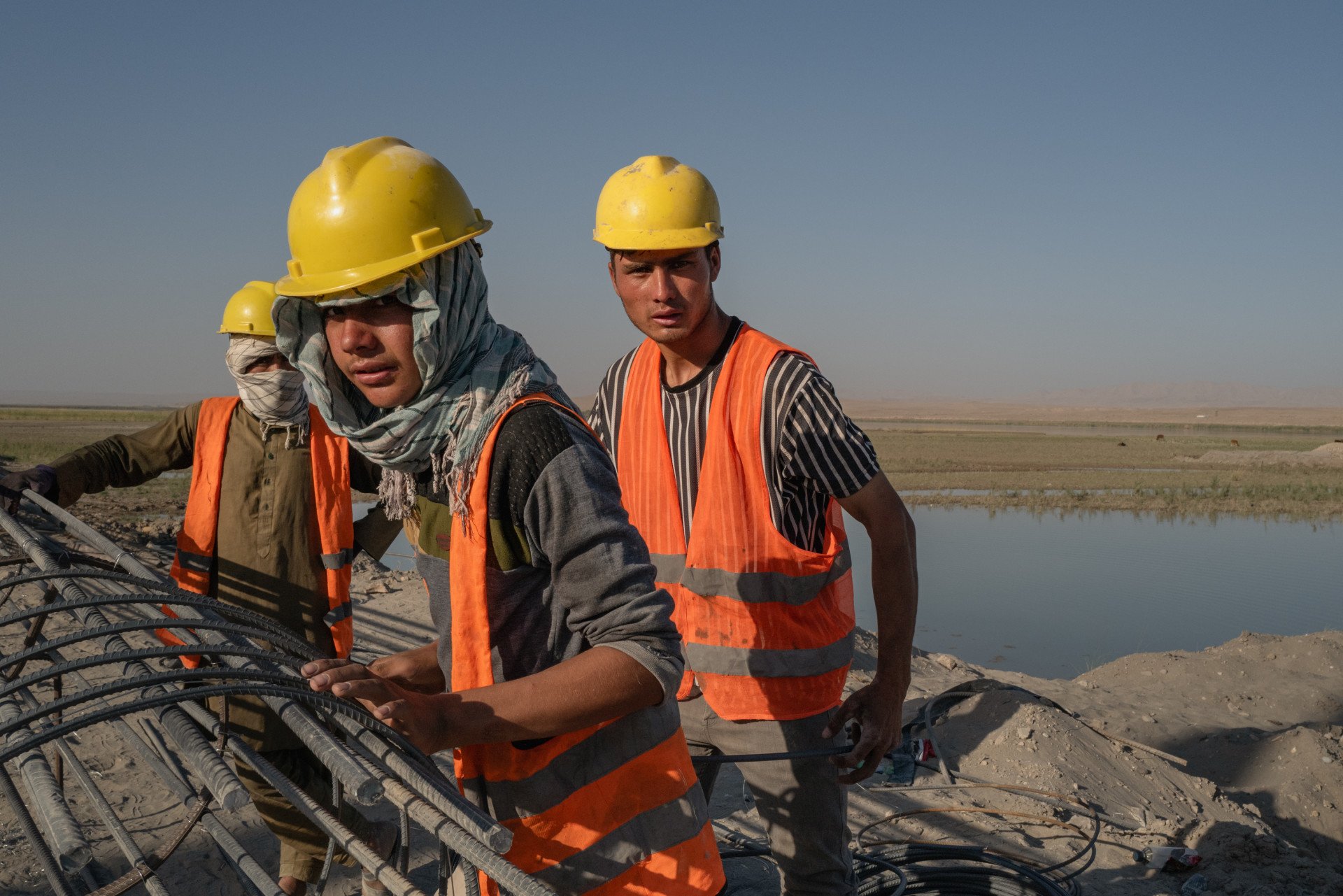
While migrants across Russia are freely branded нерусский—non-Russian, unworthy of full belonging—Putin is cutting labor deals with Azerbaijan and other non-Slavic nations to rescue his collapsing workforce.
 Prefer U24 Media on Google
- Authors

-46f6afa2f66d31ff3df8ea1a8f5524ec.jpg "Photo of Jess Daly")
Russian forces continue to bleed on the battlefield, with more than 30,000 Russian soldiers killed in January by Ukrainian drones alone, pushing total losses past 1.24 million soldiers, not including the extensive list of destroyed equipment.
«My tongue will tell the anger of my heart»
— Defense of Ukraine (@DefenceU) February 6, 2026
William Shakespeare
The combat losses of the enemy from February 24, 2022 to February 6, 2026. pic.twitter.com/RUtCn4DVMk
In response, the Kremlin’s November 2025 decree effectively forces foreign men to sign military contracts to gain citizenship, attempting to patch the widening hole in its ranks.
Demographic degradation
Russia’s war in Ukraine is causing an “accelerated extinction of the male population” aged 25–30, predicting that by 2040, Russia could become a society dominated by elderly women, Ukraine’s Foreign Intelligence Service (SZRU) reported on February 4, 2026. “The war not only has direct military and economic consequences, but is also a powerful catalyst for long-term demographic degradation,” SZRU added.
Faced with this demographic collapse, Russia’s leader, Vladimir Putin, urges Russians to follow what he described as “Caucasus traditions” of early marriage, in an effort to boost the country’s collapsing birth rate.
At the same time, labor shortages are deepening, and the economy is short of 2.6 million workers, a deficit that Russia’s labor minister, Anton Kotyakov, estimated could surpass 11 million by 2030, Business Insider reported.
Russia - a group of masked youths surrounded a migrant, asked his opinion about skinheads, and then attacked him with pepper spray before fleeing.
— WarTranslated (@wartranslated) May 15, 2024
Completely normal situation in that country. pic.twitter.com/dGDSrV9LPY
And yet, even as these movements push “White Christian values,” the Kremlin’s economy continues to depend on foreign labor, a stark contradiction in a country obsessed with so-called “traditional values”.
Russia’s migrant paradox
Russia’s latest migration policy comes with a moral litmus test: embrace the Kremlin’s “traditional values,” and you’re welcome; fail, and you’re out. Signed by Putin in October 2025, the law tightens controls on migrant workers, leaning hard into the country’s rising anti‑migrant sentiment.
“Russian authorities have “intensified their harmful ‘traditional values’ crusade that targets migrants,” Human Rights Watch (HRW) reported. However, as the Kremlin itself admits, “migrants are a necessity…we certainly need workers,” Dmitry Peskov, Russian presidential press secretary, told Russian state media.
Under new surveillance rules, migrants are added to a “register of controlled persons” and tracked in real time via a government-run app. Migrant children are barred from school unless they speak Russian—in 2025, 87% children were denied enrollment, HRW reports.
Employment is now strictly job-specific; many are banned from transport and delivery work, while the State Duma has passed nearly 30 laws restricting migrant rights since 2024.
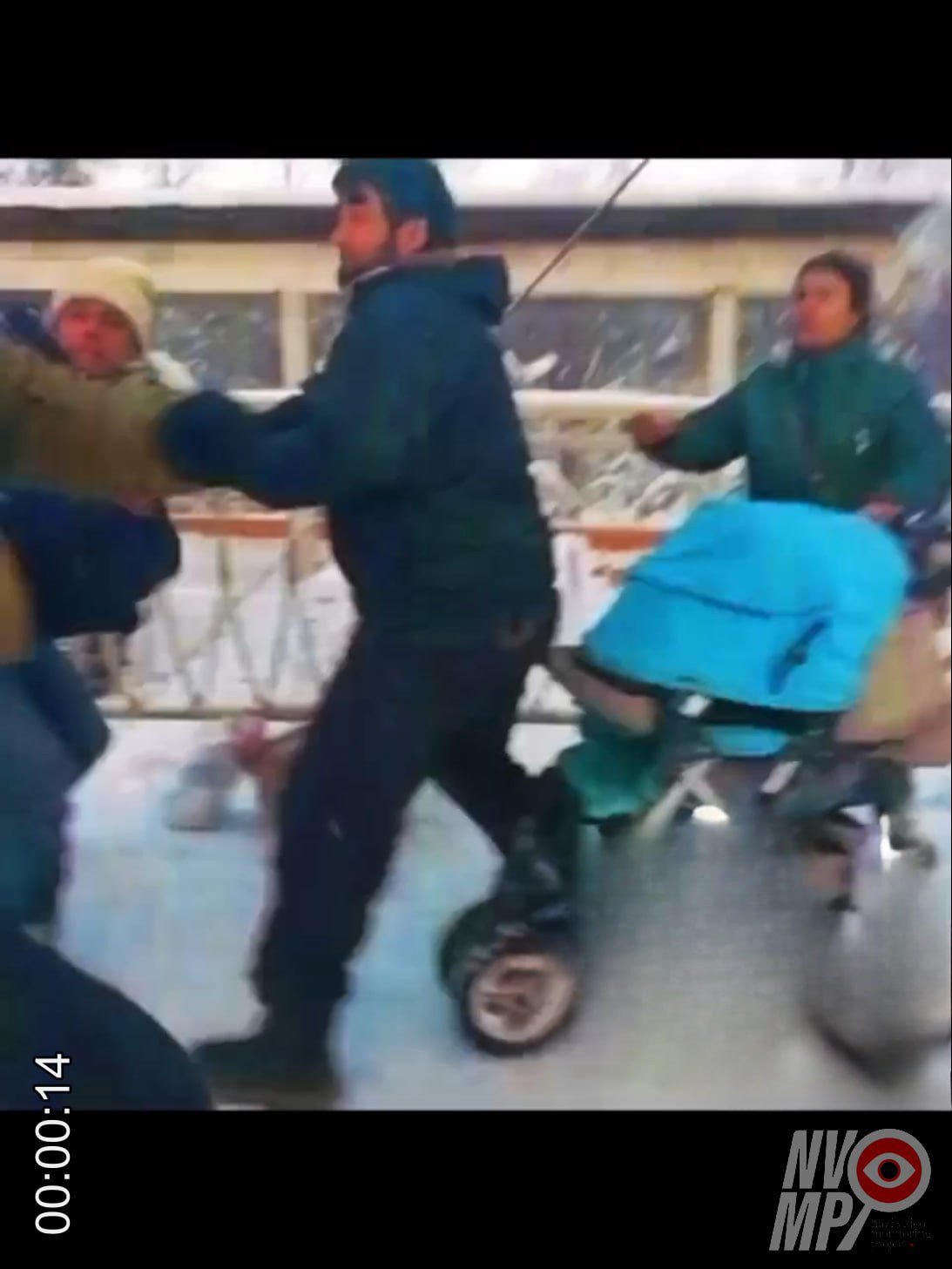
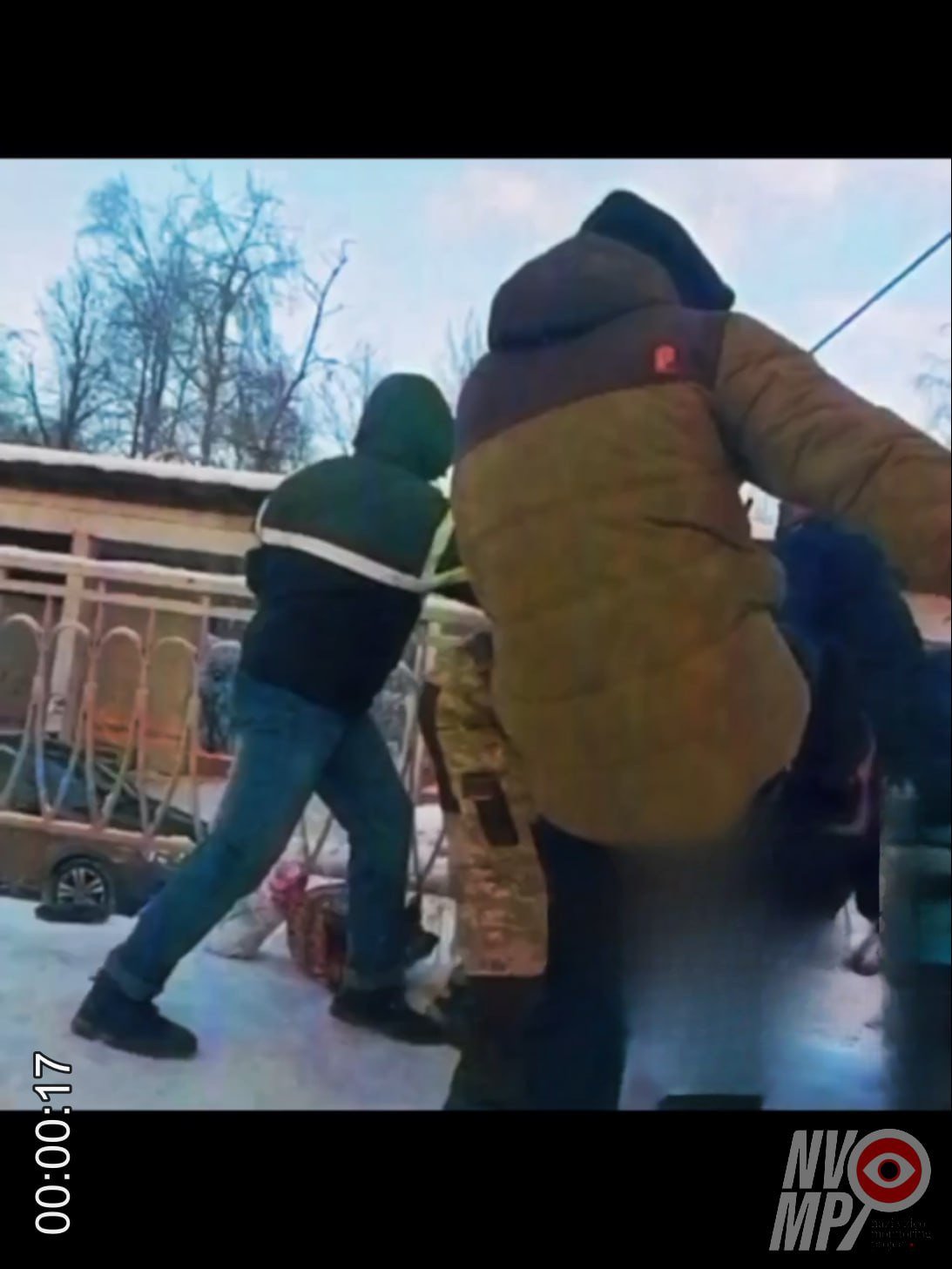
The Kremlin feeds nationalist sentiment, stoking neo‑Nazi groups to defend so-called “Russian identity” while continuing to import the workers it desperately needs.
Migrant workers in Russia
Afghanistan
Russia is actively negotiating to recruit workers from Afghanistan, with Kabul promising young, “qualified and professional” labor. The discussions go hand in hand with plans to expand air links between the two countries: Kam Air is preparing to launch direct Kabul–Moscow flights, expected to take off “in the near future,” according to officials.
These talks follow Russia’s decision last year to remove the Taliban-led government from its list of terrorist organizations and become the first country to officially recognize the Islamic Emirate—a move that now paves the way for labor cooperation alongside political normalization.
Russian bloggers in an uproar after a secret Kremlin plan is exposed that is not only flooding in migrants from impoverished nations, but allocating 9.3 billion rubles to convince Russians of a new perception of collective identity that is not Russian but a new multi-cultural… pic.twitter.com/4invXtE9SG
— Jay in Kyiv (@JayinKyiv) February 4, 2026
India
At least 40,000 Indian workers are expected to arrive in Russia throughout 2026, Russia’s special representative for sustainable development, Boris Titov, confirmed. Indian Ambassador in Moscow Vinay Kumar noted that between 70,000 and 80,000 Indian citizens were already working in Russia by the end of 2025.
The numbers reflect a sharp increase in work permits: about 8,000 were issued in 2022, rising to over 70,000 by 2025. In December, both governments signed an intergovernmental labor mobility agreement to streamline the arrival of tens of thousands more Indian workers.
😠 Russia is moving foreigners into Ukrainians’ homes in occupied territories.
— UNITED24 Media (@United24media) January 27, 2026
Partisan group ATESH reports a wave of migrants from Cuba and India being settled in seized houses in cities like Melitopol and Yevpatoria.
🔗 https://t.co/2j6kLI7ptQ pic.twitter.com/XEKJWvj40D
Asia
Russian companies are also preparing to recruit South Asian workers from Nepal, Vietnam, and Bangladesh, adding to the already massive Central Asian labor presence. 10.5 million Central Asian workers were in Russia out of an estimated 14 million foreign workers, the Atlantic Council reported in July 2025.
The largest labor contingents continue to come from Tajikistan, Uzbekistan, Kyrgyzstan, Kazakhstan, and Turkmenistan, forming the backbone of Russia’s foreign workforce, while at the same time, they are the most affected by Russia’s aggressive migrant policies.
North Korea
North Korean laborers are already deployed in Russia, constructing houses, schools, and shopping centers in temporarily Russian-occupied regions of Ukraine. In Tatarstan’s special economic zone of Alabuga, more than 12,000 North Korean workers are expected to staff drone production facilities, assembling Shahed- and Geran-type long-range attack drones used in strikes against Ukrainian cities and infrastructure.
⚡️ BREAKING: Ukrainian children abducted by Russia were secretly sent to North Korea.
— UNITED24 Media (@United24media) December 3, 2025
🔗 https://t.co/SAL8ejDmSI pic.twitter.com/J7JzLSFn9m
Africa
African workers are also being recruited for the Yelabuga drone factory in Alabuga, with an estimated 200 African women employed alongside Russian vocational students. Reports of their deployment have prompted formal inquiries: the Human Rights Consultative Committee (HRCC) has called on the Malawian government to investigate and work with the UN and Interpol, after confirming at least two women were at the Alabuga site.
This controversial recruitment highlights Russia’s global search for labor to sustain critical industrial and military projects.
Richard Kanu from Sierra Leone paid heavily for a Russian visa, only to end up near death in the war, lured into Russia’s large-scale recruitment program targeting Africa and Asia. pic.twitter.com/tnRbiWE91g
— UNITED24 Media (@United24media) December 15, 2024
While the Kremlin stokes anti-migrant sentiment and nationalist fervour, Russia desperately counts on foreign workers to fill the gaps. Hatred at home, dependence abroad—the contradiction drives the country’s labor crisis.
Discuss this article:


-c439b7bd9030ecf9d5a4287dc361ba31.jpg "Photo of Katherina Popilnichenko")