- Category
- World
New Russian Decree Eases Citizenship Path for Transnistria Residents
 Prefer U24 Media on Google
- Authors

-c439b7bd9030ecf9d5a4287dc361ba31.jpg "Photo of Katherina Popilnichenko")
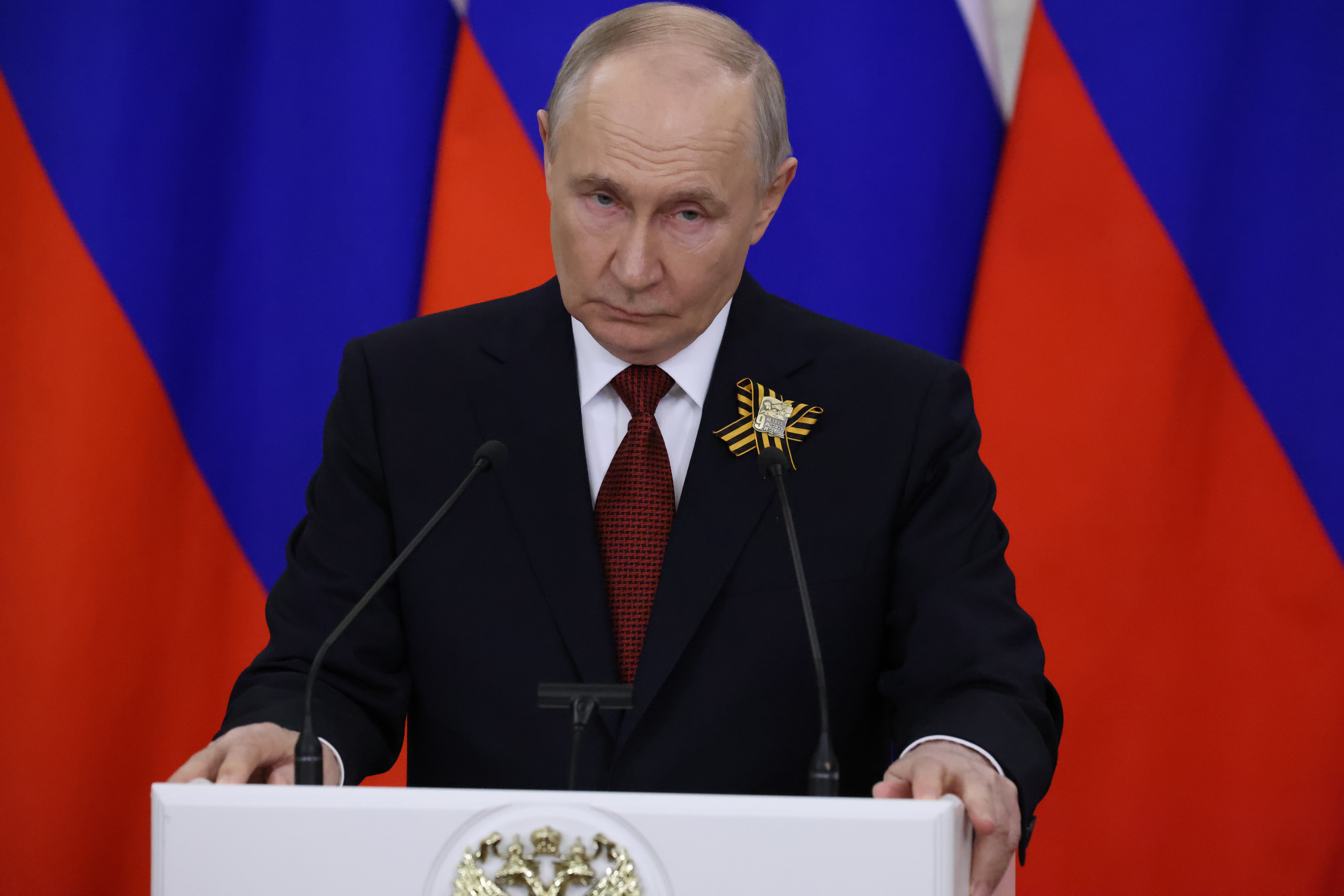
Russian leader Vladimir Putin has signed a decree that simplifies the process for residents of the unrecognized region of Transnistria to obtain Russian citizenship.
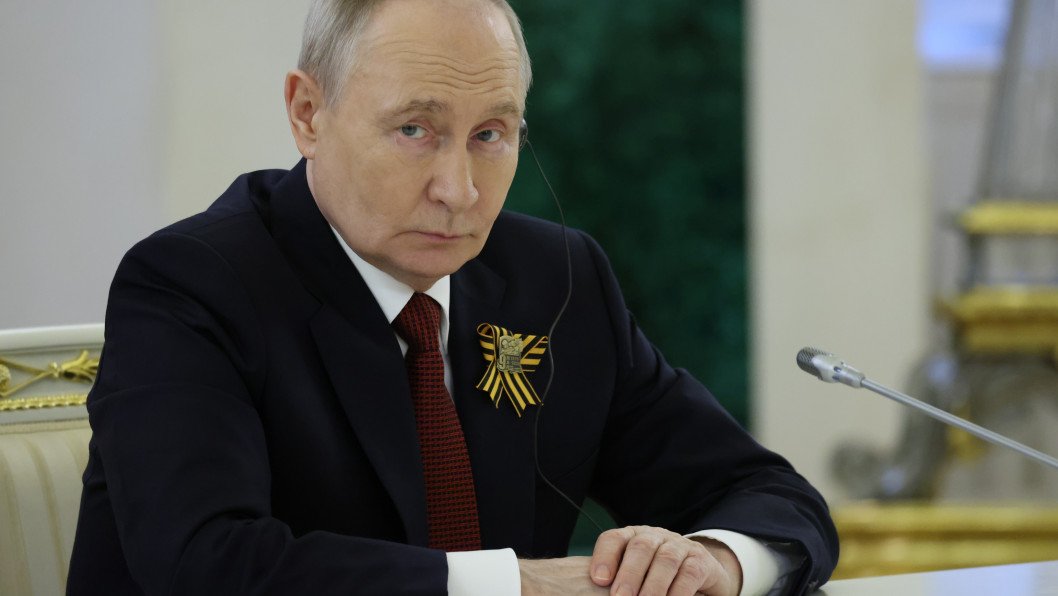
The official document was released on the state’s legal information portal on May 15. According to the order, foreign citizens or individuals without citizenship who are at least 18 years old and were living permanently in Transnistria on the day the decree took effect are now eligible for the expedited procedure.
We bring you stories from the ground. Your support keeps our team in the field.
The decree states that this measure was implemented “in order to protect human and citizen rights and freedoms, guided by generally recognized principles and norms of international law.”
This change allows residents of the region to apply for a Russian passport without meeting several standard requirements usually found in the federal law on citizenship.
Under the new rules, applicants from Transnistria do not need to follow the first three points of article 15 of the Russian citizenship law. These standard rules normally require a person to live in Russia for five years after receiving a residence permit, demonstrate proficiency in the Russian language, and pass exams on Russian history and the country’s legal foundations.
Those living in Transnistria will be able to submit their citizenship applications through Russian diplomatic missions and consular offices. The simplified process removes the long-term residency and educational hurdles that previously applied to those seeking a Russian passport from the region.
Transnistria, officially known as the Pridnestrovian Moldavian Republic (PMR) and locally as Pridnestrovie, is a landlocked breakaway state internationally recognised as part of Moldova. It controls most of the narrow strip of land between the Dnister River and the Moldova–Ukraine border, as well as some land on the other side of the river's bank. Its capital and largest city is Tiraspol. Transnistria is officially designated by the Republic of Moldova as the Administrative–Territorial Units of the Left Bank of the Dnister.
Transnistria declared independence in 1990 following the collapse of the Soviet Union and rising political tensions over Moldova’s future orientation. In 1992, armed clashes between Moldovan forces and ended with a ceasefire agreement involving the Russian Federation. Since then, Russian troops have remained stationed in the region under a so-called peacekeeping mandate.
Approximately 1,500 Russian military personnel are currently deployed in Transnistria, which also contains large Soviet-era ammunition depots near Cobasna. The region remains heavily dependent on Moscow for financial, political, and energy support.
Moldovan authorities in Chișinău and Western partners continue to support a peaceful settlement based on Moldova’s sovereignty and territorial integrity. In recent years, Russia has also expanded access to Russian citizenship for residents of separatist-controlled territories, a policy viewed by analysts as increasing Moscow’s influence in strategically sensitive regions bordering Ukraine.
This move by the Kremlin is not a new tool in its geopolitical arsenal, but rather a continuation of the so-called 'passportization' policy that Russia has used for years to destabilize the post-Soviet space.
Moscow has already implemented similar scenarios in the summer of 2008 in the Abkhazian and South Ossetian regions of Georgia on the eve of its military invasion, as well as in the Ukrainian Donbas and Crimea before the start of its full-scale aggression.
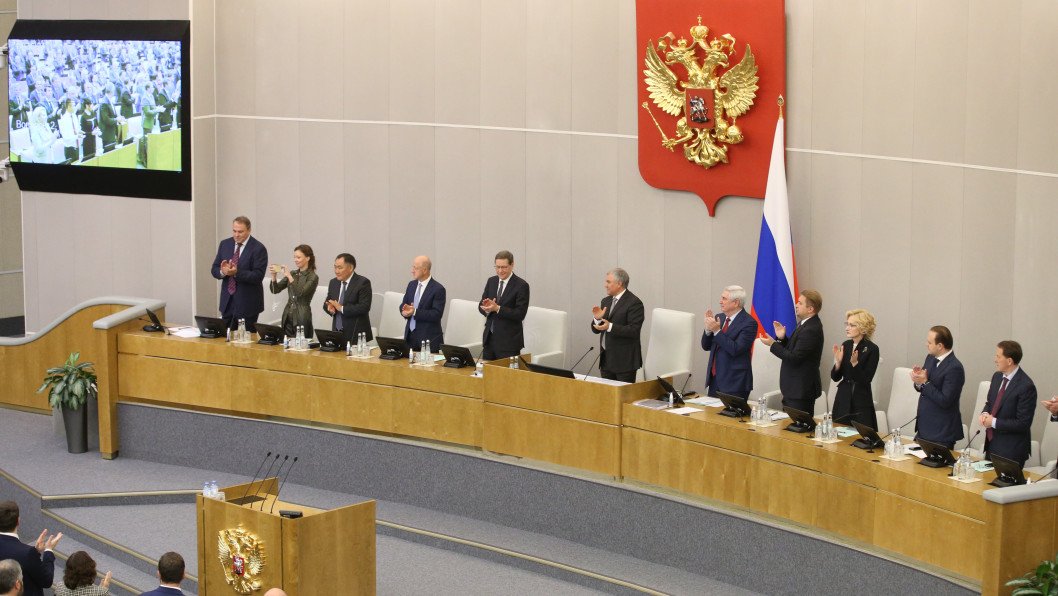
On May 13, the Russian State Duma unanimously approved legislation significantly expanding Vladimir Putin’s authority to deploy Russian armed forces abroad. The law amended existing regulations on citizenship and defense, allowing the Kremlin to use military force to “protect” Russian citizens facing arrest, detention, or prosecution in foreign states and international courts not recognized by Moscow.
The measure was adopted amid growing warnings from NATO intelligence agencies regarding Russia’s increasing military preparations and escalating hybrid operations across Europe, including sabotage, assassination plots, and provocations targeting European infrastructure and security.
Discuss this article:
-9bd5e1532102621f8fb1c4ba871a3171.png)



-111f0e5095e02c02446ffed57bfb0ab1.jpeg "Photo of Roman Kohanets")