- Category
- Latest news
Russian Parliament Speaker Labels Anti-War Emigrants “Pseudo-Citizens”, Threatens Charges
 Prefer U24 Media on Google
- Authors

-111f0e5095e02c02446ffed57bfb0ab1.jpeg "Photo of Roman Kohanets")
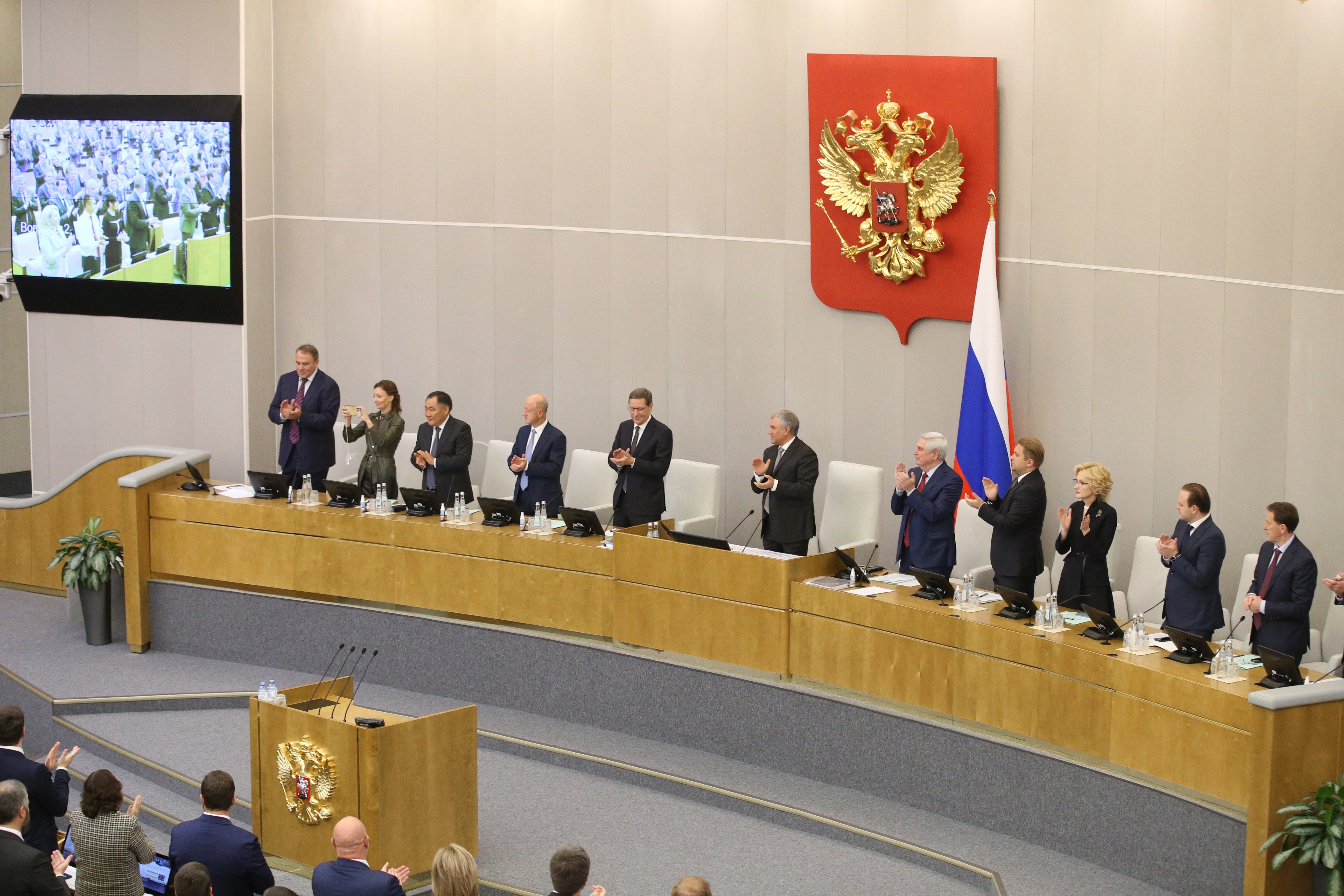
Russian State Duma Speaker Vyacheslav Volodin threatened criminal proceedings against Russian anti-war emigrants who return home, calling them “pseudo-citizens,” The Moscow Times reported on May 14.
Volodin told reporters that Russians who left the country and publicly opposed the war could face criminal cases if they returned.
He singled out those he accused of insulting Russian troops, harming the state, helping “unfriendly countries,” or financing Ukraine’s armed forces
We bring you stories from the ground. Your support keeps our team in the field.
He called such returnees “pseudo-citizens” and said law enforcement agencies would “unequivocally react” to their arrival. Volodin added that the warning did not apply to Russians who left without publicly opposing the war, though he acknowledged that some “complications” could still arise.
Volodin stated that those who "left, insulted our defenders, harmed the state, helped unfriendly countries, financed the armed forces of Ukraine" would face "judicial proceedings."
He added that law enforcement bodies "will unequivocally react to the arrival of such pseudo-citizens."
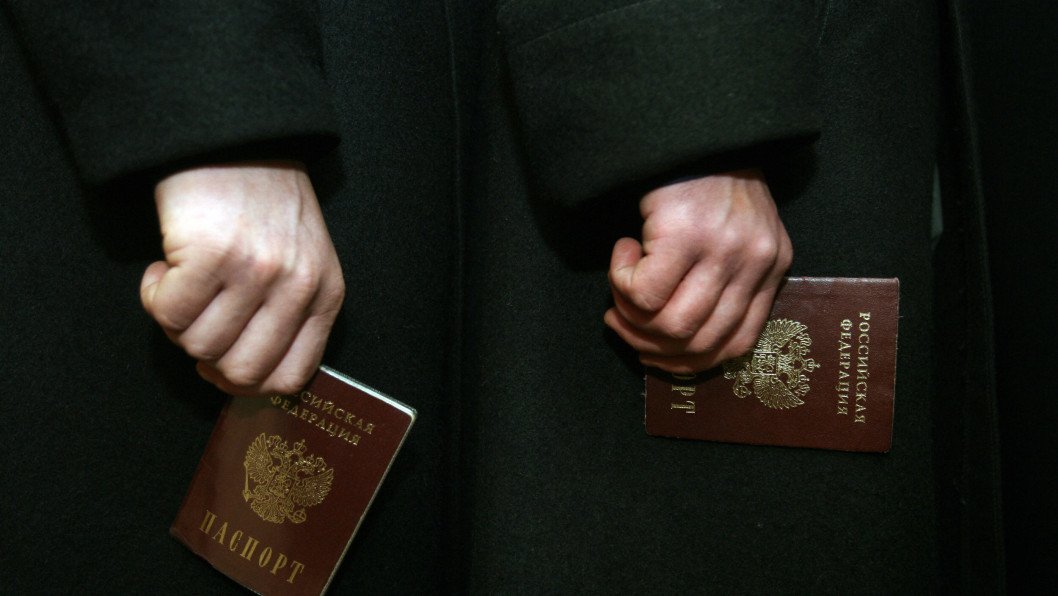
Volodin's warning landed the same day the State Duma approved legislation expanding Putin's authority to deploy Russian armed forces abroad, including in cases involving Russians detained or prosecuted overseas.
The bill amends federal laws on citizenship and defense, permitting military action to "protect" Russian nationals from foreign courts or tribunals Moscow does not recognize.
Deputies passed the measure in its second and third readings with 384 votes in favor and none opposed.
Its explanatory note framed the change as protection against actions by "unfriendly foreign states."
Discuss this article:
-4a56a6b482ec132402c16ef6fcabf9a2.png)