- Category
- World
Russian Firms Bypass Sanctions to Import German Marine Engines for FSB Boats
 Prefer U24 Media on Google
- Authors


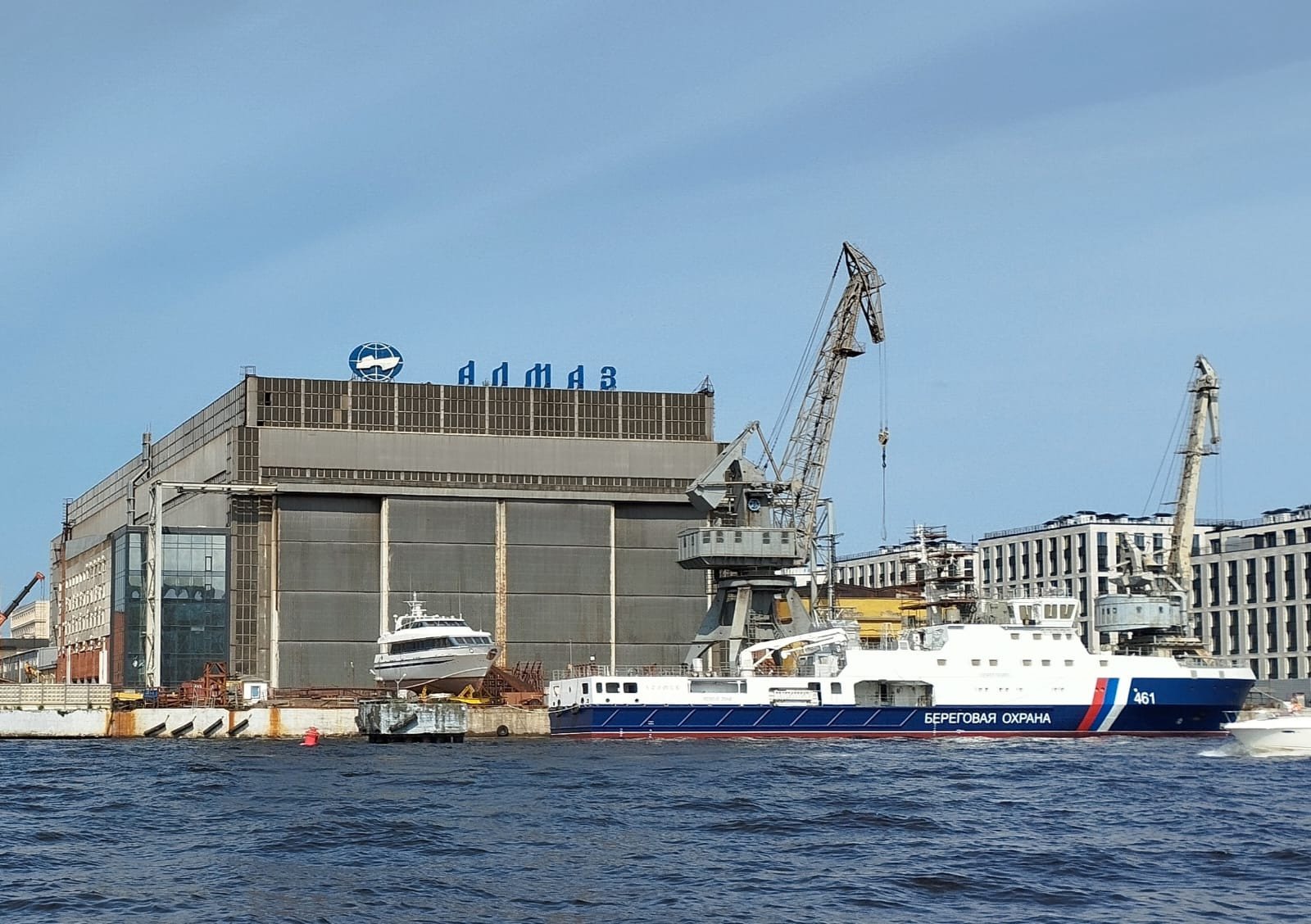
Russian companies are continuing to acquire German-made marine equipment through intermediary networks despite Western sanctions, according to an investigation by the Dossier Center on May 4.
The report says engines produced by Germany’s MAN were delivered to the St. Petersburg-based Almaz shipyard, which builds patrol boats for Russia’s FSB border service, via a chain of intermediaries in Türkiye and Hong Kong.
We bring you stories from the ground. Your support keeps our team in the field.
Under the scheme described by investigators, Turkish shipbuilder Vicem Yachts first purchased MAN engines from the company’s local subsidiary, providing written assurances that the equipment would remain in Türkiye and not be re-exported to Russia. The engines were then transferred to Hong Kong-based firms Hongkong Pokwing and Scorpion’s Holding Group, before ultimately being shipped on to St. Petersburg despite documentation suggesting they would not leave Türkiye.
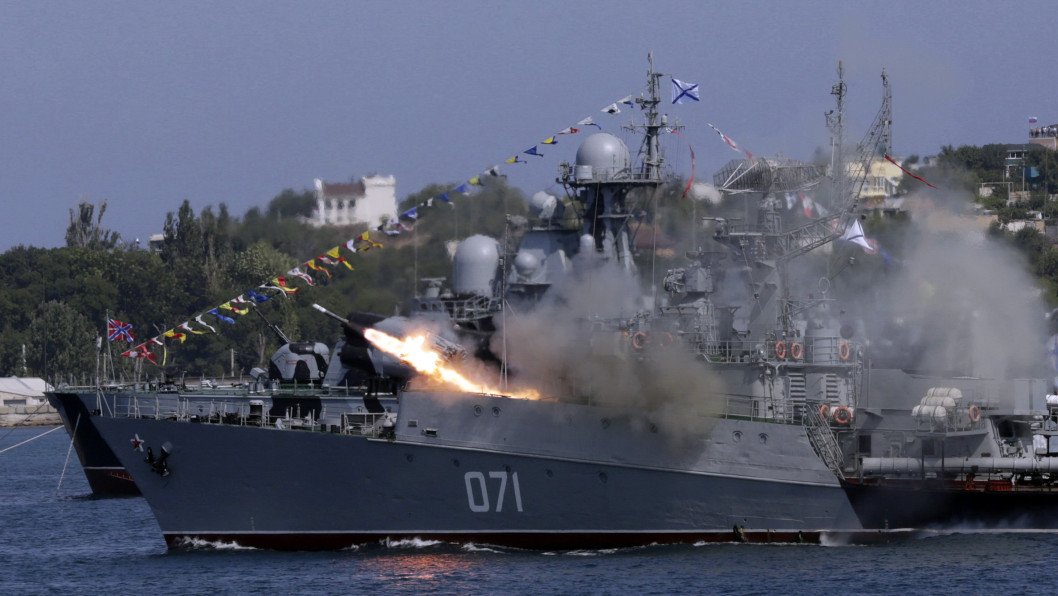
Sources familiar with the logistics said at least six MAN engines were delivered to Russia through this route for Project 12200 “Sobol” patrol boats, investigation revealed. The intermediary supplier to Almaz was identified as the St. Petersburg-based company TPO “Kronstadt”, which paid around €760,000 (around $884,000) for the equipment. Hongkong Pokwing is also said to have received about 37 million rubles (about $504,000) from Kronstadt.
Payments were routed through the Turkish firm Malpina Yazilim, founded by Dmitry Khitrov, a Russian-born Lithuanian citizen from Vorkuta. Over the past year, the company allegedly received 334 million rubles (nearly $4,6 million) from Kronstadt, including 11.5 million rubles (approximately $157,000) for intermediary services.
One source described the arrangement as involving engines ordered for yachts under construction at Vicem Yachts, which were then redirected to Russia while replacement units—such as Volvo engines—were installed instead.
Industry sources also noted that MAN engines require certified specialists for installation and calibration, as they rely on proprietary software: “without this, the engine is just a piece of metal,” according to the Dossier Center.
Following inquiries from journalists, MAN said it had launched an internal investigation. A company representative reportedly visited Vicem’s office in Istanbul, where he was told the engines were no longer in Türkiye because they had been resold.
Investigators also found similar patterns involving other Western manufacturers. In 2025, for example, Caterpillar engines worth around 51 million rubles (almost $700,000) were supplied to the Russian mining company Berezkagaz via the Chinese intermediary Tianjin DSWT Aviation Leasing Corporation.
According to sources, intermediaries in such transactions typically earn between 5% and 10% of turnover.
Investigation found that a central role in these procurement chains is played by Kronstadt, which cooperates with more than 70 foreign suppliers. Financial records show that billions of rubles flowed through the company in 2024–2025. Major foreign partners reportedly include Türkiye’s Marind Endustriyel Denizcilik, Uzbekistan’s Ansor Union Global, China’s Tianjin DSWT Aviation Leasing Corporation, and Hong Kong’s Unoventure Limited.
Kronstadt is owned by Russian businessmen Sergei Sukhachev, Andrei Spirin, and Andrei Nikitin. According to the investigation, Spirin—who also holds Cypriot citizenship—controls affiliated companies in Cyprus and a German subsidiary, Nikitin oversees Chinese operations, while Sukhachev manages domestic suppliers.
Previously, an investigation by the Russian outlet Important Stories, found that dozens of individuals from Russia’s political, military, and business elite have been granted Serbian citizenship since the start of the full-scale invasion of Ukraine.
According to the report, between early 2022 and March 2025, Serbia awarded citizenship to 204 Russian nationals under an expedited procedure reserved for cases of “special merit” to the country. This figure accounts for nearly two-thirds of all citizenships granted through this exceptional pathway over the past three years.
Discuss this article:
-457ad7ae19a951ebdca94e9b6bf6309d.png)


-c439b7bd9030ecf9d5a4287dc361ba31.jpg "Photo of Katherina Popilnichenko")


-72b63a4e0c8c475ad81fe3eed3f63729.jpeg "Photo of Cyril Barabaltchouk")