- Category
- Latest news
Germany’s Prosthetics Exports to Russia Soar as Amputations Surge From War in Ukraine
 Prefer U24 Media on Google
- Authors


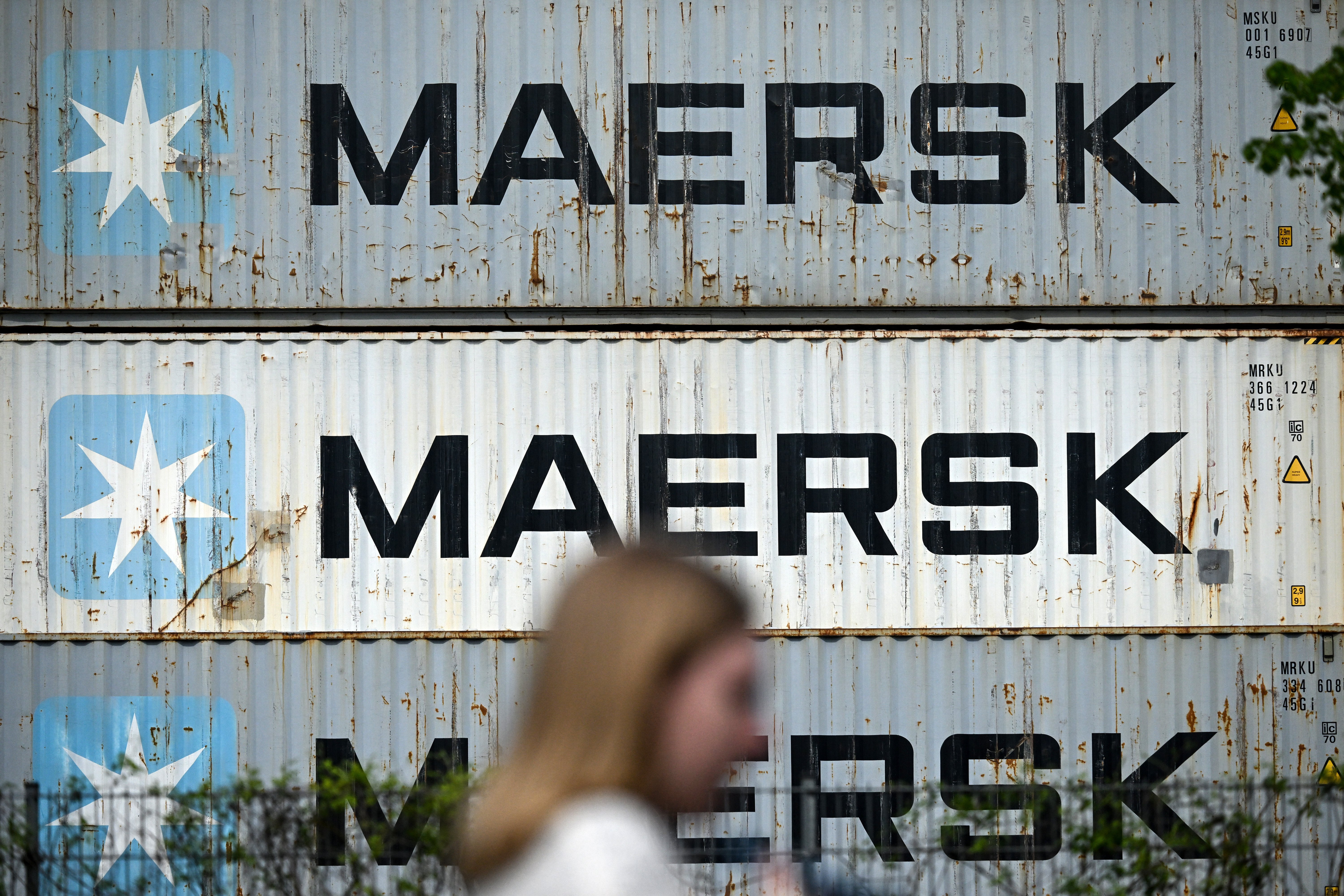
Germany continues to supply prosthetics to Russia through several German manufacturers, and these volumes have increased sharply in both value and tonnage, according to data obtained by Detsche Welle from the Federal Statistical Office of Germany (Destatis) on November 29.
In 2024, exports classified as “prostheses and other prosthetic products” totaled $52.6 million—nearly double the roughly $27.5 million exported in 2023 and 2022. Physical shipments also rose dramatically, from about 50 tons in both previous years to more than 100 tons in 2024. Before Russia’s full-scale invasion of Ukraine, annual German exports of prosthetics ranged from $16.5–22 million, with 60–75 tons delivered each year.
We bring you stories from the ground. Your support keeps our team in the field.
The upward trend has continued into 2025. In the first nine months alone, Germany exported $56.7 million worth of prosthetics and related products to Russia—already exceeding the entire volume of 2024. Exports of “artificial joints” have also grown, while shipments of dental prosthetics have dropped to less than half of pre-war levels.
According to Ottobock company data, Russian sales accounted for 8.8 percent of global revenue in the first half of 2025 and 6.8 percent in 2024.
According to Deutsche Welle, in an interview with Hannoversche Allgemeine Zeitung, Ottobock CEO Oliver Jakobi emphasized that the company does not take part in Russian Defense Ministry tenders and does not supply military hospitals: “We are not the ones making Russian soldiers fit for war—our products certainly do not contribute to maintaining the combat readiness of the Russian army.”
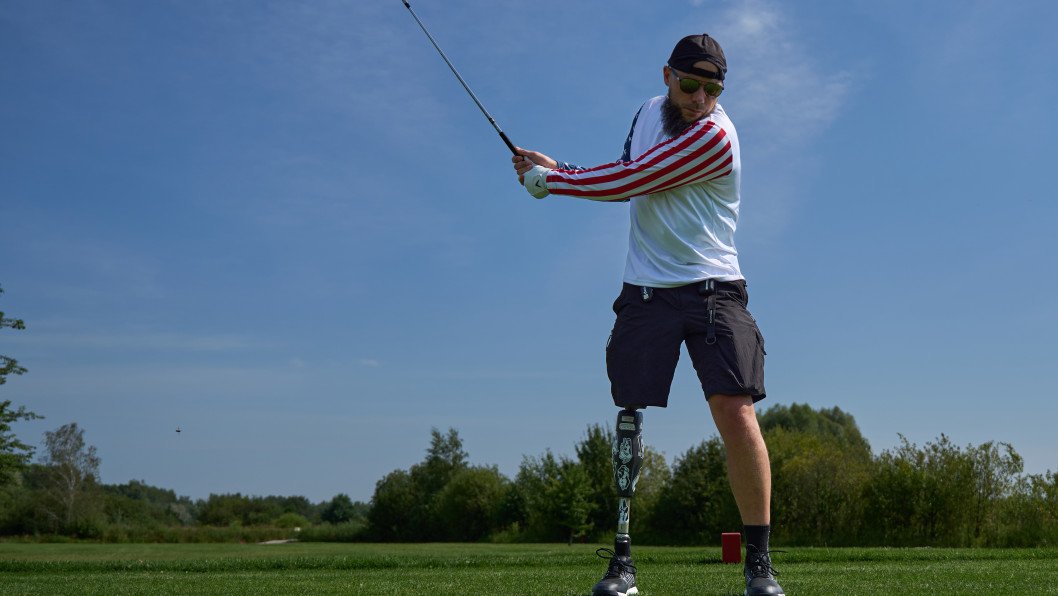
Ottobock’s head of corporate communications, Merle Florstedt, also told DW that the company has reduced its presence in Russia from seven locations to four since the war began (while opening its first facility in Ukraine). She stressed that all remaining operations in Russia serve only “civilian populations.”
As reported by Deutsche Welle, citing International Institute for Strategic Studies, by the end of 2024, 611,000 Russian servicemembers had been wounded, and 376,000 had become disabled. Russia’s Deputy Minister of Labor, Oleksiy Vovchenko, acknowledged that over half of disability cases involve amputations—80 percent of which are legs and 20 percent arms. This means that even a year ago, the number of soldiers who had lost limbs could have exceeded 180,000.
Russian authorities are dramatically increasing spending on prosthetics. The 2026 federal budget allocates more than 98 billion rubles for “rehabilitation technical equipment.” For comparison: in 2020–2021, only $367 million a year were allocated; in 2022—$411 million; in 2023—$466 million; and in 2024 — nearly $621 million. Deputy Defense Minister Anna Tsivilyova has called this “huge investment,” claiming that Russia is “ahead of many countries” and “probably a leader” in prosthetics development.
-849ca543c9c9227ca803311a6b9b7886.jpg)
Russian manufacturers are also expanding production. According to Steplife, one of the largest prosthetics producers in the country, Russian companies’ prosthetics sales grew by an average of 49 percent annually between 2022 and 2024, Deutsche Welle reported.
Despite rapid growth, Russian production meets only about half of total demand. In the high-tech prosthetics segment, domestic capacity is even lower—a significant share of advanced prosthetic devices continues to be imported.
Earlier, it was reported that Russia’s Ministry of Defense has been issuing military contracts to convicted serial killers and other violent criminals, enabling them to fight in Ukraine in return for shortened prison sentences.
Discuss this article:
-4a56a6b482ec132402c16ef6fcabf9a2.png)




-111f0e5095e02c02446ffed57bfb0ab1.jpeg "Photo of Roman Kohanets")


-72b63a4e0c8c475ad81fe3eed3f63729.jpeg "Photo of Cyril Barabaltchouk")