- Category
- Latest news
Cuba Enters Direct Talks With Trump as US Embargo Pushes Economy to the Brink
 Prefer U24 Media on Google
- Authors

-72b63a4e0c8c475ad81fe3eed3f63729.jpeg "Photo of Cyril Barabaltchouk")
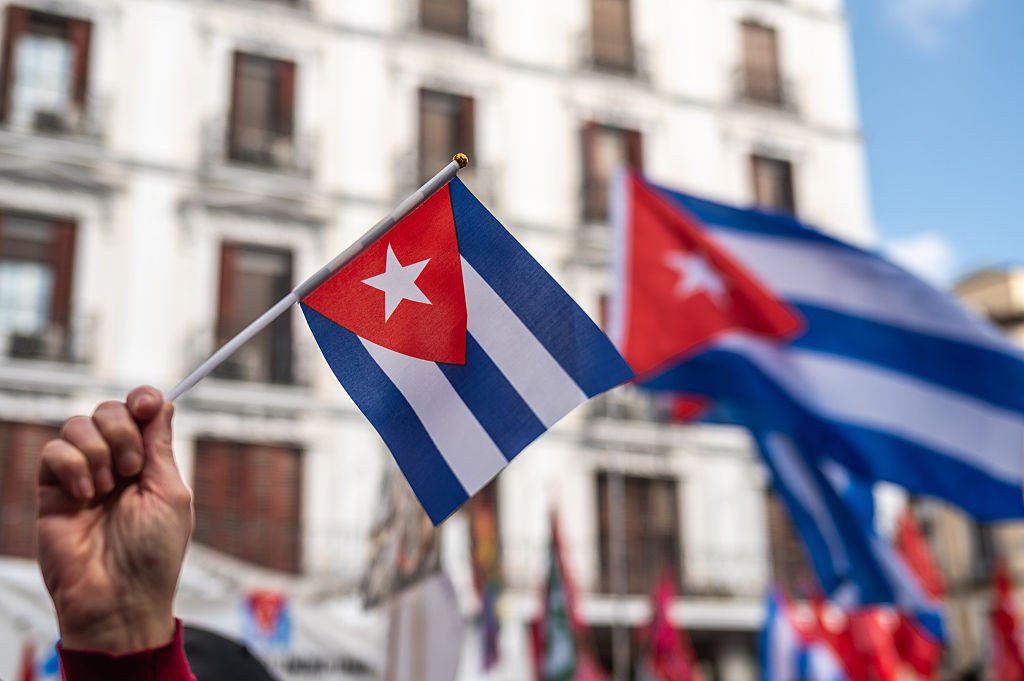
Cuban President Miguel Díaz-Canel confirmed that his government is in direct negotiations with the Trump administration, The Wall Street Journal reported on March 13.
This comes as the island nation faces an unprecedented economic collapse and a suffocating US oil embargo. In a rare televised address from Havana, Díaz-Canel stated that Cuban officials recently met with US representatives to “seek through dialogue a possible solution to the bilateral differences.”
We bring you stories from the ground. Your support keeps our team in the field.
Hours before the broadcast, Havana signaled a potential concession by announcing the release of 51 prisoners, brokered through the Vatican. While the government claimed the unnamed individuals had served large portions of their sentences with good behavior, it did not clarify whether they were political dissidents or common criminals.
The diplomatic channel opens as Cuba’s state-run economy literally runs on fumes. The crisis severely escalated following a January 3 operation by American commandos that captured Venezuelan leader Nicolás Maduro.
For years, Maduro’s regime acted as Havana’s primary benefactor, providing the heavily subsidized oil required to keep the Cuban island afloat. Following his capture, the Trump administration aggressively blocked oil shipments to Cuba and threatened crippling punitive tariffs on any nation—including historically friendly Mexico—that attempted to supply the island, The Wall Street Journal wrote.
With Cuba only capable of producing about 40% of its daily fuel needs, the US cutoff has pushed the country to the brink. Díaz-Canel admitted that Cuba has not received a single foreign oil shipment in three months. The resulting energy deficit has triggered a massive humanitarian crisis: public transport is paralyzed, state workers have been furloughed, gas prices have skyrocketed, and residents are losing their food to spoilage.
In Havana, citizens are enduring 15-hour daily blackouts, sometimes only receiving electricity in brief overnight windows between 1:30 a.m. and 4:00 a.m.
“It has a systemic impact on all daily activities of Cubans,” Díaz-Canel said, noting the breakdown of medical services, education, and municipal water pumps. To compensate, Cuba is leaning heavily on its own domestic crude, which is highly sulfurous and actively damages the country’s aging thermoelectric plants.
While the government is scrambling to add 100 megawatts of solar capacity to the 1,000 megawatts installed since 2025, the reality on the ground is stark: bakeries across the island have resorted to burning wood and coal just to produce bread, The Wall Street Journal reported.
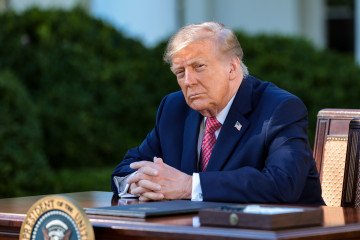
The Trump administration appears to be leveraging this total economic paralysis to force sweeping concessions. Speaking at a news conference in Doral, Florida, earlier in the week, US President Trump floated the idea of a “friendly takeover” of the island.
“It may be a friendly takeover, it may not be a friendly takeover. It wouldn’t matter because they’re really down to, as they say, fumes,” Trump remarked. “They have no energy. They have no money. They’re in deep trouble on a humanitarian basis.” He later joked that the situation is so dire that Secretary of State Marco Rubio could likely take an hour off and finalize a Cuban agreement with ease.
The current Vatican-mediated prisoner release mirrors a larger diplomatic exchange from the final days of the Biden administration in January 2025. During that period, Cuba released 553 prisoners in exchange for being removed from the US state sponsor of terrorism list.
Although President Trump swiftly returned Cuba to the terror list upon taking office, Havana honored the initial agreement and completed the release of all 553 individuals.
The US oil blockade has not only crippled Cuba’s domestic economy but also opened the door for rival global powers to assert their influence in the Caribbean. Russia was previously preparing to ship massive quantities of crude oil and petroleum products to Cuba under the guise of “humanitarian aid,” directly defying President Trump’s threats of punitive tariffs.
Moscow’s intervention comes as Havana’s fuel reserves reach critical exhaustion following the capture of its primary benefactor, Nicolás Maduro, and the subsequent freeze of Mexican exports. While the Kremlin seeks to portray the shipments as a lifeline for the starving island, the move drastically escalates tensions with Washington.
By deploying its shadow fleet to break the American embargo, Russia is attempting to project power near US borders, risking potential maritime interceptions and further destabilizing an already volatile standoff in the Western Hemisphere.
Discuss this article:
-9a7b3a98ed5c506e0b77a6663f5727c5.png)

-c439b7bd9030ecf9d5a4287dc361ba31.jpg "Photo of Katherina Popilnichenko")