- Category
- World
New Russia–Cuba Military Pact: Is Moscow Reviving Its Cold War Strategy Against the US?
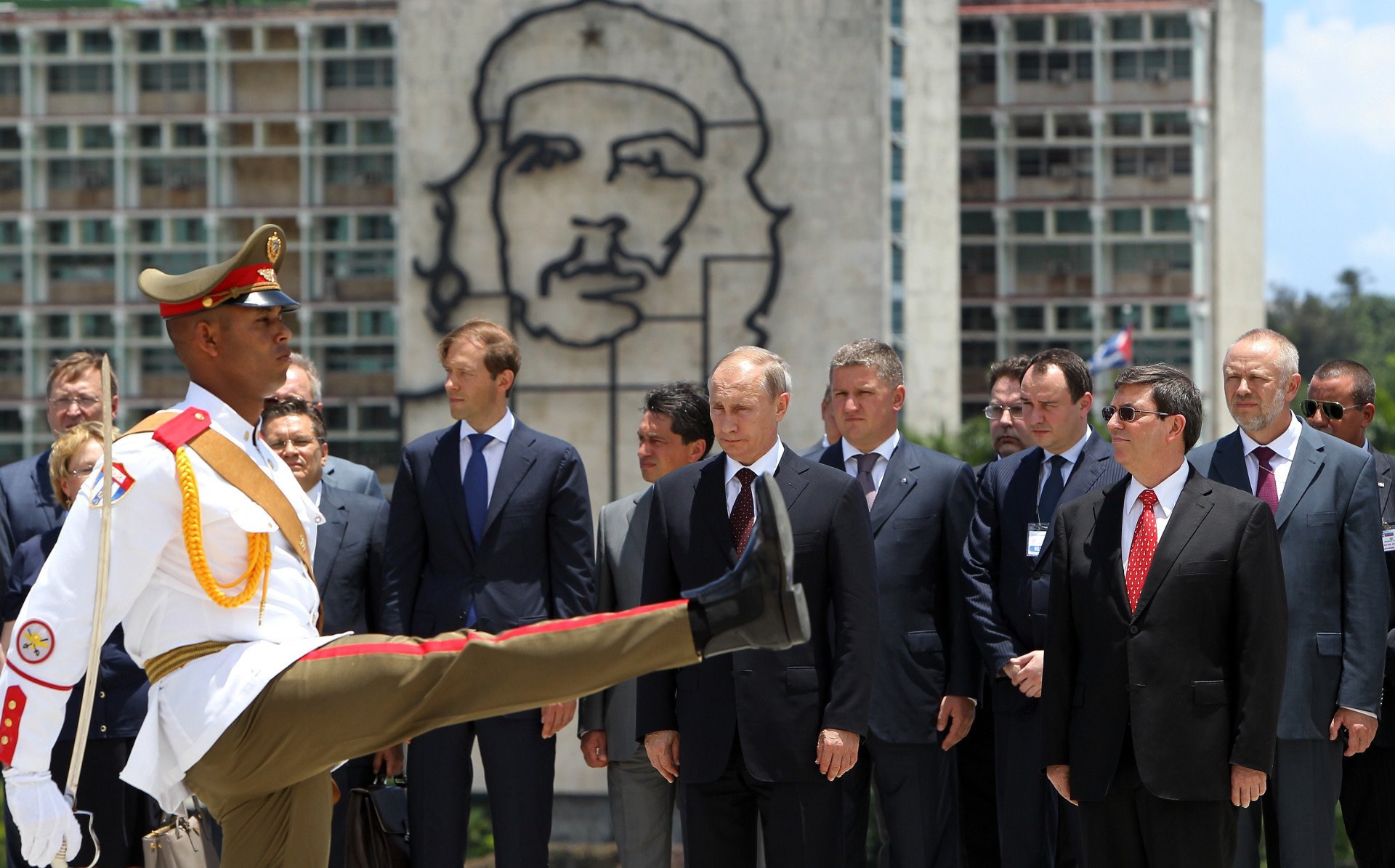
Russia has revived military cooperation with Cuba, a move that echoes its Cold War strategy of projecting power near US borders.
 Prefer U24 Media on Google
- Authors

-24deccd511006ba79cfc4d798c6c2ef5.jpeg "Photo of Louis Beaudemont")
Russia’s upper house of parliament ratified a new military cooperation agreement with Cuba in October 2025. Without concrete details, it mainly serves as a political gesture meant to evoke Soviet-era power and challenge the United States through psychological signaling rather than real deployments.
“The military cooperation agreement between the government of the Russian Federation and the government of the Republic of Cuba, signed in Havana on March 13, 2025, and in Moscow on March 19, 2025, is hereby ratified,” reported Russian state news agency TASS.
The document, described as a strategic framework pact, pledges to “facilitate the development and strengthening of military cooperation between the two countries” and to establish a legal basis for future sector-specific accords. It also includes a clause to “protect the interests of Russian citizens performing activity within the framework of this agreement.”
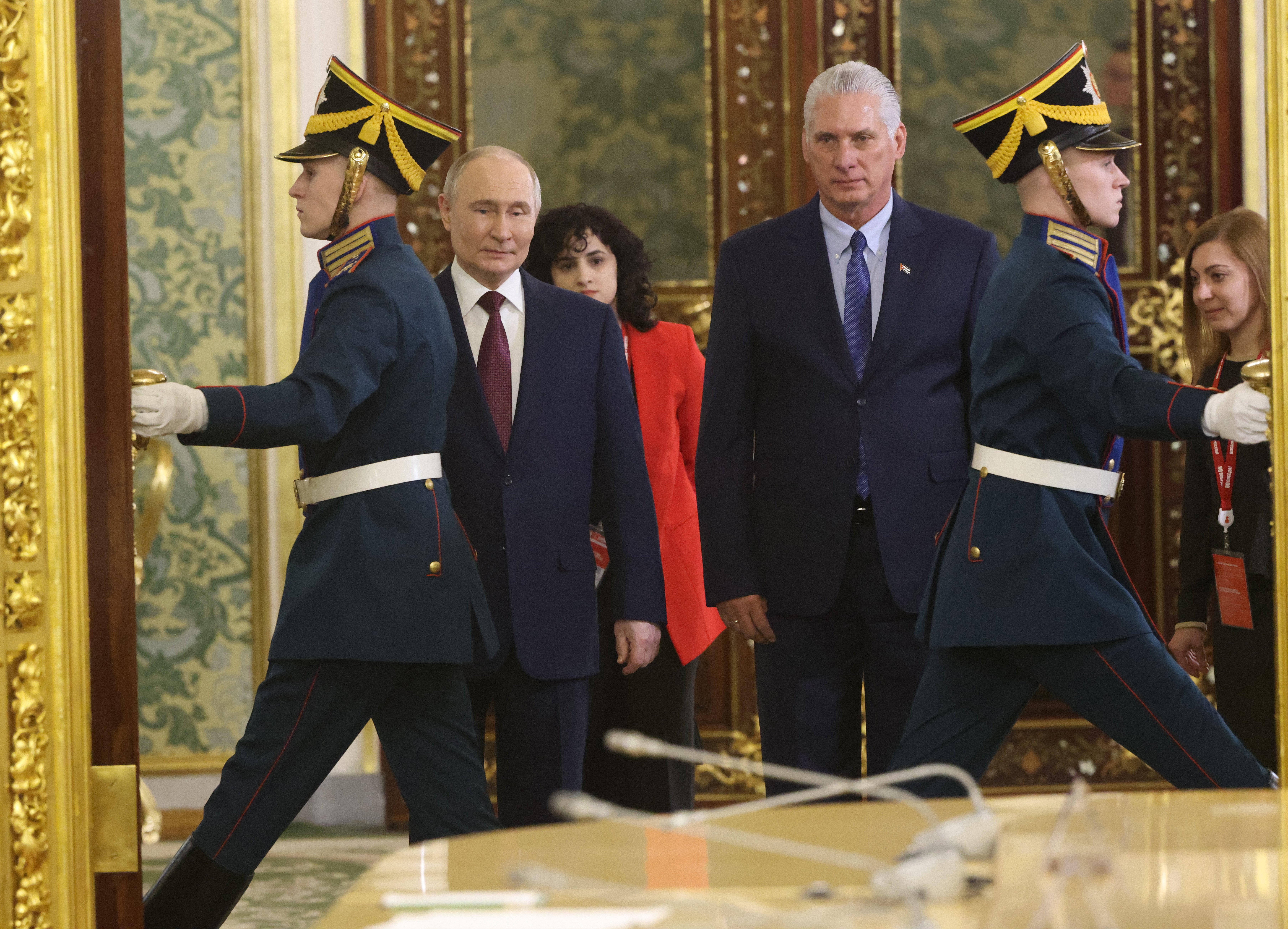
A symbolic revival of Cold War strategy
Although the agreement contains no operational details, pro-Kremlin Russian commentators have speculated about joint military exercises, arms supplies, and even new bases near US shores.
Military commentator and Kremlin propagandist Viktor Baranet, cited by Russian propaganda outlet Voennoedelo, suggested that Moscow could eventually deploy Oreshnik missiles on Cuban soil—systems he claimed could reach the United States and “shield Venezuela,” another Russian ally, facing growing US pressure. Baranets described the pact as a response to Washington’s plans to supply Ukraine with Tomahawk cruise missiles and intelligence on Russian targets.
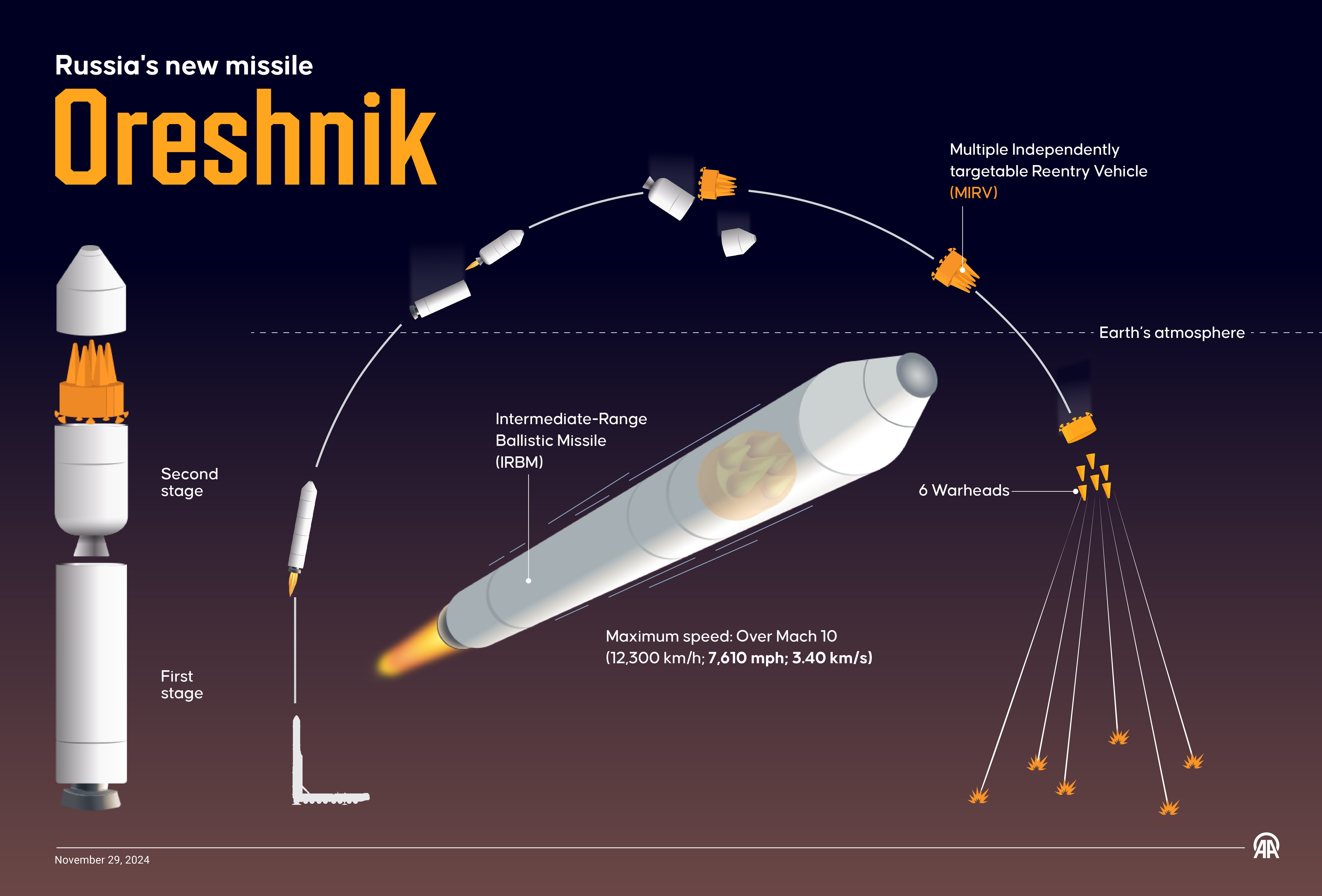
Such claims are primarily rhetorical, yet they illustrate how the Kremlin uses strategic signaling to evoke Cold War imagery and to pressure the United States through psychological escalation rather than, yet, actual deployment.
Lessons from 1962: When the world came close to nuclear war
The Kremlin’s new rhetoric inevitably recalls the 1962 Cuban Missile Crisis—the moment the world came closest to nuclear war. In 1971, American political scientist and former US Defense Department adviser Graham T. Allison published Essence of Decision in 1971, a landmark study that analyzed how leaders on both sides made their choices during the crisis.
“In October 1962, the United States discovered that the Soviet Union was installing medium- and intermediate-range ballistic missiles in Cuba.” he wrote, “For thirteen days, the world teetered on the brink of thermonuclear war.”
This moment marked the peak of the emerging collaboration between Fidel Castro, Cuba’s young revolutionary leader, and Nikita Khrushchev, the Soviet Union’s General Secretary. Since the Cuban Revolution’s victory in 1959, Castro had steadily moved closer to Moscow, seeking support against growing hostility from Washington.
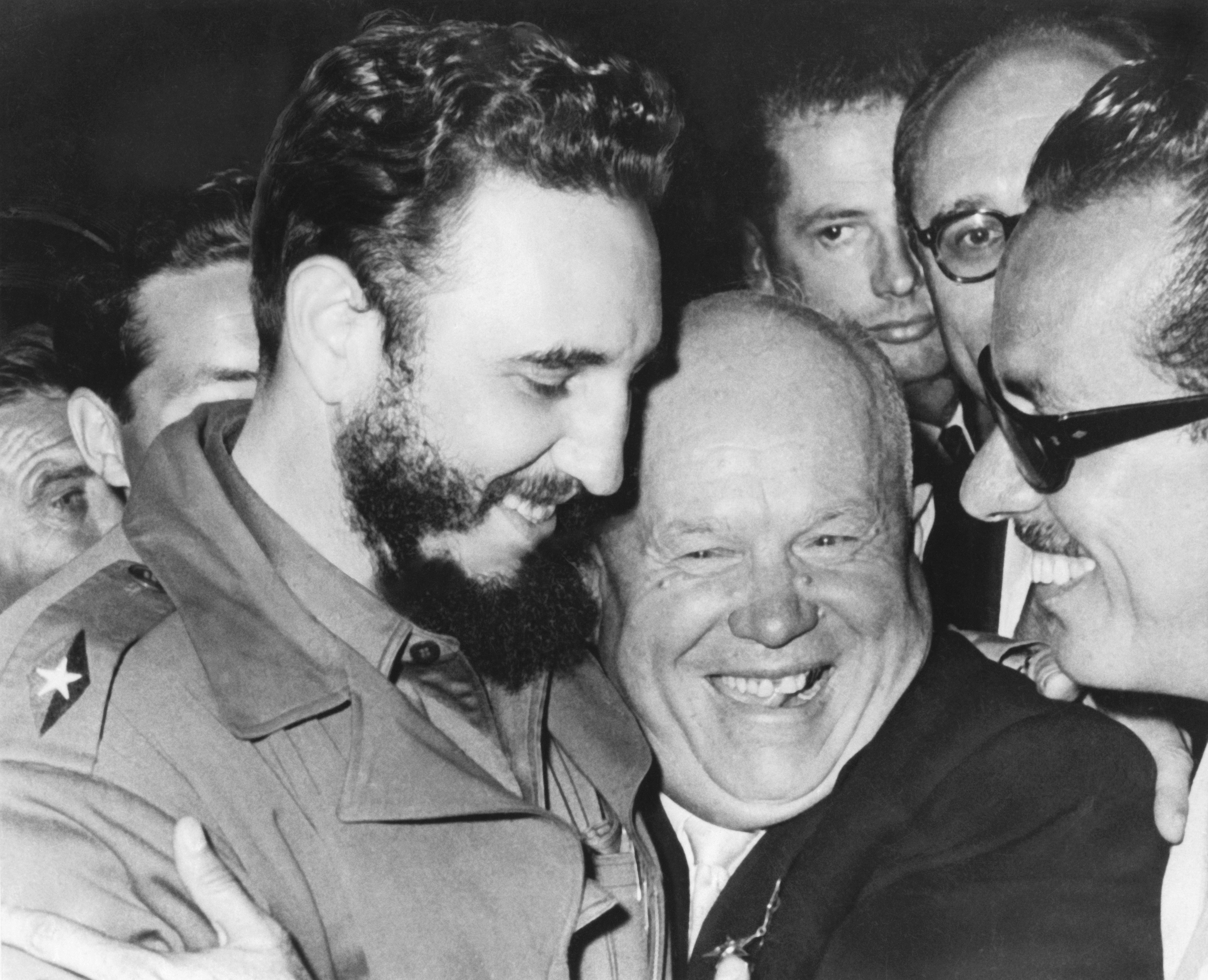
For Khrushchev, the alliance with Cuba offered a unique strategic opportunity—to plant socialism just a few kilometers from the US coast and prove that the post–World War II bipolar world could extend into the Western Hemisphere. This convergence of ideology and geopolitics would soon turn into one of the most dangerous episodes of the Cold War.
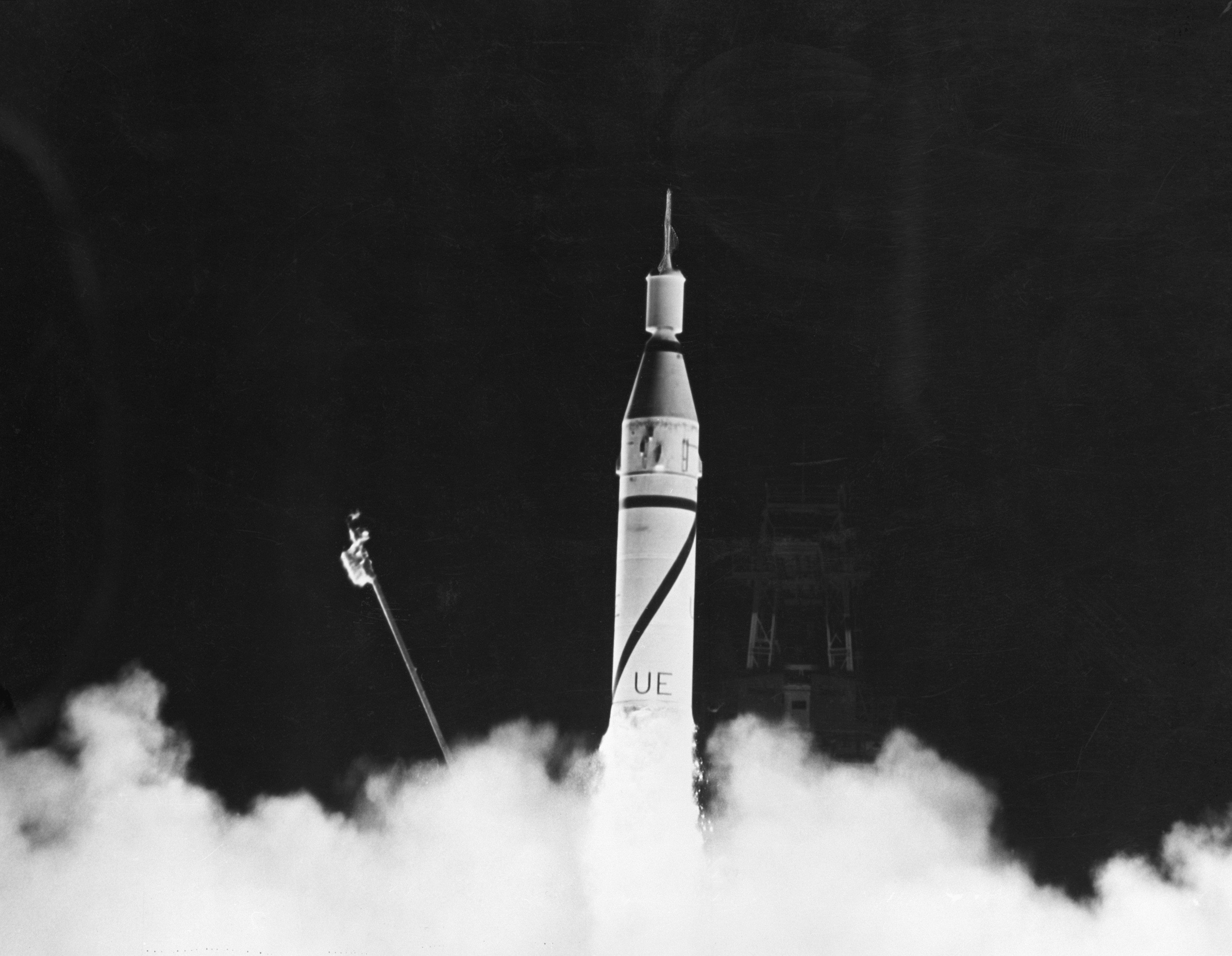
Declassified documents later showed that Soviet leader Nikita Khrushchev sought to redress a strategic imbalance. At the time, the US had stationed nuclear-armed Jupiter missiles in Türkiye and Italy, placing Soviet cities within striking range. Khrushchev aimed to restore parity by secretly deploying similar missiles in Cuba—just 145 km from Florida.
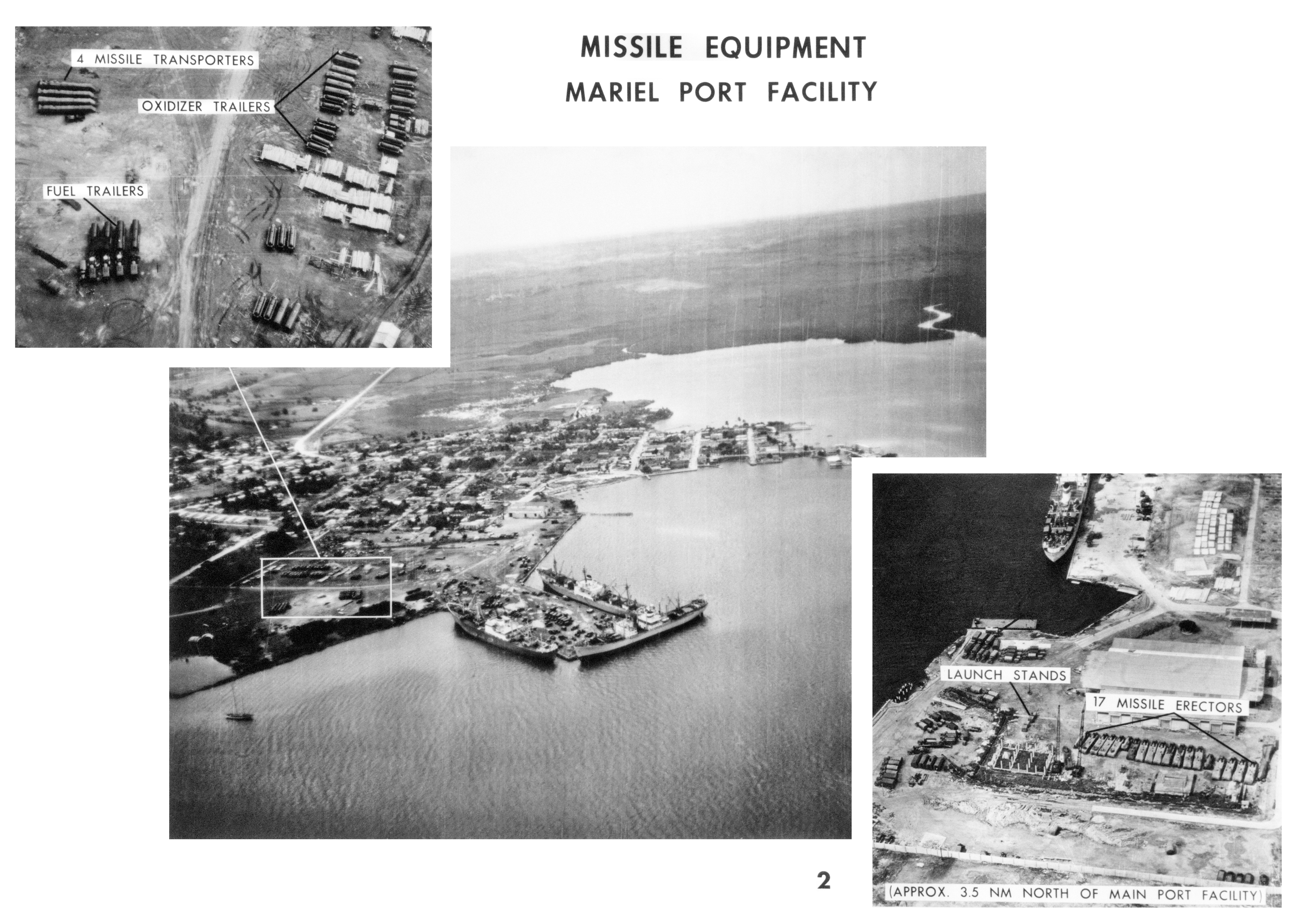
When American reconnaissance flights uncovered the operation, US President John F. Kennedy imposed a naval “quarantine” around the island and demanded immediate withdrawal. The standoff lasted thirteen days, bringing both superpowers to the edge of nuclear confrontation.
Ultimately, Moscow agreed to dismantle its missiles in Cuba in exchange for Washington’s public commitment not to invade the island and the secret removal of US Jupiter missiles from Türkiye. The crisis ended peacefully but left a deep geopolitical mark.
How the Cuba missiles crisis reshaped global power
While Kennedy’s measured response was seen as a victory for Washington, the outcome weakened Khrushchev inside the Soviet hierarchy. Many in the Kremlin viewed his gamble as reckless and humiliating. Within two years, he was slowly removed from power.
The confrontation nevertheless produced crucial outcomes:
The establishment of a direct “hotline” between Washington and Moscow to prevent future miscalculations.
The 1963 Nuclear Test Ban Treaty that marked the first real step toward arms control.
A long-lasting strategic consensus that nuclear brinkmanship carried intolerable risks—a lesson that shaped nuclear policy for decades.
Allison noted, “The Cuban Missile Crisis was not a single choice made at a single moment, but a sequence of governmental actions and reactions emerging from competing organizations and officials.”
This insight remains relevant: what starts as signaling can evolve into escalation when bureaucratic inertia, domestic politics, or prestige enter the equation.
Cuba and Russia in 2025: Limited leverage, shared isolation
Today’s geopolitical reality looks very different. Since 1959, Cuba has endured decades of sanctions, economic stagnation, and fading ideological influence compared to its heyday under the symbolic tandem of Fidel Castro and Che Guevara. Russia, meanwhile, enters the fourth year of its full-scale invasion of Ukraine—strained by sanctions, battlefield losses, and growing isolation on the global stage.
But Russia remains one of Cuba’s biggest partners. In May 2025, Moscow pledged a $1 billion investment in the island’s economy but admitted the plan would “take time” to implement.
Nevertheless, their partnership now seems largely symbolic—a gesture of competition toward the United States and an attempt by Moscow to project strength in the Western Hemisphere. As the Center for Strategic and International Studies notes, Russia’s moves in the region represent “a form of symbolic engagement with allies that typically challenges US leadership in the region.”
Russia’s display of military muscle in the Caribbean is part of a ‘symbolic reciprocity’ approach to its relations with Latin America and the Caribbean.
Center for Strategic and International Studies
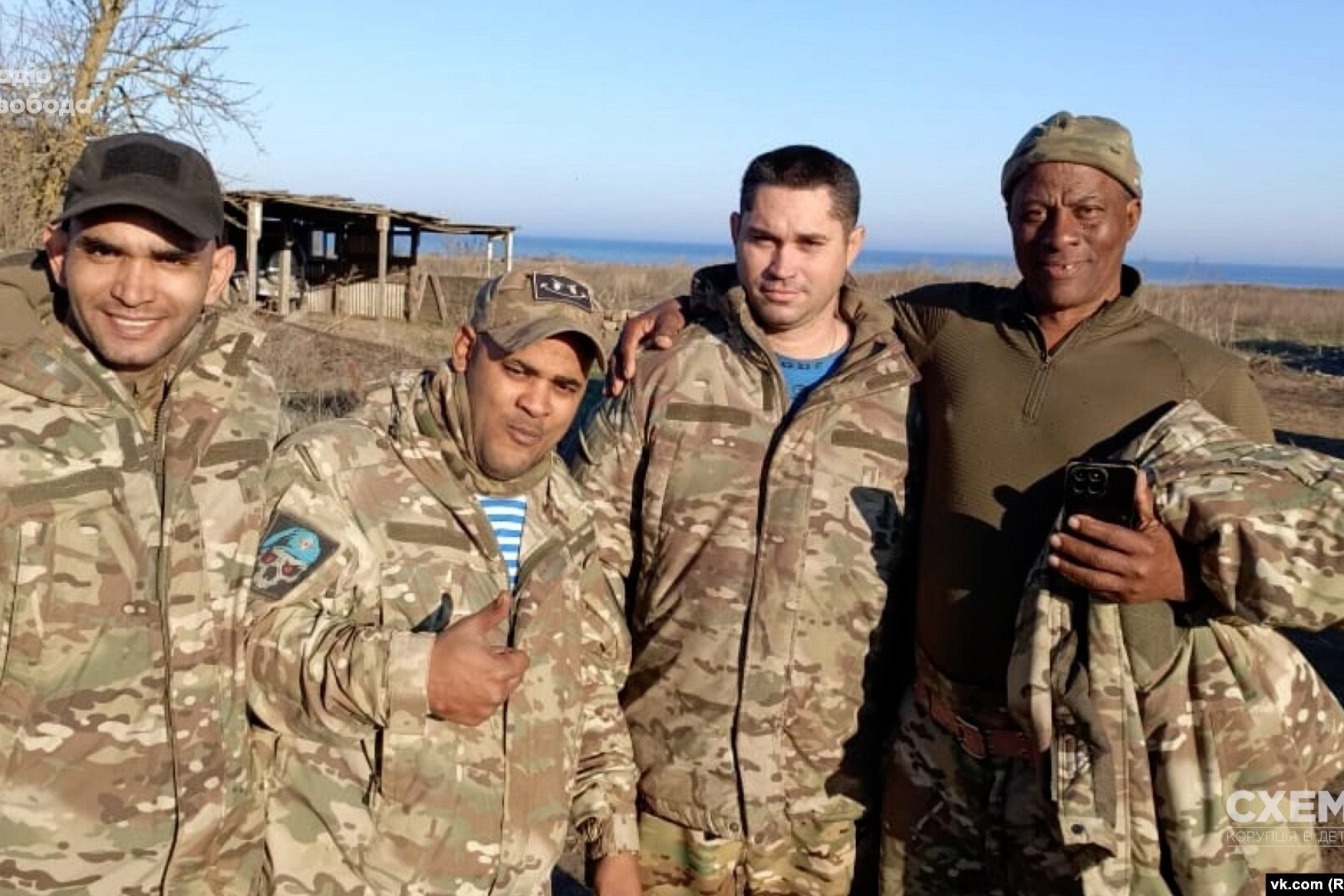
It is part of broader military cooperation between the two countries, which for now remains limited to sending up to 20,000 Cuban mercenaries to fight on Russia’s side in its war of aggression against Ukraine.
On October 8, 2025—the same day the defense pact with Cuba was ratified—Russia withdrew from a key arms-control accord with the United States—announcing it would reclaim 34 tons of weapons-grade plutonium once designated for disposal under a 2000 nuclear agreement. The move, echoing the 1963 Nuclear Test Ban Treaty that followed the Cuban Missile Crisis, underscores how Moscow is dismantling decades of post-Cold War safeguards while reviving the rhetoric of superpower confrontation.
Yet, as Allison’s analysis reminds us, crises rarely begin as deliberate acts. They often emerge from a chain of improvisations, propaganda moves, and bureaucratic reactions—making historical echoes like this one worth watching closely.
Discuss this article:
-9bd5e1532102621f8fb1c4ba871a3171.png)


-c439b7bd9030ecf9d5a4287dc361ba31.jpg "Photo of Katherina Popilnichenko")