- Category
- Latest news
No Safe Zone Left: US Tomahawks Put Russian Bases Within Ukraine’s Reach
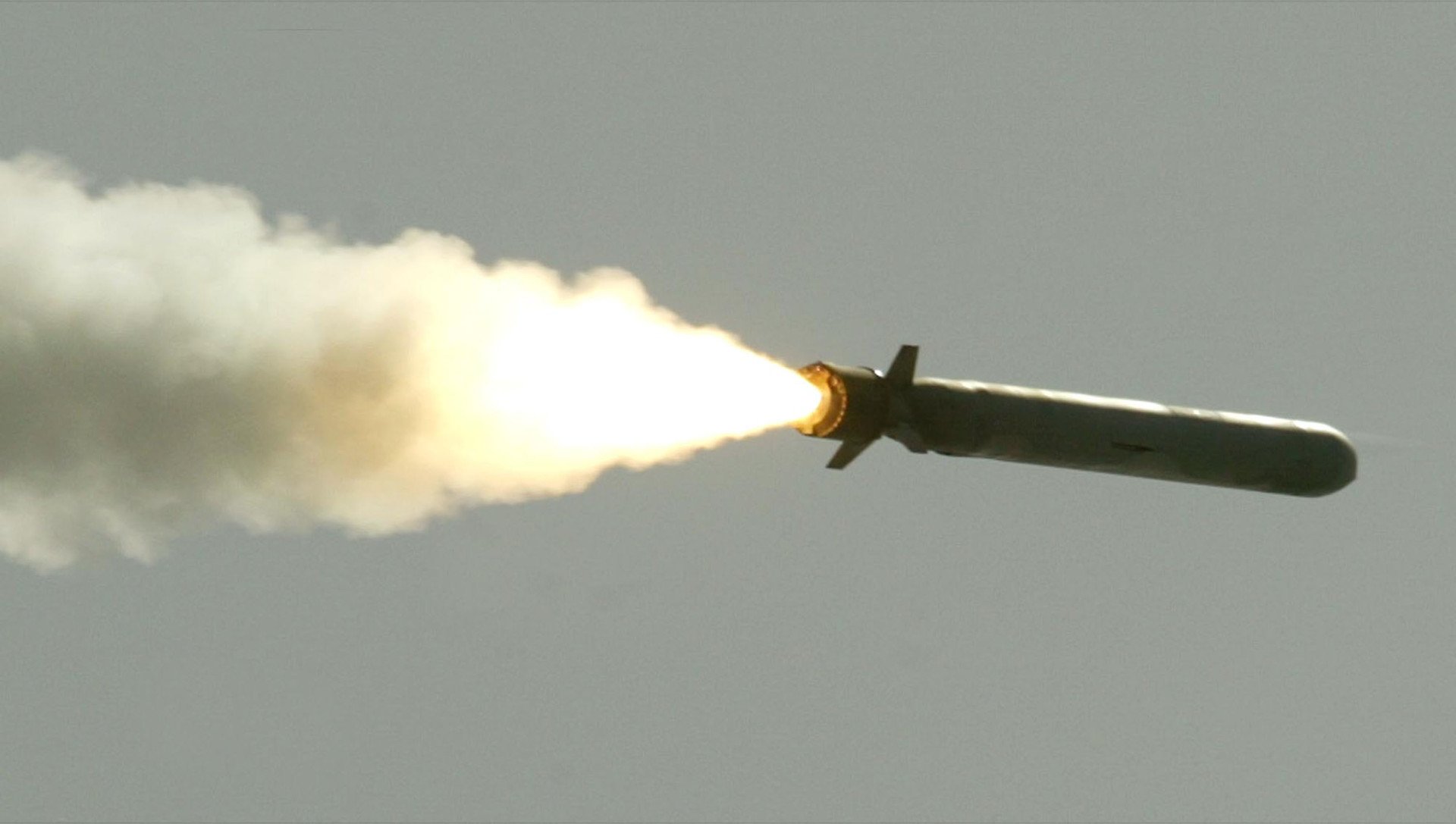
US President Donald Trump confirmed that Washington will supply Ukraine with Tomahawk cruise missiles—under US operational control.
 Prefer U24 Media on Google
- Authors


Beyond the headline, this move signals a turning point in Western military strategy and could reshape the security architecture of Europe, according to Army Recognition on October 7.
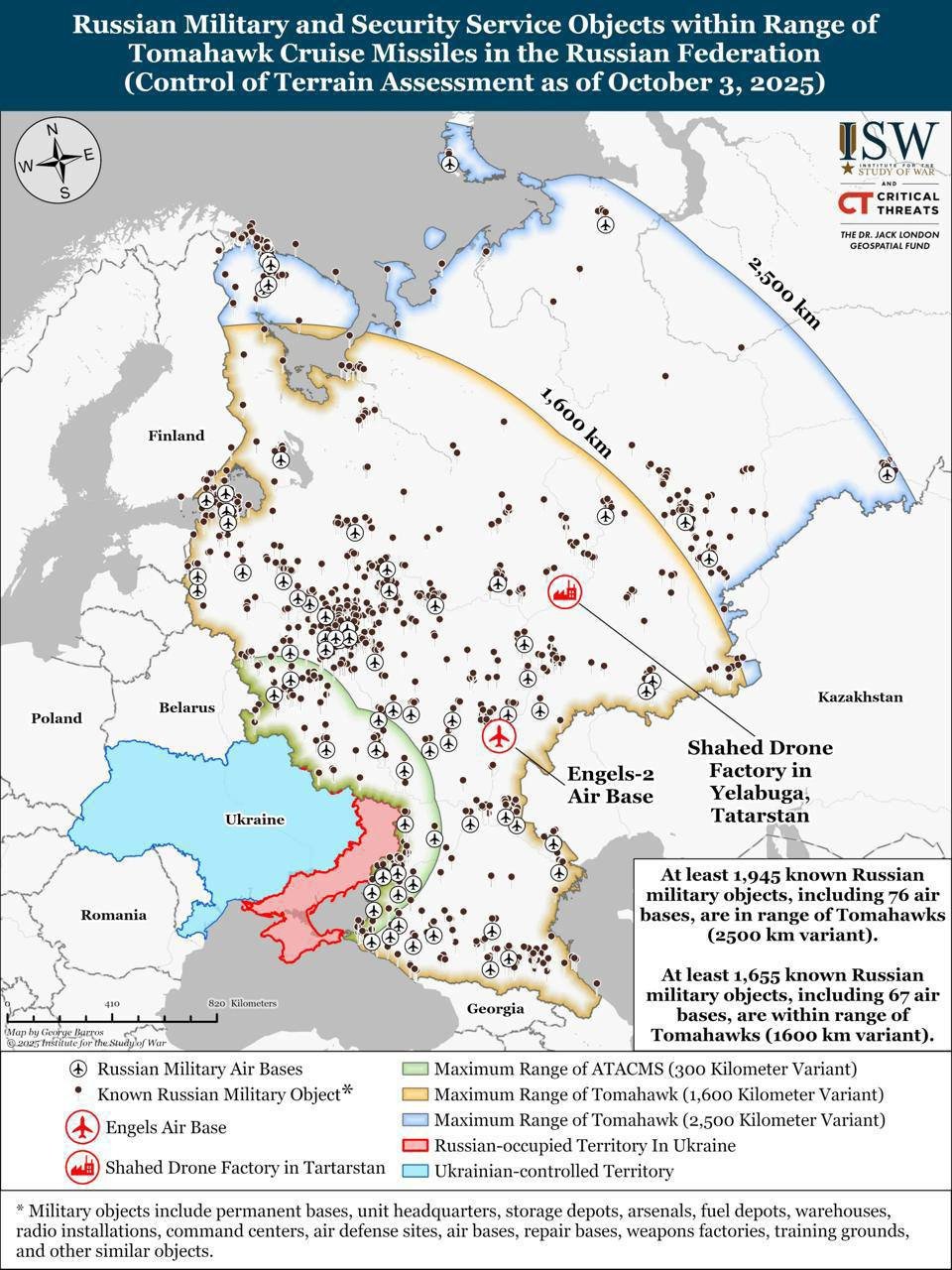
The Tomahawk Land Attack Missile (TLAM) is one of the most precise and versatile long-range strike systems in the US arsenal. With a reach exceeding 1,600 kilometers, it allows deep-penetration attacks on high-value targets while flying at low altitudes that evade radar detection.
For Ukraine, this means the ability to strike Russian airbases, logistics hubs, and command posts far from the front line—targets previously considered out of reach even for Storm Shadow or ATACMS systems.
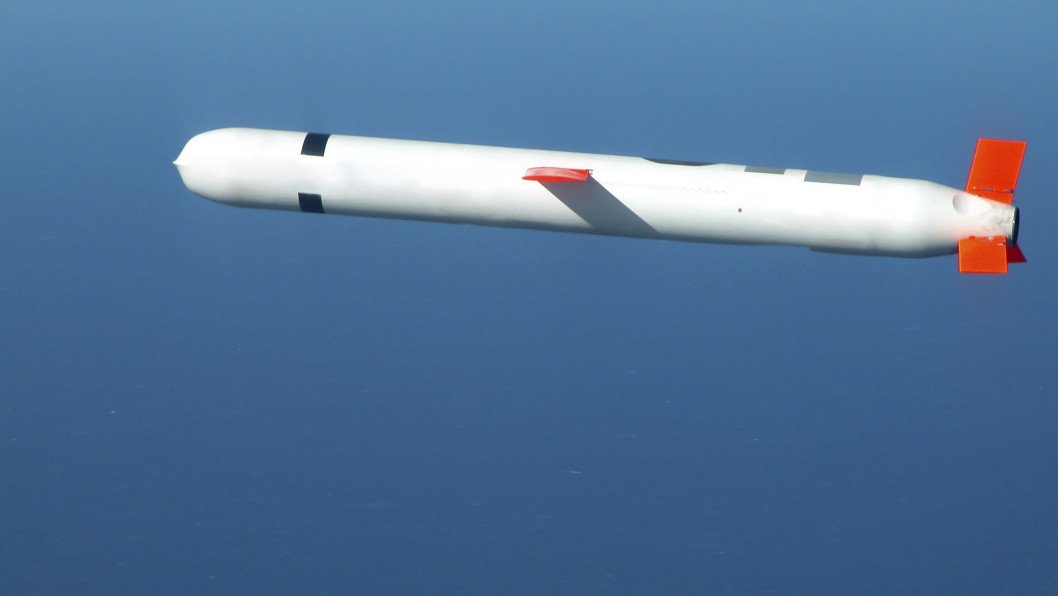
By maintaining US command authority over the missile launches, Washington ensures tight control over escalation while still enhancing Kyiv’s strategic reach. It’s a model that blends deterrence with oversight: Ukraine gains the power to hit deep behind Russian lines, but only under coordinated US authorization.
This approach may become a blueprint for future Western support—enabling advanced capabilities without relinquishing command.
According to Army Recognition, US and NATO planners are now preparing compatible ground-based launch platforms. These are likely to include modified Mk 41 Vertical Launch Systems or mobile land versions derived from the US Army’s Typhon missile program.
Ukrainian units are expected to receive both hardware and training for integrated targeting under US supervision.
The introduction of Tomahawks changes more than battlefield geography—it alters strategic psychology. Russian military infrastructure deep within its territory, once protected by distance, is no longer secure. From command centers in Belgorod to Black Sea Fleet facilities in Crimea, key nodes of the Russian war effort would fall within potential range.
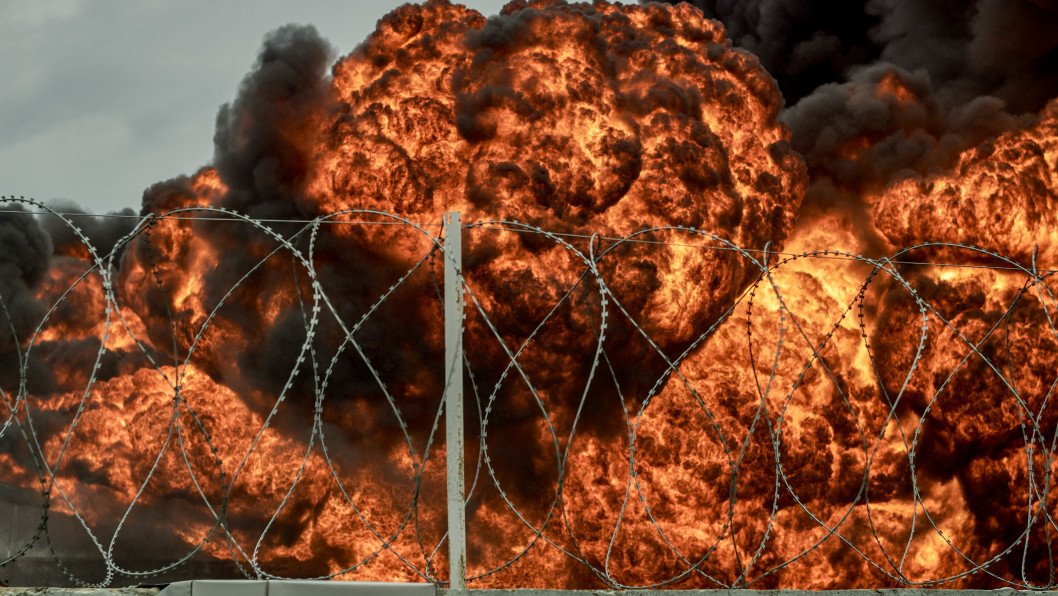
In practical terms, the move reduces Moscow’s ability to operate with impunity in its rear areas, compelling it to disperse assets, harden airbases, and divert resources from the front. For Europe, it signals that Washington is ready to move beyond symbolic aid, supplying tools that can decisively shift operational dynamics while preserving control against escalation.
The decision also fits a broader pattern of expanding precision-strike capabilities among NATO allies. As Army Recognition notes, Trump’s approval of Tomahawks for Ukraine follows earlier US initiatives to allow allied integration of advanced systems like HIMARS and Storm Shadow.
But unlike those weapons, Tomahawks redefine range, stealth, and unpredictability—three variables that could change the tempo of the war itself.
Earlier, during a closed-door meeting at the United Nations on September 26, Ukrainian President Volodymyr Zelenskyy asked US President Donald Trump to provide Tomahawk cruise missiles—a request Trump appeared open to considering. In a same-day interview, Zelenskyy said Trump “will work on it.”
Discuss this article:






-111f0e5095e02c02446ffed57bfb0ab1.jpeg "Photo of Roman Kohanets")

-72b63a4e0c8c475ad81fe3eed3f63729.jpeg "Photo of Cyril Barabaltchouk")