- Category
- World
UK Issues Open-Ended Waiver for Fuel Refined From Russian Crude
 Prefer U24 Media on Google
- Authors

-c439b7bd9030ecf9d5a4287dc361ba31.jpg "Photo of Katherina Popilnichenko")
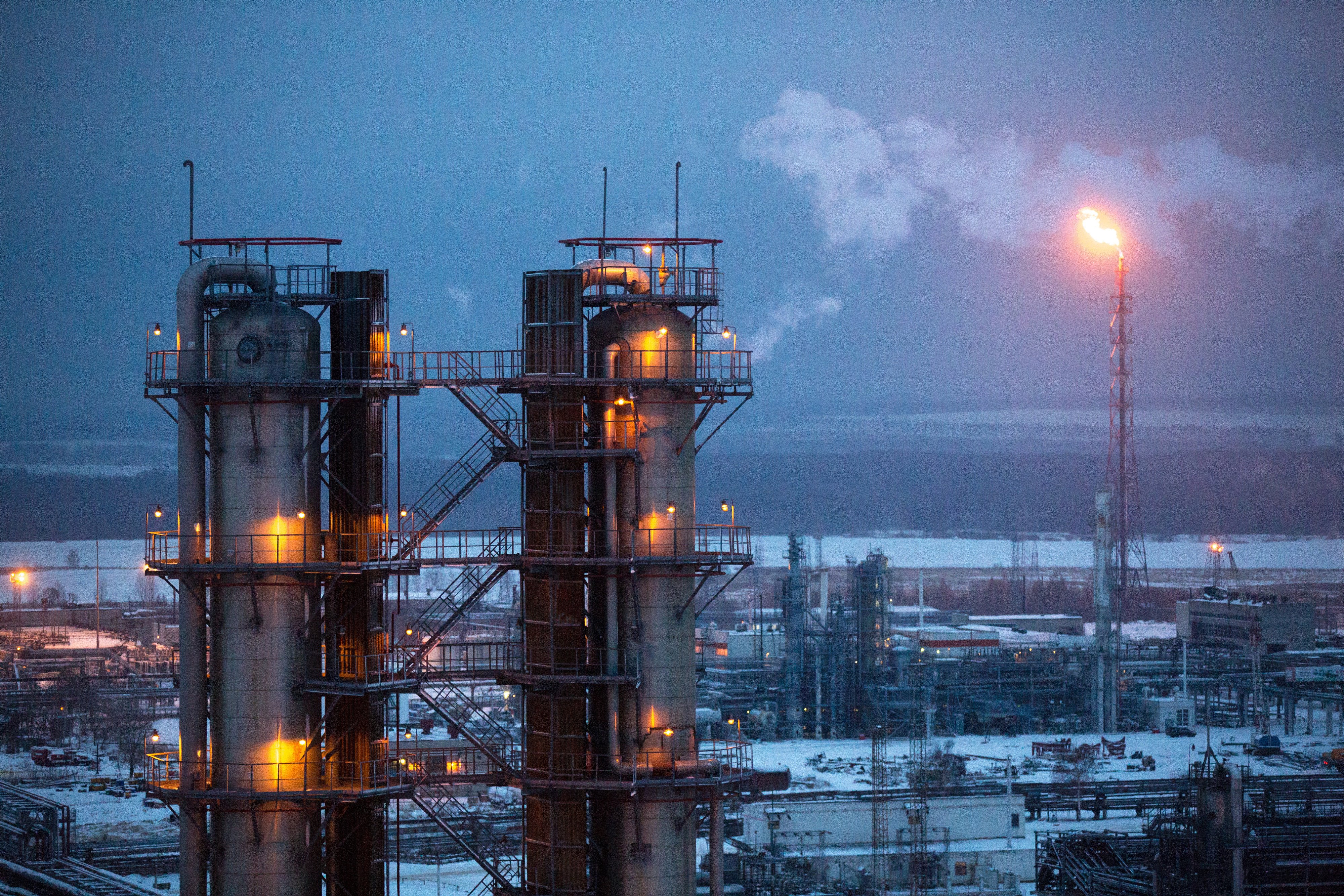
The United Kingdom issued an open-ended license on May 20, 2026, permitting the indefinite import of diesel fuel and aviation kerosene processed from Russian crude oil in third-party countries.
The document carries no expiration date and will remain subject to routine reviews by the Home Secretary . The Home Secretary maintains the authority to amend, revoke, or suspend the authorization at any given moment, though the official notice states they will "endeavor" to provide a four-month advance notification prior to any cancellation, according to The Moscow Times on May 19.
We bring you stories from the ground. Your support keeps our team in the field.
This policy shift comes during a severe global energy crisis sparked by the war in Iran and the blockade of the Strait of Hormuz, a critical shipping lane previously responsible for 20% of global oil shipments.
The closure of this strategic maritime corridor has forced a contributed to a sharp rise dramatic surge in international energy and jet fuel prices, compelling multiple commercial airlines to ground scheduled flights, according to The Moscow Times.
Fatih Birol, the head of the International Energy Agency (IEA), described the current oil crisis as far more severe than the energy disruptions of 1973, 1979, and 1990 combined. In mid-April, Birol issued a public warning stating that European stockpiles of aviation fuel would only last approximately six weeks.
The United Kingdom previously instituted a comprehensive ban on the direct import of Russian crude oil and coal in 2022, immediately following Russia’s full-scale invasion of Ukraine. In October 2023, London expanded these restrictions to target refined petroleum products derived from Russian oil within third nations.
By the summer of 2025, Great Britain joined a broader European Union initiative to lower the price cap on Russian oil exports. However, in February of 2026, British authorities implemented a temporary 18-month sanctions exemption for the Druzhba pipeline, which remains effective until October 14, 2027.
In April 2026, Russia was forced to slash its oil production due to a relentless wave of Ukrainian drone strikes on critical ports and refineries, alongside the prolonged shutdown of the Druzhba oil pipeline to Europe.
According to industry sources and Reuters calculations, output fell by an estimated 300,000 to 400,000 barrels per day from early-year averages, marking the steepest monthly decline in Russian production since the COVID-19 pandemic.
This forced production drop directly correlated with Ukraine’s strategy to systematically dismantle the Russian war economy by targeting the infrastructure that accounted for roughly a quarter of Moscow’s budget revenue.
Discuss this article:
-9bd5e1532102621f8fb1c4ba871a3171.png)


-72b63a4e0c8c475ad81fe3eed3f63729.jpeg "Photo of Cyril Barabaltchouk")