- Category
- Latest news
Russian Oil Output Sees Biggest Drop Since COVID Following Ukrainian Drone Blitz
 Prefer U24 Media on Google
- Authors

-72b63a4e0c8c475ad81fe3eed3f63729.jpeg "Photo of Cyril Barabaltchouk")
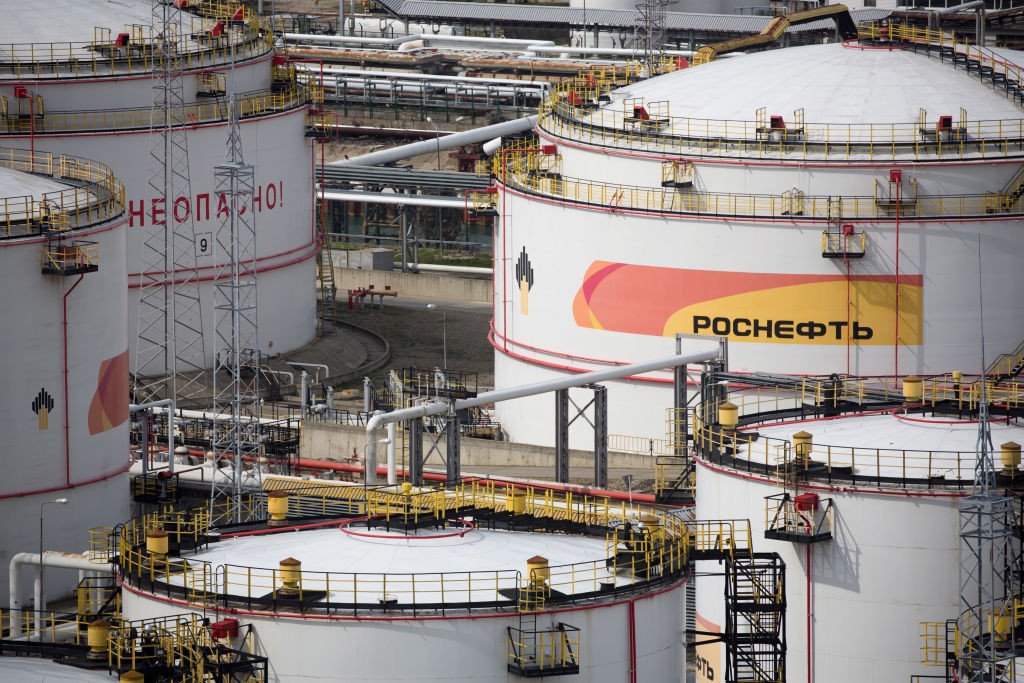
Russia was forced to slash its oil production in April due to a relentless wave of Ukrainian drone strikes on critical ports and refineries, alongside the prolonged shutdown of the Druzhba oil pipeline to Europe, Reuters reported on April 21.
According to industry sources and Reuters calculations, output fell by an estimated 300,000 to 400,000 barrels per day from early-year averages. This drop—representing up to 600,000 bpd compared to late 2025 levels—marks the steepest monthly decline in Russian production since the COVID-19 pandemic.
We bring you stories from the ground. Your support keeps our team in the field.
Oil is the bedrock of Russia’s $3 trillion economy, making these production cuts a direct hit to the Kremlin’s primary revenue stream. However, Russian Finance Minister Anton Siluanov noted that global price spikes—fueled by the ongoing conflict with Iran—could help soften the financial blow by naturally reducing the budget deficit.
The production drop directly correlates with Ukraine’s strategy to systematically dismantle the Russian war economy by targeting the infrastructure that accounts for roughly a quarter of Moscow’s budget revenue. Recent drone attacks have heavily targeted major export gateways, including the Baltic Sea ports of Ust-Luga, Primorsk, and Vysotsk, as well as the Black Sea port of Novorossiysk.
Further compounding the export bottleneck, the Druzhba pipeline—which previously pumped crude across Ukrainian territory to Hungary and Slovakia—remains completely shut following Russian infrastructure attacks in late January, Reuters wrote.
-7742bc3a260432fa9633e5ce414ea210.jpg)
“Against the backdrop of ongoing attacks on Russia’s ports and refineries, it will be difficult to place oil without cutting output, especially with upcoming spring maintenance shutdowns,” an anonymous source told Reuters.
While Russian oil production previously peaked just before the pandemic in 2019, the country classified its production data in 2022 under the guise of national security. Despite the lack of official Kremlin numbers, the Paris-based International Energy Agency (IEA) has already revised its projections, cutting Russia’s expected oil supply by 120,000 bpd for the rest of the year due to the widespread damage to port and energy infrastructure.
The forced production cuts follow a sustained Ukrainian drone campaign designed to physically degrade the refining capacity that funds Russia’s military operations. Over the past year, Kyiv has launched dozens of successful deep strikes, setting major Russian oil and gas facilities on fire and knocking significant portions of Russia’s processing power offline.
While global oil price volatility temporarily bolsters Moscow’s income, the compounding damage to key export terminals and refineries makes it increasingly difficult for Russia to fulfill contractual obligations or maintain stable domestic fuel supplies.
Discuss this article:


-c439b7bd9030ecf9d5a4287dc361ba31.jpg "Photo of Katherina Popilnichenko")