- Category
- Latest news
Russian Oil Production Rebounds, But Drone Strikes Threaten Future Capacity
 Prefer U24 Media on Google
- Authors

-72b63a4e0c8c475ad81fe3eed3f63729.jpeg "Photo of Cyril Barabaltchouk")
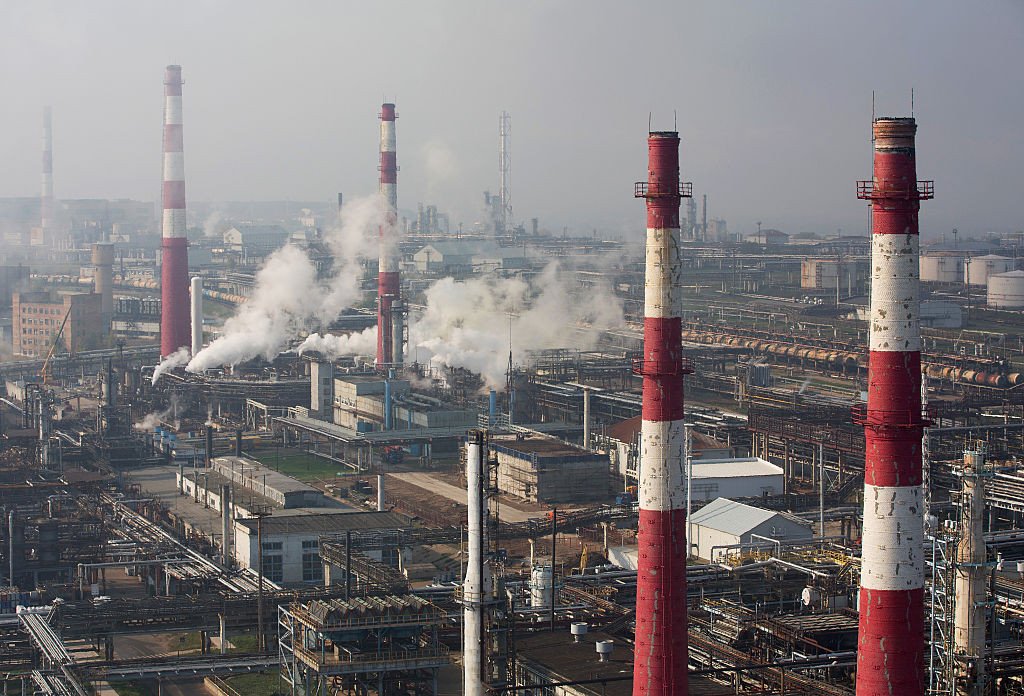
Russia’s crude oil and refined product revenues rebounded sharply in March as global prices surged due to the war in Iran, Reuters reported on April 14, citing International Energy Agency (IEA).
The jump follows a significant slump in February, when revenues hit their lowest level since the start of the full-scale conflict in Ukraine in 2022.
We bring you stories from the ground. Your support keeps our team in the field.
According to the Paris-based IEA, Russia’s oil and oil product export revenues nearly doubled month-over-month, rising from $9.75 billion in February to $19 billion in March. Crude oil exports increased by 270,000 barrels per day to reach 4.6 million bpd.
With the Druzhba pipeline to Hungary and Slovakia remaining offline following attacks on its infrastructure in late January, this export growth was primarily driven by higher seaborne shipments. Crude production also saw an uptick, rising to 8.96 million bpd from 8.67 million in the previous month, according to Reuters.
However, the IEA cautioned that Russia may struggle to expand its oil production beyond early first-quarter levels in the near future. The agency noted that repeated Ukrainian drone strikes have inflicted significant damage on Russian port facilities and refineries across the Baltic and Black Sea regions, constraining operational capacity.
-7742bc3a260432fa9633e5ce414ea210.jpg)
The IEA’s assessment of constrained Russian production capacity follows a systematic Ukrainian drone campaign targeting the country’s energy infrastructure. Over the past year, Kyiv has launched dozens of strikes against Russian oil refineries, depots, and port facilities across the Baltic and Black Sea regions, including major export hubs like Ust-Luga and Primorsk.
These attacks have forced massive refinery shutdowns, significantly disrupted domestic fuel supplies, and inflicted billions of dollars in direct damage to the Kremlin’s energy sector. While global price spikes temporarily boost Moscow’s income, Ukraine’s strikes are designed to physically degrade the refining capacity that directly funds Russia’s military operations.
Discuss this article:



-c439b7bd9030ecf9d5a4287dc361ba31.jpg "Photo of Katherina Popilnichenko")