- Category
- Latest news
Ukrainian Drone Strikes Cost Russian Oil Industry Over $12 Billion
 Prefer U24 Media on Google
- Authors

-72b63a4e0c8c475ad81fe3eed3f63729.jpeg "Photo of Cyril Barabaltchouk")
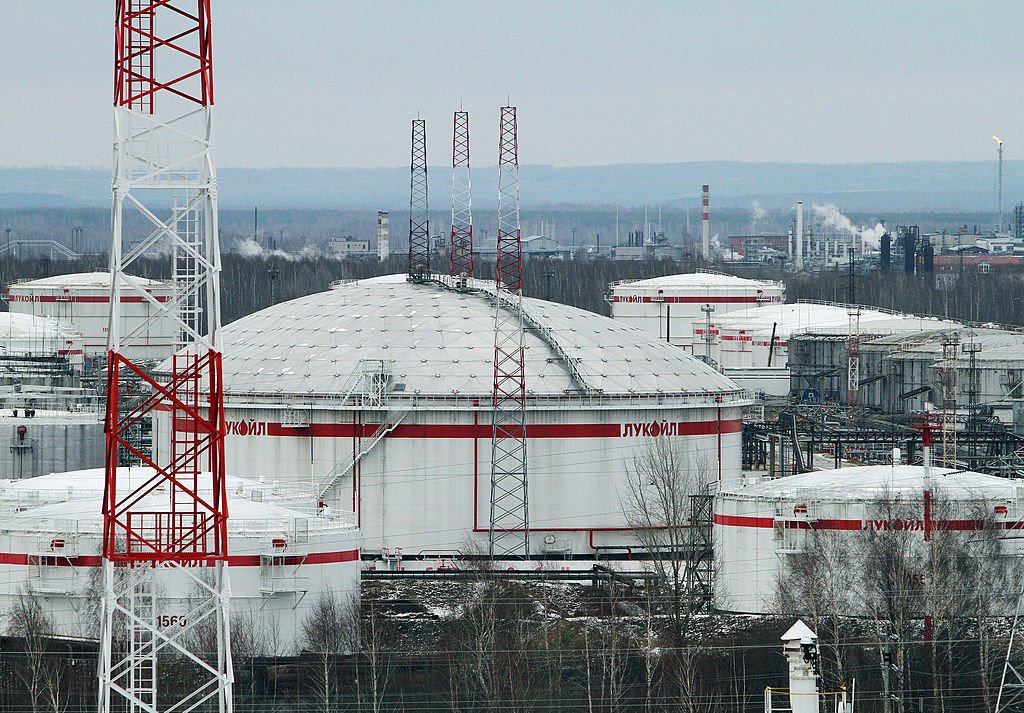
Ukraine’s relentless drone campaign against Russian oil refineries has inflicted severe financial damage on Moscow’s energy sector, The Moscow Times reported on March 16.
The strikes have cost the industry over 1 trillion rubles ($12.3 billion) in direct and indirect losses.
We bring you stories from the ground. Your support keeps our team in the field.
The financial toll, which includes over 100 billion rubles ($1.2 billion) in direct physical damage alongside massive losses in profits, drove Russia’s total oil refining volume down by 1.7% in 2025. Pipeline crude supplies to domestic refineries plummeted to a 15-year low as facilities struggled to maintain operations amidst the constant aerial bombardment.
According to Bloomberg calculations, Kyiv launched at least 120 attacks on Russian oil infrastructure throughout the year, with 81 strikes explicitly targeting refineries.
The surge in successful strikes has triggered a full-blown crisis within the Russian insurance market. Corporate insurance providers are reporting that their loss ratios for “terrorism and sabotage” risks have soared past 100%, meaning they are now paying out significantly more in claims than they are collecting in premiums, The Moscow Times wrote.
Major Russian insurers like Soglasie and SOGAZ noted that the frequency of payouts has multiplied exponentially, with the average claim for a single refinery strike reaching several hundred million rubles. Industry experts attribute the heavier damage to evolving Ukrainian tactics, particularly the use of massive drone swarms to overwhelm local defenses.
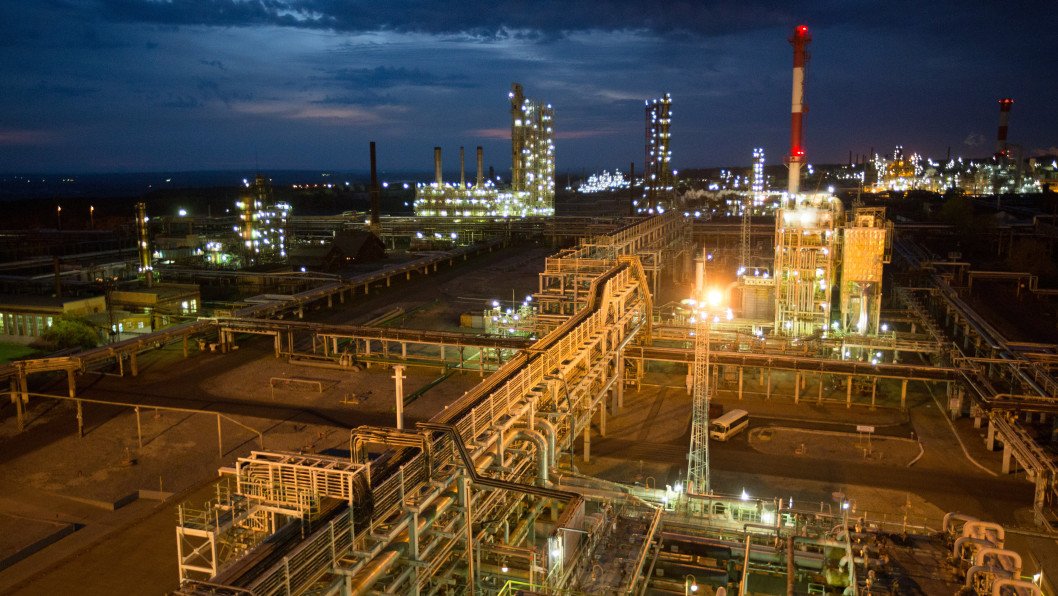
While Russian Defense Minister Andrei Belousov claimed in December 2025 that the nation’s air defenses operate at a 97% effectiveness rate against the estimated 3,700 drones Ukraine launches monthly, Kyiv’s intelligence paints a starkly different picture.
The head of the Security Service of Ukraine (SBU), Vasyl Maliuk, stated that Ukrainian forces successfully executed around 160 strikes on Russian oil production and refining sites in 2025 alone, systematically dismantling the logistical and financial backbone of the Kremlin’s war machine, The Moscow Times reported.
The frequency of these aerial assaults severely disrupted Russia’s domestic energy markets and triggered widespread fuel shortages. An earlier report indicated that coordinated drone strikes successfully knocked out over 13% of the country’s total oil refining capacity within a matter of weeks.
This sudden drop in production forced the Kremlin to implement a strict six-month ban on gasoline exports to stabilize soaring domestic prices and prevent fuel deficits for its military forces. As repairs on the heavily sanctioned, Western-built refinery equipment dragged on for months, the sustained campaign proved highly effective at draining the resources Moscow relied on to finance its war effort.
Discuss this article: