- Category
- World
US Reportedly Seeks “Forever Clause” and Investment Veto in Greenland Talks
 Prefer U24 Media on Google
- Authors

-72b63a4e0c8c475ad81fe3eed3f63729.jpeg "Photo of Cyril Barabaltchouk")
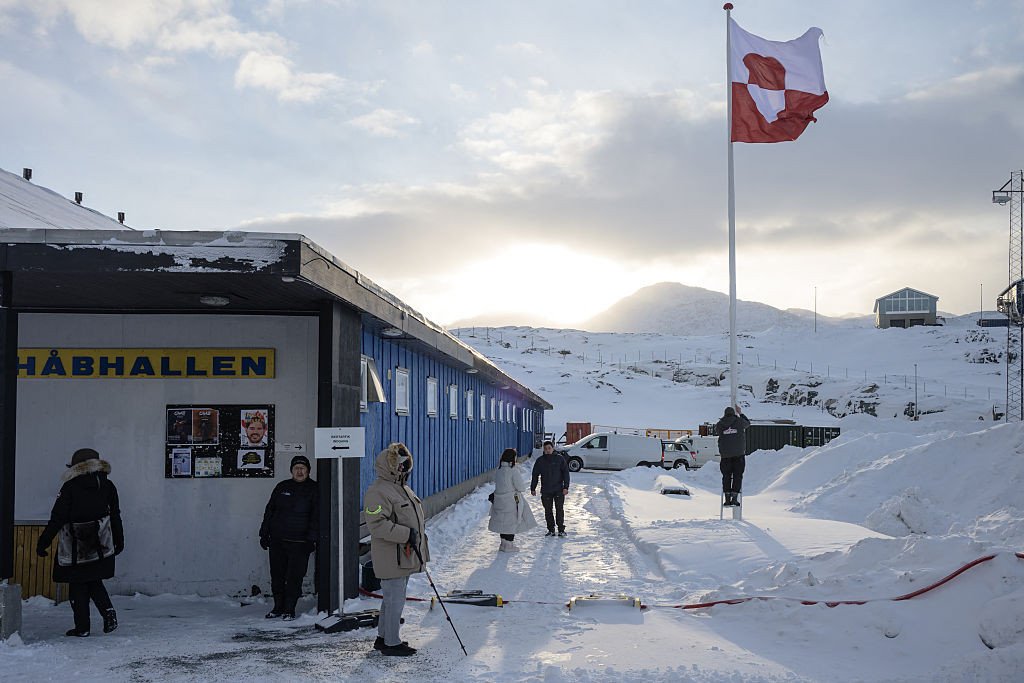
Confidential, trilateral negotiations between the United States, Denmark, and Greenland are currently underway in Washington. They aim at defusing US President Donald Trump’s earlier threats to seize Greenland by force, The New York Times reported on May 18.
However, Greenlandic officials warn that US demands—which include permanent military access, veto power over foreign investments, and resource cooperation—could fundamentally undermine the island’s sovereignty.
We bring you stories from the ground. Your support keeps our team in the field.
The talks, which have convened approximately five times since January, represent an effort to de-escalate a diplomatic crisis that previously threatened to fracture the NATO alliance. Spearheaded by Michael Needham, a top adviser to Secretary of State Marco Rubio, the US delegation is seeking significant, long-term concessions.
According to an investigation by The New York Times, Washington is pressuring Copenhagen and Nuuk for a “forever clause.” It would modify a 1951 defense pact to guarantee American troops can remain in Greenland indefinitely, even if the territory achieves full independence.
Furthermore, the US wants strict screening mechanisms and effective veto power over major infrastructure deals in Greenland to block strategic competitors like Russia and China. It’s also pushing for broader access to the island’s untapped oil, uranium, and rare earth minerals.
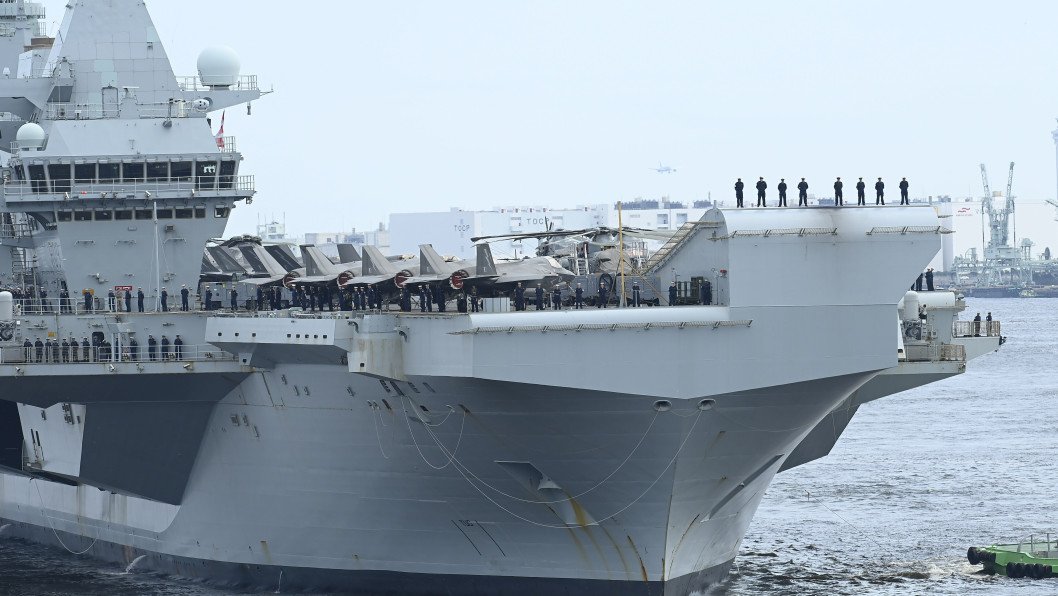
The Pentagon is already moving forward with expansion plans. General Gregory M. Guillot, head of US Northern Command, stated the military requires a deepwater port and a rotational base for Special Operations forces.
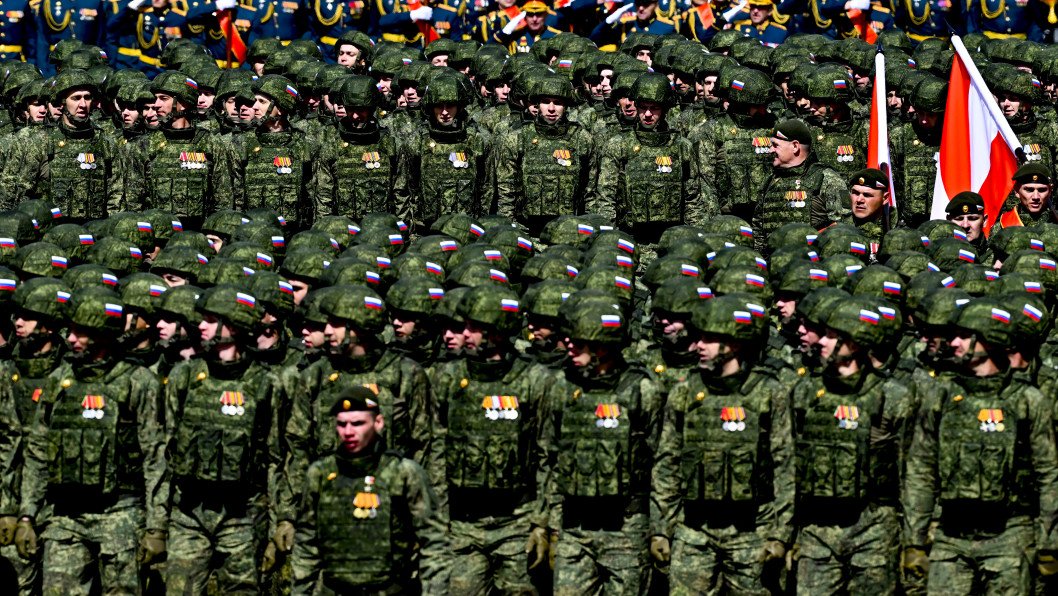
Recently, a Marine Corps officer was dispatched to inspect World War II-era infrastructure in the southern town of Narsarsuaq. General Guillot envisions Greenland as a critical link in Arctic defense chain extending across Alaska and Canada, according to The New York Times.
While Greenlandic politicians remain open to hosting American forces on their soil, they are resisting the economic and sovereign concessions being demanded. Pipaluk Lynge, chairwoman of the Greenlandic Parliament’s foreign affairs committee, described the US approach as unfair and restrictive, noting that the island’s best outcome is simply not to be invaded or controlled.
The New York Times writes that Greenland’s Prime Minister, Jens-Frederik Nielsen, affirmed that while the island is open for business, it will maintain its strict environmental regulations and insists on retaining the final say over its economic partnerships. Nielsen emphasized that the relationship between Greenland and Denmark is an internal matter that should not face American interference.
Greenland currently lacks the independent intelligence apparatus to screen massive foreign investments for security risks. The New York Times reported that this is a vulnerability highlighted in 2018 when a Chinese state firm nearly secured a major airport contract before US intervention.
Consequently, negotiators are discussing a framework where Denmark would conduct investment screening with US input. Some Greenlandic officials fear this dynamic could ironically grant Copenhagen more control over the island’s affairs, The New York Times reports.
The urgency of the talks is underscored by fears in Nuuk that a lull in the US conflict with Iran could turn the White House’s full attention back to the Arctic. Some Greenlandic lawmakers have expressed specific anxiety around symbolic dates like June 14, which is President Trump’s birthday, and the Fourth of July.
In response, the US State Department maintains that the administration is simply seeking permanent solutions to valid security and economic concerns. Dylan Johnson, the assistant secretary of state for global public affairs, stated that the president intends to solve these issues permanently rather than leave them for future administrations, according to The New York Times.
The diplomatic standoff over Greenland has accelerated European efforts to prepare for potential security crises independent of the United States. Following Donald Trump’s threats to seize the Danish territory and his mounting criticism of NATO allies, European Union leaders have previously formally requested a blueprint detailing the operational mechanics of the bloc’s mutual assistance clause.
Unlike NATO’s Article 5, the EU’s Article 42.7 currently lacks detailed military structures, having only been activated once by France in 2015. EU foreign policy chief Kaja Kallas is now drafting response scenarios for conventional and hybrid attacks, aiming to establish a concrete collective defense strategy as member states grow increasingly wary of Washington’s commitment to the transatlantic alliance.
Discuss this article:



-c439b7bd9030ecf9d5a4287dc361ba31.jpg "Photo of Katherina Popilnichenko")


-111f0e5095e02c02446ffed57bfb0ab1.jpeg "Photo of Roman Kohanets")