- Category
- World
EU Drafts Three Scenarios for Activating Mutual Defense Clause Against Armed Attacks
 Prefer U24 Media on Google
- Authors

-72b63a4e0c8c475ad81fe3eed3f63729.jpeg "Photo of Cyril Barabaltchouk")
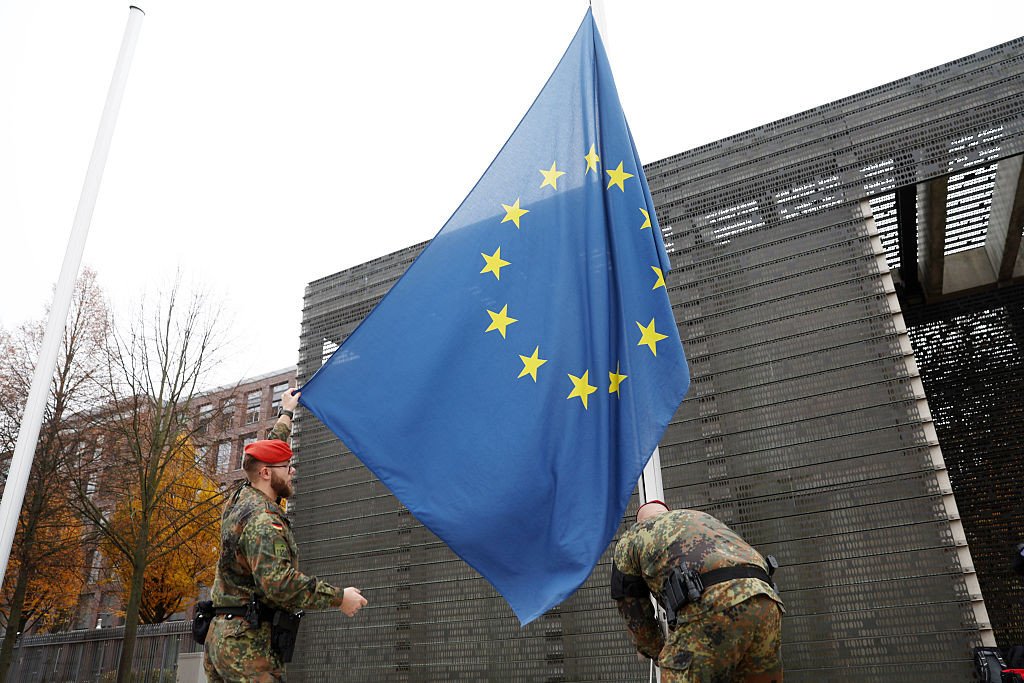
The European Commission has prepared a document outlining three scenarios for activating Article 42.7—the European Union’s mutual defense clause—EU foreign policy chief Kaja Kallas announced Tuesday, Radio Liberty reported on May 12.
Speaking before the EU Council meeting in Brussels, Kallas detailed the crisis scenarios designed to act as the European analog to NATO's Article 5. The first scenario involves a simultaneous attack on a NATO country, triggering both alliances' defense clauses.
We bring you stories from the ground. Your support keeps our team in the field.
The second focuses on an attack against an EU state that is not a NATO member, while the third covers hybrid attacks that fall below the threshold for a NATO Article 5 response.
Kallas noted that recent tabletop exercises among EU ambassadors on May 4 highlighted vulnerabilities in the bloc’s preparedness, according to Radio Liberty. “We do not talk publicly about these exercises because they show our gaps,” Kallas explained, adding that the goal is to clarify the “broad and vague” article by defining exactly how the European Commission and member states should respond during a crisis.
Austrian Defense Minister Klaudia Tanner supported the effort, noting that various scenarios could require deploying EU agencies such as SATCEN or Frontex. She recalled that the only real precedent for invoking Article 42.7 was after the 2015 Bataclan terrorist attack in Paris, when Austria deployed soldiers to Mali to free up French military forces for domestic security.
Swedish Defense Minister Pål Jonson also endorsed the discussion, revealing he had spoken with EU Defense Commissioner Andrius Kubilius about creating a strategic “manual” for major security emergencies, Radio Liberty reported. Jonson stressed the need to establish civilian readiness plans and determine how EU resources can support NATO's deterrence without replacing the alliance.
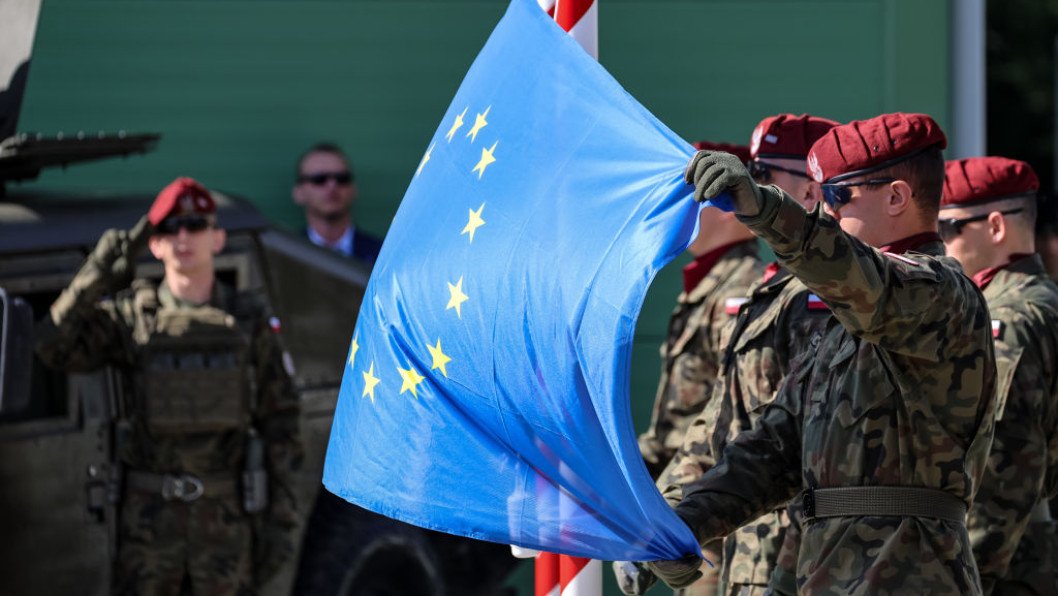
Addressing concerns that a stronger EU defense mechanism might push the United States away, Jonson emphasized that Article 42.7 is a complement to NATO, not a replacement. He also expressed skepticism regarding the creation of a standalone EU army, stating that despite years of rhetoric, there is no realistic intention to form one.
The debate surrounding Article 42.7 coincides with efforts for European defense self-sufficiency, Radio Liberty noted. Estonian Defense Minister Hanno Pevkur clearly separated the roles, stating that military planning remains NATO's responsibility, while the EU should bolster member states' military strength and civil resilience.
Pevkur also urged European nations to have greater confidence in their own geopolitical weight. Pointing to the bloc’s 500 million citizens, €25 trillion ($27 trillion) GDP, and nearly €500 billion ($541 billion) in defense spending, he declared that “if necessary, we are ready to defend Europe on our own.”
The urgency behind defining Article 42.7 stems from growing European anxieties regarding the US commitment to NATO under President Donald Trump. Following Trump’s recent criticism of European allies during the Iran war and his threats to seize Greenland from Denmark, EU leaders formally requested a blueprint detailing exactly how the bloc would respond to an attack on a member state.
The push gained immediate momentum after a drone struck a British air base in Cyprus, prompting nations outside the NATO umbrella to demand concrete security guarantees.
Discuss this article:
-9a7b3a98ed5c506e0b77a6663f5727c5.png)


-c439b7bd9030ecf9d5a4287dc361ba31.jpg "Photo of Katherina Popilnichenko")

-3dc43d0d8b8ab0d7d00a1b4d64f1a3a5.jpg "The national flags of China and Russia flutter at Tian’anmen Square on May 19, 2026 in Beijing, China. (Source: Getty Images)")
-111f0e5095e02c02446ffed57bfb0ab1.jpeg "Photo of Roman Kohanets")