- Category
- Latest news
Europe Weighs New Security Framework Without NATO Amid Trump’s Greenland Threats
 Prefer U24 Media on Google
- Authors

-72b63a4e0c8c475ad81fe3eed3f63729.jpeg "Photo of Cyril Barabaltchouk")
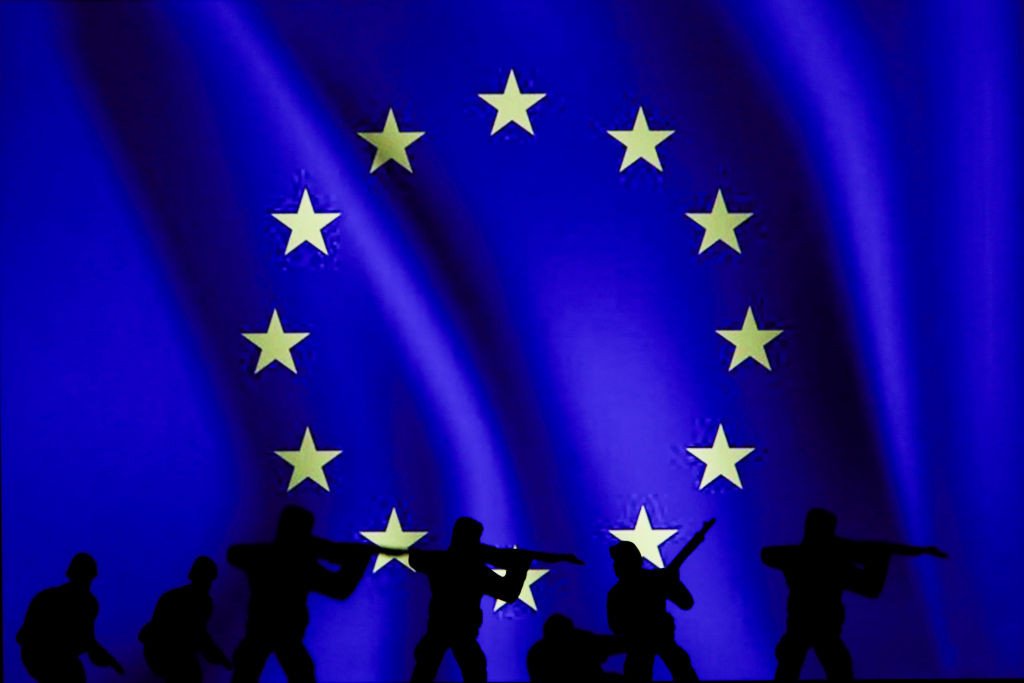
European leaders are increasingly discussing the creation of an alternative security framework outside NATO, amid growing doubts about the reliability of the United States as a long-term ally following threats by US President Donald Trump to annex Greenland, Politico reported on January 19.
According to European officials cited by the outlet, Trump’s remarks about Greenland—a sovereign Danish territory—marked a turning point, convincing many capitals that Washington may no longer be a dependable security guarantor.
We bring you stories from the ground. Your support keeps our team in the field.
Behind closed doors, officials described the idea of annexation as reckless and warned that it crossed a clear red line for Europe’s allies.
The debate has accelerated discussions in Brussels and national capitals about strengthening Europe’s strategic autonomy and preparing for a future in which NATO, in its current form, may no longer function as the cornerstone of European defense, Politico wrote.
These issues are expected to dominate an upcoming emergency summit of EU leaders.
A key element of the emerging thinking is the role of Ukraine. European officials increasingly view Ukraine—with its large, battle-hardened army, advanced drone industry and real combat experience—as a critical pillar of any future European security architecture.
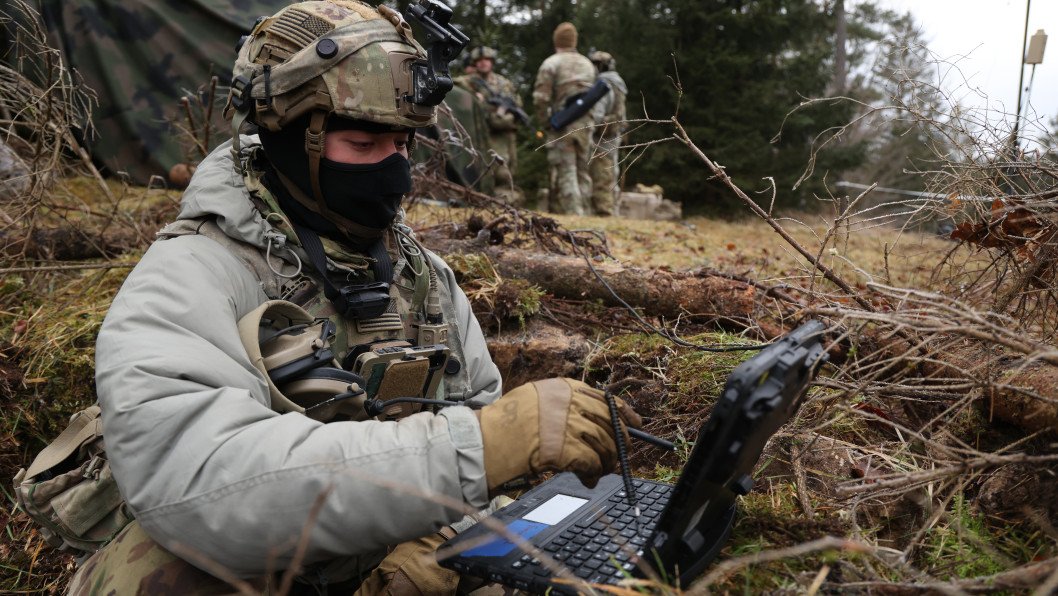
Ukraine is already closely integrated into informal coordination mechanisms that have developed since Trump’s return to the White House.
Politico notes that the Coalition of the Willing supporting Ukraine has effectively been operating without the United States for more than a year.
National security advisers from around 35 countries are in constant contact, while leaders including Keir Starmer, Emmanuel Macron, Friedrich Merz, European Commission President Ursula von der Leyen and Finnish President Alexander Stubb regularly coordinate directly, often via private messaging groups.
The same informal network includes Ukrainian President Volodymyr Zelenskyy, reinforcing Kyiv’s centrality to European security planning. Some officials argue that incorporating Ukraine’s military capabilities alongside those of France, Germany, Poland and the UK could form the backbone of a powerful new security arrangement, encompassing both nuclear and non-nuclear states.
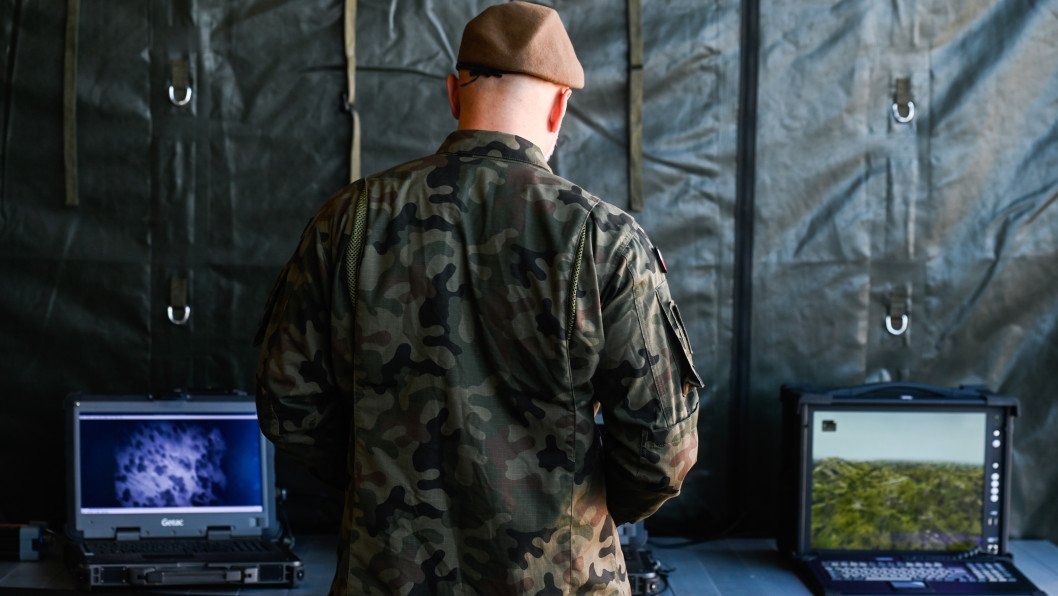
While many European governments still hope to preserve NATO, Politico reports that momentum is building for contingency planning beyond the alliance. Recent proposals in Brussels include ideas for a standing EU force, a smaller European Security Council, and a broader European Security Strategy aimed at ensuring the continent can defend itself by 2030.
EU leaders are expected to address these questions urgently in the coming days, as concerns grow that Trump’s approach to alliances represents a permanent shift rather than a temporary disruption.
Previously, it was reported that European Union Defense Commissioner Andrius Kubilius has called on the European Union to consider creating a standing European military force of up to 100,000 troops and to overhaul how defense decisions are made.
Discuss this article: