- Category
- Latest news
EU Moves to Define Mutual Defense Rules Amid Doubts Over US NATO Role
 Prefer U24 Media on Google
- Authors

-72b63a4e0c8c475ad81fe3eed3f63729.jpeg "Photo of Cyril Barabaltchouk")
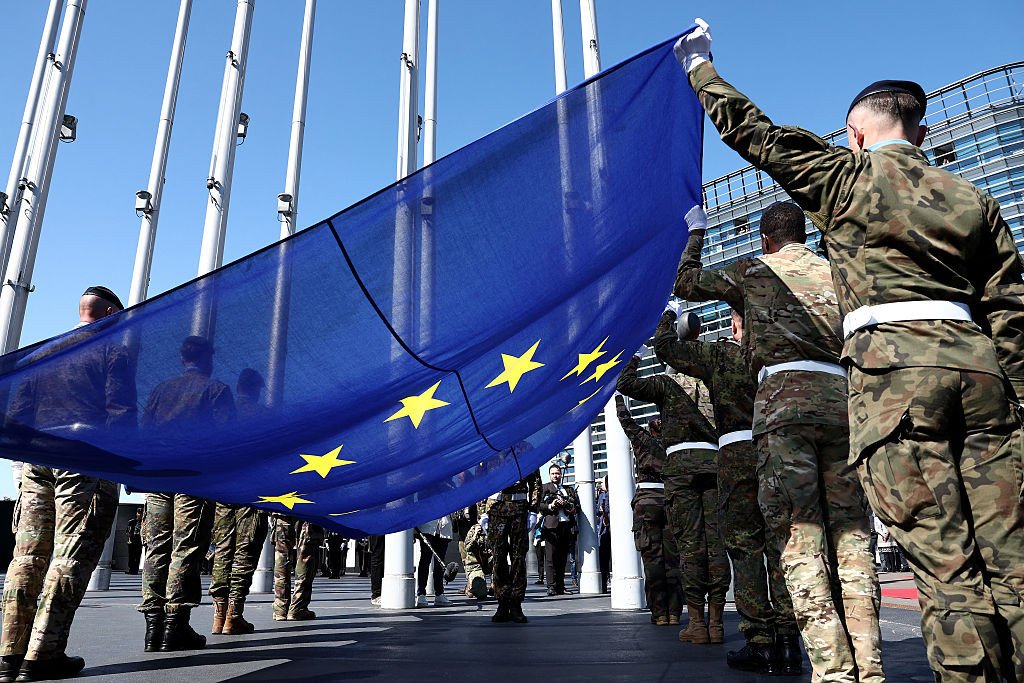
European Union leaders have asked officials to prepare a blueprint outlining how the bloc’s mutual assistance clause would work amid growing doubts over the US commitment to NATO, Reuters reported on April 24.
The urgency to define the EU’s Article 42.7 provisions stems from US President Donald Trump’s heavy criticism of NATO allies over the Iran war. He also recently threatened to seize Greenland from NATO member Denmark. Cyprus President Nikos Christodoulides announced that leaders agreed at an April 23 summit to detail exactly how the bloc would respond if a member state triggers the pact.
We bring you stories from the ground. Your support keeps our team in the field.
Unlike NATO's Article 5 collective defense treaty, the EU’s mutual assistance clause currently lacks detailed operational plans or military structures. It has only been activated once, by France following the 2015 Paris terrorist attacks, according to Reuters.
Cyprus is particularly invested in firming up the pact after a drone struck a British air base on the island last month during the war with Iran. However, some member states remain cautious. Lithuanian President Gitanas Nauseda stressed that NATO's Article 5 must remain the absolute bedrock of Europe’s collective defense, wary of any moves that signal a pivot away from the military alliance.
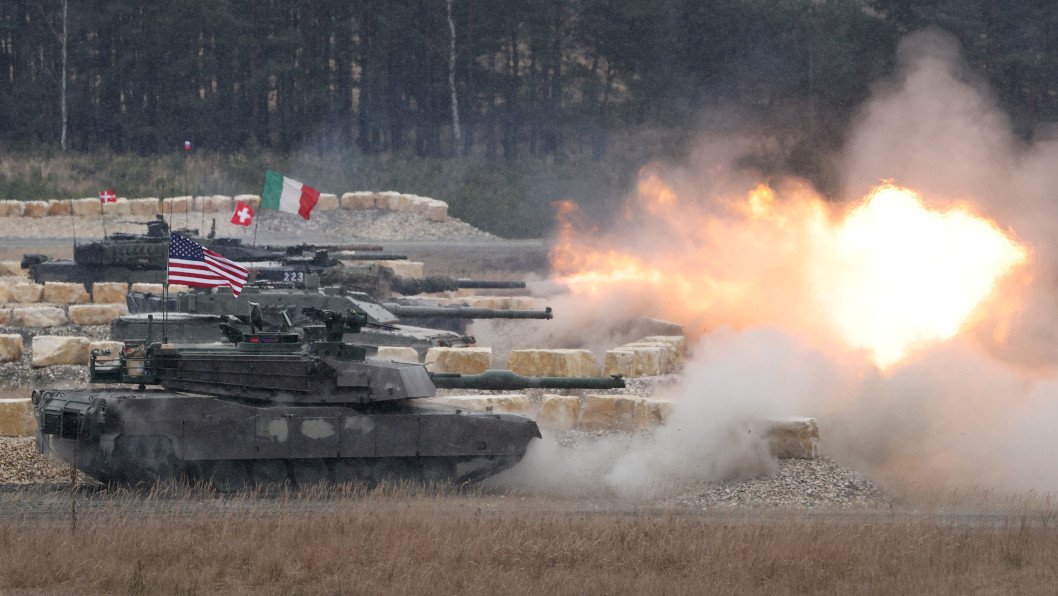
EU foreign policy chief Kaja Kallas briefed leaders on the ongoing work to flesh out the clause. Reuters reported that her team is drawing up blueprints for various scenarios, including conventional military attacks, hybrid warfare, and situations where both the EU and NATO mutual defense clauses are triggered simultaneously.
The urgency to formalize the EU’s mutual defense capabilities is being fueled by immediate security fears on the alliance’s eastern flank. Polish Prime Minister Donald Tusk recently warned that Russia could attack a NATO member within months, openly questioning whether the United States and the broader alliance are actually prepared to respond.
Tusk pointed to an incident last year where roughly 20 Russian drones entered Polish airspace, noting that some NATO allies downplayed it as a random event rather than a deliberate provocation. Tusk urged European nations to develop real military instruments and transform the EU into a capable, independent security actor rather than relying strictly on paper commitments.
Discuss this article: