- Category
- Latest news
Europe’s Tank Race Is Back—And NATO’s Eastern Flank Is Getting Much Harder for Russia
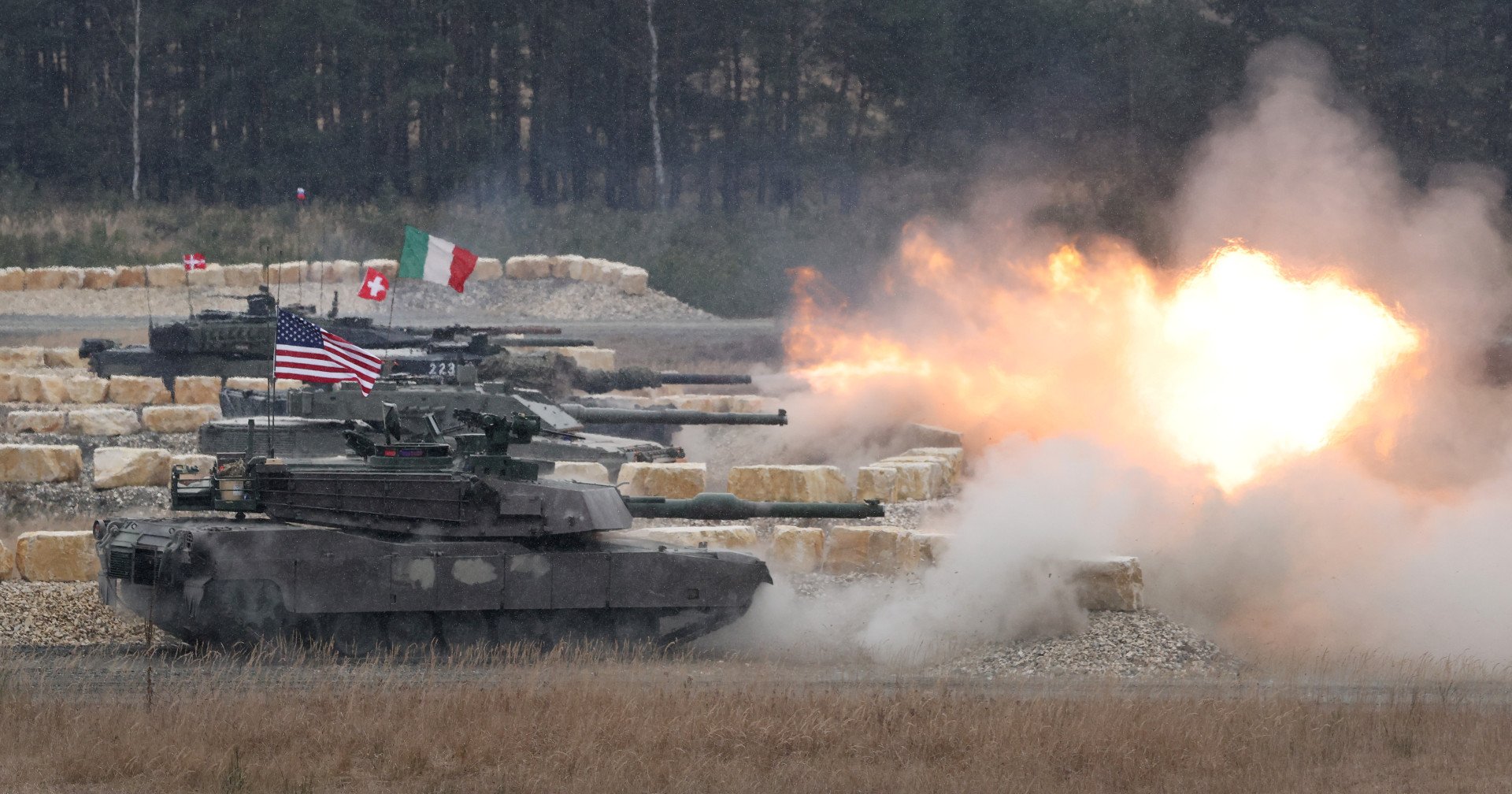
Europe’s tank balance is shifting fast, and the change matters far beyond spreadsheets. While Türkiye still fields the largest tank fleet in Europe by raw numbers, Army Recognition argues that Poland is becoming the continent’s most operationally dangerous armored power—not because it has the most tanks today, but because it is assembling the most modern, scalable, and NATO-integrated force on Europe’s eastern flank.
 Prefer U24 Media on Google
- Authors


Europe’s armored landscape in 2026 is moving away from Cold War-style mass and toward smaller but more combat-ready forces built around newer platforms, digital integration, and deployability, according to Army Recognition on April 12.
We bring you stories from the ground. Your support keeps our team in the field.
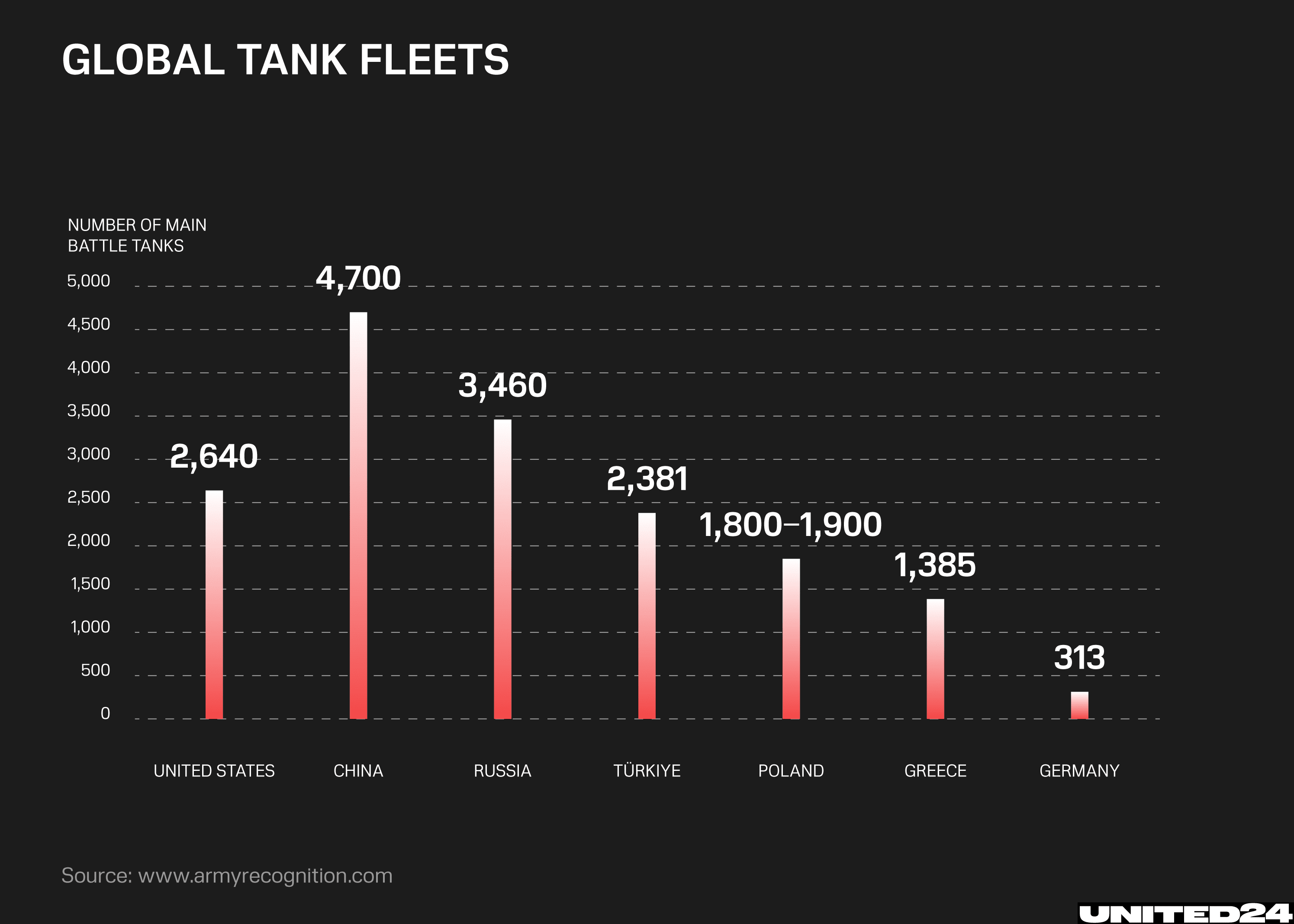
By total fleet size, Türkiye remains first with 2,381 tanks, followed by Greece with 1,385, while Poland currently fields about 897. But Army Recognition’s core point is that the real balance is changing beneath those numbers.
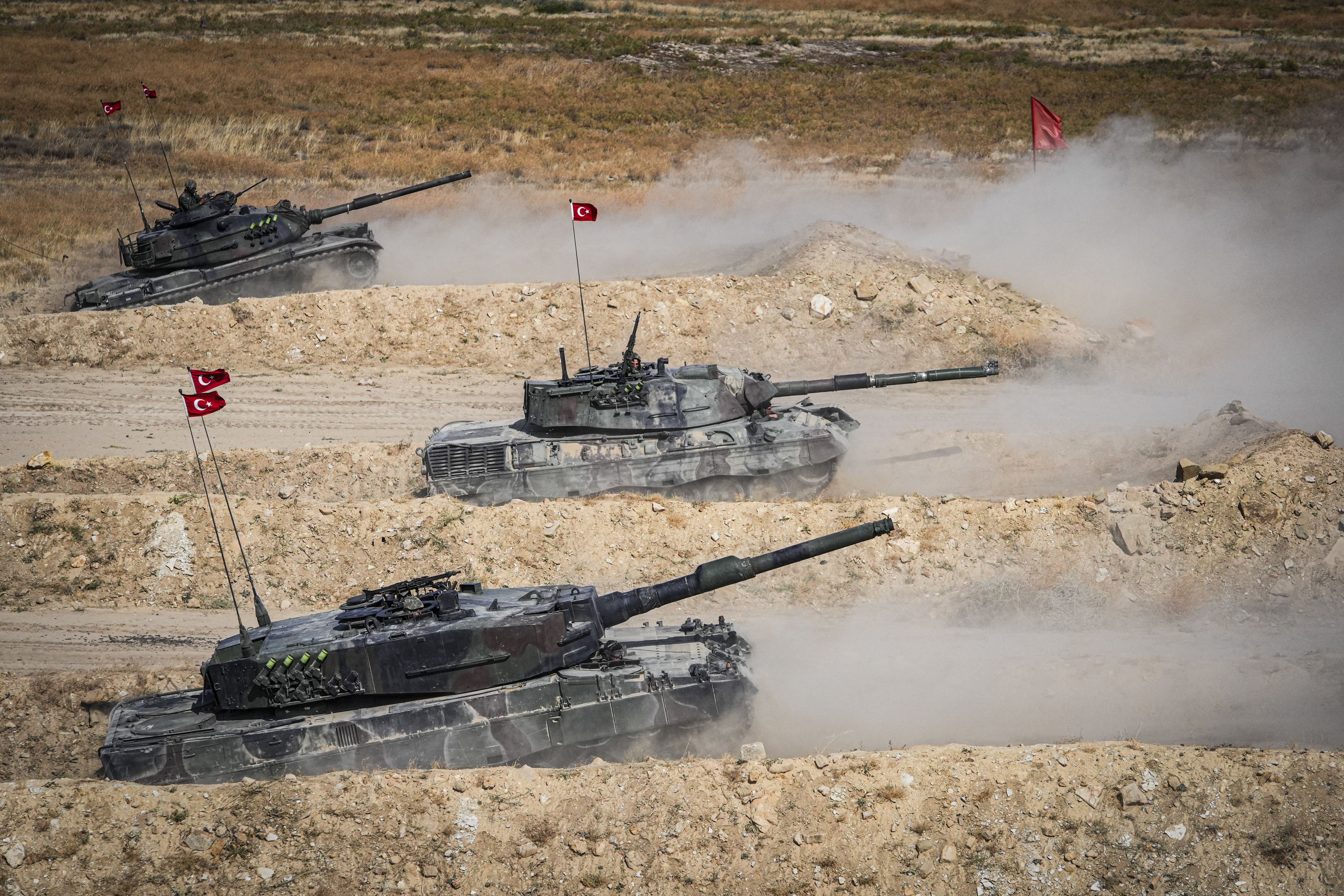
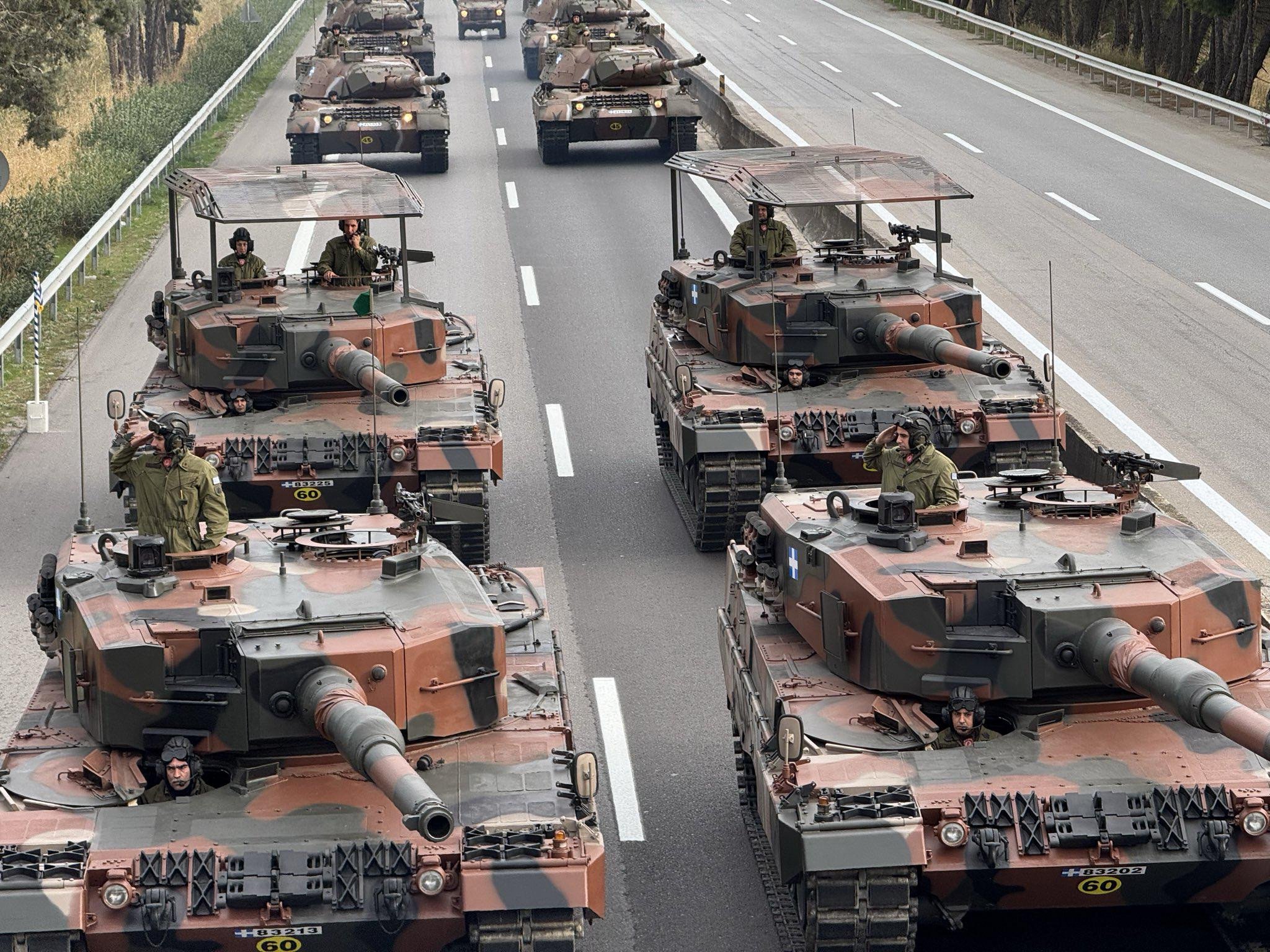
That matters because not all tank fleets carry the same military value. Türkiye’s large inventory still relies heavily on older M48 and M60 variants, while Greece continues to field a sizable number of Leopard 1 tanks alongside more advanced Leopard 2 models.
Poland, by contrast, is building around newer or upgraded main battle tanks that are far better suited for high-intensity NATO warfare against a peer adversary.
As Army Recognition frames it, Europe’s future tank power is being defined less by inventory totals and more by what proportion of those fleets can actually survive, fight, and integrate in a modern battlespace.
NATO’s core tank powers
Germany fields around 313 Leopard 2 tanks, including 104 of the latest 2A7V variant and another 209 in 2A5 and 2A6 configurations.
These are among the most advanced main battle tanks in Europe, offering high-end protection, modern optics, and fully digital battlefield integration, though their relatively small numbers limit large-scale deployment potential.
Leopard 2/A7
— Military events (@JABHA_Uk) June 29, 2025
Made in Germany pic.twitter.com/Bdj7RoUA62
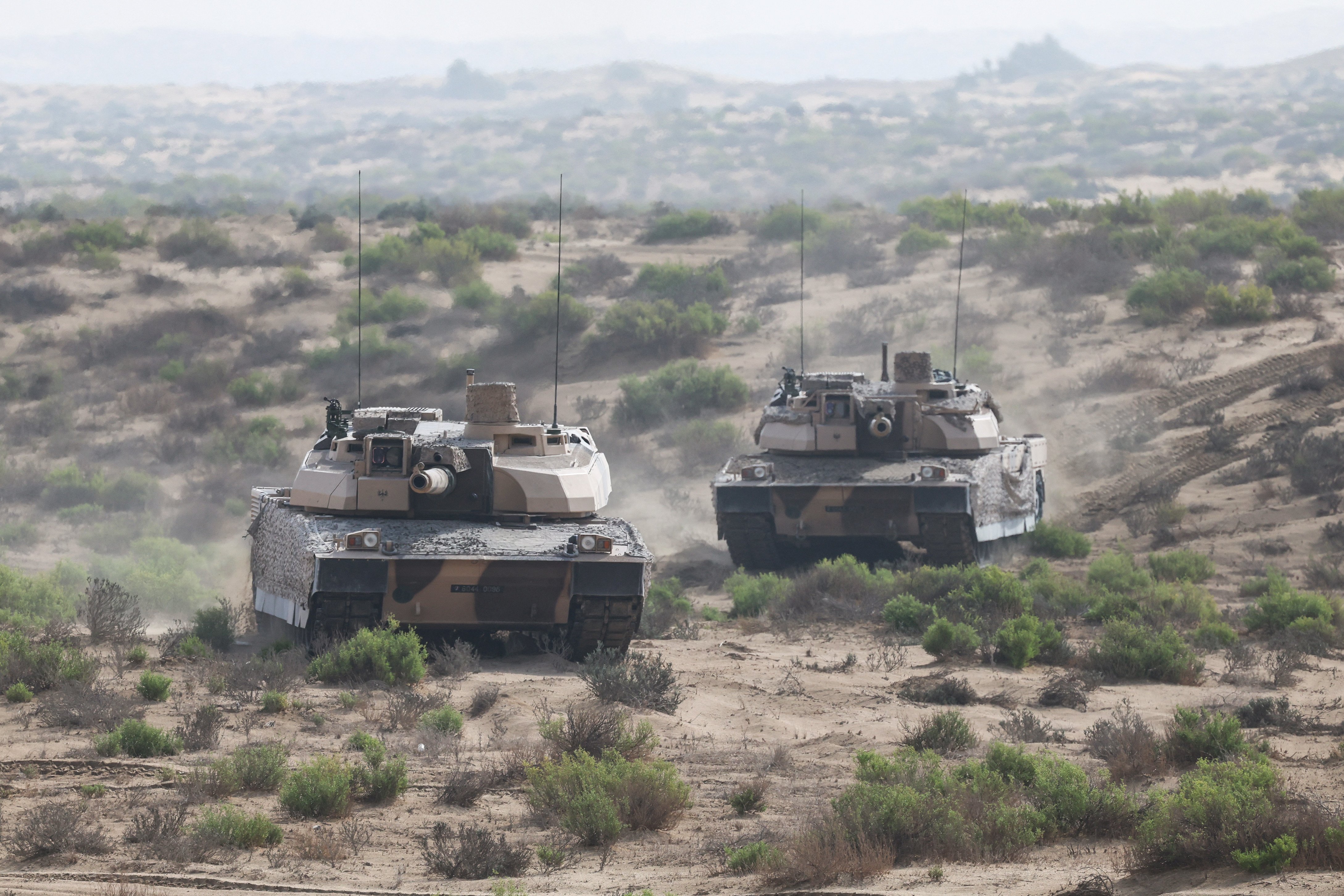
France maintains a fleet of 200 Leclerc tanks, including 51 upgraded to the XLR standard. The platform emphasizes automation, mobility, and networked warfare capabilities.
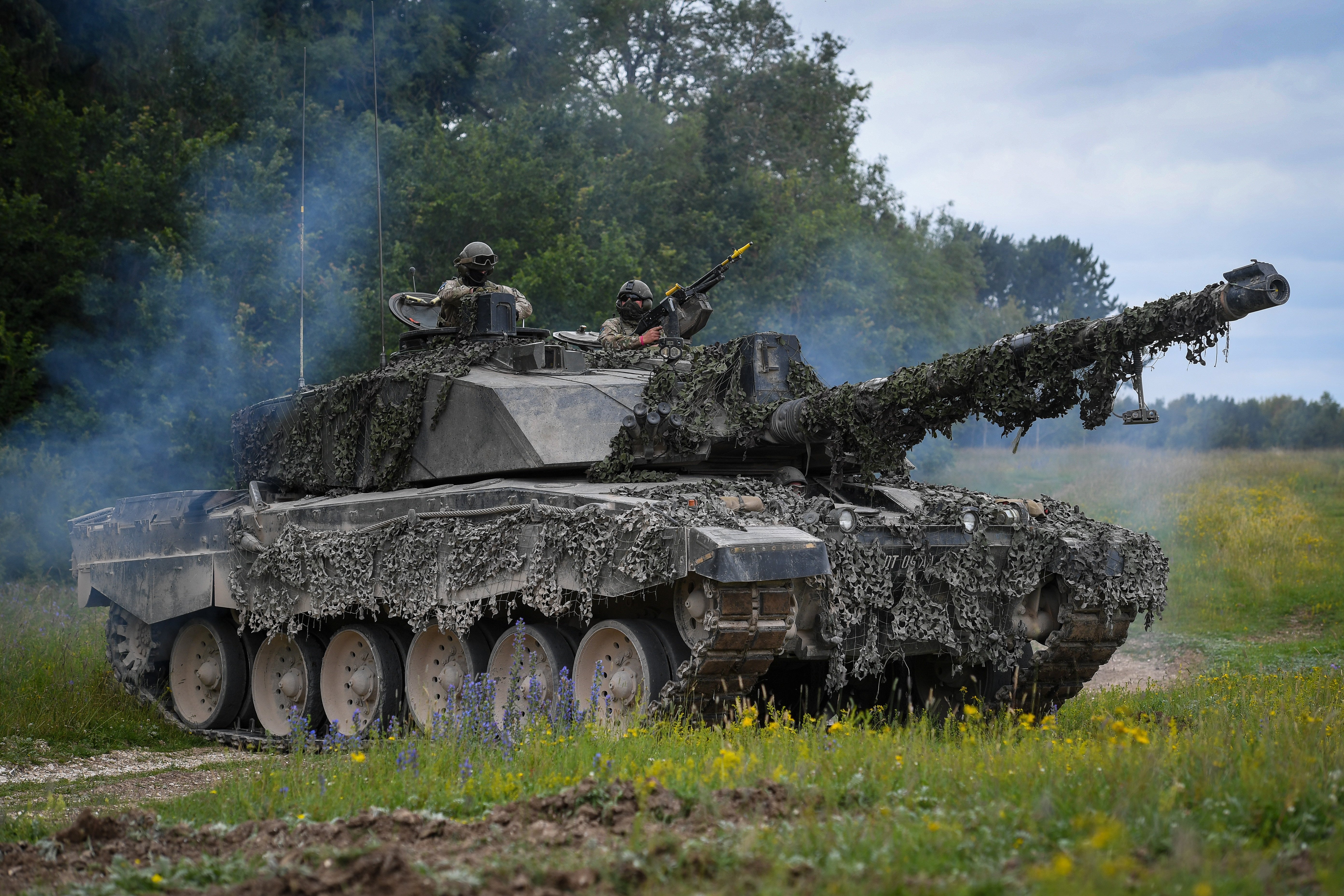
The United Kingdom, meanwhile, operates 213 Challenger 2 tanks and is moving toward the Challenger 3 standard, which introduces a new main gun, upgraded armor, and modern sensor suites aimed at restoring top-tier combat performance.
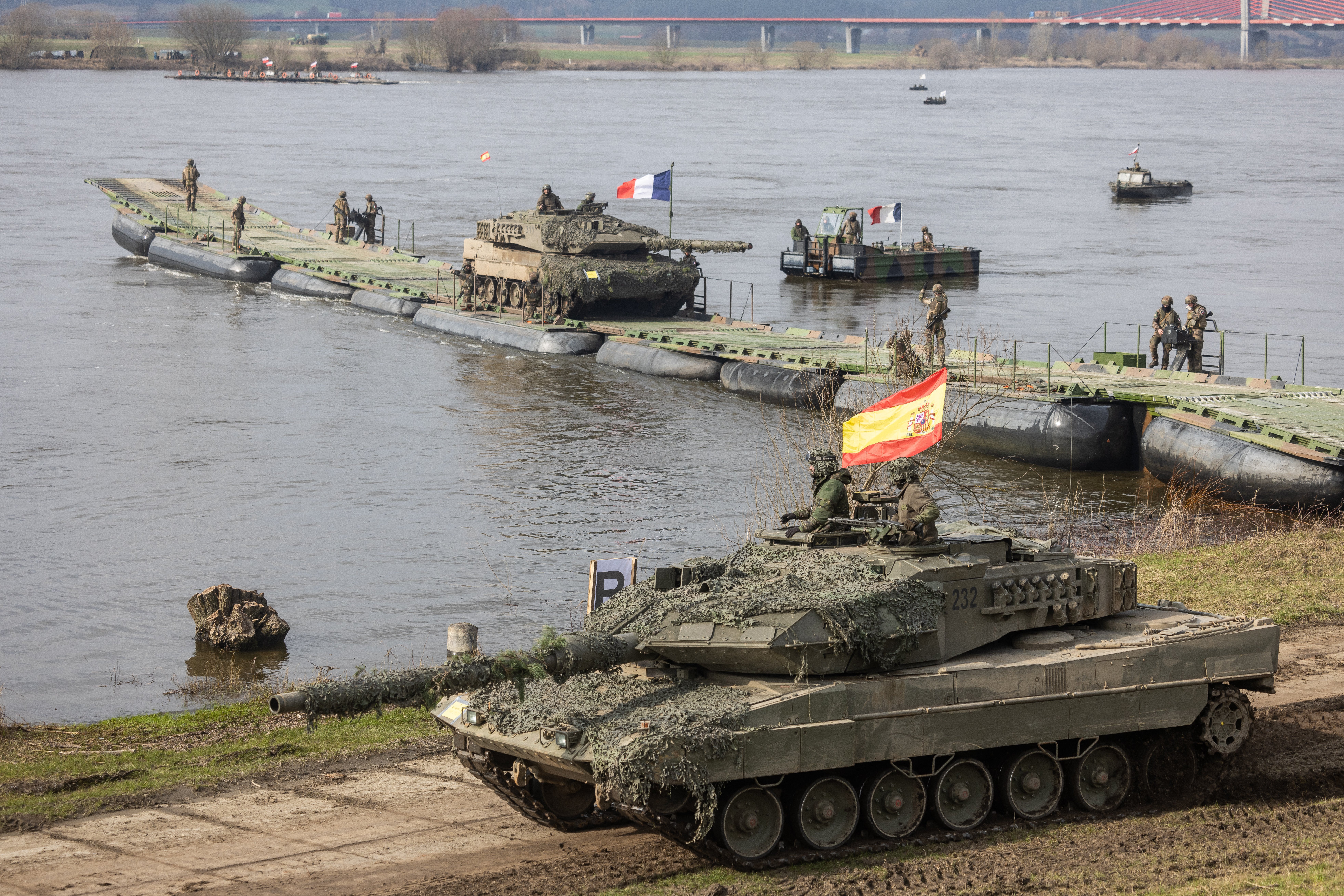
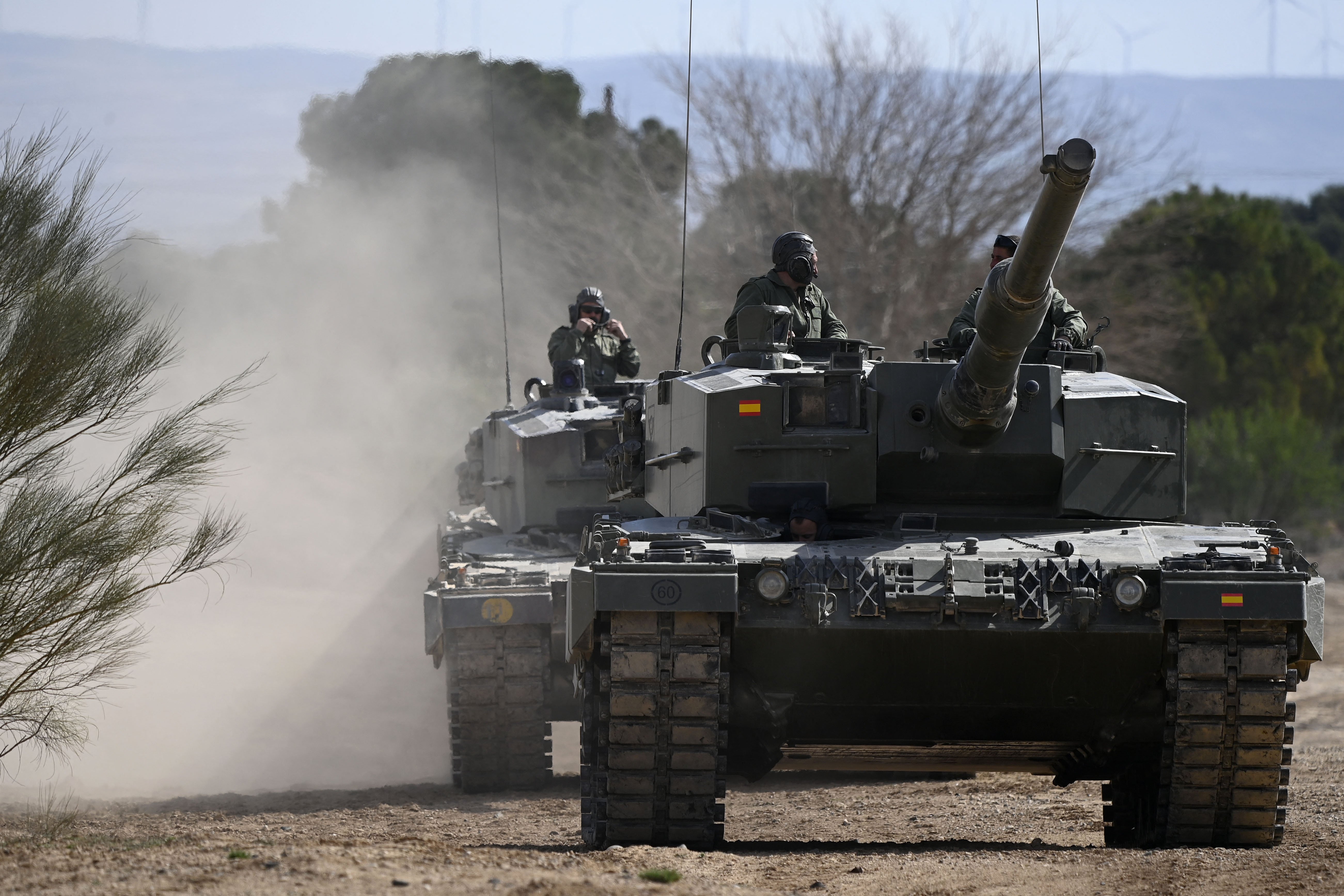
Spain fields 274 tanks, including 219 Leopard 2E models and 55 Leopard 2A4s, forming one of Europe’s more balanced and modern armored forces.
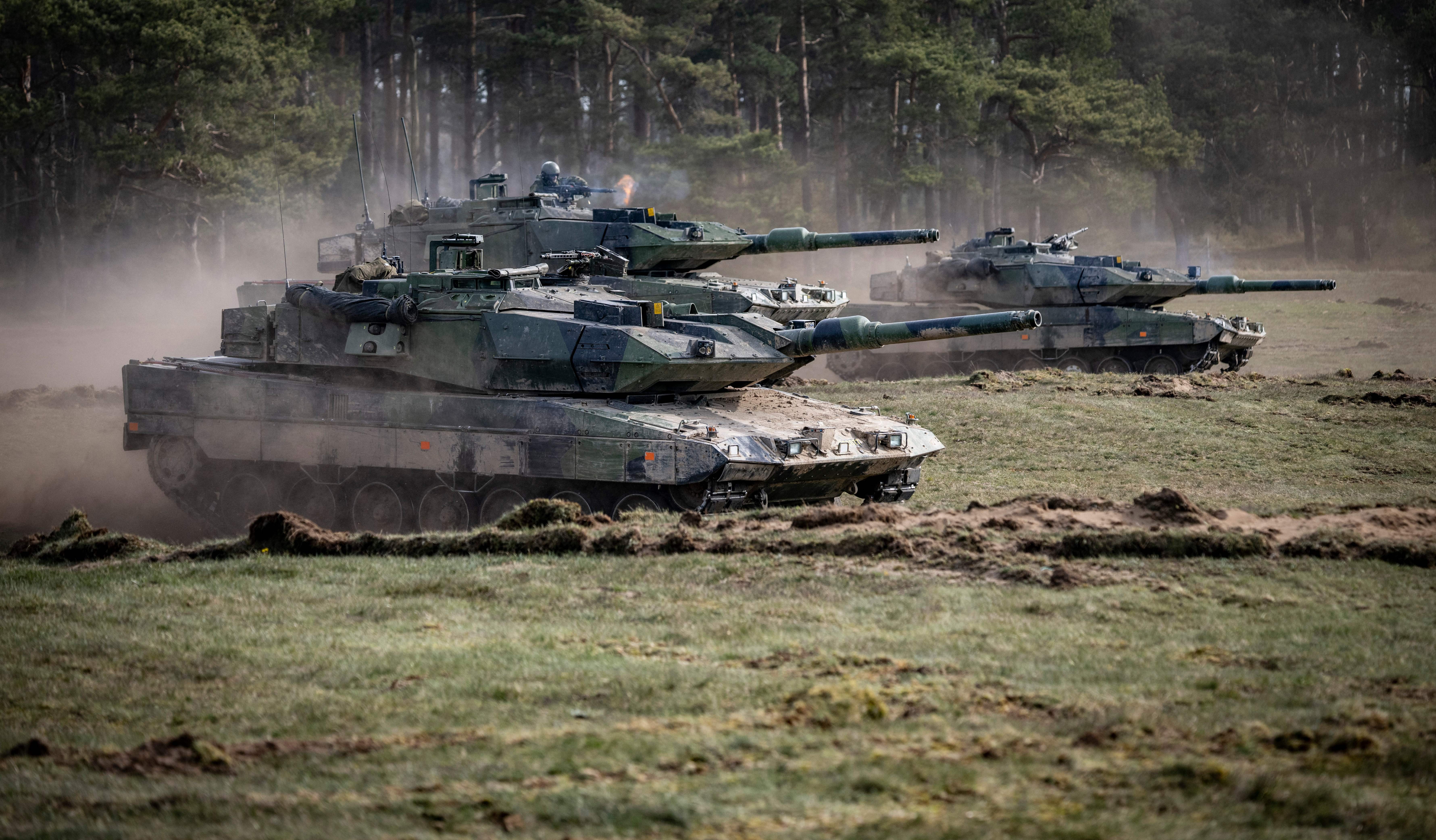
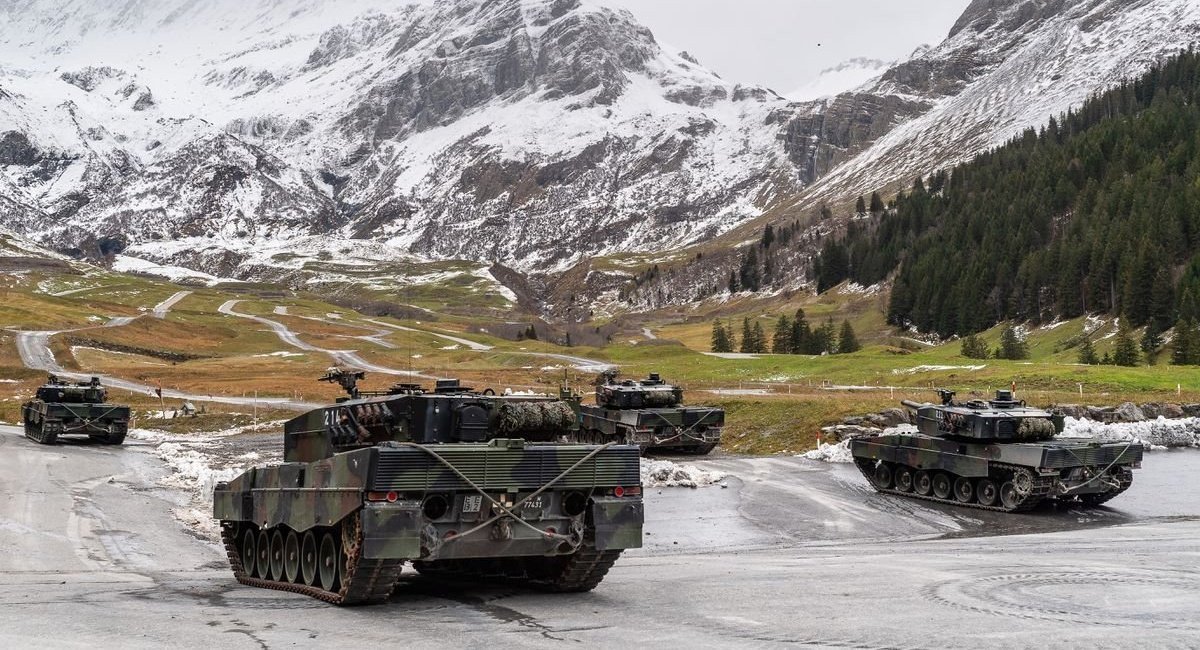
Sweden operates 110 Strv 122 tanks, widely regarded as one of the most advanced Leopard 2 variants in service, while Switzerland maintains 134 Leopard 2 tanks adapted to national requirements.
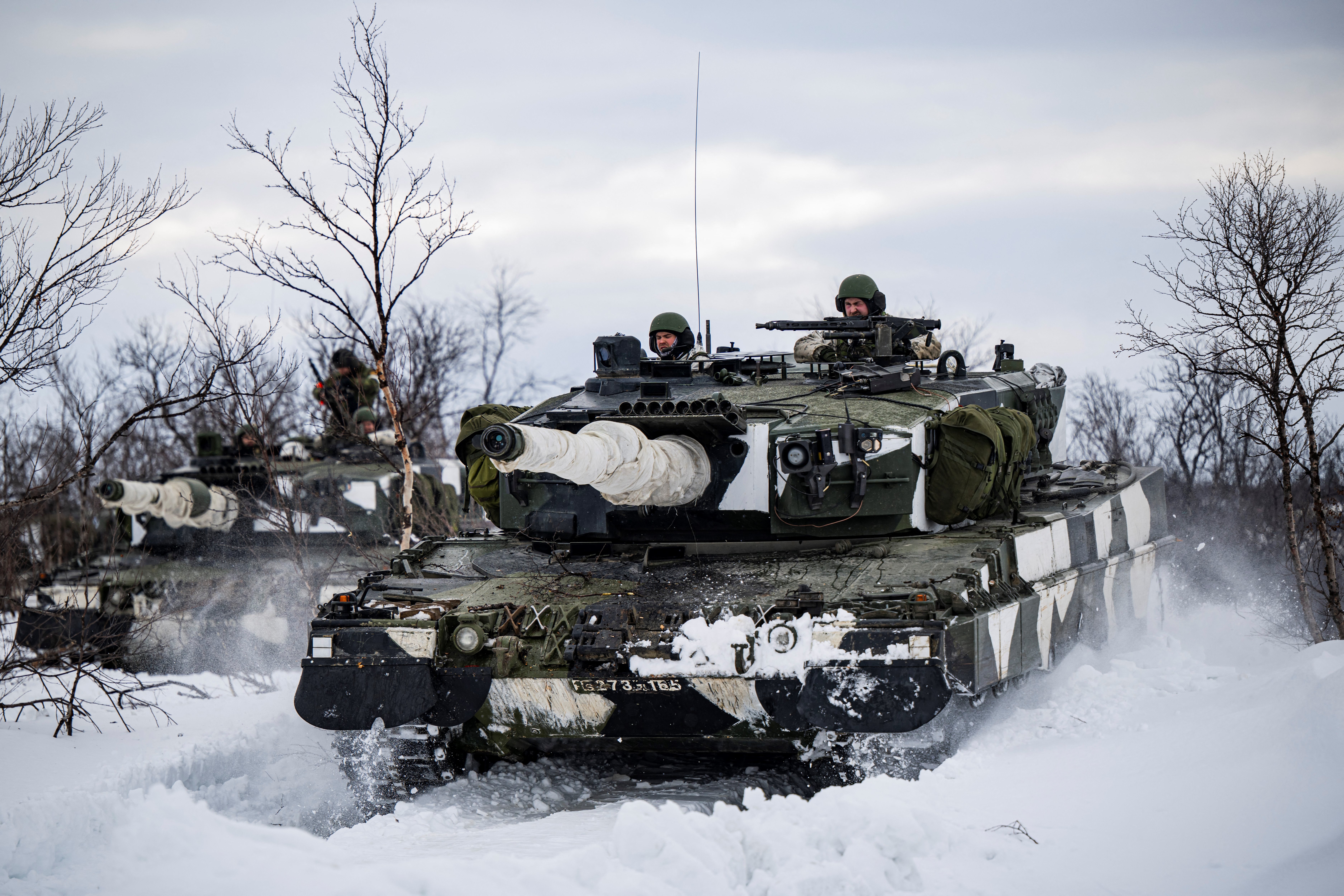
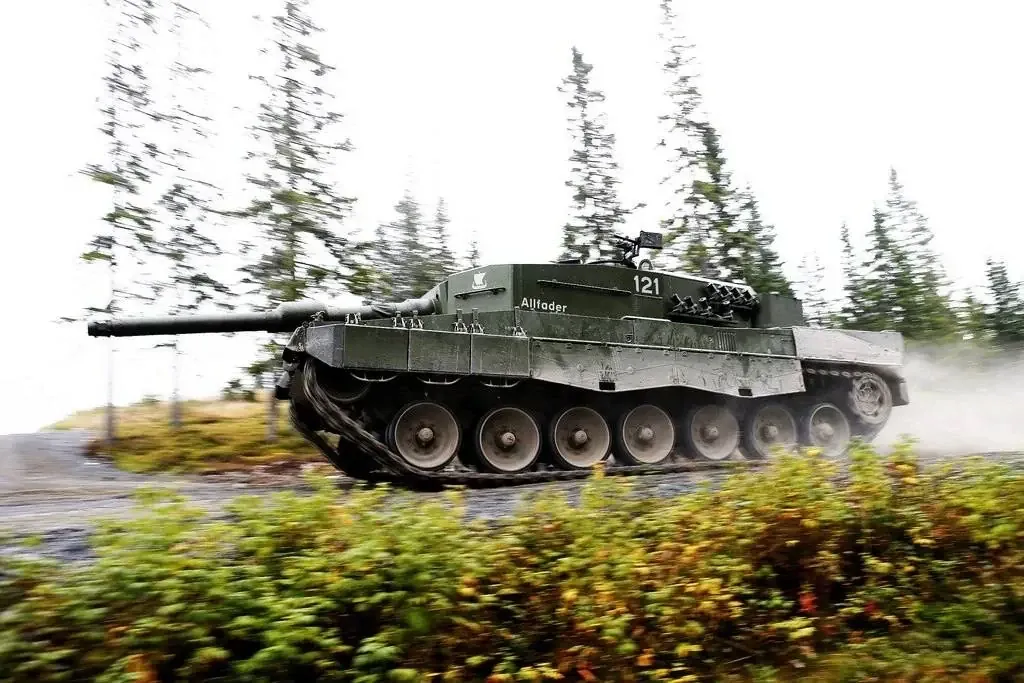
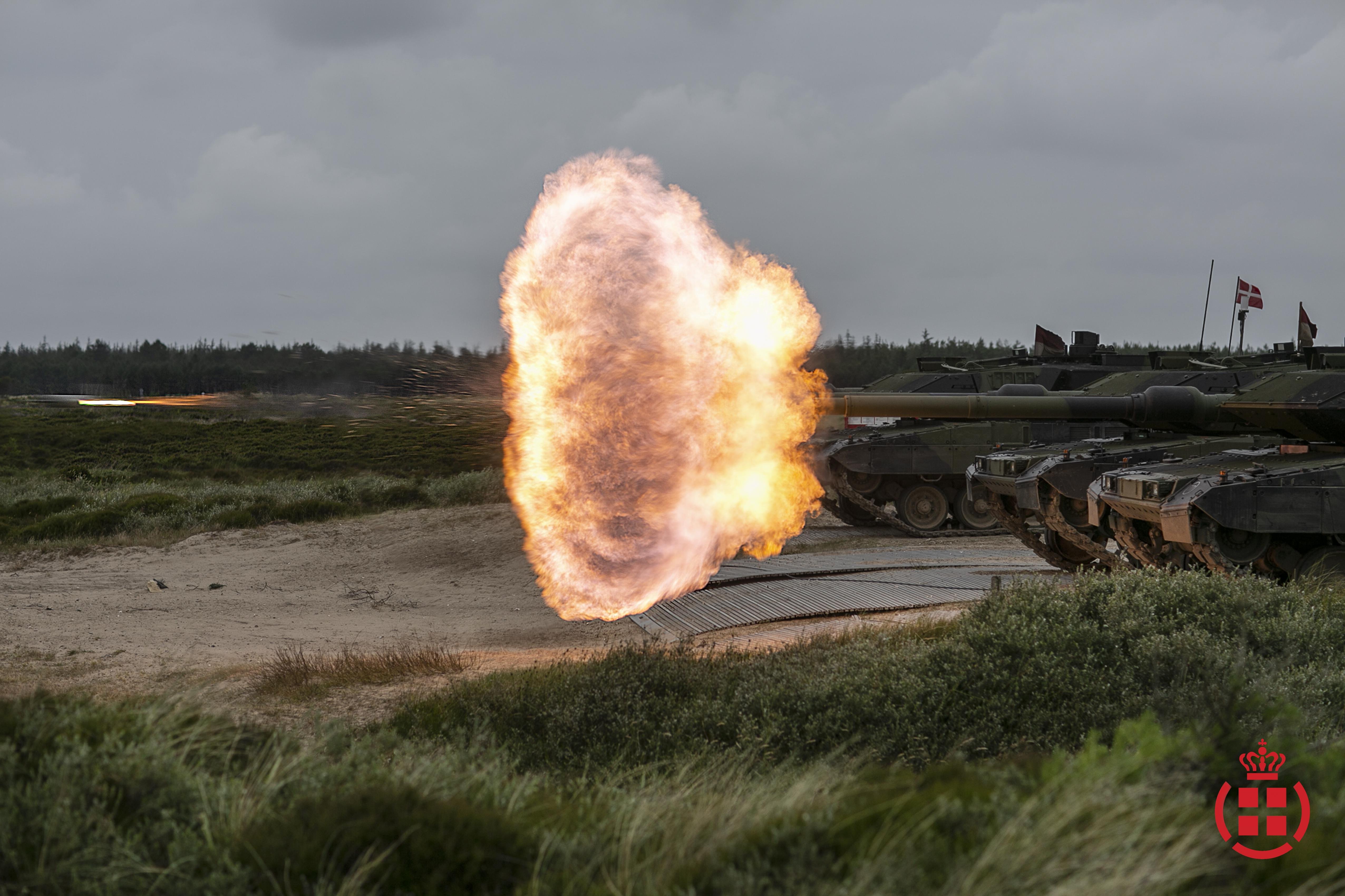
In Northern Europe, Finland fields 200 Leopard 2 tanks split between 2A4 and 2A6 variants. Denmark operates 44 Leopard 2A7V tanks, while Norway maintains 36 Leopard 2A4s with additional units in storage.
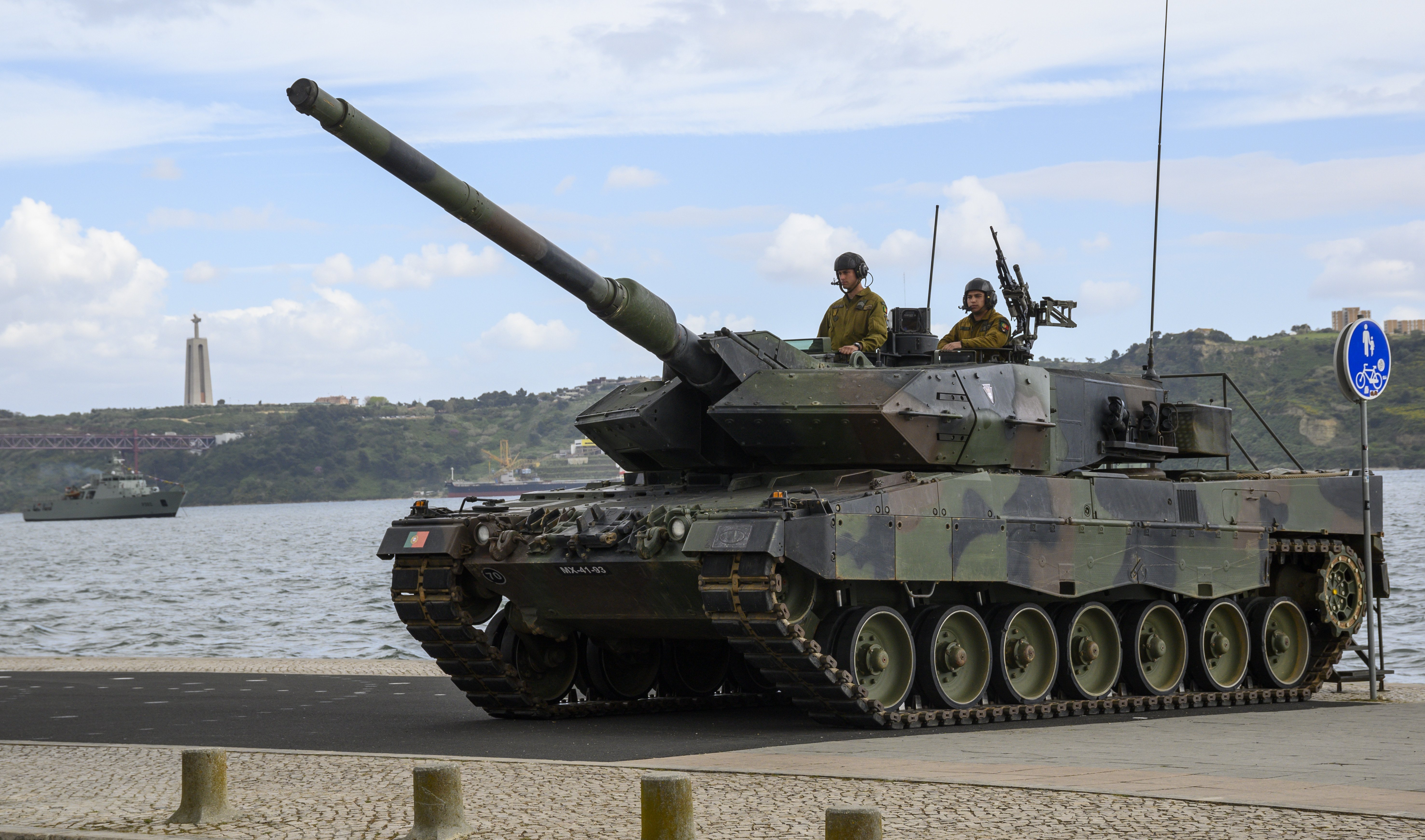
Portugal fields 34 Leopard 2A6 tanks, and Austria operates 53 Leopard 2A4s, representing smaller but highly capable NATO-aligned forces.
Central Europe is undergoing a steady transition away from Soviet-era platforms. Hungary fields 110 tanks, including Leopard 2A7HU and 2A4HU variants alongside older T-72s.
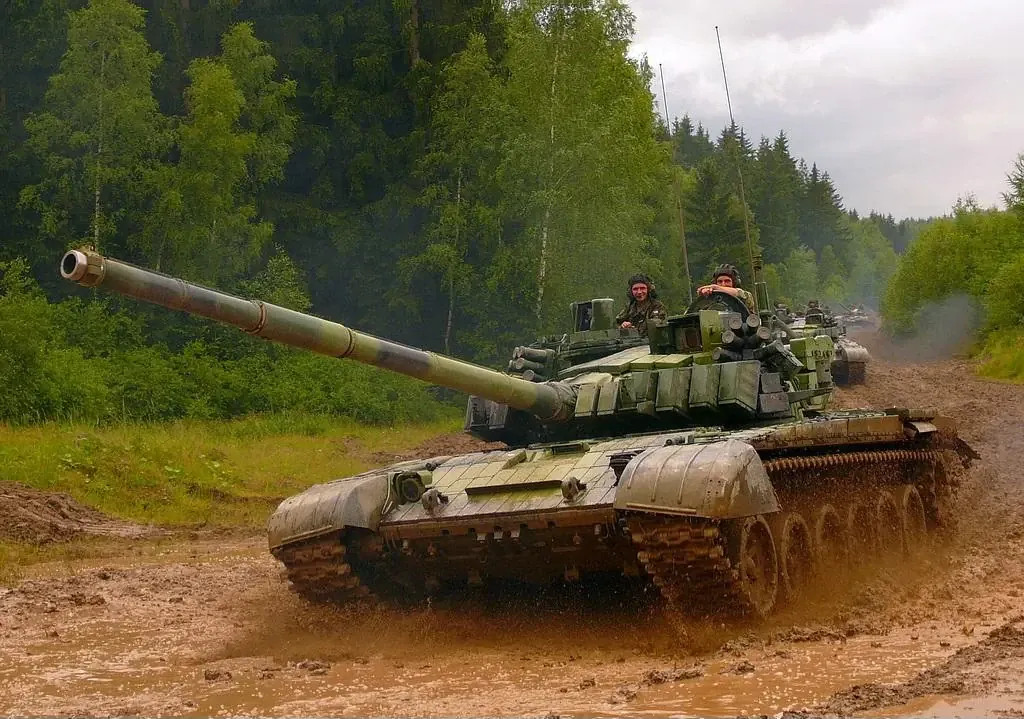
Czechia operates 58 tanks, combining Leopard 2A4s with upgraded T-72M4CZ models, while Slovakia maintains a smaller mixed fleet of Leopard 2A4 and T-72 tanks.
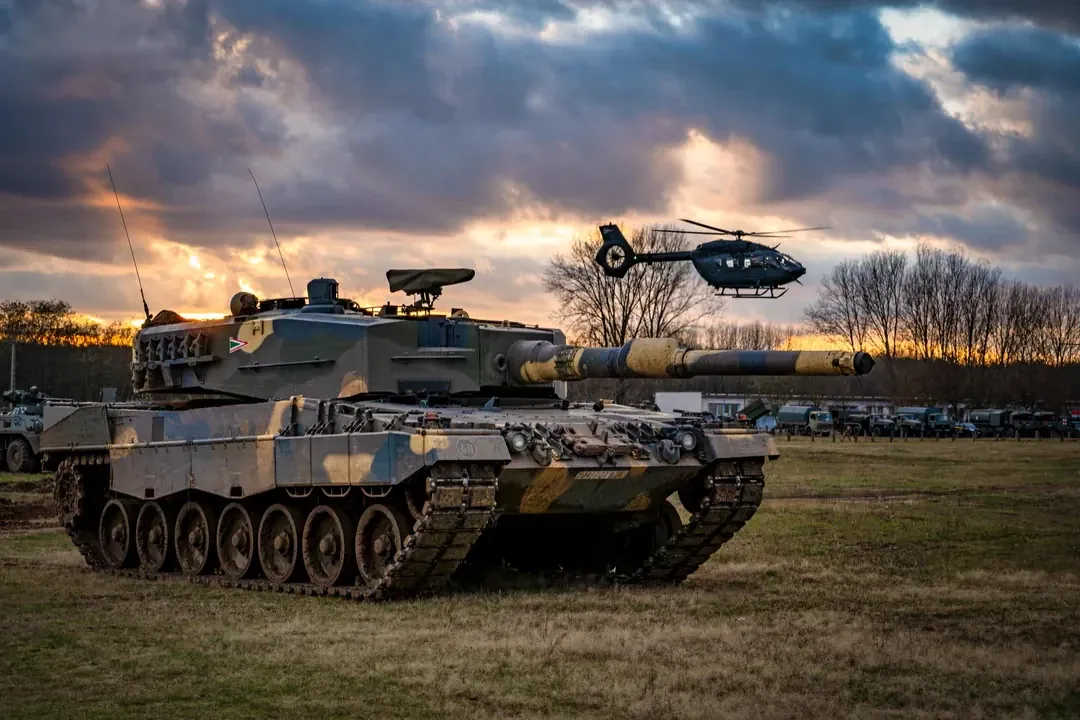
Further south and east, many fleets remain heavily reliant on legacy systems. Romania operates 377 tanks, including 220 T-55AM, 103 TR-85, and 54 TR-85M1.
Bulgaria continues to field 90 T-72 variants, while Serbia maintains 229 tanks, including 195 M-84, 30 T-72MS, and a small batch of M-84AS1.
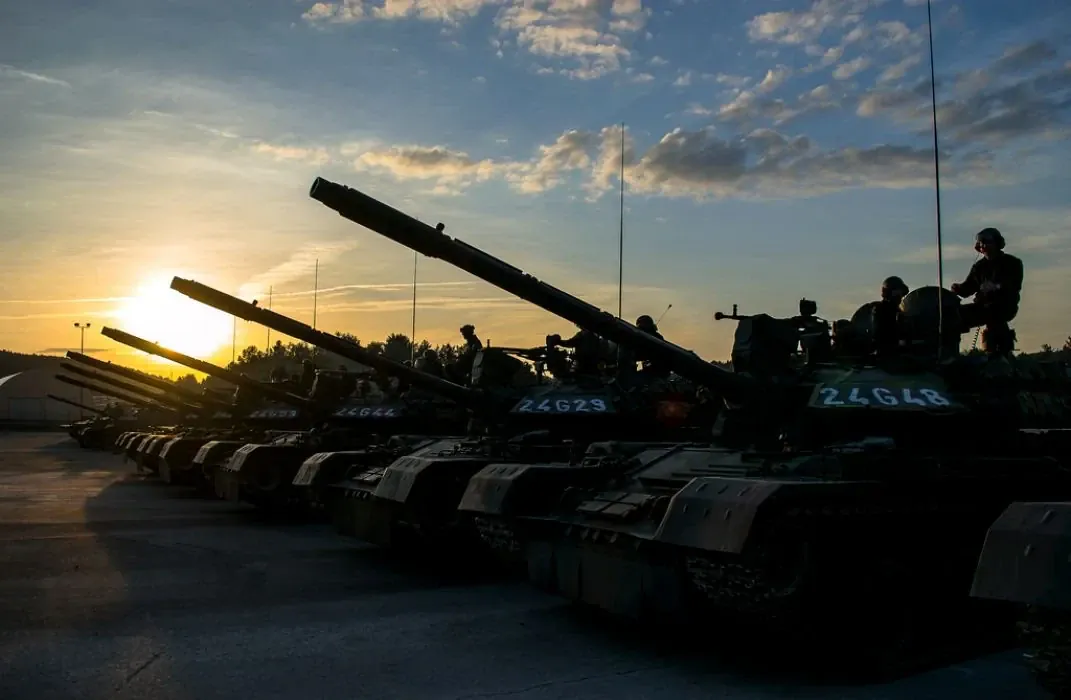
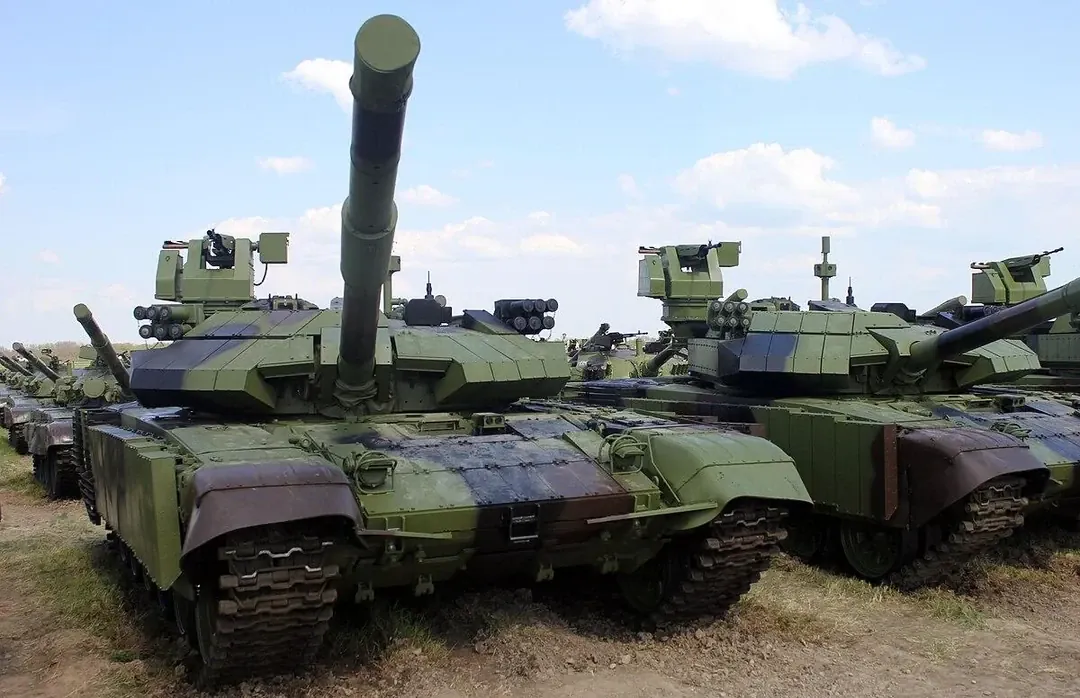
Slovenia operates 14 M-84 tanks, and Cyprus fields 82 T-80U and 52 AMX-30B2.
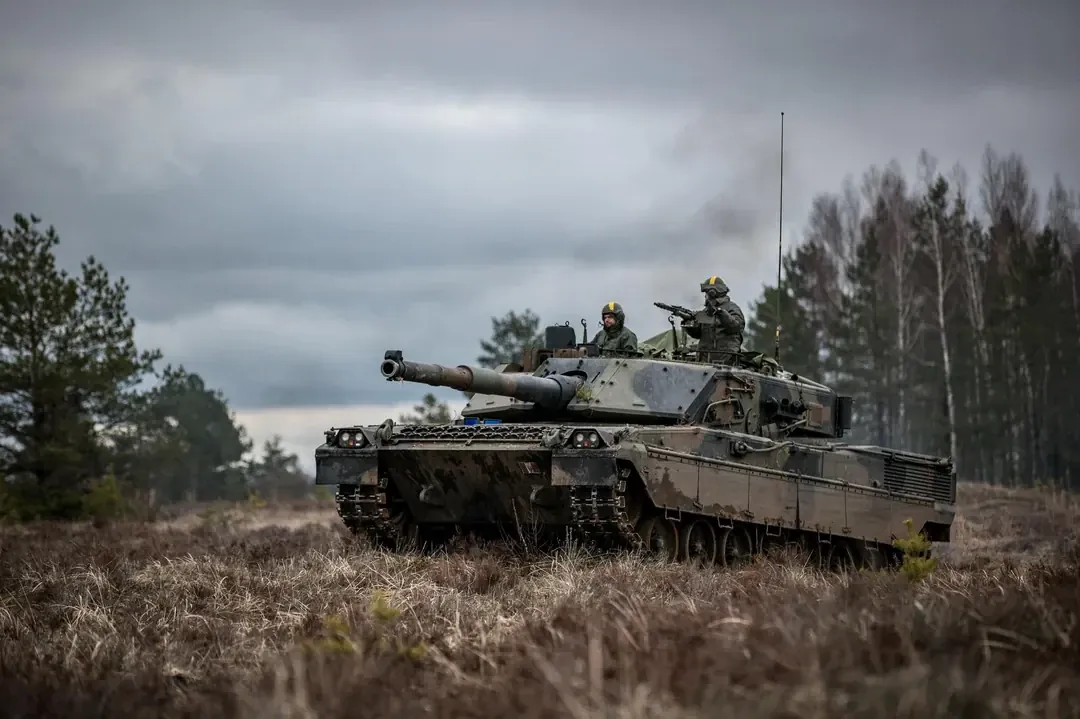
Italy fields around 150 C1 Ariete tanks, though modernization efforts remain ongoing. The Netherlands no longer maintains an independent tank fleet, instead contributing to a joint German-Dutch Leopard 2 unit—a model that reflects growing defense integration across NATO.
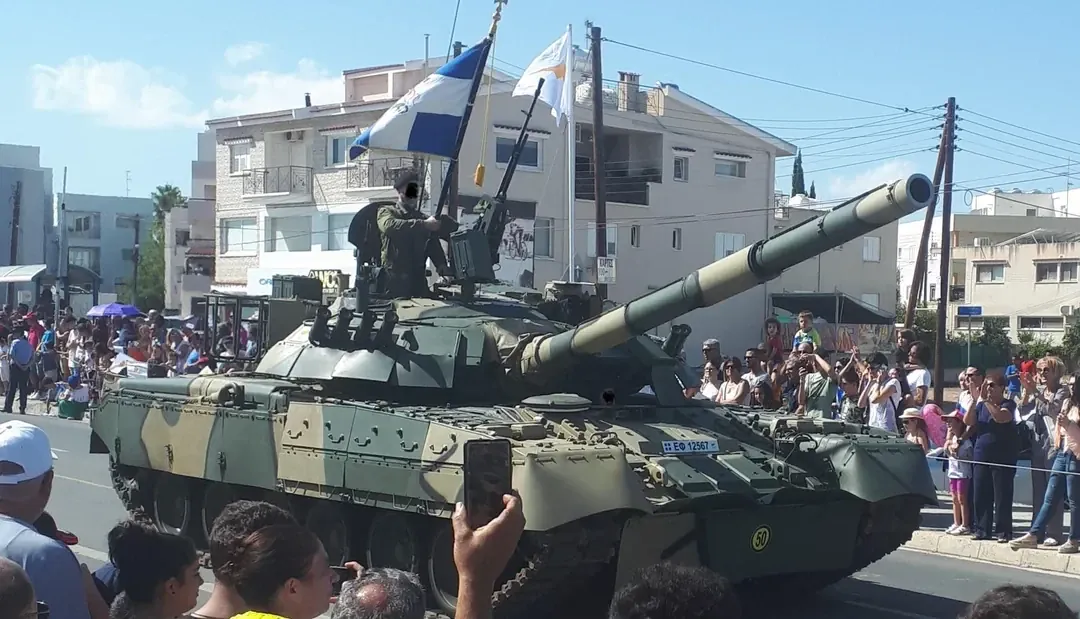
Poland becomes NATO’s armored spearhead in Europe
Army Recognition describes Poland as the most comprehensive armored modernization effort now underway in Europe.
Its current force includes 180 K2 Black Panthers from South Korea, 117 US-made M1A2, and 116 M1A1 Abrams tanks, 105 Leopard 2A5 and 97 Leopard 2PL, alongside a 205-tank fleet of older PT-91 with 46 aging T-72 models.
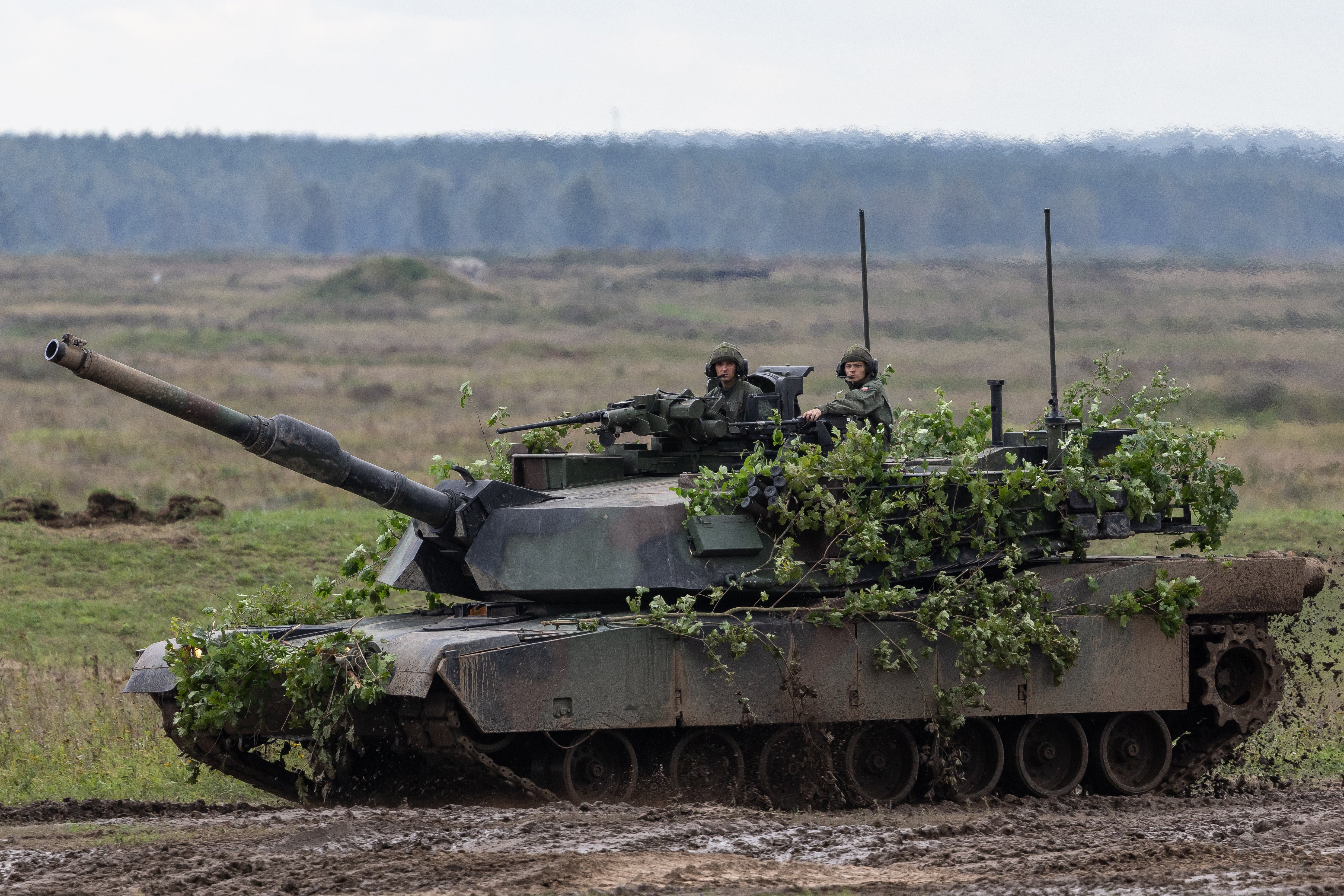
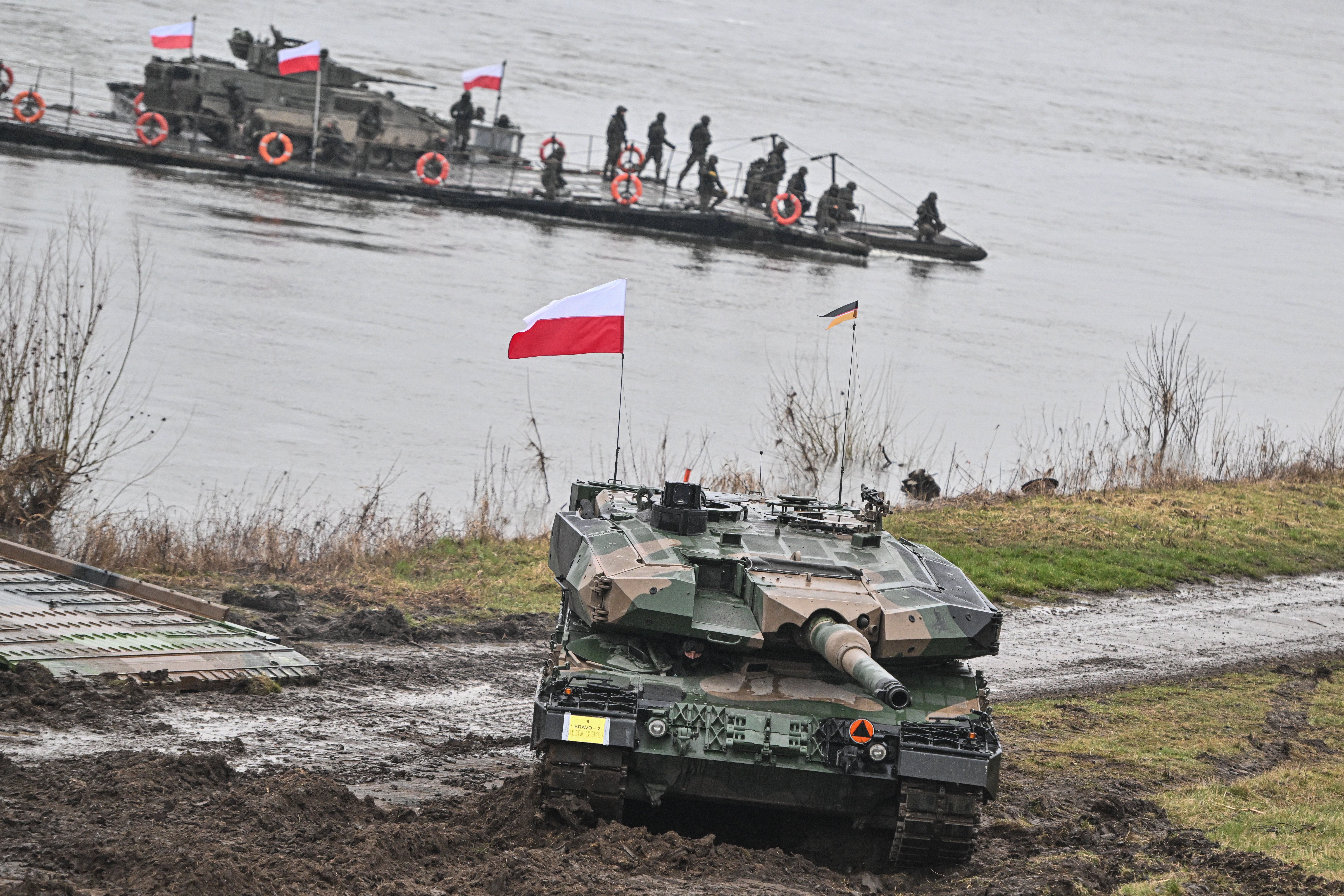
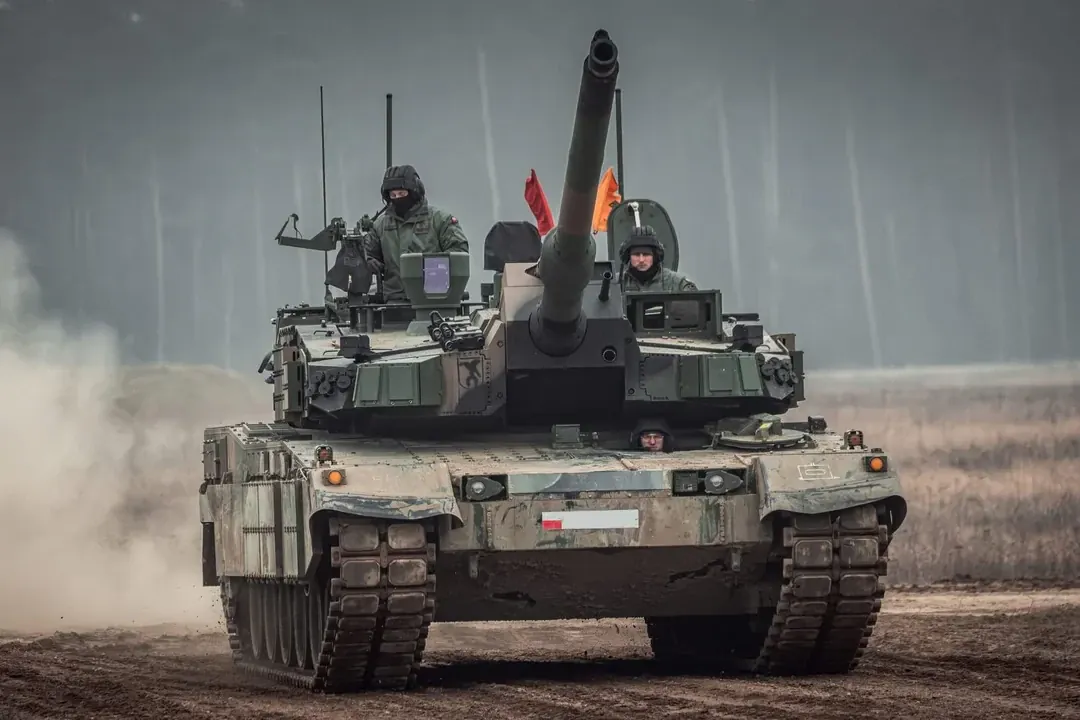
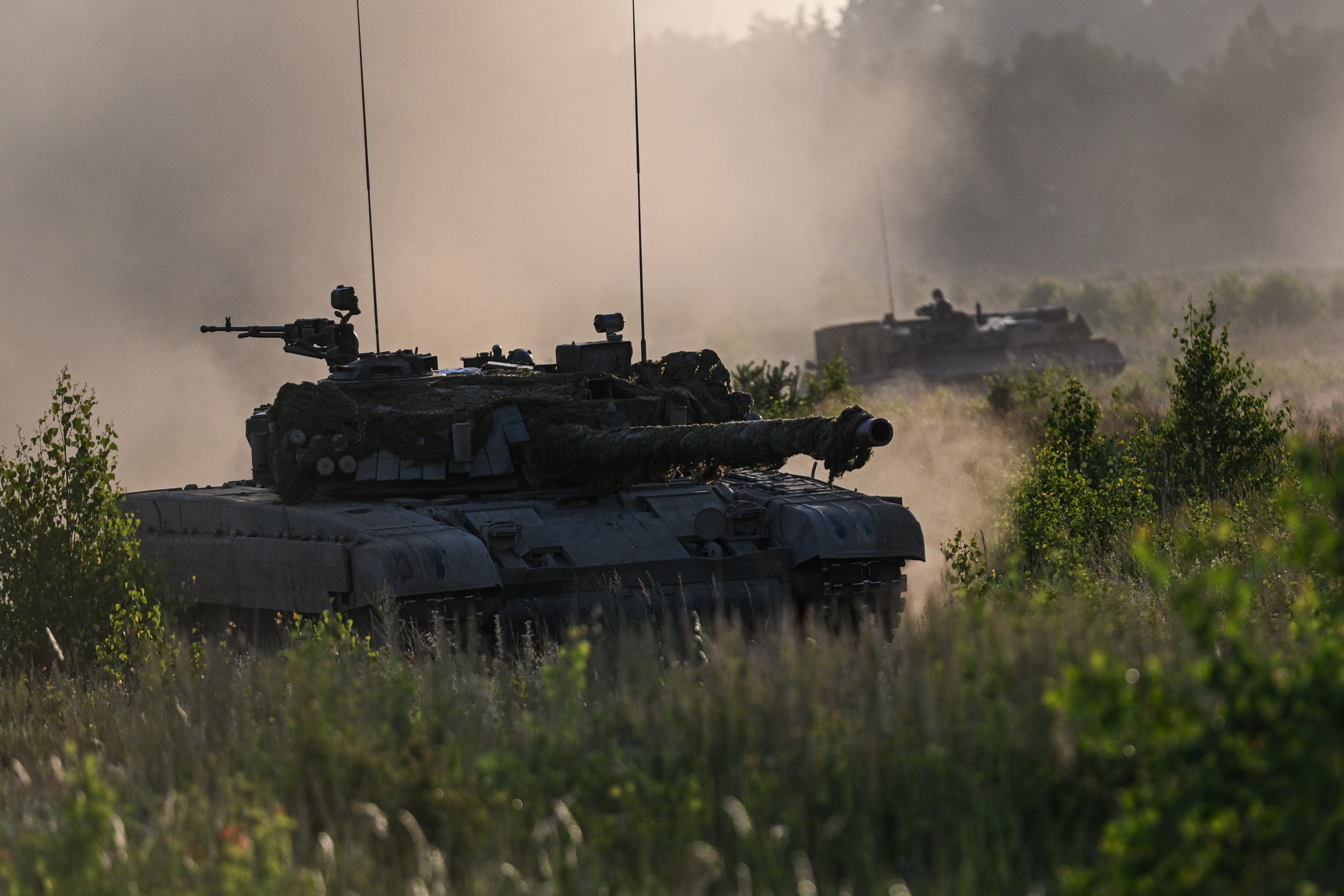
More important than today’s number is the trajectory: Poland is aiming for up to 1,000 K2 and K2PL tanks, which could eventually push its overall fleet to around 1,800 to 1,900 tanks.
If that expansion is completed, Army Recognition argues, Poland would not only overtake Greece by a wide margin but nearly match Türkiye in total numbers while fielding a much more modern force.
That would fundamentally reorder Europe’s armored hierarchy. Instead of a ranking dominated by legacy stockpiles, NATO’s eastern flank would be anchored by a country combining mass, modern armor, industrial backing, and full alliance interoperability.
For Russia, that is a much bigger problem than another European inventory chart.
⚡️The 🇵🇱Polish PT-91 Twardy tank is in service with the Armed Forces of 🇺🇦Ukraine somewhere in the territory of Ukraine pic.twitter.com/t9NuW9no9u
— 🪖MilitaryNewsUA🇺🇦 (@front_ukrainian) May 14, 2023
Russia still has scale, Europe is closing the quality gap
Army Recognition notes that Russia still fields a much larger tank force overall, with roughly 3,460 tanks in active service and more than 2,100 additional older vehicles in storage.
But that number comes with a major caveat: a large share of the fleet still consists of legacy designs or heavily modernized Soviet-era platforms, including T-55s, T-62s, older T-72 variants, and several T-80 families alongside the newer T-90M.
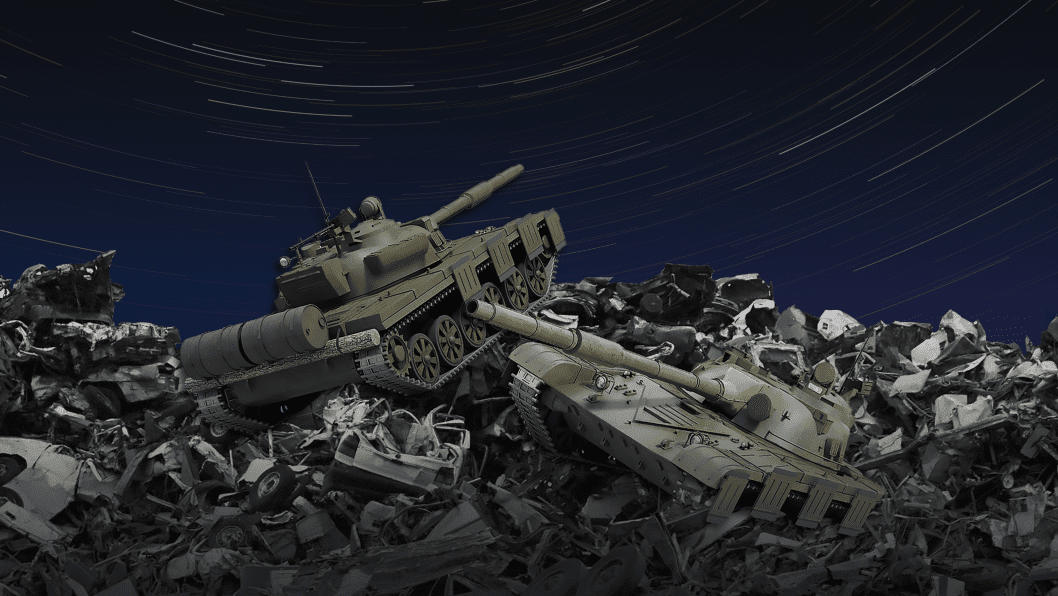
Moscow can still generate armored mass, but Europe—especially NATO members on the eastern flank—is moving toward a force structure with fewer weak links.
According to Army Recognition, Europe’s strength increasingly rests in Leopard 2s, Abrams, and K2s: platforms with stronger fire control, better survivability, more advanced thermal sights, and much deeper digital integration.
In other words, Russia may still have more steel on paper than most individual European states, but NATO is increasingly concentrating better tanks in the places that matter most.
Standardization is turning Europe into a harder target
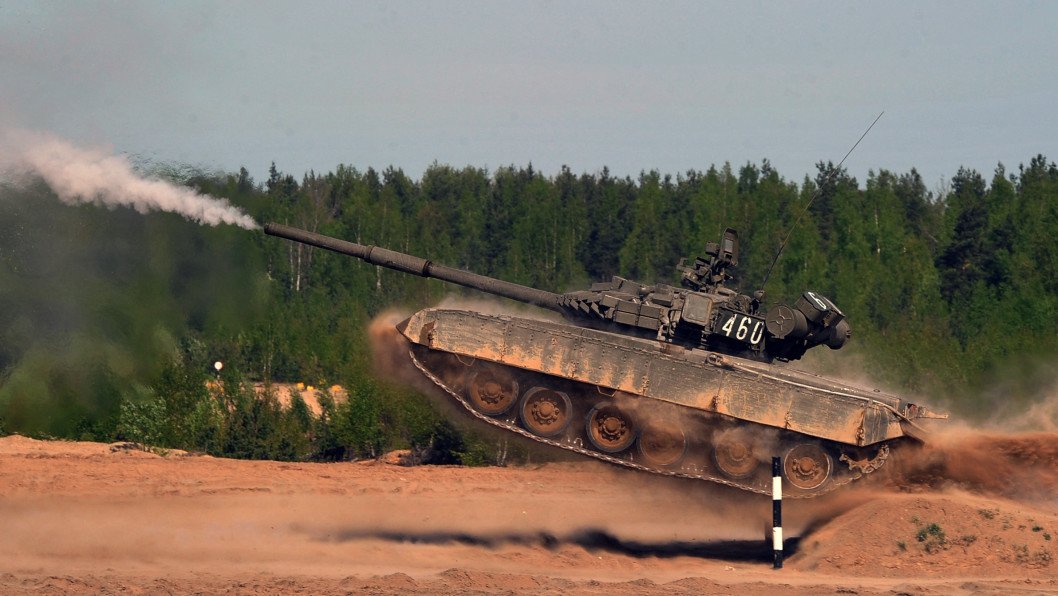
One of the most important trends highlighted by Army Recognition is the spread of the Leopard 2A8 standard and the broader consolidation around three leading Western-aligned tank families: Leopard 2, Abrams, and K2.
Germany is pushing Leopard 2A8 adoption, Czechia is moving to replace Soviet-era tanks with that standard, and other operators are expected to follow through with upgrades or purchases.
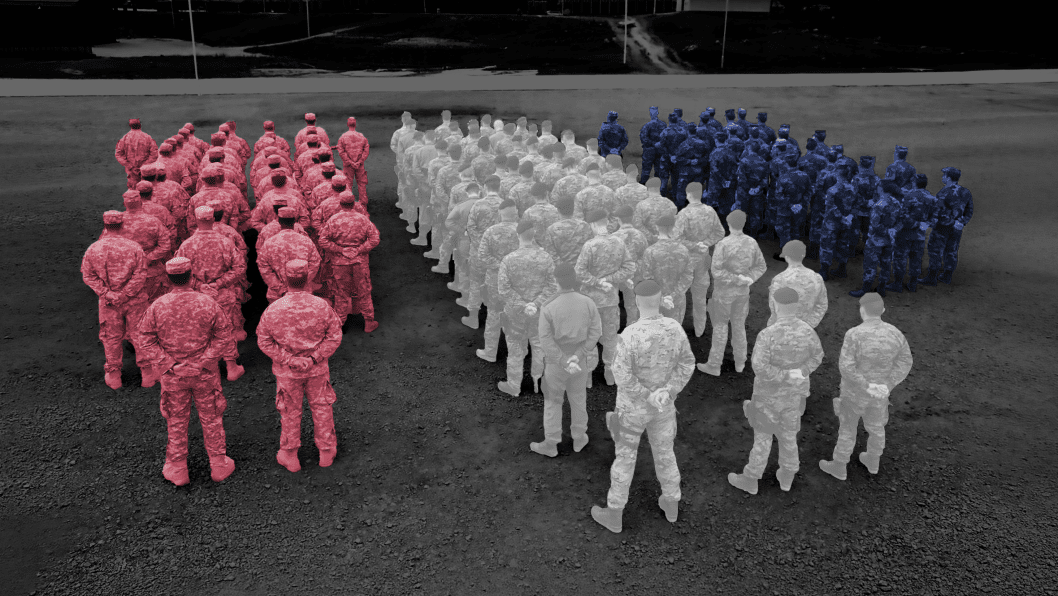
That kind of convergence matters militarily because NATO armor becomes easier to sustain, upgrade, and deploy together.
A continent built around common or closely aligned high-end platforms is very different from one relying on a patchwork of aging national fleets.
Army Recognition’s reporting points to an armored ecosystem that is becoming more standardized, more digital, and more interoperable—exactly the kind of structure that strengthens NATO’s ability to sustain large-scale combat on its eastern frontier.
The center of gravity is moving east
Türkiye, Greece, Romania, Spain, and Germany all remain important armored players, according to Army Recognition, but their roles are increasingly distinct.
Türkiye leads in fleet size, Greece retains regional mass, Germany fields some of Europe’s most advanced Leopard 2s, and Spain maintains a balanced modern force. But the center of gravity is moving eastward—toward the countries that see Russia not as a distant strategic problem but as the primary military threat.
🇩🇪🚨 German tanks roll out in the largest NATO drills since the Cold War.
— Defence Index (@Defence_Index) September 28, 2025
Exercise Red Storm Bravo simulates rapid deployment to the Baltics, with the Bundeswehr rehearsing alongside allies for potential conflict scenarios with Russia. pic.twitter.com/DzjilDaRmF
That is why Poland’s buildup stands out. It is not simply buying tanks; it is building a large armored force tailored to NATO warfighting against Russia. Army Recognition makes clear that this is what distinguishes Poland from most other European armies. It is replacing older systems, expanding total numbers, and tying those gains directly into alliance structures, supply chains, and combat planning.
The most important takeaway from Army Recognition’s ranking is that Europe’s armored balance can no longer be measured by totals alone.
Türkiye may still top the list numerically, and Russia still dwarfs most individual states by scale, but the trend line is moving in NATO’s favor where it counts most: along the eastern flank, with increasingly modern fleets, shared logistics, and combat-ready formations.
So the bigger story is not that Europe has suddenly outbuilt Russia in tanks. It has not. The bigger story is that Europe—led by Poland and backed by NATO standardization—is building an armored structure that looks far more dangerous than the continent’s old tank math suggests.
Earlier, reports emerged that during a nearly daylong attack, a Ukrainian Leopard 1A5 tank withstood 52 strikes from Russian FPV and Molniya drones. The crew had reinforced the vehicle with layered anti-drone protection.
Discuss this article:

-c439b7bd9030ecf9d5a4287dc361ba31.jpg "Photo of Katherina Popilnichenko")