- Category
- War in Ukraine
Russia Returns 375 Bodies of Ukrainian POWs Showing Signs of Torture and Abuse
 Prefer U24 Media on Google
- Authors


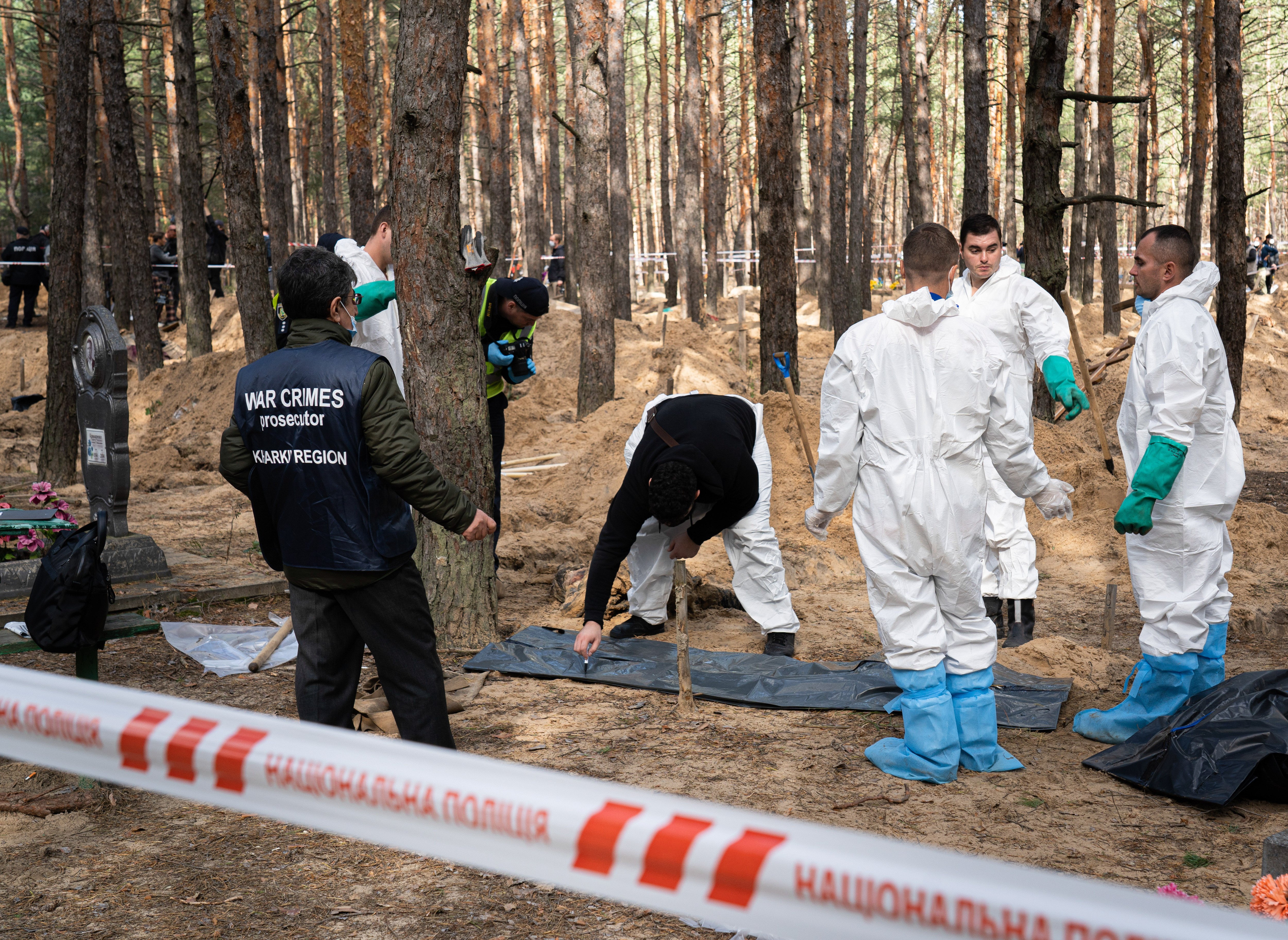
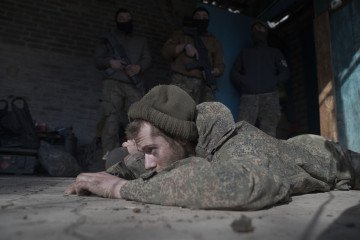
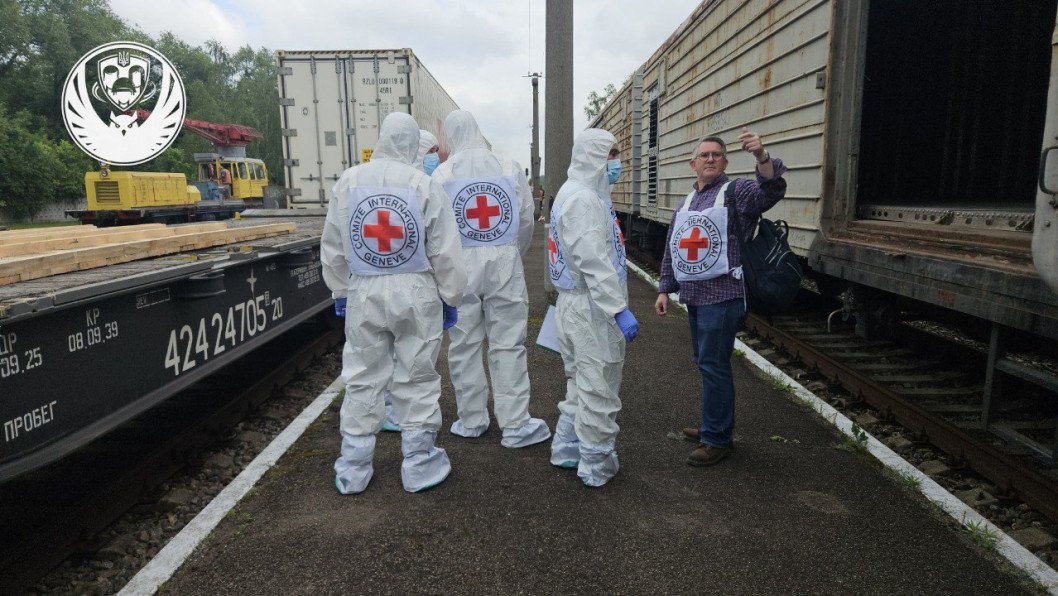
Russia has returned the bodies of 375 deceased Ukrainian military personnel and civilians who had previously been considered prisoners of war, Ukrainian officials said, citing evidence of abuse and neglect.
The disclosure was made by Bohdan Okhrimenko, head of the Secretariat of Ukraine’s Coordination Headquarters for the Treatment of Prisoners of War, in an interview with Ukrinform on May 4.
We bring you stories from the ground. Your support keeps our team in the field.
“Unfortunately, as part of repatriation measures, Russia has returned 375 dead Ukrainian military personnel and civilians who were considered prisoners. Of these, 146 were confirmed by the International Committee of the Red Cross as prisoners, while the captivity of 229 others was verified through additional sources, including testimonies from those released from captivity who confirmed they had been alive,” Okhrimenko said.
He added that the bodies showed signs of torture, exhaustion, and lack of medical care.
According to Okhrimenko, Ukrainian law enforcement agencies are documenting each case and transferring the evidence to the International Criminal Court.
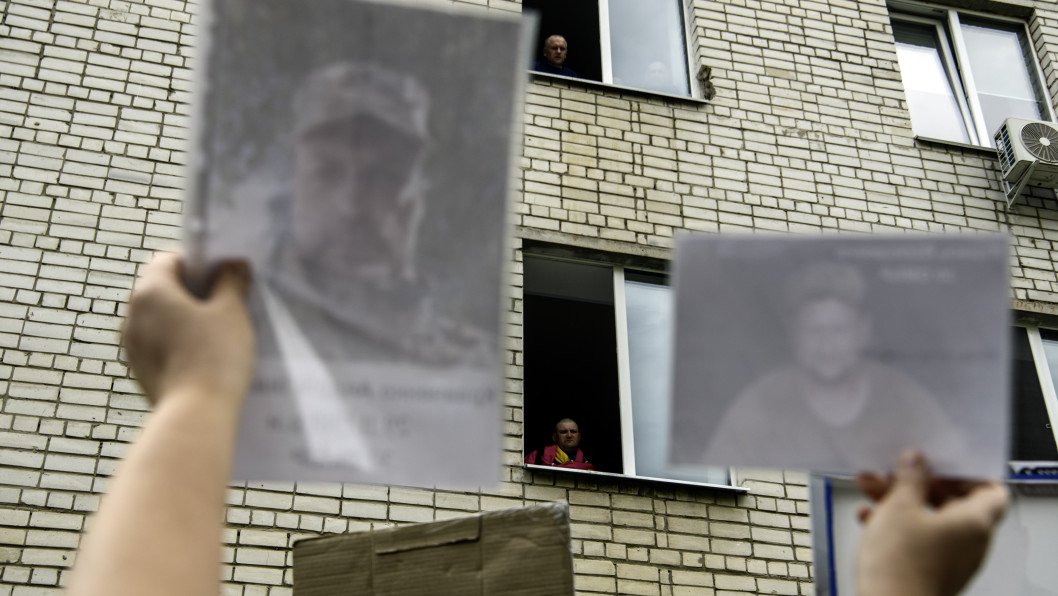
“Essentially, under the Third Geneva Convention, the Russian Federation bears responsibility for the life and health of the prisoners it holds. When it informs the International Committee of the Red Cross that it has captured certain servicemen, it guarantees the provision of their basic needs, including food, clothing, and medical care,” he said.
Okhrimenko added that Russia is failing to meet those obligations and that when the bodies of prisoners are returned to them, they once again document war crimes.
Alongside these findings, in March, Ukrainian forensic team in Chernivtsi discovered an unexploded grenade lodged inside the remains of a fallen Ukrainian soldier during an autopsy. The soldier’s body had been returned to Ukraine through a repatriation exchange involving the remains of personnel killed in the war.
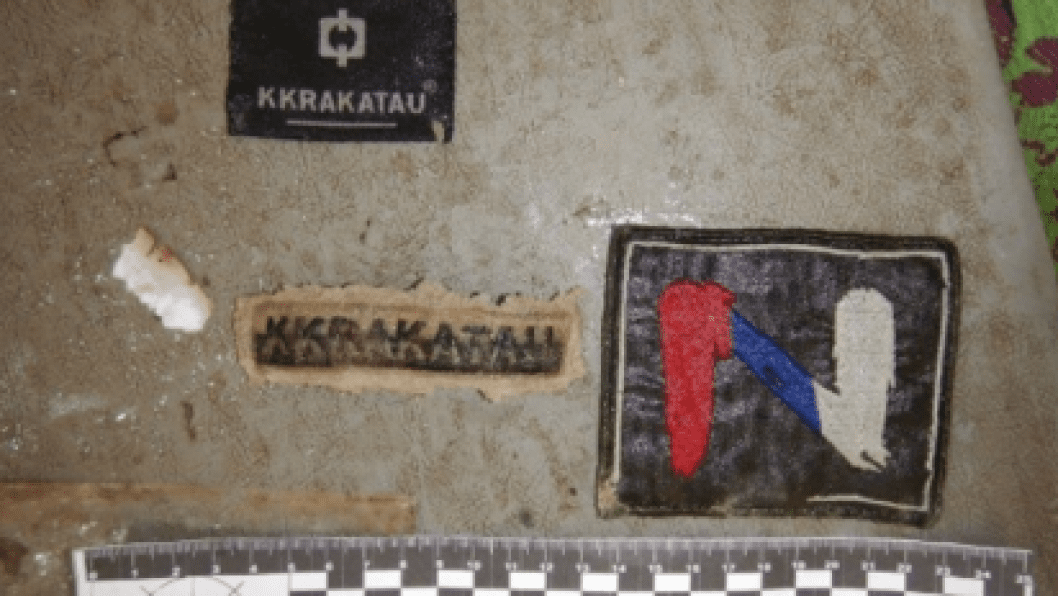
Viktor Bachynskyi, the head of the Chernivtsi Regional Bureau of Forensic Medical Examination, explained that the explosive was found during a standard post-mortem procedure. The device had reportedly entered the abdominal cavity, traveled through internal tissues, and come to rest beneath the skin near the right thigh without ever detonating.
“When the expert began the autopsy of the deceased, made an incision of the cranial cavity, the chest cavity, reached the limb and began to cut it, he found an unexploded grenade under the skin,” Bachynskyi said.
Additionally, an international investigation conducted by Forbidden Stories alongside 13 media partners previously reported that when the body of Ukrainian journalist Viktoria Roshchyna was returned to Ukraine in February 2025, several internal organs were missing.
The absence of her brain and eyeballs has led forensic specialists to suspect that these removals were a deliberate attempt by Russian authorities to hide the true cause of her death.
Discuss this article: