- Category
- War in Ukraine
“Are You Ready to See This?” The Painful Work of Identifying Ukraine’s Fallen Soldiers
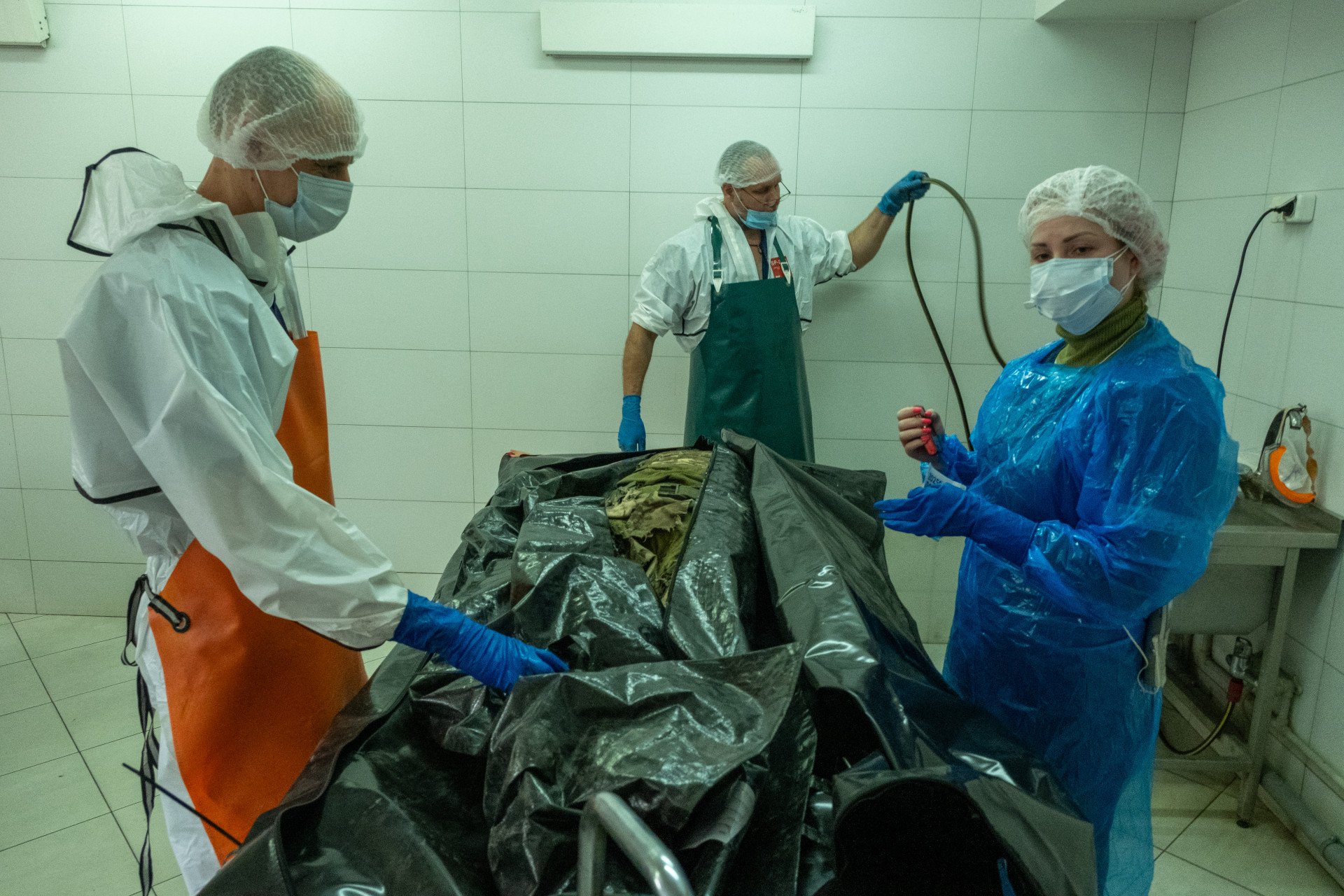
“Everyone has the right to a dignified life,” says Dr. Valerii Viun, Head of the Forensic Department. “But everyone also has the right to a dignified death.”
 Prefer U24 Media on Google
- Authors


For many, a story ends when the heart stops beating, and the soul is believed to leave the body for the afterlife. But in a country at war like Ukraine, that moment marks only the beginning of a painstaking process — one devoted to returning the bodies of fallen defenders to their families, with dignity, so their stories can finally come to an end.
Ukrainian morgue workers work tirelessly to return the fallen to their families. pic.twitter.com/3N6kCI7GSH
— UNITED24 Media (@United24media) December 18, 2025
We traveled to the city of Dnipro to visit the Municipal Multi-field Clinical Hospital №4, which houses one of Ukraine’s main morgues, a facility entrusted with one of the country’s heaviest responsibilities: storing and identifying the bodies of fallen soldiers, alongside the continuous flow of civilian deaths. This single site identifies nearly a third of all bodies sent to the region, which borders the warring regions of Kerson, Kharkiv, Donetsk, and Zaporizhzhia.
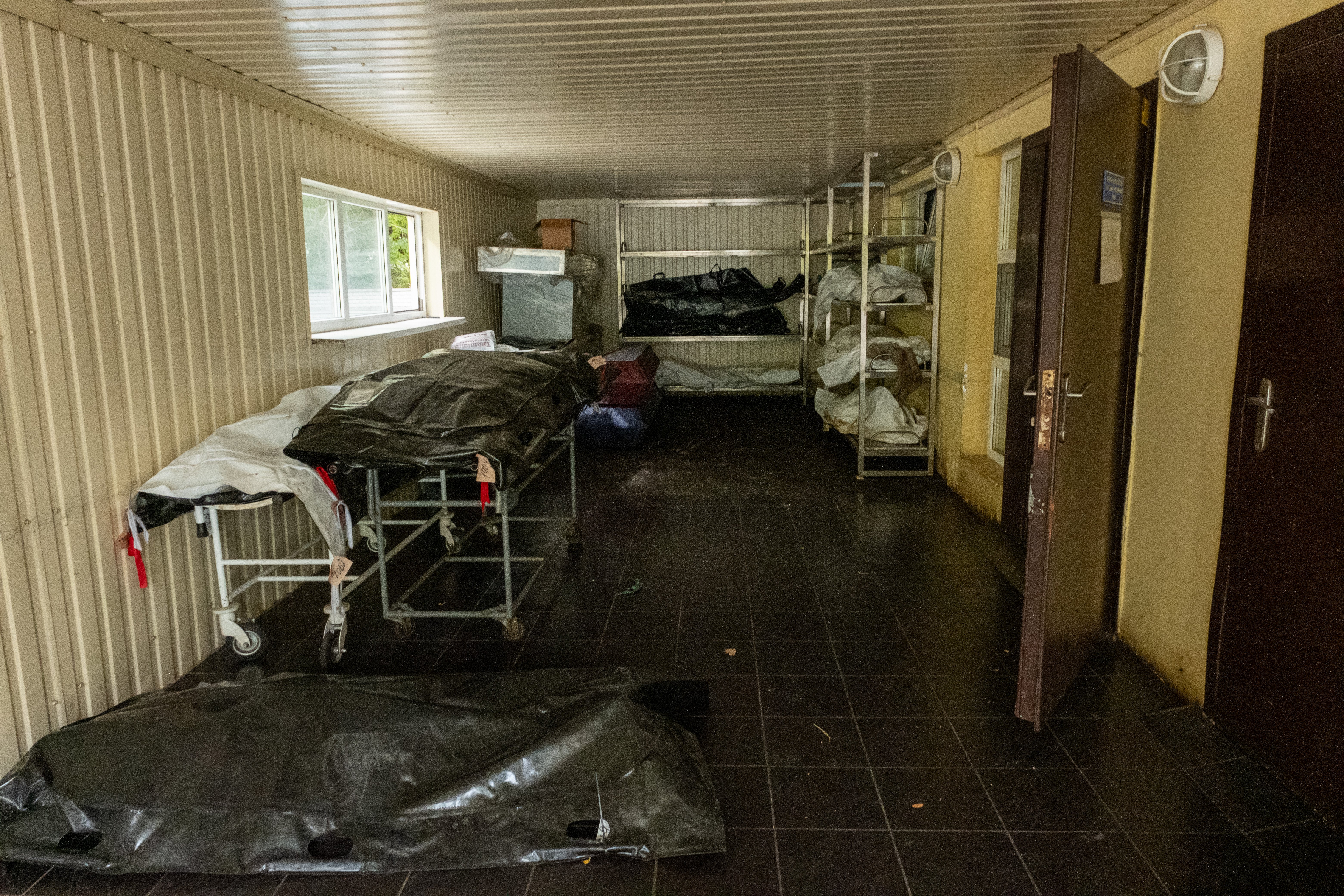
Each day begins before sunrise. “Our day starts with family members arriving in the early morning hours,” says Viktoriia, a staff member in charge of speaking with families and guiding them through the identification process. “Curfew ends, and relatives start arriving.” They come to look for their sons, husbands, and fathers. Before viewing the bodies, families are shown photographs,” she says.
“If families are already here in the morning, we suggest coming over and looking at the photo to see if it’s really their loved one,” Viktoriia explains. “We warn them that the photos may be difficult. The body may be torn apart. We ask — are you ready to see this?”
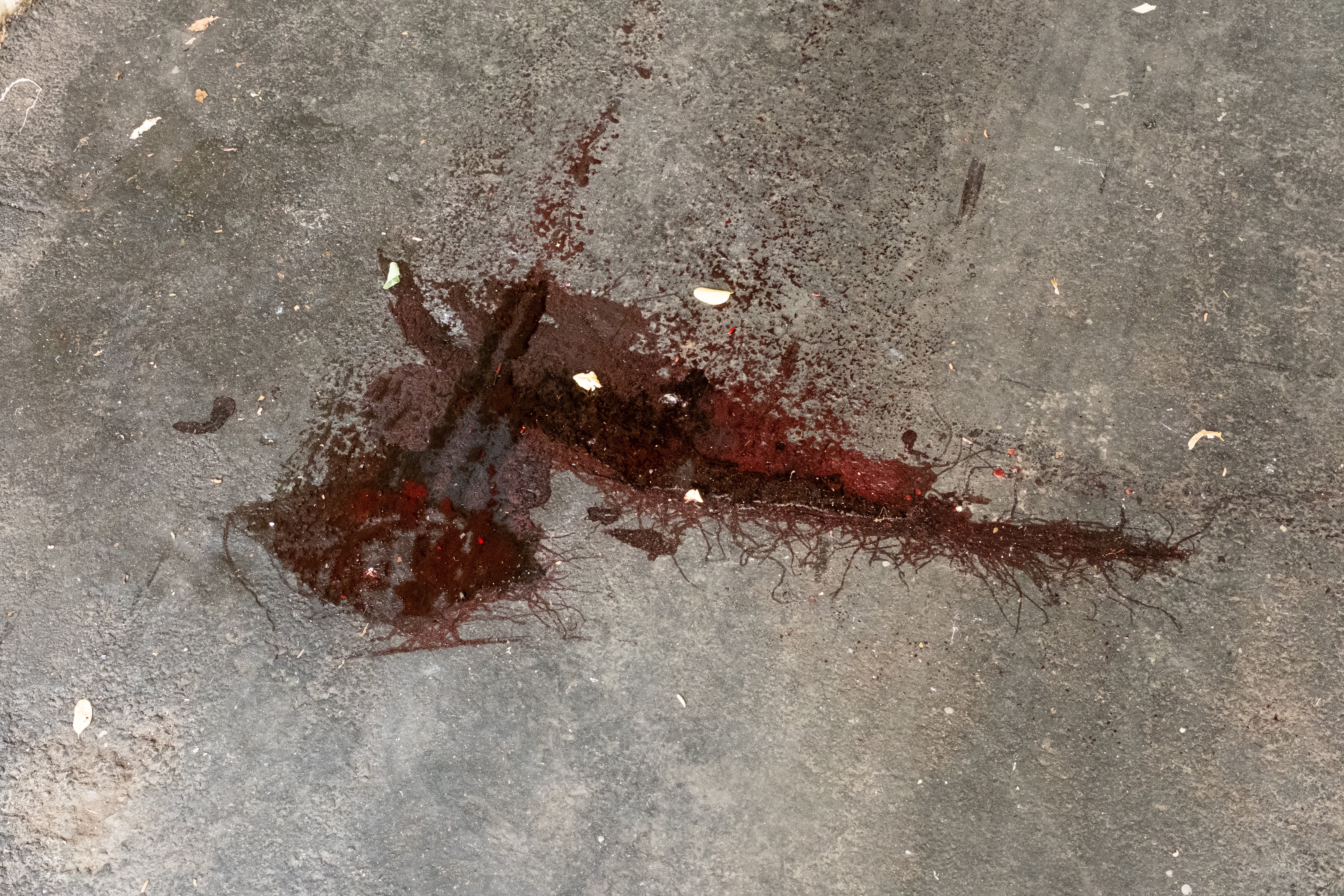
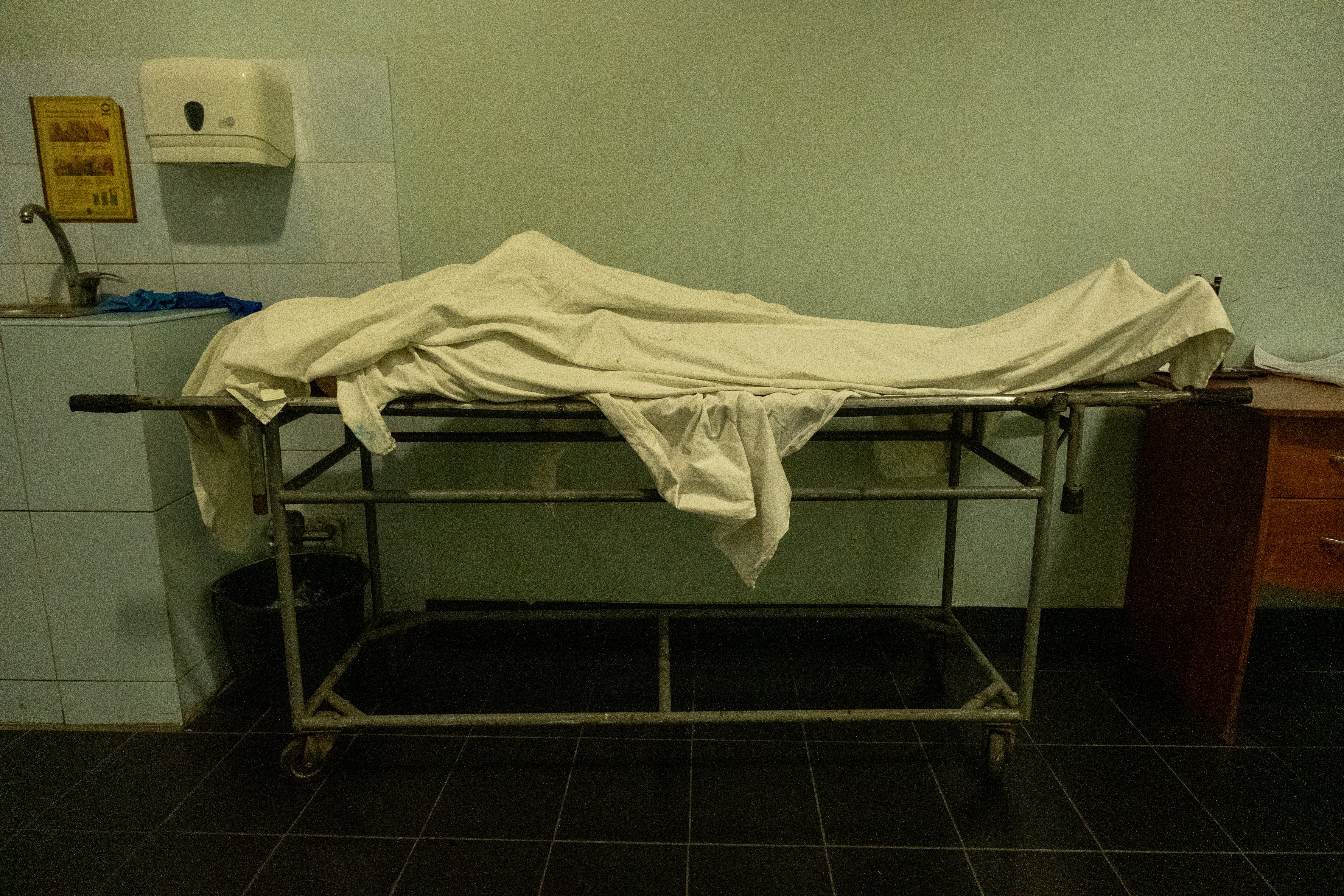
The morgue’s limited space and equipment are under constant strain. “The stationary capabilities of this morgue are not enough to meet the challenge of war,” says Iryna Khoroshayeva, Director of the MIA/KIA Search, Identification, and Repatriation Program at the RT Weatherman Foundation
Through her foundation, we were granted access to the entire process of identification. “What is it like to work in a morgue?” Iryna says. “It’s the risk of tuberculosis, dermatitis, and psoriasis on your hands. Imagine — every day you see not the living, but the dead. It’s abnormal for any person, but people work here, and this challenge is daily.”
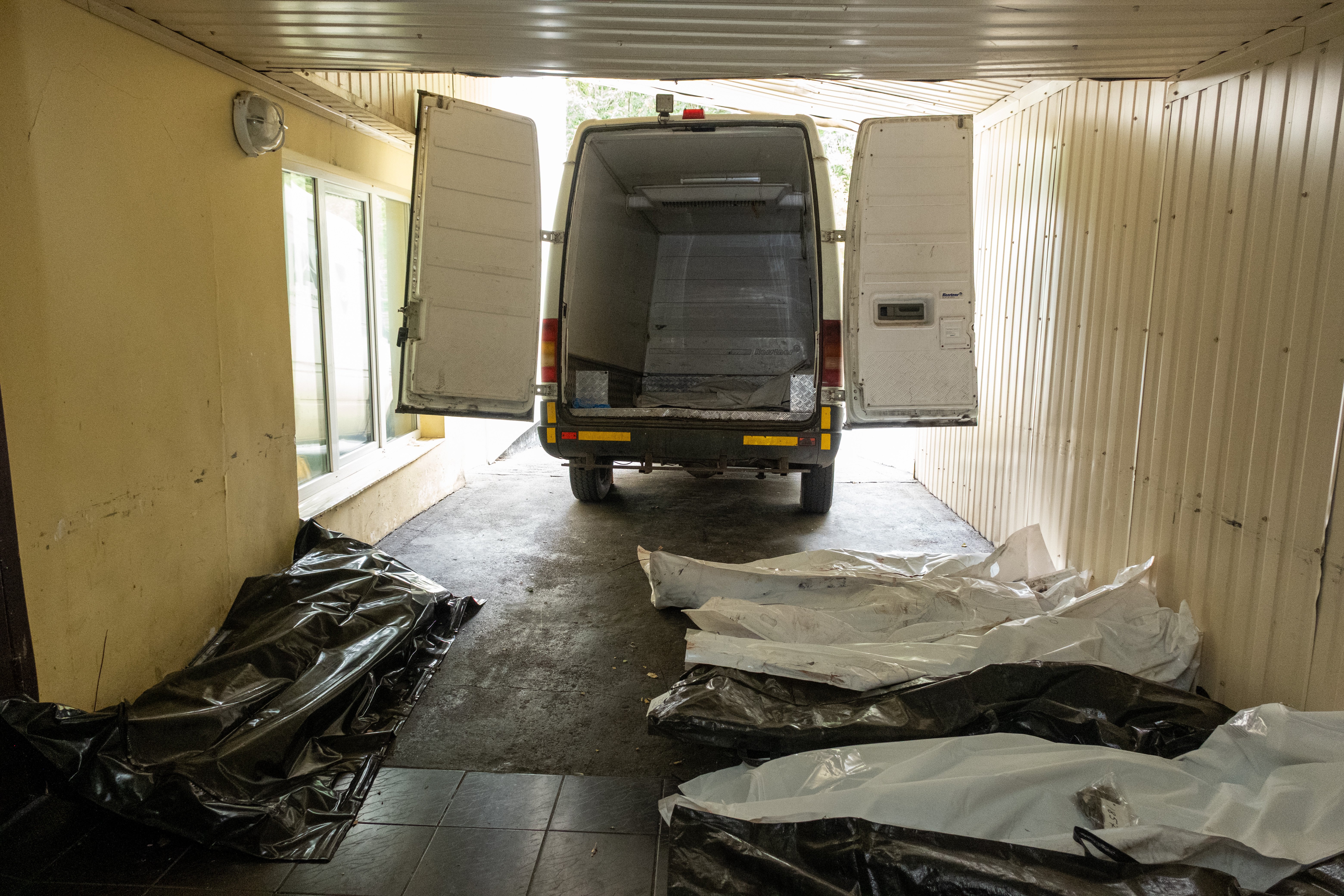
Inside the examination room, an identification expert begins the routine. “First, we start with an external examination,” she explains. “We describe the body, facial features, personal belongings — anything that can help relatives recognize them. Some are known. Some are completely unidentifiable.”

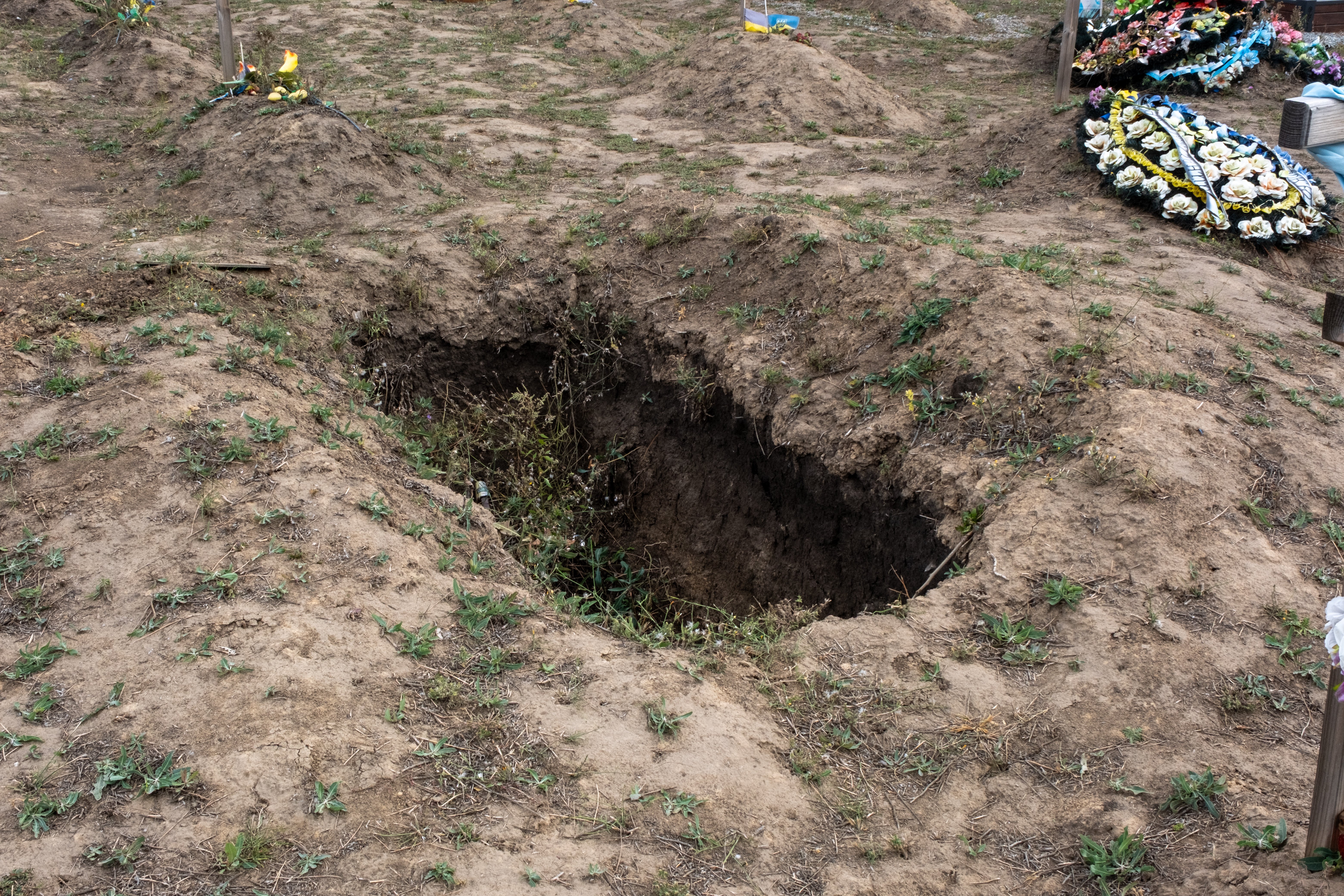
Just days before our visit, a major exchange of bodies between Ukraine and Russia had taken place — one thousand soldiers returned home. Many of them arrived here, overwhelming the facility and testing the staff's endurance.
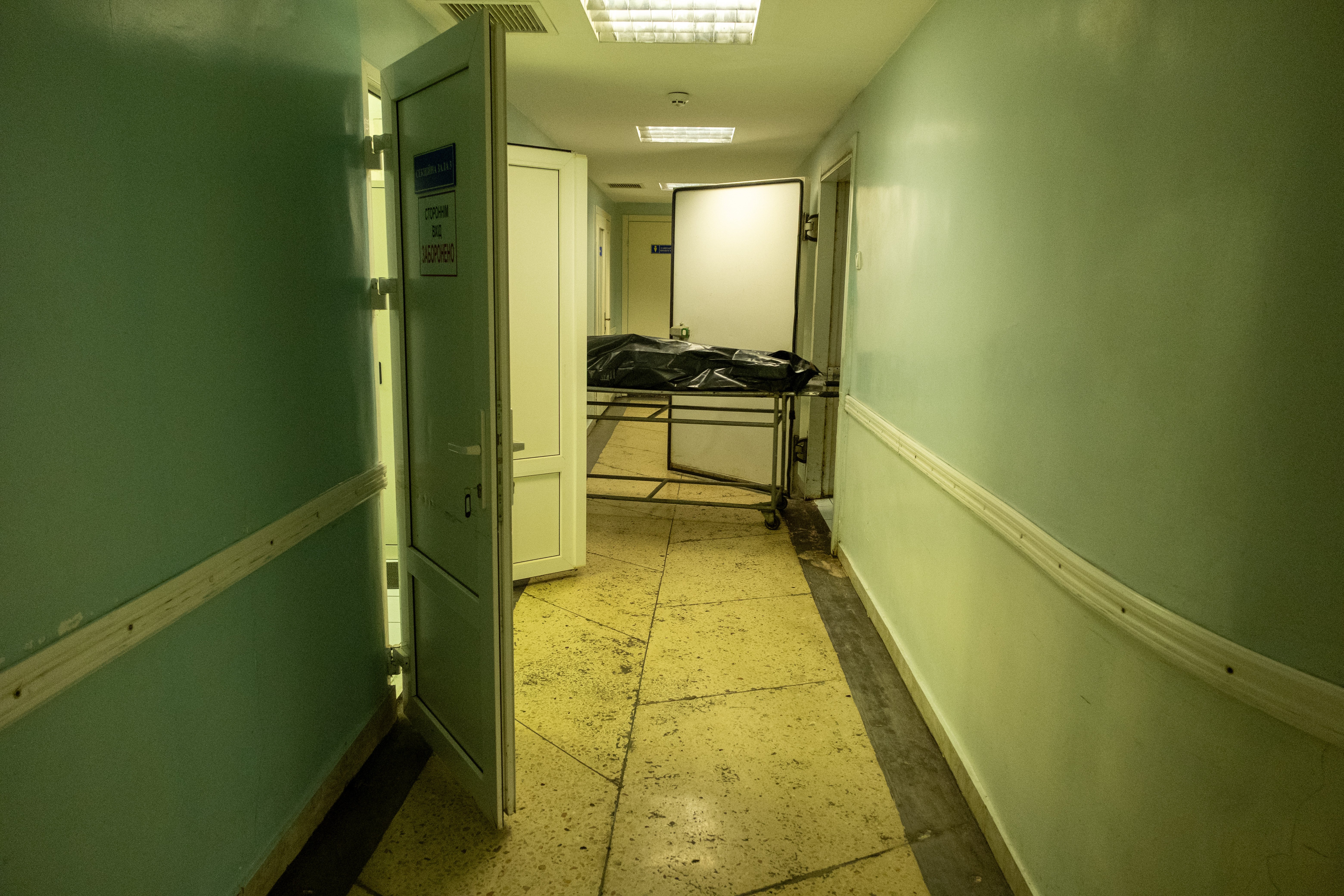
“Not everyone can withstand what we see. Every day we see tears — mothers who will never see their sons again, women who will never hug their husbands, children who run around laughing, not knowing they’ll never see their parents again. That is the hardest part.”
Dr. Valerii Viun
Discuss this article: