- Category
- World
How Have European Armies Changed Since Russia’s 2022 Invasion?
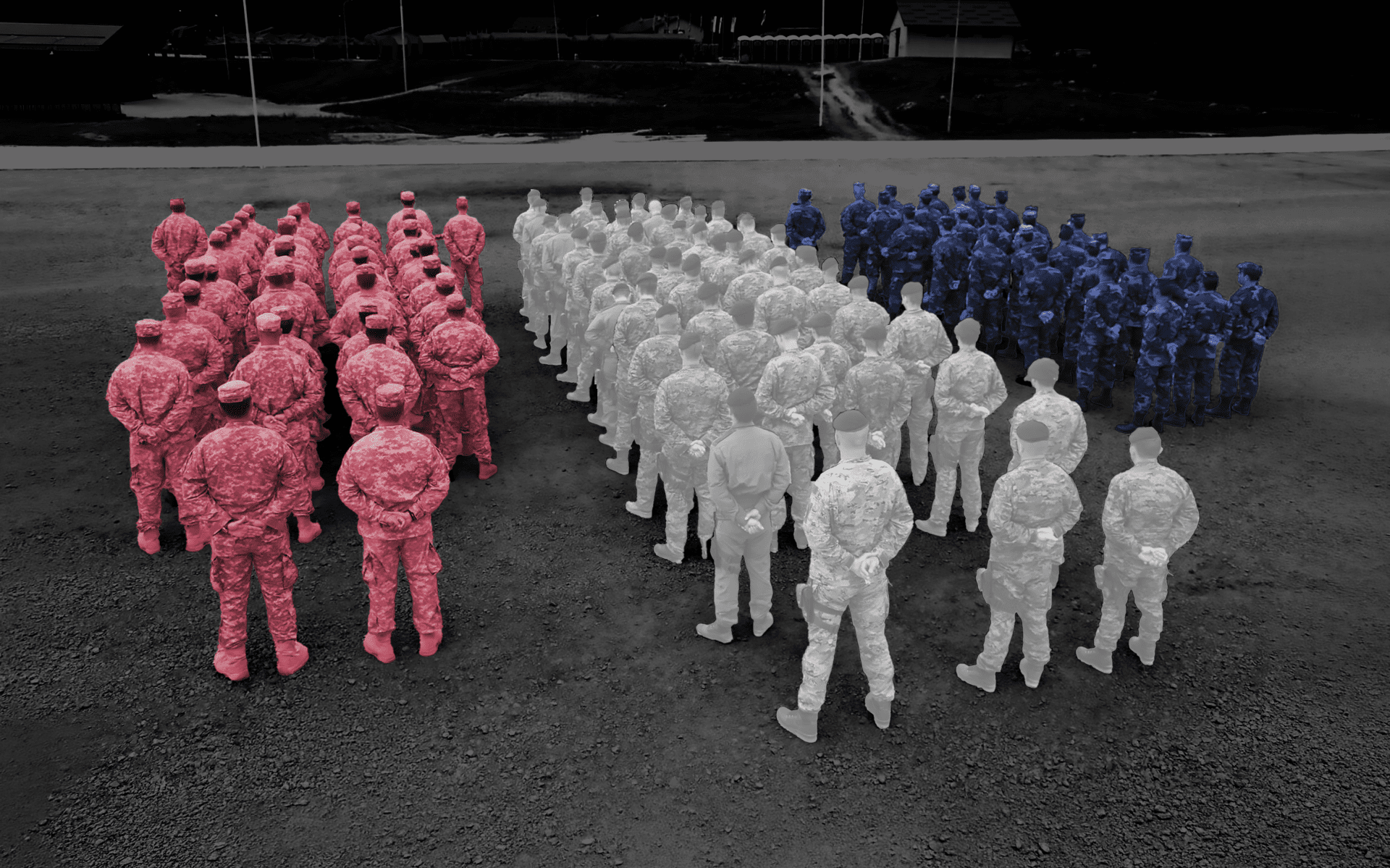
Amid a rising sense of instability and a need for European independence in terms of defense, and recognition of Russia’s threat, Europe’s armies are changing, but how? Is it sufficient for a war with Russia?
 Prefer U24 Media on Google
- Authors

-605be766de04ba3d21b67fb76a76786a.jpg "Joseph Place")
As Europe recognizes the threat that Russia poses to its security, many countries are investing in their defensive capabilities, increasing the size of their millitaries, and some are considering mobilization mechanisms in the event of war. This is particularly crucial, as Russia’s army is considerably larger than even the largest European armies. These changes can be seen across the continent.
The three military heavyweights
France
In 2025, France announced a paid, voluntary, 10-month military service for those aged 18-25, under which volunteers will undergo training and be stationed only in France or its overseas territories. The program has since been launched. This move aims to increase France’s defense capabilities. The initial goal is to recruit 3000 members by September 2026, rising to 4,000 in 2027 and 10,000 annually by 2030. They will accept applications monthly.
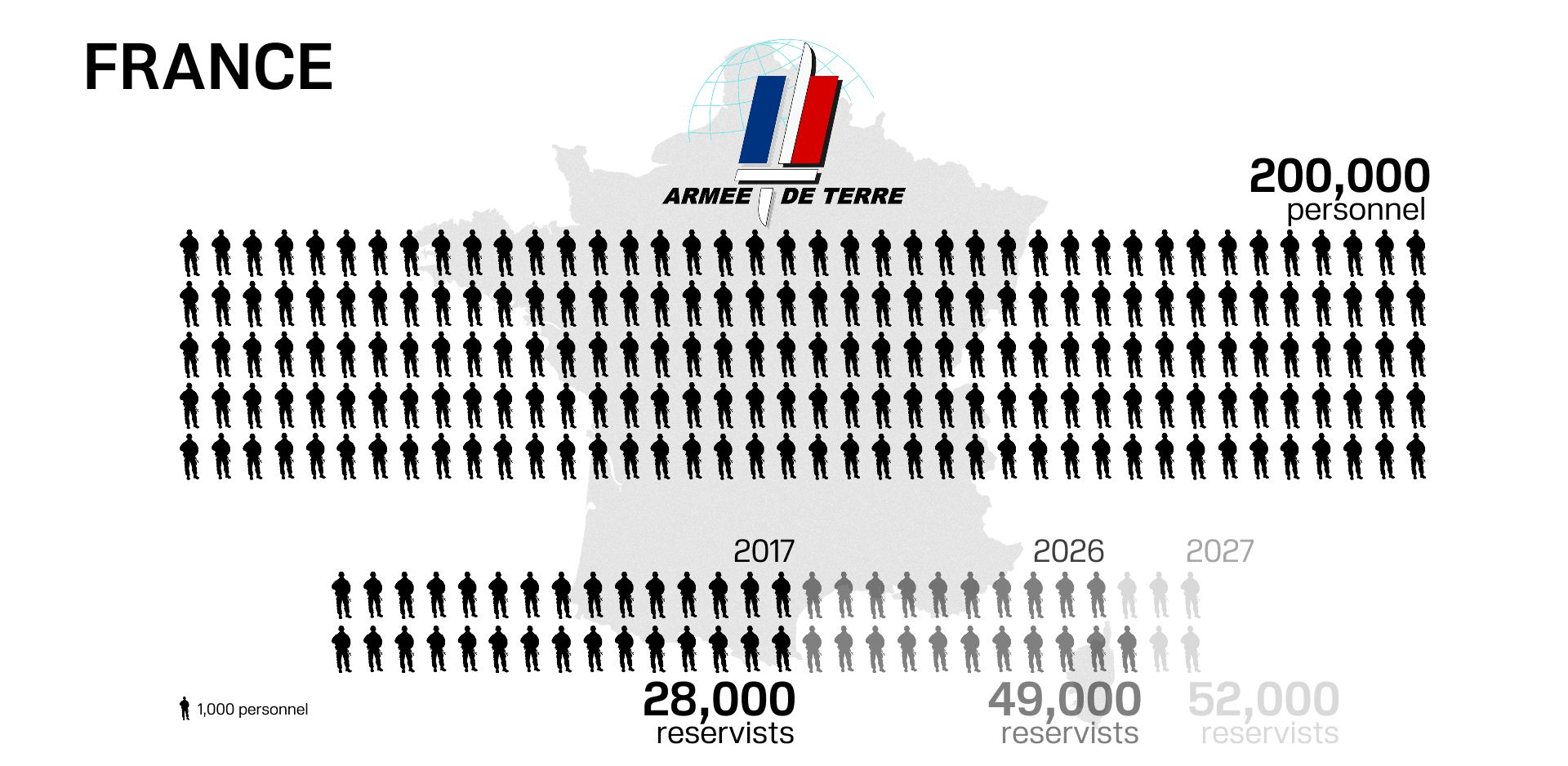
The number of reservists has doubled from 28,000 in 2014 to more than 46,000 in 2025. By increasing the number of reservists and those trained and able to be mobilized in the event of a defensive war, France is bolstering its capabilities, something it has lacked in recent decades. France is also increasing military spending, aiming to double the amount spent in 2017 by 2027. The 2026 budget was originally blocked, but it will now take effect, allowing President Macron to increase spending as promised.
France’s army currently stands at around 200,000, and reservists, including the new goal of 3,000 by September 2026, would be almost 50,000, giving France significant defense capabilities.
Germany
Germany has had a small army for a considerable time. It was demilitarized after World War Two; however, West Germany became a member of NATO in 1955, the same year the Bundeswehr was created to combat the Soviet and Warsaw Pact threat, which included East Germany. Ideas for a large land army have been controversial, with many still opposing, and even protesting, the potential re-establishment of conscription in 2025. This is despite the equipment and weapons manufactured within Germany. However, since Russia’s full-scale invasion of Ukraine, things have changed.
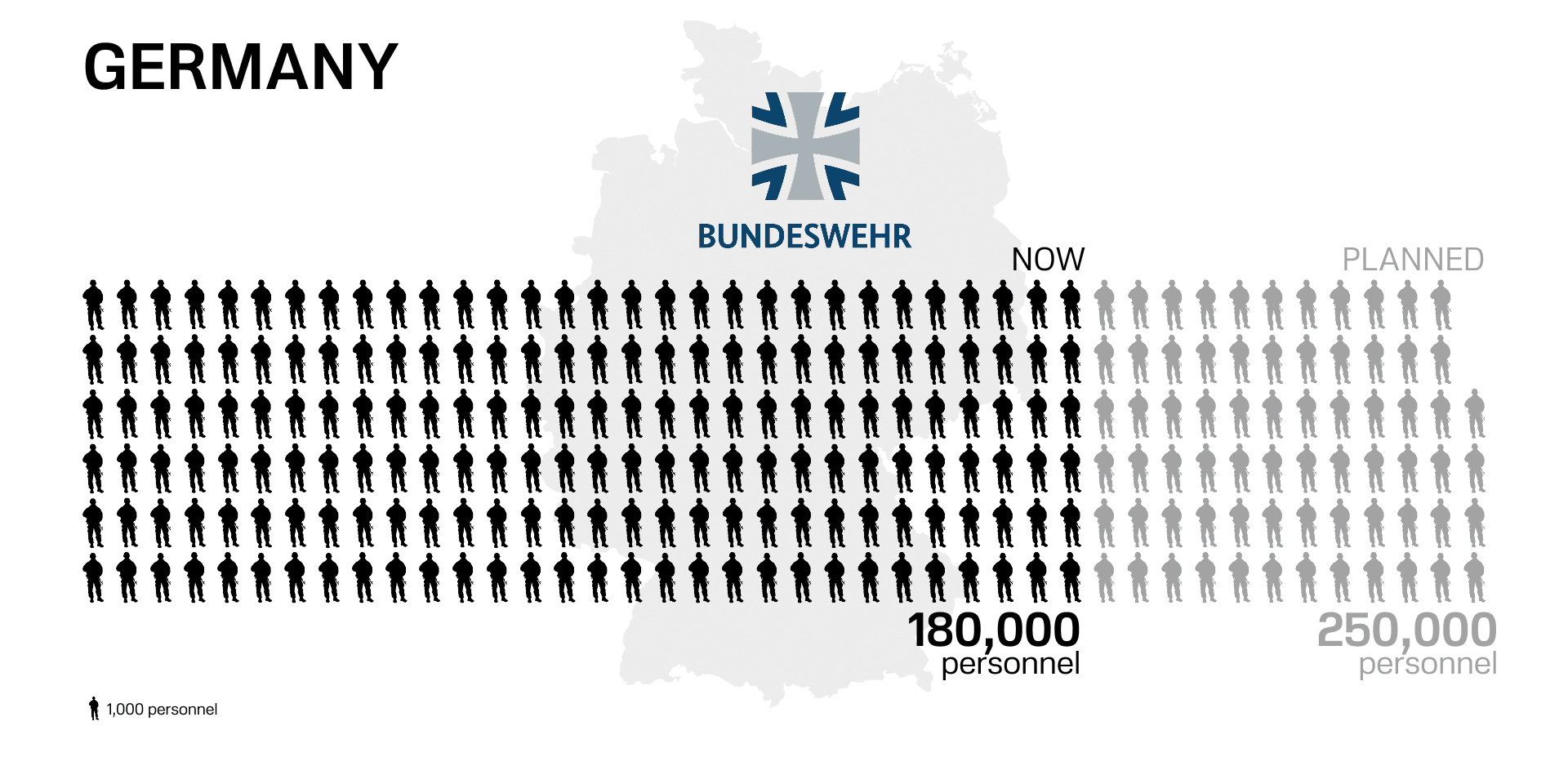
Germany intends to build the largest land army in Europe, with the head of the Bundeswehr Association, André Wüstner, seeking to increase it to 260,000 from its current size of around 180,000, which has been the size for the majority of the last decade. They have also massively pledged to increase defense spending; last year, they agreed to a $128 billion budget for 2026—the largest ever—and have been making military orders for drones and other military goods.
Similar to France, despite the opposition, they are reinstating a form of national service. In this system, joining is voluntary, but in the event of an invasion, those who joined can be mobilized. We can see that Germany’s attitude to militarization has significantly changed and that its capabilities are shifting, even if slowly.
Poland
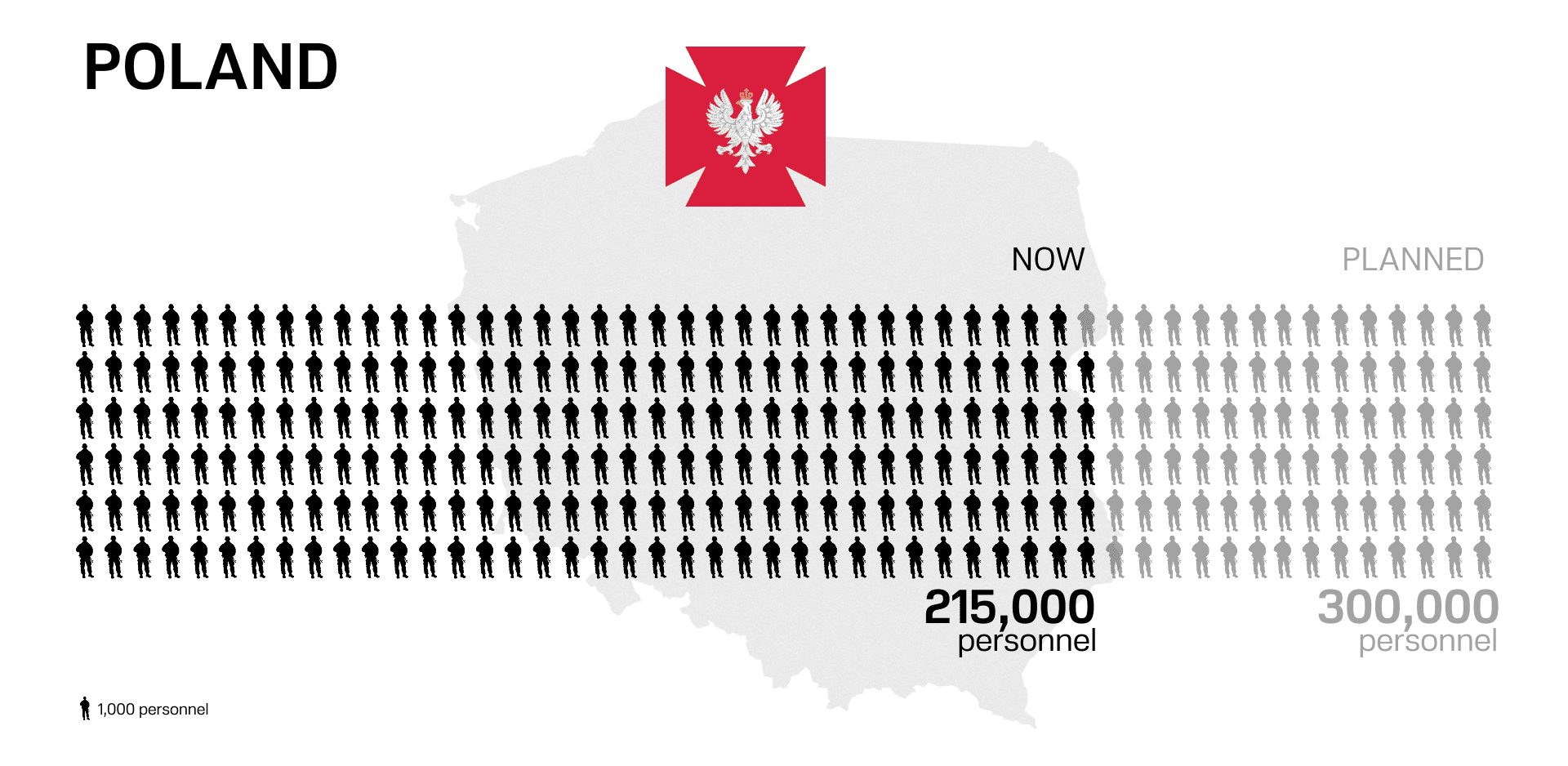
Poland currently has the largest army within the European Union at around 215,000, and intends to increase it to 300,000 active-duty soldiers and 200,000 reservists by 2039, as stated by the Polish Armed Forces. This is a huge increase since 2020, when the military size was 116,200,
2026 will see a record defense budget, hitting 4.8% of their GDP, and they are already the highest spender in Europe as a share of GDP. Poland has also been purchasing a significant amount for its defense, including K2 Black Panther tanks, K9 Thunder howitzers, FA-50 Fighting Eagle jet fighters, Patriot air defense batteries, M1A1 Abrams tanks, 32 F-35 fighters, and AH-64E Apache attack helicopters, and Saab A26 submarines from Sweden, Politico reported. One issue, however, is the lack of an internal defense industry.
Defense spending and readiness rising across Europe
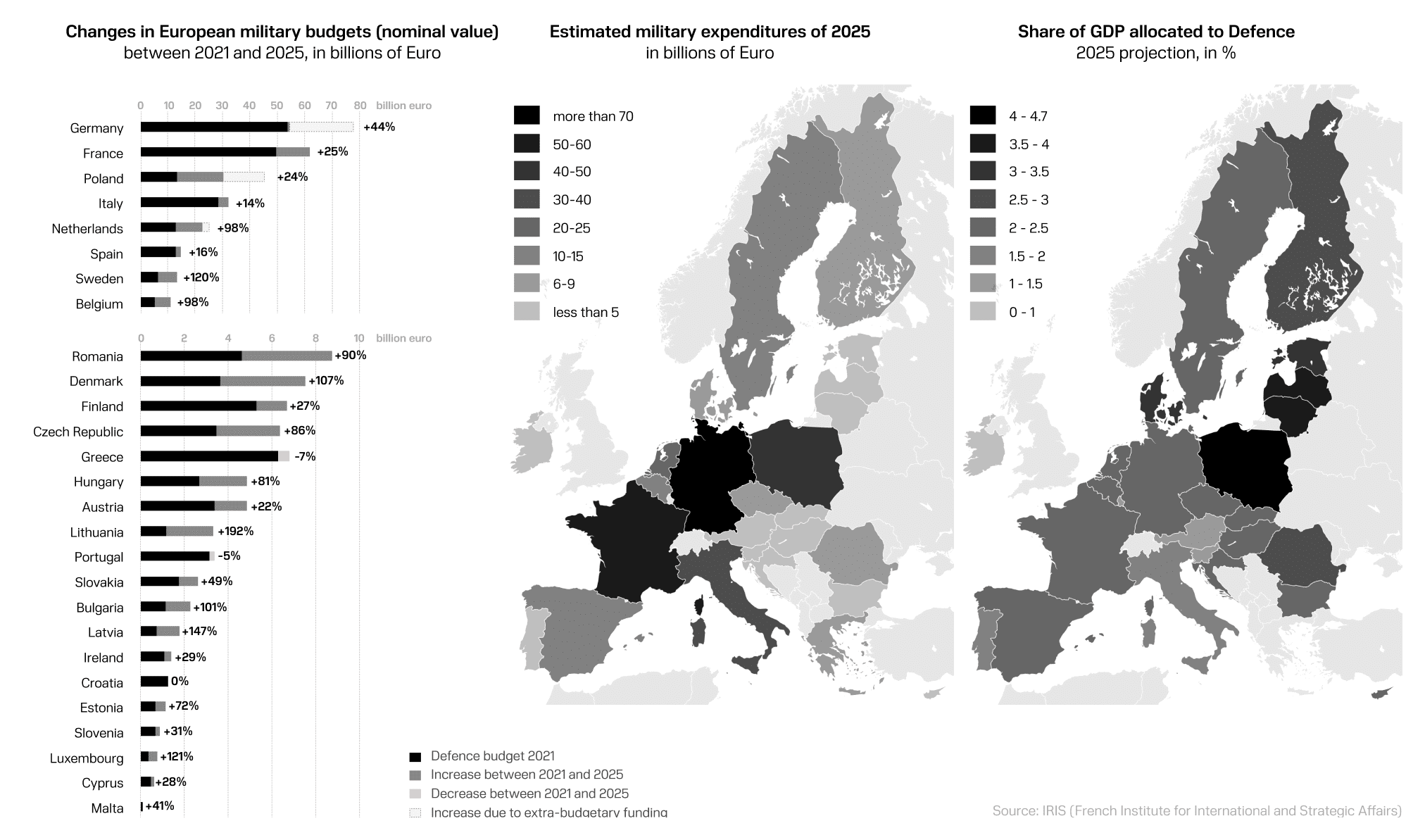
Germany, France, and Poland are making the most significant changes to their defense capabilities. However, other nations are following suit in terms of spending and increasing readiness. By 2024, there was already a 20% increase in defense spending in Europe.
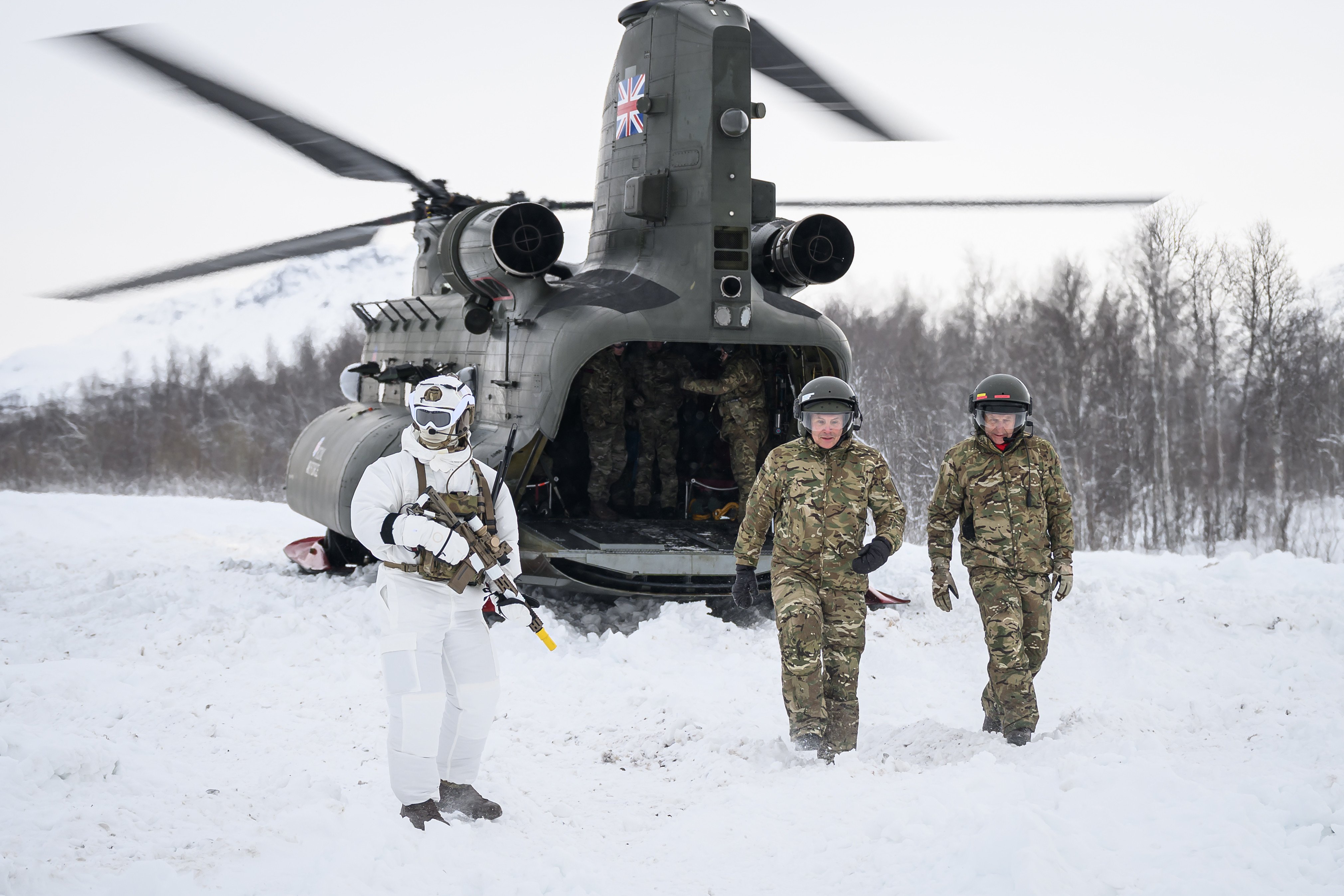
The UK is now pledging to double its troop numbers in Norway to specifically deter the Russian threat. “We will create a British Army which is 10x more lethal to deter from the land,” said UK Defence Secretary John Healey in 2025 at the start of the Strategic Defense Review, “by combining more people and armoured capability with air defence, communications, AI, software, long-range weapons, and land drone swarms.” The army's standing size should not drop below 80,000, he added. By November 2025, the UK finally saw more recruits than people leaving the army, a first in years.
Some nations, such as Spain, have consistently failed to meet NATO spending targets and say they cannot meet the 5% NATO requirement, although they are increasing defense spending to reach 2% of their GDP, similar to Belgium, Luxembourg, and Slovenia.
Others have increased spending more significantly, with Croatia and Czechia boosting spending to 3% of GDP in 2026, and more notably, Denmark and Finland by over 3%, and Estonia by 5.4% per year until 2029, Latvia by 4% in 2026 and increasing to 5%, and Lithuania between 5% and 6% until 2030. Generally, Scandinavian, Nordic, Baltic, and Eastern Europe have shown the most willingness to bolster defense spending and be ready for a conflict; for example, Finland can deploy 280,000 in the event of war with Russia and is increasing spending.
The European Union is generally aware of the need to increase readiness and defense capabilities. It has adopted the defense initiative proposed by European Commission President Ursula von der Leyen, Readiness 2030, formerly ReArm Europe. This calls for increased defense spending, closing capability gaps, increasing stockpiles, enhancing naval capacity, strengthening cyber security, implementing drone and counter-drone measures, and generally preparing for crises and war.
Challenges and solutions
Many countries face key challenges in increasing their military and/or spending, and there are problems of wider integration and coordination across Europe. Some countries have struggled with recruitment numbers. The UK had an inflow-outflow problem only till recently, despite the high quality of its military. Others, such as Spain and Italy, as mentioned, cannot or will not allocate the funds necessary to hit NATO requirements.
Many armies have also trained for combat, which will not necessarily be relevant to any actual war with Russia. Some Ukrainians have worried that Europe or NATO armies have not prepared for drone warfare, for example. Especially if Europe is to stand alone and not rely on the USA, coordination among its members in the event of war may be challenging, given that most major European powers have coordinated under the NATO umbrella. Ukraine can offer expertise, capability, and innovation to assist Europe in the event of a war with Russia, sharing much of its experience. Europe can consider deeper defense integration and a new defense framework. It could also prepare for a European Military that exists outside NATO to better integrate and coordinate.
“The EU could develop its own command headquarters that could command both the EU force and sit as supreme European commander above the national militaries,” said Max Bergmann, director of the Europe, Russia, and Eurasia Program and the Stuart Center in Euro-Atlantic and Northern European Studies at the Center for Strategic and International Studies in Washington, D.C. “Creating an EU command has been talked about for decades, and the EU does have an embryonic command structure to manage its peacekeeping missions. But concerns over duplication with NATO and US opposition blocked its creation. However, now that there may be a clear division between the United States and Europe on defense, it makes sense for Europe to have an independent command capacity at the very least to prevent any organizational gaps in European defense.”
Discuss this article:


-c439b7bd9030ecf9d5a4287dc361ba31.jpg "Photo of Katherina Popilnichenko")


-72b63a4e0c8c475ad81fe3eed3f63729.jpeg "Photo of Cyril Barabaltchouk")
-3dc43d0d8b8ab0d7d00a1b4d64f1a3a5.jpg "The national flags of China and Russia flutter at Tian’anmen Square on May 19, 2026 in Beijing, China. (Source: Getty Images)")