- Category
- Latest news
Bundeswehr Moves on $1.04 Billion AI Drone Order After 90% Hit Rate
 Prefer U24 Media on Google
- Authors


-111f0e5095e02c02446ffed57bfb0ab1.jpeg "Photo of Roman Kohanets")

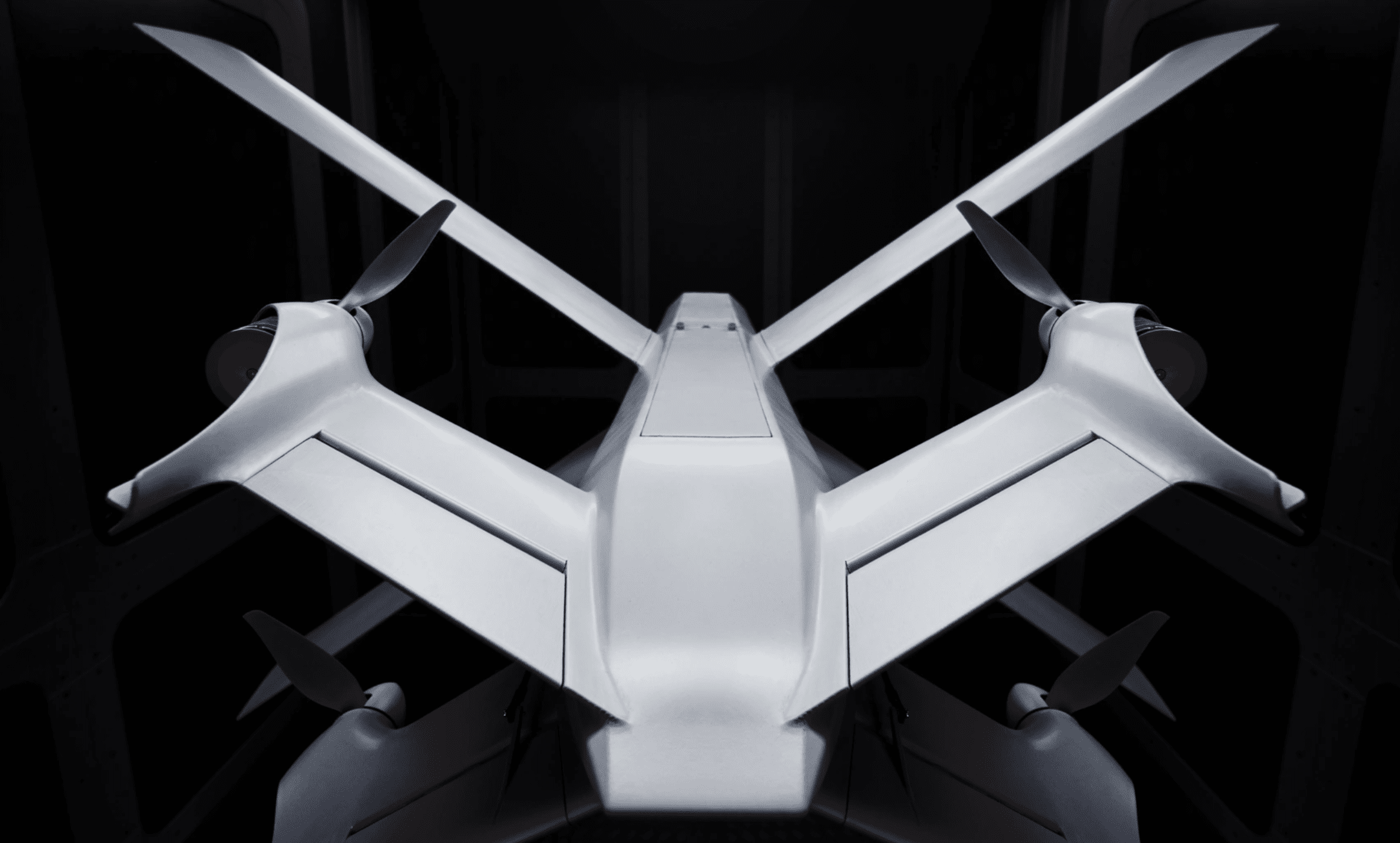
German army chief Carsten Breuer has said German-made loitering munitions modeled on Russia’s Lancet drone have achieved a hit probability of more than 90% in recent tests, rejecting earlier claims of poor performance and clearing the way for procurement decisions, according to Defence Express on December 8.
The outlet reported that the Bundeswehr’s Inspector General described a “probability of destroying targets” above 90% for the HX-2 loitering munition, produced by Helsing, and the Virtus system, developed by Stark Defence, both of which are equipped with artificial intelligence for target recognition.
We bring you stories from the ground. Your support keeps our team in the field.
He said this level of effectiveness was sufficient to start the acquisition process.
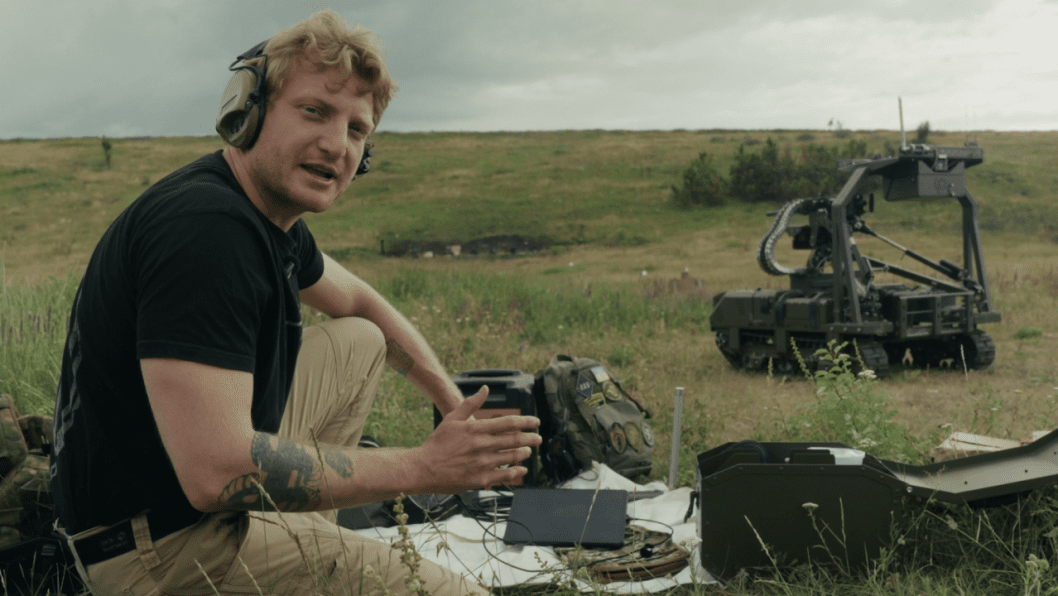
Video released by the Bundeswehr from trials at the army’s combat training center on the Altmark range showed loitering munitions launched against a truck-sized target and guided by a machine-vision interface, while an official statement said all participating manufacturers scored direct hits during the series of tests.
The new assessment follows weeks of criticism sparked by German and international media reports that described a secret comparative trial of loitering munitions at the Munster training area in October, where Helsing’s HX-2 was said to have achieved 17 hits in 17 launches while Stark’s Virtus drone missed its target twice and Rheinmetall’s competing system did not take part.
Until now, the Bundeswehr had declined to comment on the leaked test results, citing security concerns, but Defence Express noted that Breuer’s public reference to a hit rate above 90% and footage of a successful Virtus strike appeared designed to counter speculation about a 30% effectiveness rate for some of the systems.
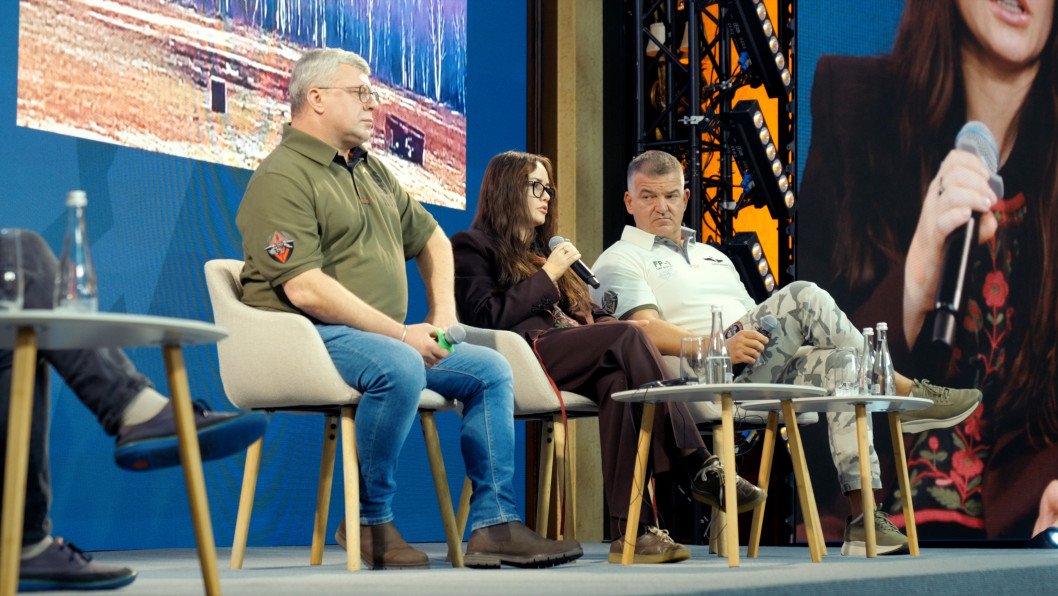
Defence Express also added that, under current army planning, the Bundeswehr does not expect to field its first battery of medium-range loitering munitions before 2027, with five additional batteries to follow by 2029, alongside a separate deep-strike unit.
Earlier, it was reported that Germany’s Bundeswehr plans to create dedicated suicide-drone units, including six medium-range loitering-munitions batteries and a long-range precision-strike battery, to close capability gaps exposed by the war in Ukraine.
Discuss this article:


-c439b7bd9030ecf9d5a4287dc361ba31.jpg "Photo of Katherina Popilnichenko")



-72b63a4e0c8c475ad81fe3eed3f63729.jpeg "Photo of Cyril Barabaltchouk")